
Have you ever noticed that the tires on your Lexus IS 250 aren’t all the same size? It might seem unusual, and you’re probably wondering why this is the case.
Understanding the reason behind this design can make a big difference in how you take care of your car and enjoy your driving experience. You’ll discover why Lexus chose different tire sizes for your IS 250, how it affects your car’s performance, and what you need to keep in mind to keep your ride smooth and safe.
Keep reading to find out what makes these tires special and why they matter to you.

Credit: www.amazon.com
Lexus Is 250 Tire Sizes
The Lexus IS 250 features tires with different sizes on the front and rear. This design supports balanced handling and better grip on the road. Understanding tire sizes helps maintain performance and safety. The right tires keep your car stable and comfortable during drives.
Front Vs Rear Tire Dimensions
The front tires of the Lexus IS 250 are usually narrower than the rear tires. This difference improves steering precision and front-end response.
Rear tires are wider to enhance traction and stability, especially during acceleration and cornering. This setup helps balance the car’s weight and power delivery.
- Front tires: narrower for better steering control
- Rear tires: wider for improved grip and stability
Factory Specifications
Lexus sets specific tire sizes for the IS 250 to ensure optimal performance. The factory tires are matched to the car’s suspension and drivetrain.
| Position | Tire Size | Aspect Ratio | Wheel Diameter |
|---|---|---|---|
| Front | 225/45R17 | 45 | 17 inches |
| Rear | 255/40R17 | 40 | 17 inches |
Following these specs avoids uneven tire wear and maintains proper handling. Using the correct tire sizes keeps your Lexus safe and enjoyable to drive.
Reasons For Different Tire Sizes
The Lexus IS 250 uses different tire sizes on the front and rear wheels. This design choice affects the car’s overall driving experience. Different tire sizes help improve various aspects such as performance, handling, and safety. Understanding these reasons explains why Lexus engineers chose this setup.
Performance And Handling
Different tire sizes enhance the car’s cornering ability. Larger rear tires provide better grip during acceleration. Smaller front tires help with steering precision. This balance allows sharper turns and smoother handling. It makes the car feel more responsive on the road.
Weight Distribution
The Lexus IS 250’s weight is not evenly spread. The engine sits at the front, making it heavier. Smaller front tires reduce rolling resistance for better efficiency. Bigger rear tires support the heavier rear and improve traction. This setup helps keep the car stable and balanced.
Traction And Stability
Bigger tires at the rear increase the contact patch with the road. This improves traction, especially during acceleration. Smaller front tires allow easier steering and quick response. Together, they maintain stability at high speeds and on curves. This combination enhances safety and control.
Impact On Driving Experience
The difference in tire sizes on a Lexus IS 250 affects how the car feels and performs on the road. This change is not just about looks; it directly impacts your driving experience in several important ways. Understanding these effects helps you get the most out of your vehicle while staying safe and comfortable.
Cornering And Grip
Different tire sizes mean the car handles corners in a unique way. Larger tires on the rear provide more grip, helping the car stay stable during sharp turns. This setup can give you more confidence when driving on winding roads or making quick lane changes.
However, uneven tire sizes might also cause the steering to feel less precise. You may notice a slight pull or a difference in how the car responds to your inputs. Paying attention to these changes lets you adjust your driving style for better control.
Ride Comfort
Ride comfort changes when tire sizes vary between front and rear. Bigger tires often have lower profiles, which means less sidewall cushioning. This can make the ride feel firmer and transmit more bumps from the road into the cabin.
On the other hand, smaller tires with taller sidewalls absorb shocks better, smoothing out rough surfaces. If you prefer a softer ride, you might find the front tires feel more comfortable than the rear ones. How important is ride smoothness to your daily drive?
Fuel Efficiency
Tire size affects your Lexus IS 250’s fuel efficiency in subtle ways. Larger rear tires increase rolling resistance, which means the engine works a bit harder to keep the car moving. Over time, this can lead to slightly higher fuel consumption.
Smaller front tires help balance this out but don’t completely cancel the effect. If saving fuel is a priority for you, consider how tire size choices fit your driving habits and priorities. Could a small change in tires make a noticeable difference in your gas mileage?
Choosing Replacement Tires
Choosing the right replacement tires for your Lexus IS 250 can feel tricky, especially with the different tire sizes on the front and rear. Your decision will affect the car’s handling, safety, and overall performance. It’s important to understand what options you have and the risks involved with mismatched tires.
Oem Recommendations
The original equipment manufacturer (OEM) tires are designed specifically for your Lexus IS 250. They consider factors like weight distribution, power delivery, and suspension setup.
Typically, the front tires are narrower, while the rear tires are wider to improve traction and stability. Sticking to OEM sizes ensures your car performs as intended.
Ignoring these recommendations can lead to uneven wear or compromised handling. Have you ever noticed how a car feels different after switching to non-standard tires?
Aftermarket Options
If you want to explore beyond OEM, many aftermarket tires fit the Lexus IS 250’s unique tire sizes. You can find options that offer better grip, comfort, or even aesthetics.
Brands like Michelin, Bridgestone, and Continental often provide models in sizes matching your car’s front and rear tires. Just be sure the tires meet or exceed the load and speed ratings specified by Lexus.
It’s worth consulting with a tire expert to make sure the new tires won’t upset your car’s balance. Are you looking for performance, longevity, or cost savings? Your priorities will guide the best choice.
Potential Risks Of Mismatched Tires
Using tires of different sizes or specifications without careful consideration can create serious risks. Mismatched tires can affect steering response, braking distances, and overall vehicle stability.
One common problem is uneven tire wear, which may lead to premature replacement and extra costs. More importantly, mismatched tires can trigger warnings in your car’s traction control or ABS systems.
Think about your safety and your vehicle’s health before making a change. Are you willing to risk handling issues just to save a few dollars on tires?
Maintenance And Tire Care
Proper maintenance and tire care are crucial for the Lexus IS 250, especially since its tires come in different sizes. These varying sizes can affect how the car handles wear and tear, making attentive upkeep essential. Understanding how to care for these tires ensures safety, improves performance, and extends their lifespan.
Tire Rotation Tips
Rotating your Lexus IS 250’s tires regularly helps even out the wear between the front and rear tires, which is especially important when they differ in size. Since the front tires often handle more stress due to steering and braking, rotating them can prevent uneven wear that could lead to handling issues.
Rotate your tires every 5,000 to 7,000 miles, or as recommended in your owner’s manual. If you’ve ever ignored rotations, you might notice your car pulling to one side or a rougher ride. Don’t wait for these signs—keep a rotation schedule to avoid costly replacements.
Checking Tire Wear
Different tire sizes mean the wear patterns on your Lexus IS 250 can vary between axles. Check your tires monthly for uneven tread wear, cracks, or bulges. Using a tread depth gauge helps you measure how much life is left in each tire precisely.
Uneven wear can signal alignment or suspension problems. Have you noticed your tires wearing faster on one side? Addressing this early can save you money and keep your ride smooth and safe.
Balancing And Alignment
Balancing and alignment are key to managing the unique tire setup on your Lexus IS 250. Unbalanced tires or misaligned wheels cause vibrations and uneven tread wear, reducing tire life and driver comfort.
Get your tires balanced whenever you notice vibration at higher speeds or after a tire change. Alignment checks should happen annually or if you hit a pothole or curb. Proper alignment ensures your tires wear evenly and your car drives straight.

Credit: www.reddit.com
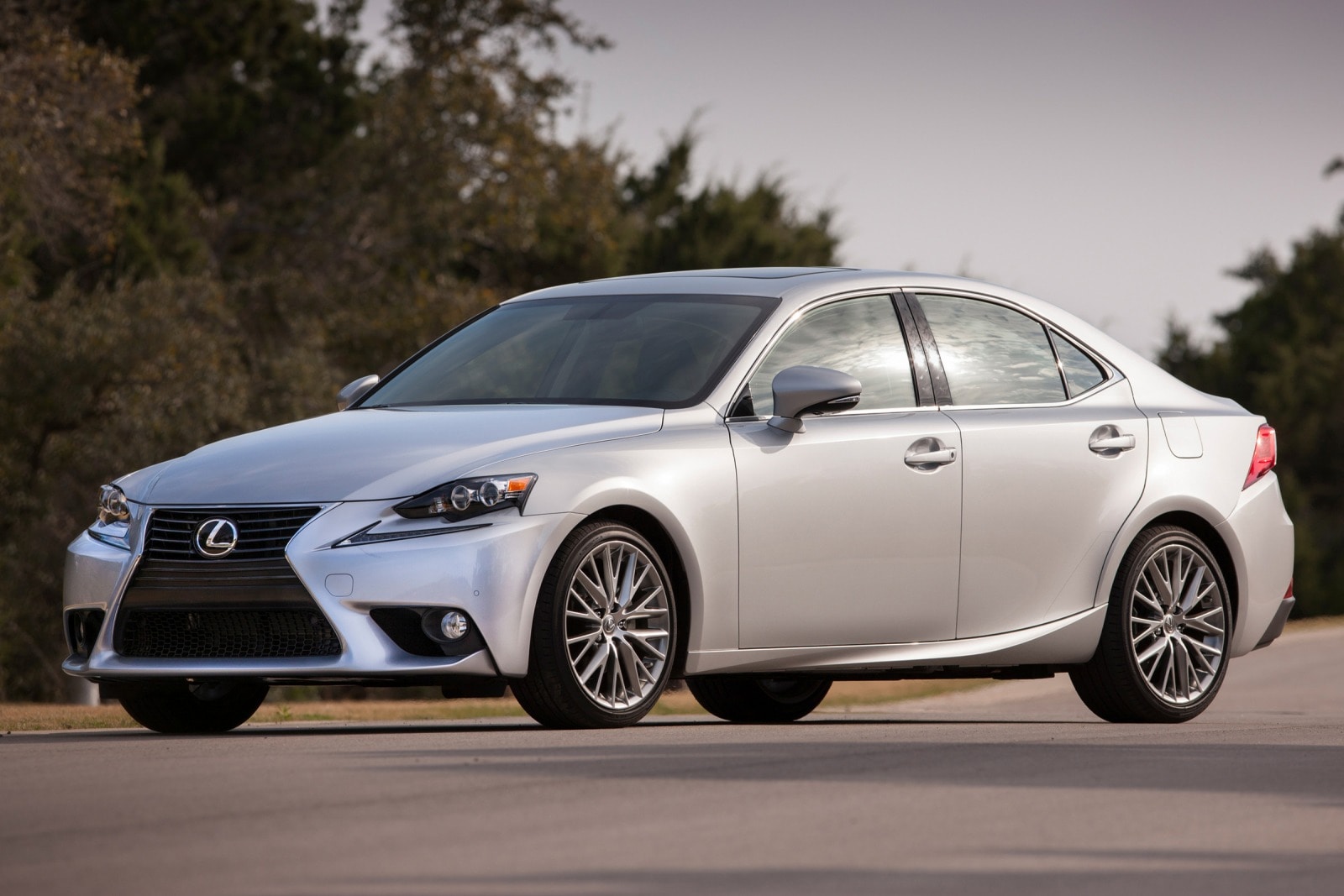
Credit: www.edmunds.com
Frequently Asked Questions
Why Do Lexus Is 250 Tires Differ In Size?
The Lexus IS 250 uses staggered tire sizes for better performance. Larger rear tires enhance traction and stability. This setup improves handling and cornering. It also adds a sporty aesthetic. Different tire sizes help balance the vehicle’s weight distribution. This ensures optimal driving experience and safety.
What Benefits Do Staggered Tire Sizes Offer?
Staggered tires enhance traction and handling. This setup improves cornering performance and stability. Larger rear tires provide better grip. This results in a sportier driving experience. It also helps balance the car’s weight distribution. Staggered tires contribute to both performance and aesthetic appeal.
Are Staggered Tires Common In Luxury Vehicles?
Yes, staggered tires are common in luxury and performance vehicles. They enhance handling and stability. This setup improves traction during acceleration. It also contributes to a sportier appearance. Many luxury brands use staggered tires to optimize driving dynamics. This configuration is popular for enhancing vehicle performance.
Can I Change To Non-staggered Tires?
Switching to non-staggered tires is possible but not recommended. It may affect handling and stability. Non-staggered tires can alter the vehicle’s performance dynamics. Always consult a professional before making changes. Ensure any tire modifications are compatible with your vehicle. Proper guidance ensures safety and performance.
Conclusion
Tire sizes on the Lexus IS 250 vary for safety and performance. Different sizes help with handling and road grip. The front and rear tires work together for smooth driving. Choosing the right size keeps your car balanced and steady.
Always check your car manual before buying new tires. Proper tires improve fuel efficiency and ride comfort. Understanding tire sizes helps you care for your Lexus better. It’s simple but important for a safe drive every time.