Is your air conditioner struggling to keep your home cool no matter how low you set the temperature? You’re not alone.
When your AC can’t keep up, it’s more than just uncomfortable—it can be frustrating and expensive. But why does this happen? What’s behind your air conditioner’s constant battle against the heat? You’ll discover the common reasons your AC is falling short and, more importantly, what you can do to fix it.
Keep reading to take control of your comfort and stop sweating through the hottest days.
Credit: goduganair.com
Common Reasons For Ac Struggles
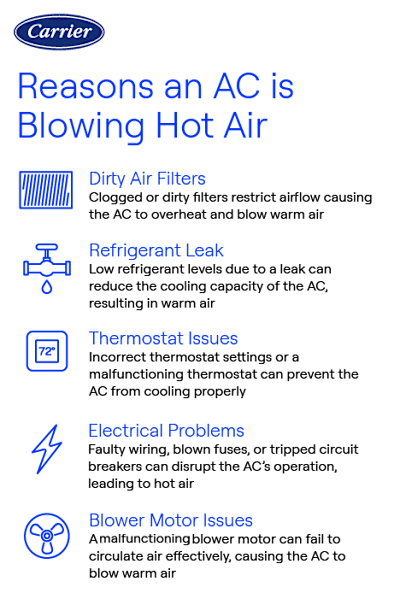
Dirty air filtersblock airflow. This makes the AC work harder and cool less.
Low refrigerant levelsreduce cooling power. Leaks can cause this problem.
Faulty thermostatcan give wrong temperature readings. The AC may run too long or stop early.
Blocked condenser unitstops heat from leaving the system. Dirt or debris often cause this.
Inadequate insulationlets warm air inside. The AC must cool more, which is tough.
Impact Of Size And Capacity
Undersized air conditionersstruggle to cool large spaces. They run constantly but fail to reach the desired temperature. This overwork raises energy bills and shortens the unit’s life. Rooms stay warm, and the AC wears out faster.
Oversized unitscool rooms quickly but cycle on and off too often. This causes uneven cooling and poor humidity control. Short cycles waste energy and cause wear and tear. The room feels cold in one spot but warm in another.
| Issue | Effect |
|---|---|
| Undersized Unit | Runs constantly, high energy use, poor cooling |
| Oversized Unit | Short cycles, uneven cooling, poor humidity control |
Maintenance Tips To Boost Performance
Regular filter replacement keeps air flowing well and stops dust build-up. Dirty filters block air and make the unit work harder. Change filters every 1-3 months for best results.
Cleaning the condenser removes dirt and debris from outside. This helps the unit cool better and saves energy. Use a garden hose to gently rinse the coils and clear away leaves or grass.
| Maintenance Task | Purpose | Frequency |
|---|---|---|
| Checking Refrigerant Levels | Ensures enough cooling power | Yearly |
| Thermostat Calibration | Keeps temperature accurate | Annually or as needed |
Credit: www.carrier.com
When To Call A Professional
Persistent cooling problemsoften mean your air conditioner needs expert help. It may struggle to cool the room or run constantly without lowering the temperature. This can waste energy and raise bills.
Strange noises or smellsare signs of trouble. Buzzing, rattling, or hissing sounds are not normal. Foul odors could mean mold or electrical issues. Do not ignore these warnings.
Electrical problemslike tripped breakers or frequent power surges can damage your unit. Flickering lights or burning smells near the AC require immediate attention. A professional can safely check and fix these issues.
Energy Efficiency And Cost Savings
Energy Star unitsuse less power and cool better. They save money on bills over time. These units meet strict government rules for energy use.
Smart thermostatshelp control temperature easily. They learn your schedule and adjust cooling. This saves energy and keeps your home comfy.
Sealing cracks and adding insulation stops cool air from escaping. This keeps your home cooler for longer. It also reduces the work your air conditioner must do.

Credit: www.youtube.com
Frequently Asked Questions
Why Is My Ac Not Cooling Properly?
Your air conditioner might not cool properly due to clogged filters or refrigerant leaks. Dirty filters reduce airflow and efficiency. Refrigerant issues impact cooling performance. Regular maintenance and timely filter changes ensure effective operation. Check for leaks and consult a professional if needed.
This keeps your AC running smoothly and efficiently.
How Often Should Ac Filters Be Changed?
AC filters should be changed every 1-3 months for optimal performance. Dirty filters restrict airflow and cause inefficiency. Regular replacement ensures better air quality and cooling. Homes with pets or allergies may require more frequent changes. Timely filter changes can prolong your air conditioner’s lifespan and maintain efficiency.
What Causes An Ac To Freeze Up?
An AC can freeze up due to low refrigerant levels or poor airflow. Blocked vents or dirty filters are common culprits. Regular maintenance helps prevent freezing issues. Ensure your system is leak-free and filters are clean. Professional inspection can resolve persistent freezing problems, ensuring efficient cooling.
How Does Insulation Affect Ac Performance?
Insulation plays a crucial role in AC performance by minimizing heat gain or loss. Poor insulation makes your AC work harder, reducing efficiency. Proper insulation maintains indoor temperature, reducing energy consumption. Inspect and upgrade insulation for better cooling efficiency. This can lead to reduced energy bills and enhanced comfort.
Conclusion
An air conditioner that struggles can make summer tough. Check filters, vents, and thermostat settings first. Dirty filters or blocked vents often cause poor cooling. Also, old or low refrigerant levels reduce performance. Small fixes can help your AC work better.
Regular maintenance keeps your system running smoothly. Don’t wait until it breaks down completely. Stay cool by taking simple steps today. Your comfort matters, so act now.