Have you ever been caught in the middle of a hot day, only to find your air conditioner suddenly stopped working? It’s frustrating, uncomfortable, and can leave you wondering what went wrong.
You rely on your AC to keep your home cool and cozy, so when it fails, it feels like everything comes to a halt. But don’t worry—you’re not alone, and there are simple reasons why this happens. You’ll discover the most common causes behind a broken air conditioner and learn easy steps to get it back up and running quickly.
Keep reading to stay cool and avoid future breakdowns.
Credit: www.angi.com
Common Reasons For Ac Failure
Power supply issuesoften cause AC units to stop working. Check if the unit is properly plugged in or if the circuit breaker has tripped. A faulty power connection can prevent the AC from turning on.
Thermostat problemscan stop the AC from cooling. Sometimes, the thermostat is set incorrectly or its batteries are dead. A broken thermostat may not signal the AC to start.
Dirty air filtersblock airflow and reduce cooling. Filters should be cleaned or replaced regularly. Clogged filters make the AC work harder and can cause it to fail.
Refrigerant leaksreduce cooling power. Low refrigerant means the AC cannot cool the air properly. Leaks need to be fixed by a professional to restore performance.
Frozen evaporator coilsstop heat exchange. Ice buildup forms when airflow is low or refrigerant is low. This prevents the AC from cooling effectively.
Faulty compressormeans the AC cannot compress the refrigerant. This part is vital for cooling. A broken compressor often requires replacement.
Drainage problemscause water to back up inside the unit. A clogged drain line or pan can lead to leaks and damage. Regular cleaning helps avoid these issues.

Credit: www.youtube.com
Troubleshooting Steps
Check if the air conditioner has power and the thermostat is set correctly. Inspect filters and vents for blockages that may stop airflow. Look for any visible damage or unusual noises indicating mechanical issues.
Checking The Power Source
Make sure the air conditioner is plugged in properly. Check the circuit breaker to see if it has tripped. A loose or broken power cord can stop the unit from working. Sometimes, a simple reset can restore power.
Inspecting The Thermostat Settings
Confirm the thermostat is set to “cool” mode. The temperature setting should be lower than the room temperature. Faulty or dead batteries in the thermostat can cause issues. Replace batteries if needed.
Cleaning Or Replacing Air Filters
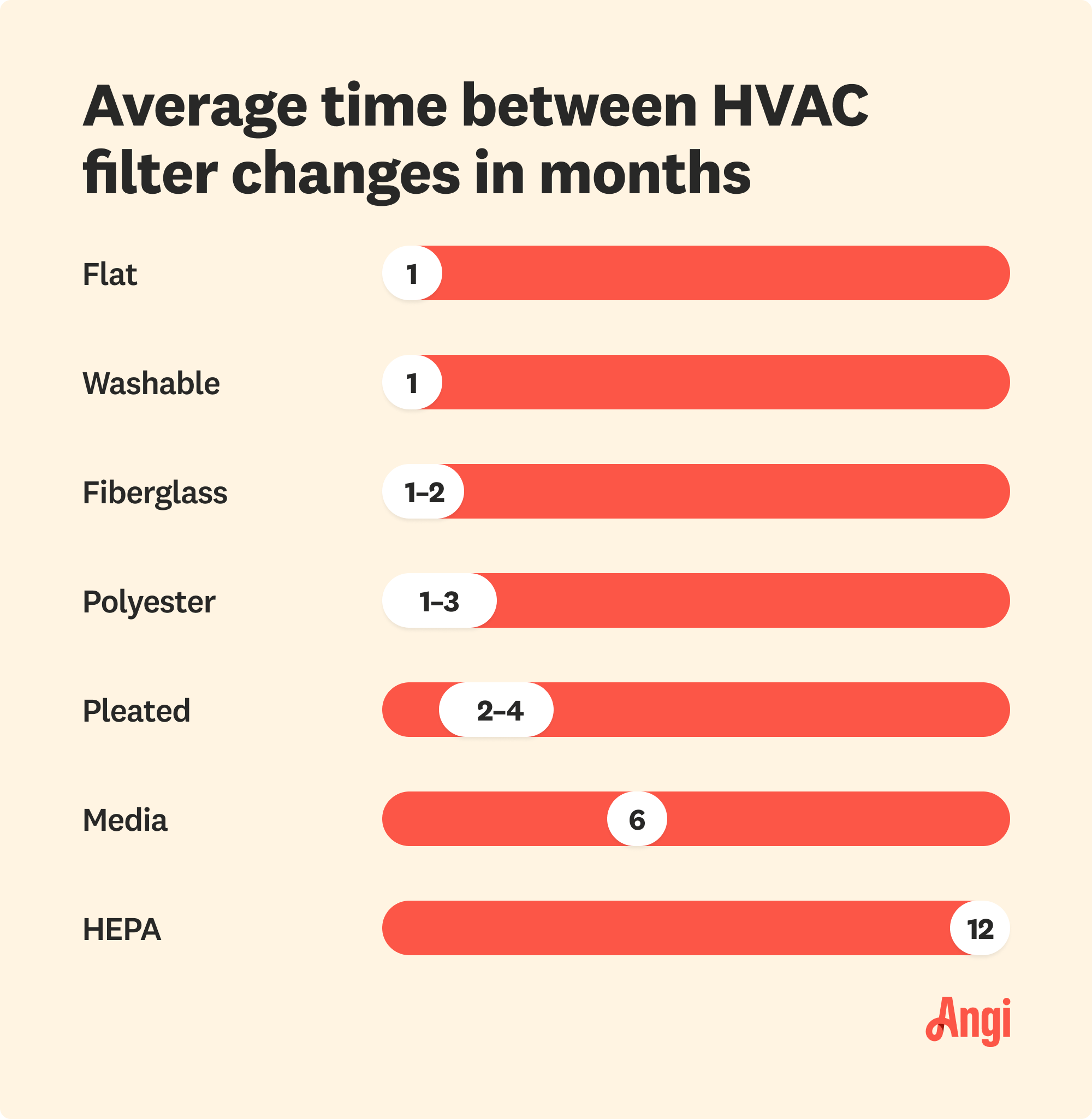
Dirty filters block airflow and reduce cooling. Clean reusable filters or replace disposable ones. Check filters every month during heavy use. Clean filters help the system work efficiently.
Examining Refrigerant Levels
Low refrigerant means poor cooling. Only a professional can check and refill refrigerant safely. Signs of low refrigerant include ice on coils or warm air blowing out.
Unfreezing The Coils
Frozen coils stop air conditioners from cooling. Turn off the system and let it thaw. Blocked airflow or low refrigerant often causes freezing. Make sure air filters are clean.
Testing The Compressor
The compressor is the heart of the system. If it doesn’t run, the AC won’t cool. Strange noises or no sound at all may mean a compressor problem. Call a technician to inspect.
Clearing The Drain Line
Clogged drain lines cause water leaks and damage. Use a wet/dry vacuum or a pipe cleaner to clear blockages. Regular cleaning prevents water buildup and mold growth.
Diy Fixes For Common Issues
Resetting circuit breakersoften restores power to your AC unit. Locate the breaker box and switch off the AC breaker. Wait a few seconds, then switch it back on. This can fix power supply issues quickly.
Calibrating the thermostatensures the AC cools to the right temperature. Check if the thermostat’s reading matches room temperature. Adjust settings if needed to help the unit work properly.
Replacing air filtersimproves airflow and cooling. Dirty filters block air and make the AC work harder. Swap old filters with clean ones every 1-3 months for best results.
Simple refrigerant maintenancekeeps the AC cooling well. Check for leaks or low refrigerant levels. A certified technician can refill refrigerant safely if needed.
Thawing frozen coilscan fix cooling problems. Turn off the AC and let coils thaw naturally. Frozen coils often happen due to low airflow or dirty filters.
Clearing drainage blockagesprevents water damage and mold. Check the drain line for clogs. Use a wet/dry vacuum or a pipe cleaner to remove blockages.

Credit: www.webstaurantstore.com
When To Call A Professional
Handling refrigerant requires special tools and knowledge. Refrigerants can be harmful if leaked. Professionals have the right equipment to manage it safely. Do not try to fix leaks or add refrigerant alone.
Compressor replacement is a complex task. It involves removing and installing heavy parts. Only trained technicians should handle this to avoid damage or injury. Proper installation ensures your air conditioner runs well again.
Electrical component repairs need careful attention. Faulty wires or controls can cause more damage or fire risks. Experts can test and fix these parts safely. Avoid touching electrical components without proper skills.
Complex diagnostic needs require expert tools and experience. Problems like strange noises or no cooling need detailed checks. Professionals use special devices to find hidden issues. Early diagnosis can save money and improve comfort.
Preventive Maintenance Tips
Changing air filters often keeps the air clean and the system working well. Dirty filters block airflow and make the unit work harder.
Seasonal checks help catch small problems early. A quick inspection can save money and stop big breaks.
Drain lines must stay clear to prevent water damage. Blocked lines cause leaks and mold growth.
Refrigerant levels need monitoring. Low refrigerant means the system cools less and uses more energy.
Outdoor units should be free from leaves, dirt, and debris. A clean unit cools better and lasts longer.
Frequently Asked Questions
Why Is My Air Conditioner Not Cooling?
If your air conditioner isn’t cooling, check the thermostat settings first. Ensure it’s set to “cool” mode. Clean or replace dirty air filters to improve airflow. Also, inspect the outdoor unit for obstructions or debris. If the problem persists, consult a professional technician for further diagnosis.
What Causes Ac To Suddenly Stop Working?
An air conditioner may suddenly stop due to a tripped circuit breaker or blown fuse. Check the power supply and reset the breaker if needed. Faulty thermostat wiring or a malfunctioning compressor can also cause this issue. Regular maintenance helps prevent sudden failures and keeps your AC running efficiently.
How Do I Reset My Air Conditioner?
To reset your air conditioner, locate the reset button on the outdoor unit. Turn off the power supply to the unit. Press and hold the reset button for 3-5 seconds. Release the button and restore power to the unit. This simple reset can resolve minor issues with your AC system.
Can A Dirty Filter Cause Ac Problems?
Yes, a dirty filter can restrict airflow and cause your AC to work inefficiently. This may lead to inadequate cooling or even system failure. Regularly replace or clean filters every 1-3 months, depending on usage. This simple maintenance step can prevent many common air conditioning problems.
Conclusion
An air conditioner stops working for many reasons. Checking simple issues first can save time and money. Sometimes, a clogged filter or power problem causes the trouble. Regular maintenance helps keep the unit running well. Calling a professional can fix complex problems safely.
Don’t ignore small signs of trouble. A working air conditioner keeps your home cool and comfortable. Taking quick action prevents bigger repairs later. Stay aware and act fast to enjoy cool air all summer.