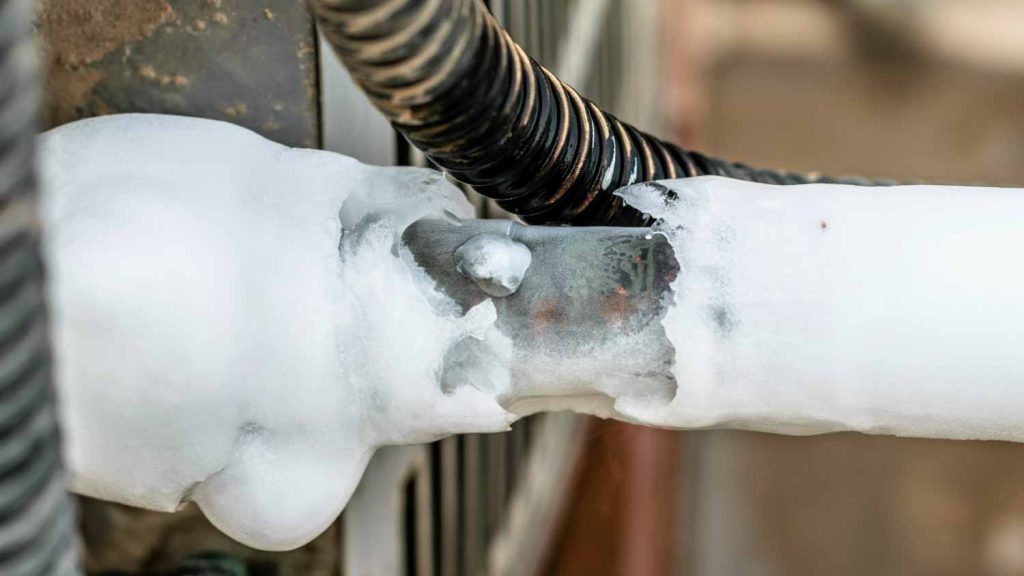
Have you ever wondered why your AC pipes freeze, especially when you need them the most? You’re not alone.
This common issue can leave you sweating in frustration, but understanding the reasons behind it is the first step to finding a solution. Imagine this: it’s a scorching summer day, and all you want is a cool breeze indoors. But instead, you find your air conditioner struggling, with frozen pipes disrupting your comfort.
Intrigued? You should be. Unraveling the mystery of why AC pipes freeze could save you from future headaches and costly repairs. Let’s dive deep into the causes and solutions, so you can keep your cool all summer long.
Reasons Ac Pipes Freeze
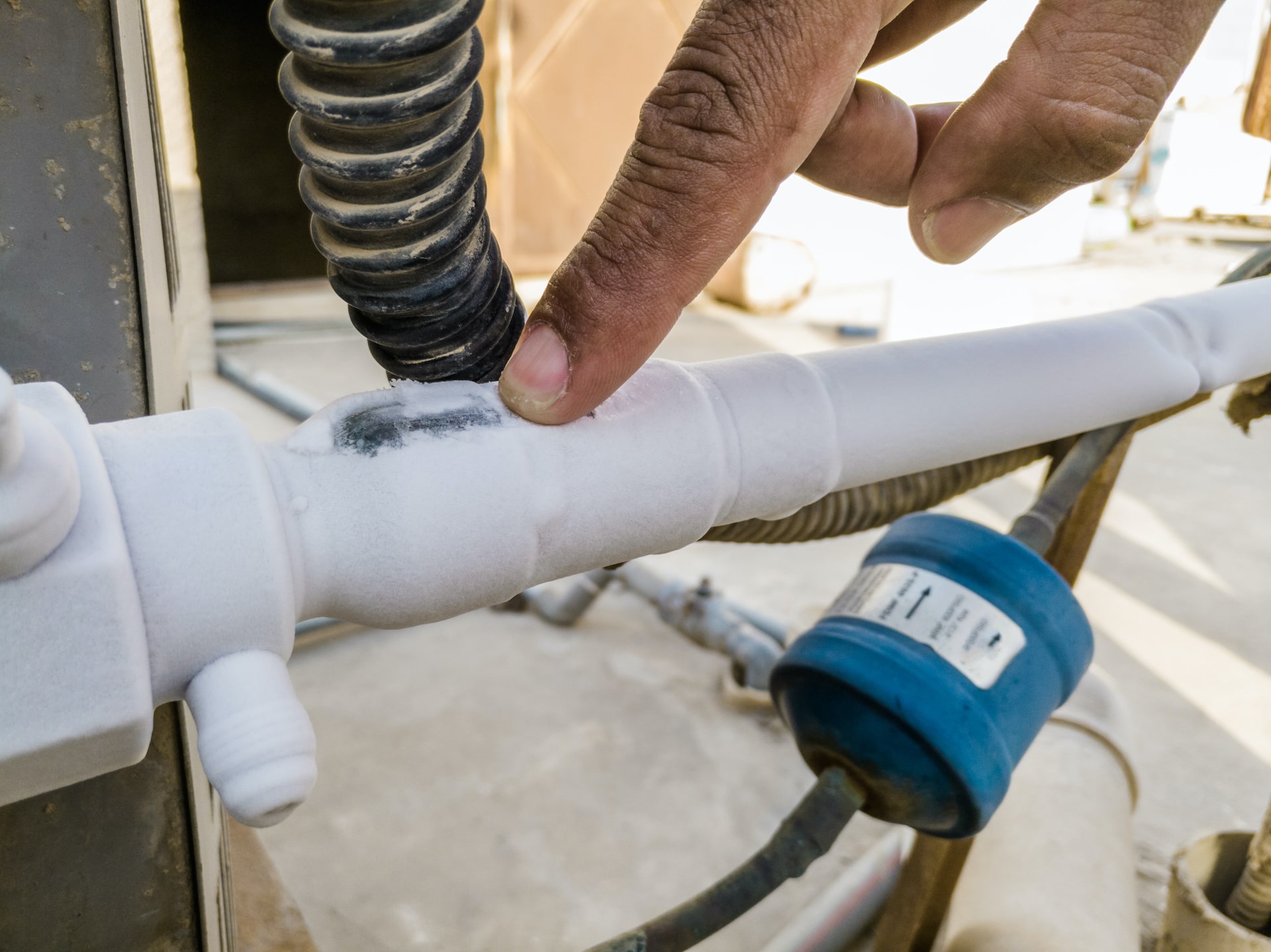
AC pipes freeze for several common reasons. Understanding these helps prevent damage. Frozen pipes reduce cooling and may cause costly repairs. Identifying the cause quickly saves time and money.
Low Refrigerant Levels
Refrigerant cools the air inside the AC system. Low refrigerant causes the pressure to drop. This drop leads to freezing on the pipes. Leaks or improper charging often cause low levels.
Poor Airflow
Airflow moves warm air over the AC coils. Blocked vents or closed registers reduce airflow. Without enough warm air, the pipes get too cold. This causes condensation to freeze on them.
Thermostat Issues
A malfunctioning thermostat can cause the AC to run too long. Continuous running lowers pipe temperatures. Pipes freeze because the system does not cycle off. Faulty sensors or wrong settings often cause this.
Dirty Air Filters
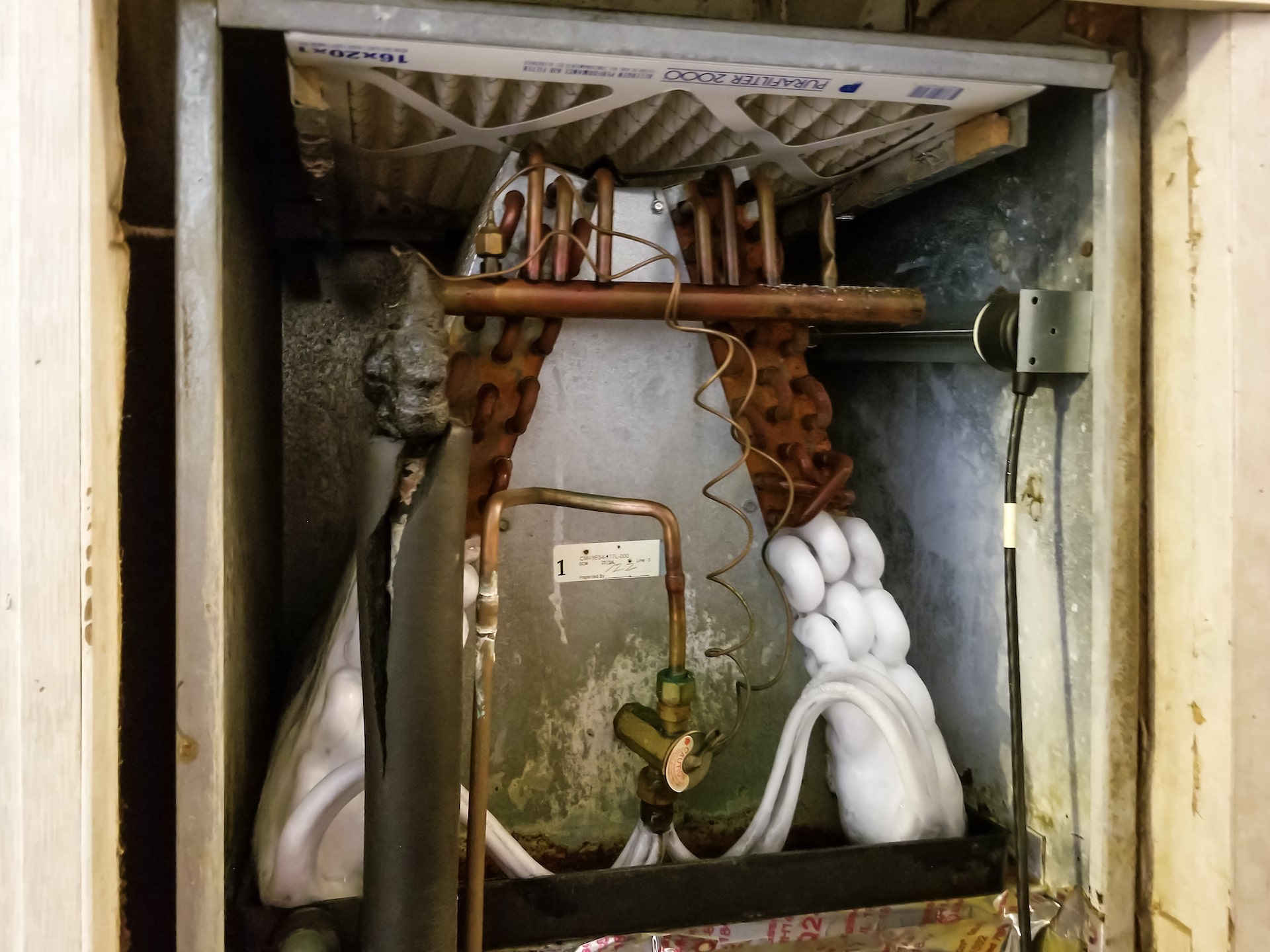
Clogged filters block airflow inside the AC unit. Less air passing over coils causes cooling below freezing. Ice forms on the pipes due to cold temperatures. Regular filter cleaning prevents this problem.
Blocked Drainage
Drainage removes moisture from the AC system. Blocked drains cause water buildup around pipes. This water freezes and forms ice layers. Clearing the drainage keeps pipes dry and ice-free.
Credit: www.topnotchheatingandair.com
Dangers Of Frozen Pipes
Frozen AC pipes cause more than just inconvenience. They bring serious risks that affect your home and wallet. Recognizing these dangers helps you act fast and protect your system.
System Damage
Ice inside pipes expands, causing cracks or bursts. These damages lead to costly repairs or full system replacements. Frozen pipes can stop your AC from working properly. Continuous freezing harms internal components, reducing lifespan.
Reduced Efficiency
Frozen pipes restrict refrigerant flow, making the system work harder. This strain lowers cooling performance and causes uneven temperatures. Your AC struggles to maintain comfort, resulting in discomfort during hot days.
Increased Energy Bills
When the system works harder, it uses more electricity. Frozen pipes make your AC run longer cycles. This extra usage raises monthly energy costs significantly. Paying more for cooling is a common hidden cost of frozen pipes.
Water Leaks And Mold
Thawing frozen pipes often leads to leaks inside walls or ceilings. Water damage promotes mold growth, which harms health and property. Mold spreads quickly and is difficult to remove. Ignoring frozen pipes invites these costly and unhealthy problems.
Quick Fixes For Frozen Pipes
Frozen AC pipes can bring your cooling system to a halt and cause unwanted damage. Acting quickly can save you time and money while preventing further issues. Here are practical steps you can take right away to address frozen pipes and get your AC running smoothly again.
Turn Off The Ac
The first thing you should do is switch off your air conditioner. Running the AC while pipes are frozen can cause more ice buildup and harm the compressor. Turning it off stops the cooling cycle, allowing the ice inside the pipes to begin melting safely.
Use Warm Towels
Applying warm towels to the frozen pipes helps melt the ice gradually. Avoid using boiling water or direct heat sources like hairdryers, as they can damage the pipes. Instead, soak towels in warm water, wring them out, and wrap them around the affected areas, replacing them as needed.
Check And Replace Filters
Dirty or clogged filters reduce airflow and can lead to freezing issues. Take a moment to inspect your AC filters and replace them if they look grimy. Clean filters improve air circulation and reduce the chances of your pipes freezing again.
Clear Air Vents
Blocked or closed air vents limit airflow, causing the evaporator coil to get too cold and freeze up. Make sure all vents are open and unobstructed by furniture or curtains. Good airflow helps maintain the right temperature and prevents ice buildup on the pipes.
Inspect Refrigerant Levels
Low refrigerant can cause your AC to freeze pipes because the system struggles to cool properly. If you notice persistent freezing after trying quick fixes, it’s wise to have a professional check refrigerant levels. Maintaining the correct amount ensures your AC runs efficiently without freezing up.
Credit: www.topnotchheatingandair.com
Preventing Future Freezing
Preventing your AC pipes from freezing is important for keeping your system healthy. Frozen pipes can cause damage and reduce cooling efficiency. Simple steps help avoid ice buildup. Taking care of your AC regularly keeps it working smoothly and stops freezing problems.
Regular Maintenance
Check your AC system often. Clean the coils and pipes to remove dirt. Dirt blocks air and causes cold spots. Look for leaks or damaged parts and fix them quickly. Scheduling professional check-ups helps catch issues early. Well-maintained systems run better and stay frost-free.
Proper Thermostat Settings
Set your thermostat to a balanced temperature. Avoid very low settings that force the AC to work too hard. Keep the temperature steady to prevent sudden freezes. Use programmable thermostats to control cooling times. Proper settings reduce stress on pipes and stop ice from forming.
Ensuring Good Airflow
Good airflow is key to stopping pipe freezing. Keep vents and registers open and clear of furniture. Blocked air causes cold air to build up in pipes. Use fans to move air in rooms with poor circulation. Clean air ducts to remove dust and debris. Airflow helps pipes stay warm and dry.
Timely Filter Replacement
Change your AC filters regularly. Dirty filters block air and reduce airflow. This causes pipes to get too cold and freeze. Use the right filter type for your system. Mark calendar reminders to replace filters every 1-3 months. Clean filters keep air moving and prevent ice buildup.

Credit: www.reddit.com
Frequently Asked Questions
Why Do Ac Pipes Freeze In Cold Weather?
AC pipes freeze when moisture in the air condenses on cold pipes. Low refrigerant levels or blocked airflow cause pipes to get colder than usual, leading to ice formation. This blocks the AC system, reducing efficiency and possibly damaging components.
Can Low Refrigerant Cause Ac Pipe Freezing?
Yes, low refrigerant reduces pressure in the AC system. This causes the evaporator coil and pipes to get too cold. When air flows over these cold surfaces, moisture freezes, causing the pipes to ice up and block airflow.
How Does Poor Airflow Lead To Frozen Ac Pipes?
Poor airflow restricts warm air reaching the evaporator coil. Without enough warm air, the coil and connected pipes become too cold. Moisture then freezes on these surfaces, causing ice buildup and reducing the AC’s cooling efficiency.
What Happens If Ac Pipes Stay Frozen Too Long?
Frozen AC pipes can cause serious damage. Ice buildup restricts airflow, forcing the system to work harder. This can lead to compressor failure, increased energy bills, and costly repairs if not addressed promptly.
Conclusion
Frozen AC pipes happen when cold air meets moisture. This causes ice to build up and block airflow. Poor insulation and low refrigerant levels also cause freezing. Fixing these issues keeps your AC running smoothly. Regular care helps avoid frozen pipes and costly repairs.
Watch for signs like weak airflow or strange noises. Acting quickly saves time and money. Stay aware and keep your AC healthy all year.