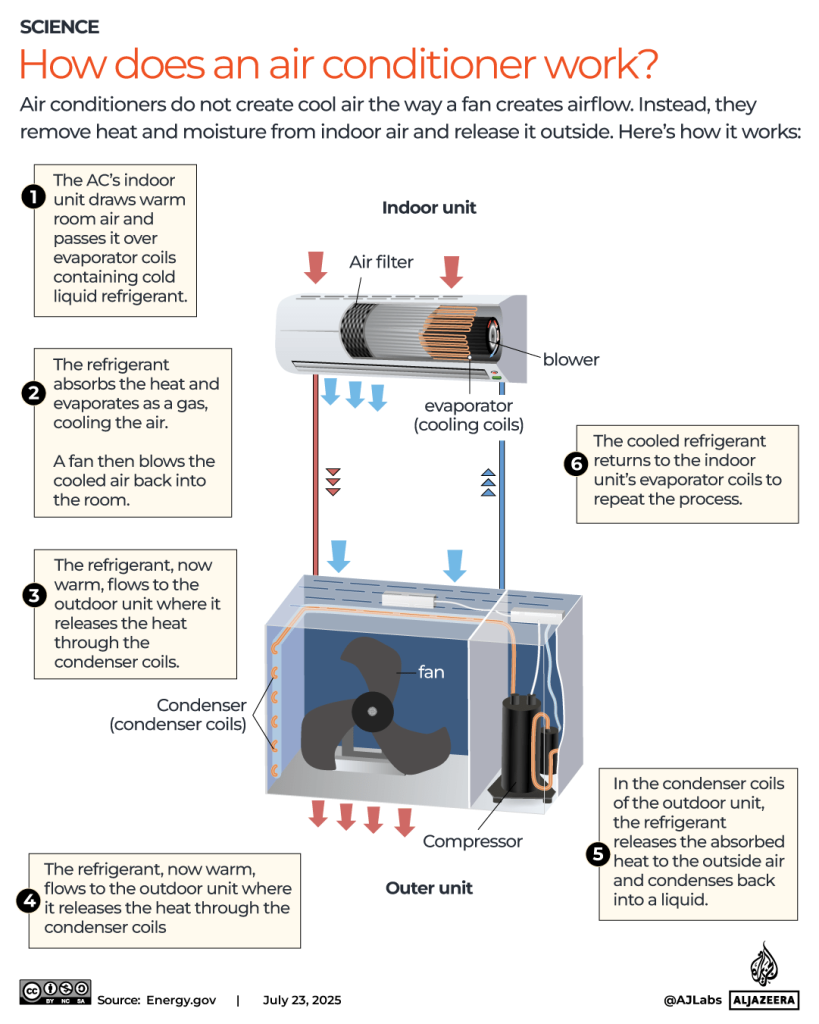
Have you ever wondered why your air conditioner sometimes pulls in air from outside? It’s not just about cooling the air inside your home.
Bringing outside air in plays a crucial role in keeping your space fresh, healthy, and comfortable. Understanding this simple but important reason can help you appreciate how your AC works and why proper ventilation matters. Keep reading to discover why outside air is essential for your air conditioner and how it affects your indoor environment.

Credit: www.evapolar.com
Role Of Outside Air In Air Conditioning
Outside airhelps bring fresh air inside. It replaces stale airand keeps rooms feeling clean. This is called air exchangeor ventilation.
Without fresh air, indoor spaces can feel stuffy and unhealthy. Pollutants and odors build up. Outside air dilutesthese problems and helps maintain good indoor air quality.
- Prevents buildup of carbon dioxideand odors
- Keeps air feeling freshand clean
- Reduces risk of moldand allergens
- Helps ventilatespaces for comfort
How Air Conditioners Use Outside Air
Air conditioners need outside airto keep indoor spaces healthy. They bring in fresh air through special intake mechanisms. This air mixes with indoor air to improve quality and remove stale smells.
Balancing temperature and humidityis key. Outside air helps control moisture levels inside. It prevents rooms from feeling too dry or too damp. This balance makes rooms more comfortable.
Energy efficiencyis important too. Bringing in outside air uses more energy, so systems try to use just enough. Some air conditioners recycle indoor air to save power while still adding fresh air.
Consequences Of Lack Of Outside Air
Air conditioners need outside air to prevent stale indoor air and reduce moisture. Without fresh air, rooms can feel stuffy and damp, causing discomfort and poor air quality.
Poor Air Quality Effects
Without fresh outside air, indoor air becomes stale and unhealthy. Pollutants, dust, and odors build up inside. This can cause headaches, tiredness, and breathing problems. Fresh air helps remove these harmful particles and keeps the air clean.
Increased Moisture And Mold Risks
Air conditioners need outside air to control moisture. Without it, moisture stays trapped indoors. This creates a perfect place for mold to grow. Mold causes bad smells and health issues, especially for people with allergies or asthma.
Reduced System Performance
Lack of outside air forces the AC to work harder. It struggles to cool and remove humidity properly. This leads to higher energy bills and more frequent repairs. Proper ventilation helps the AC run smoothly and saves money.

Credit: blog.nycm.com
Design Variations In Air Conditioning Systems
Split systems cool air in one part of the building and move it inside. They usually do not use fresh outside air. Central systems bring in outside air to keep rooms fresh and cool. This helps remove bad smells and moisture.
Ventilation-integrated units mix fresh air with cooled air inside. This keeps air clean and healthy. It also helps control humidity and temperature better.
| System Type | Outside Air Use | Key Feature |
|---|---|---|
| Split Systems | Usually no | Cools air from inside only |
| Central Systems | Yes | Brings in fresh outside air |
| Ventilation-Integrated Units | Yes | Mixes fresh air with cooled air |
Heat Recovery Ventilators (HRVs) save energy by moving heat between incoming and outgoing air. This keeps homes warm or cool without wasting energy.
Tips For Optimizing Outside Air Usage
Regular maintenance keeps the air conditioner working well. Cleaning filters and checking ducts stop dirt build-up. This helps fresh air flow in easily.
Air quality sensors detect dust and pollution outside. They help the system decide how much outside air to bring in. This keeps the indoor air clean and healthy.
Adjusting airflow settings controls how much outside air enters. Too much can waste energy. Too little can make rooms stuffy. Balance is key for comfort and savings.
Credit: cool-off.com
Frequently Asked Questions
Why Do Air Conditioners Need Outside Air?
Air conditioners need outside air for ventilation and cooling efficiency. This fresh air helps prevent overheating and maintains optimal indoor air quality. By circulating outside air, air conditioners can also reduce humidity levels indoors, creating a more comfortable environment.
How Does Outside Air Improve Cooling Efficiency?
Outside air helps dissipate excess heat generated by the air conditioning unit. This process enhances the cooling efficiency by allowing the system to maintain a consistent temperature, reducing energy consumption and ensuring longer-lasting performance.
Is Outside Air Necessary For All Air Conditioners?
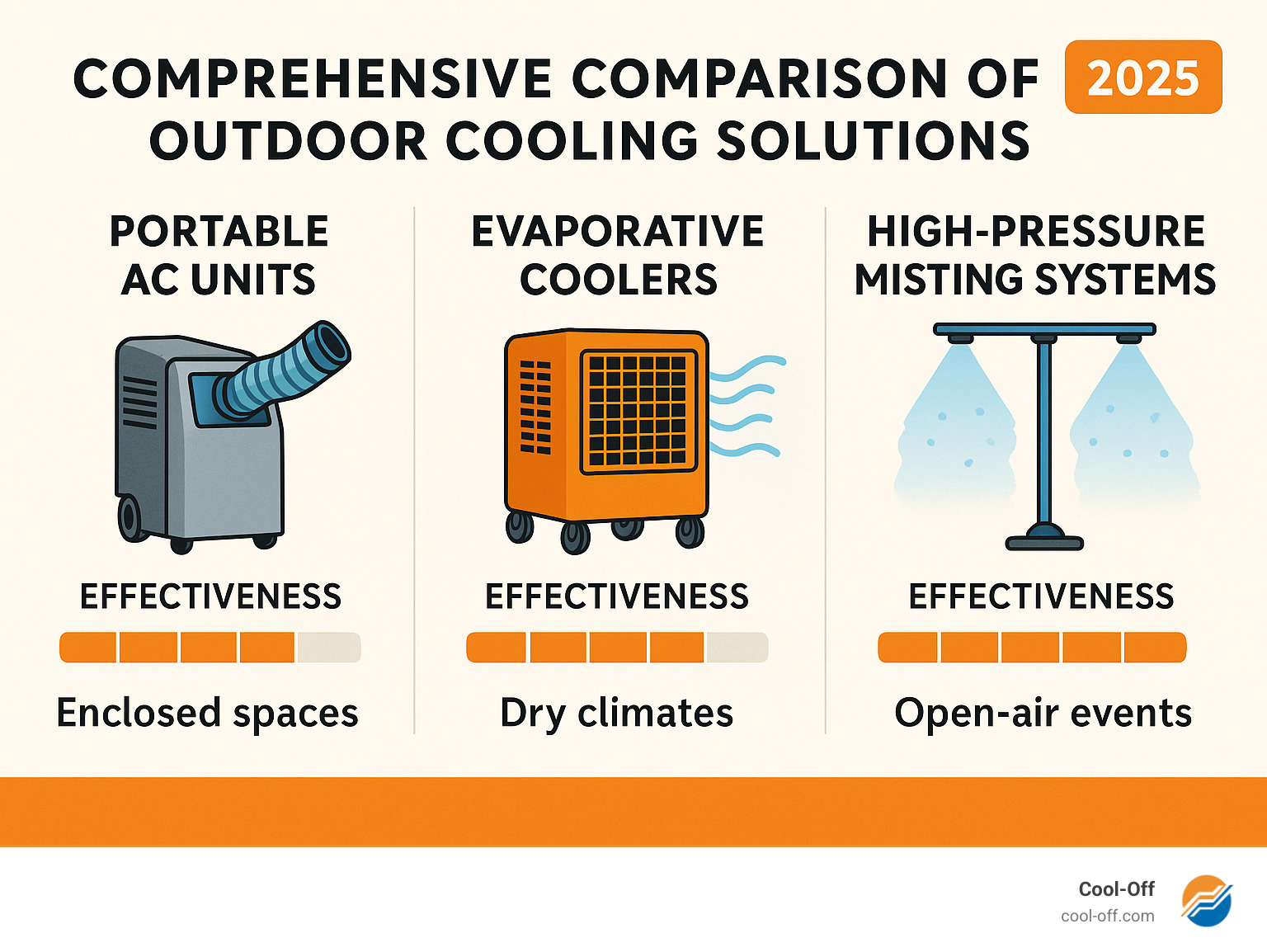
Not all air conditioners require outside air, but many systems benefit from it. Central air conditioning systems and some window units often use outside air to improve performance and indoor air quality, whereas portable units may not need it.
Can Air Conditioners Work Without Outside Air?
Yes, air conditioners can function without outside air, but their efficiency may decrease. Without outside air, the system can overheat, leading to higher energy consumption and reduced cooling performance, impacting overall indoor comfort.
Conclusion
Air conditioners need outside air to work well and stay healthy. This air helps remove heat and keeps the system from getting too hot. Without fresh air, the unit may use more energy and wear out faster. Clean outside air also improves indoor air quality.
Remember, proper ventilation makes your space cooler and safer. Keep your air conditioner breathing easy for best comfort and efficiency. Simple steps like allowing fresh air can save money and extend your AC’s life.