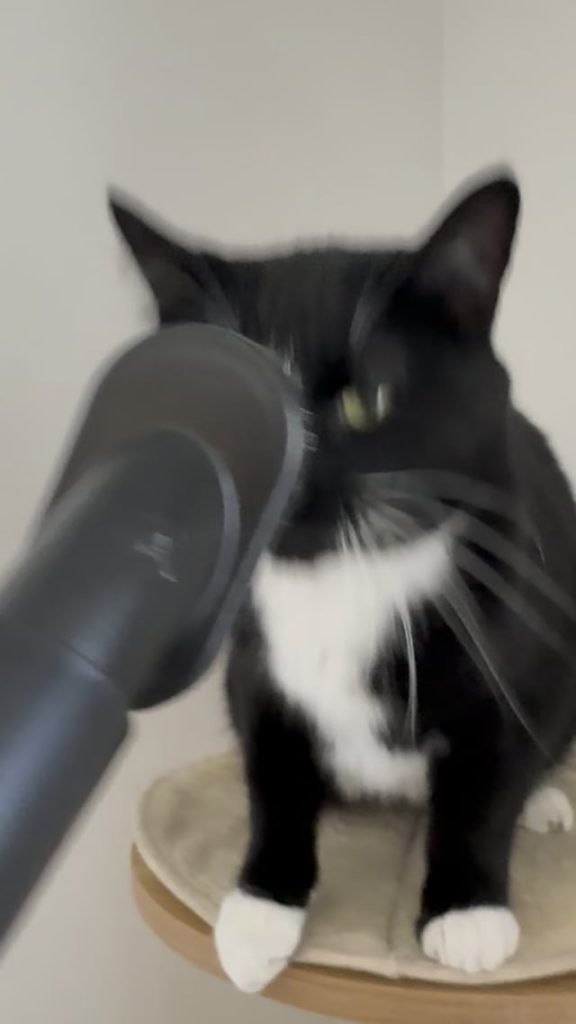
Have you ever noticed your cat darting under the bed or scaling the curtains as soon as you power up your vacuum cleaner? If you’re a cat owner, this scene might be all too familiar.
While some pets might simply watch from a distance, cats often seem to have an intense dislike, or even fear, of vacuums. But why is that? Understanding this curious behavior not only satisfies your curiosity but can also enhance your relationship with your feline friend.
By delving into the reasons behind this common cat reaction, you can make cleaning time less stressful for both you and your furry companion. Curious to find out the secrets behind your cat’s aversion? Let’s explore the fascinating reasons why your cat might see the vacuum as its arch-nemesis and how you can help them feel more at ease.
Noise Sensitivity
Cats have very sharp hearing. Noise can affect them much more than it does humans. Vacuums produce sounds that are loud and strange. This can make cats feel scared or stressed. Understanding their noise sensitivity helps explain why vacuums bother them so much.
High-frequency Sounds
Cats hear higher frequencies than humans. Vacuums often emit these high-pitched noises. These sounds can be uncomfortable or painful for cats. Their sensitive ears pick up small noises that humans do not notice. This makes the vacuum sound much louder and more disturbing to them.
Impact On Cat’s Hearing
Loud and continuous noise can overwhelm a cat’s hearing. It may cause them to cover their ears or run away. The vacuum’s roar can feel like a threat. This triggers their natural fight-or-flight response. Cats try to avoid these noises to protect their sensitive ears.
Unfamiliar Movement
Cats are creatures of habit and often dislike anything new or strange. The way a vacuum moves is very different from most objects cats see daily. This unfamiliar movement can make cats feel uneasy or scared. Their eyes catch quick shifts and strange angles, causing confusion and stress.
Sudden And Erratic Motions
Vacuum cleaners do not move smoothly or predictably. They start, stop, and change directions fast. This sudden motion can surprise cats. Their natural instinct is to be cautious of anything that moves unpredictably. These jerky movements make cats unsure if the vacuum is a threat or just a strange object.
Triggering Flight Response
When cats see erratic movement, their brain signals danger. This triggers their flight response. Cats may quickly run away or hide to protect themselves. The vacuum’s fast and strange moves cause this strong reaction. It is a natural defense to avoid harm from unknown threats.
Vibration Discomfort
Vibration discomfort is a major reason why cats often react so negatively to vacuums. The intense shaking and buzzing sensations created by a vacuum cleaner can overwhelm a cat’s sensitive body. This discomfort is not just noise-related; it’s a physical sensation that can make your cat feel uneasy or even threatened.
Sensitive Paw Pads
Cats have extremely sensitive paw pads filled with nerve endings. These pads help them sense textures and vibrations in their environment. When a vacuum runs nearby, the vibrations travel through the floor and directly into their paws, causing an uncomfortable tingling or even pain.
Your cat might try to avoid the vacuum simply because it can’t escape this unpleasant sensation. Have you noticed your cat lifting its paws or retreating whenever the vacuum is turned on? That’s their way of protecting these sensitive areas.
Disturbance Through Floor
The vibrations from a vacuum cleaner don’t just stay in the machine—they spread through the floor and into the surrounding area. This means your cat feels the rumble even if they’re not right next to the vacuum.
Think about how unsettling it is when you feel low vibrations under your feet unexpectedly. Your cat experiences this all the time with vacuums, which can cause anxiety and stress. If your cat is scratching the floor or hiding during vacuum time, these floor vibrations might be the culprit.

Credit: www.reddit.com
Territorial Instincts
Cats have a strong sense of territory, which plays a big role in their reaction to vacuums. Their home is their safe space, and anything unfamiliar can feel like a threat. Understanding how territorial instincts shape their behavior helps you see why vacuums can spark such fear and aggression.
Vacuum As An Intruder
To your cat, the vacuum is an uninvited visitor invading their personal space. It moves unpredictably and makes loud noises, which can seem aggressive to a cat. This sudden intrusion disrupts their sense of security and triggers a defensive response.
Think about how your cat freezes or darts away when the vacuum starts. They aren’t just scared of noise—they’re reacting to what feels like a stranger in their territory. Have you noticed your cat watching the vacuum cautiously before it even moves? This shows their alertness to anything unfamiliar.
Marking And Defending Territory
Cats use scent to mark their territory, making their environment feel safe and familiar. When a vacuum passes through, it wipes away these scent marks or introduces new smells. This can confuse your cat and make them feel vulnerable.
In response, your cat might try to reclaim their space by rubbing against furniture, or even the vacuum itself if they can’t escape. This behavior is their way of saying, “This is mine.” Sometimes, they may hiss or swat at the vacuum to defend their territory.
Have you tried letting your cat sniff the vacuum while it’s off? This simple step can help them recognize it as a non-threat and reduce territorial anxiety. Your cat’s comfort with their surroundings depends a lot on feeling in control of their space.
Past Negative Experiences
Past negative experiences play a big role in why cats often hate vacuums. Their memories of loud noises and sudden movements can make them wary. Understanding these experiences helps you see the fear behind their behavior.
Associating Vacuum With Fear
Cats quickly connect the vacuum’s loud noise with danger. That booming sound can startle them, making them run away or hide. Sometimes, a vacuum might even accidentally scare a cat by getting too close or bumping into them.
Think about your cat’s reaction the last time you turned on the vacuum. Did it dart under the couch or freeze in place? These reactions show how strongly they link the vacuum to fear.
Role Of Early Exposure
How your cat first meets a vacuum can change their whole attitude. Cats exposed gently and gradually to vacuum sounds often handle it better. But if their first encounter was sudden or frightening, they might always see vacuums as threats.
Have you tried introducing your cat to the vacuum without turning it on? Letting them sniff it or watch from a distance can reduce anxiety. Early and calm exposure can shape how your cat feels about the vacuum for life.

Credit: www.reddit.com
Tips To Reduce Fear
Reducing a cat’s fear of the vacuum takes patience and care. Small, gentle steps can help cats feel safer around this noisy machine. Creating a calm environment and using comfort tools can make a big difference. These tips focus on easing your cat’s anxiety gradually and respectfully.
Gradual Desensitization
Introduce the vacuum slowly without turning it on. Let your cat explore it at their own pace. Next, turn the vacuum on in another room. Increase the vacuum’s presence bit by bit over several days. This helps your cat get used to the sound without feeling overwhelmed.
Safe Spaces For Cats
Provide a quiet spot where your cat can hide during cleaning. This could be a cozy bed, a box, or a high perch. Make sure this space feels secure and is away from the vacuum. Safe zones help cats feel protected and reduce stress during loud noises.
Using Calming Aids
Consider natural calming aids like pheromone sprays or diffusers. These products can create a soothing atmosphere for your cat. Soft music or gentle white noise may also help mask vacuum sounds. Always monitor your cat’s reaction to find what works best.

Credit: www.reddit.com
Frequently Asked Questions
Why Are Cats Scared Of Vacuum Cleaners?
Cats dislike vacuum cleaners because they produce loud, unfamiliar noises. The vibrations and sudden movements also trigger their fear response. These factors make vacuums appear threatening, causing cats to avoid or hide from them.
Do Vacuum Noises Harm Cats’ Sensitive Ears?
Yes, vacuum noise can be uncomfortable for cats. Their ears are more sensitive than humans’, making loud sounds stressful. This discomfort often causes anxiety or fear when a vacuum is in use.
How Can I Reduce My Cat’s Fear Of Vacuums?
To reduce fear, introduce the vacuum slowly and calmly. Use positive reinforcement like treats during vacuuming. Gradually desensitize your cat to the noise and movement to build their confidence.
Can Vacuum Vibrations Stress Cats?
Vacuum vibrations can stress cats because they feel these through the floor. This unfamiliar sensation adds to their discomfort and fear. Providing a safe, quiet space helps minimize their stress during cleaning.
Conclusion
Cats often dislike vacuums because of loud noise and sudden movement. These sounds scare their sensitive ears and make them feel unsafe. The vacuum’s size and vibration add to their fear. Understanding this helps pet owners be more patient. Giving cats space during cleaning keeps them calm.
Over time, they might get used to the noise. Respecting their feelings builds trust and comfort. Keep cleaning quiet and slow to help cats relax. Simple care makes a big difference for your furry friend.