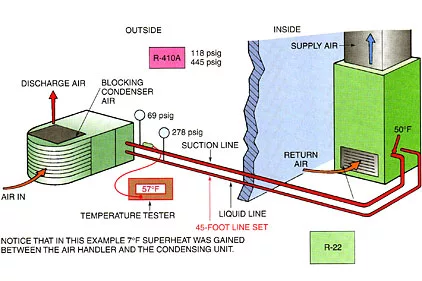
Have you ever noticed ice building up on your air conditioner’s evaporator coils? It’s a common problem that can leave your home feeling warmer and your energy bills higher.
But why do evaporator coils freeze up in the first place? Understanding the reasons behind this issue can help you spot problems early and keep your cooling system running smoothly. Keep reading to discover what causes those coils to freeze and how you can fix it before it becomes a bigger headache.

Credit: www.reddit.com
Common Causes Of Frozen Evaporator Coils
Frozen evaporator coils can be a real headache, especially when your air conditioner suddenly stops cooling effectively. Understanding the common causes behind this issue helps you spot problems early and avoid costly repairs. Let’s break down why your evaporator coils might be freezing up and what you can do about it.
Restricted Airflow Issues
Restricted airflow is one of the top reasons evaporator coils freeze. Your system needs a steady flow of warm air to keep the coils at the right temperature.
Blocked vents, dirty filters, or closed dampers reduce airflow. When air doesn’t move properly, the coils get too cold and ice starts to build up.
Think about the last time you forgot to change your air filter—did you notice the system working harder or cooling less? That’s a clear sign airflow was restricted.
Low Refrigerant Levels
Refrigerant is what cools the air passing through your system. If your refrigerant is low, the pressure drops and the temperature of the coils falls below freezing.
This causes moisture in the air to freeze on the coils. Leaks are a common cause of low refrigerant, so it’s important to check for signs like hissing sounds or oil spots around the unit.
Have you ever wondered why your AC seems less powerful over time? Low refrigerant could be the hidden culprit.
Dirty Evaporator Coils
Dust and grime build-up on evaporator coils act like insulation, blocking heat exchange. This forces the coils to stay colder longer and leads to ice formation.
Regular cleaning is essential. Even a thin layer of dirt can cause freezing, so don’t overlook this simple maintenance step.
Imagine trying to cool a room with a dirty window—it just won’t work well, right? The same applies to your coils.
Thermostat And Sensor Problems
Your thermostat and sensors tell the system when to turn on and off. If they’re misreading temperatures, the coils may stay cold too long.
A faulty sensor might fail to detect warm air properly, causing the compressor to run nonstop and the coils to freeze.
Have you checked if your thermostat is placed near heat sources or in direct sunlight? These placement issues can cause incorrect readings.
Faulty Blower Fan
The blower fan pushes warm air over the evaporator coils. If it’s not working correctly, air won’t flow, and the coils will freeze.
Fans can fail due to motor issues, electrical problems, or worn belts. You might hear unusual noises or feel weak airflow from your vents if this is the case.
Next time your AC feels weak, listen closely to the fan—its health is key to preventing frozen coils.
Effects Of Frozen Evaporator Coils
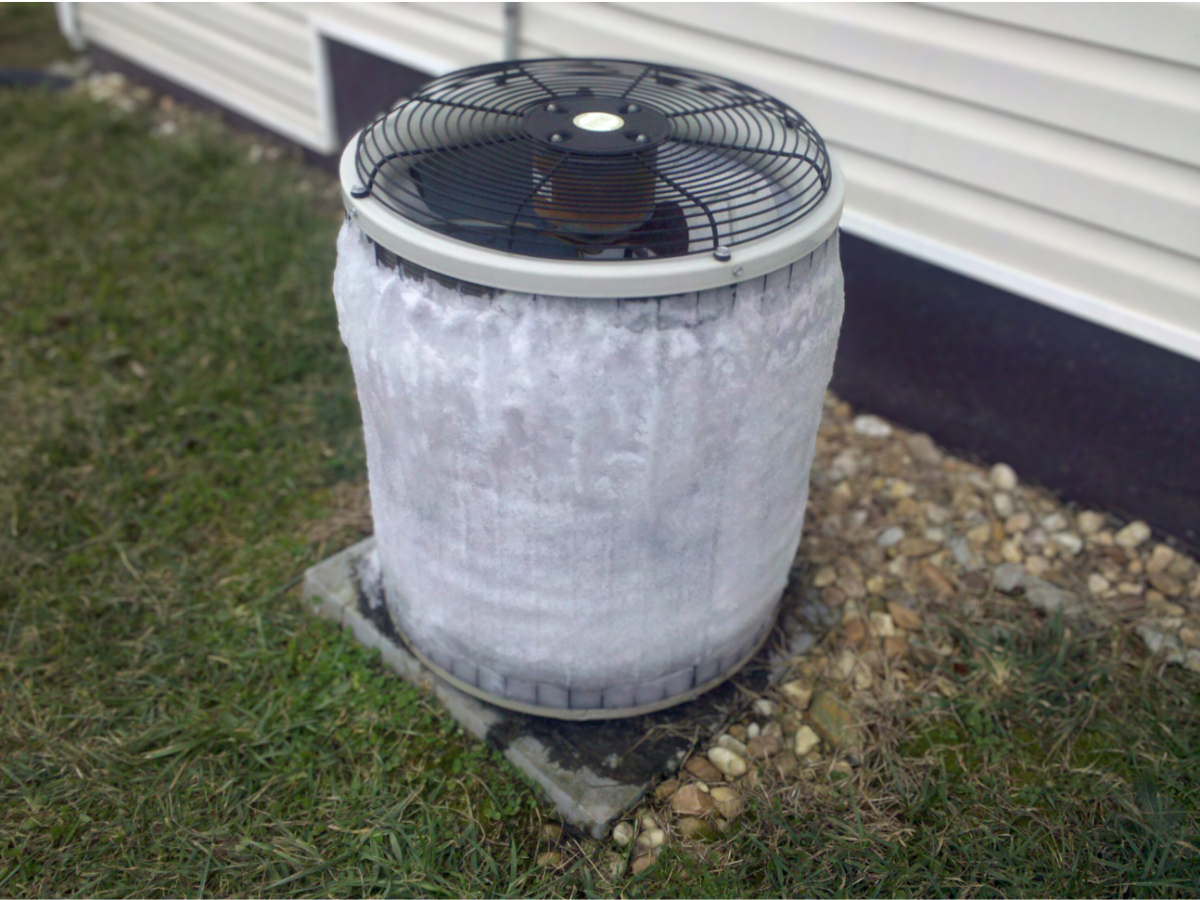
Frozen evaporator coils cause several problems in air conditioning systems. Ice buildup blocks airflow and disrupts the cooling process. This leads to various negative effects on the system’s performance and lifespan.
Reduced Cooling Efficiency
Ice on the coils lowers heat transfer ability. The system struggles to cool the air properly. Rooms stay warmer than desired. The AC runs longer but delivers less cooling. Comfort levels drop noticeably.
Increased Energy Consumption
The AC works harder to reach set temperatures. Longer run times use more electricity. Energy bills go up without better cooling. Frozen coils waste power and money. This reduces system efficiency sharply.
Potential System Damage
Ice restricts refrigerant flow inside the coils. This can cause compressor strain or failure. Water from melting ice may drip onto electrical parts. Corrosion and short circuits may develop. Repairs become costly and downtime increases.
Quick Fixes To Thaw Evaporator Coils
Frozen evaporator coils often result from poor airflow or low refrigerant levels. Clearing blockages and checking the system can quickly thaw the coils and restore proper cooling.
Quick fixes for thawing evaporator coils can save time and money. These steps help resolve common issues quickly. They also prevent further damage to your AC unit. Follow these simple tips to get your system back on track.Turn Off The Ac Unit
The first step is to turn off your AC unit. This stops the coils from freezing further. Let the unit sit for a few hours. This allows ice on the coils to melt naturally. Be patient during this process.Improve Airflow Around The Unit
Check for any objects blocking airflow. Remove furniture or curtains near vents. Ensure vents are open and unblocked. Good airflow prevents coils from freezing again.Check And Replace Air Filters
Dirty filters restrict airflow. Check your air filter for dust and dirt. Replace the filter if needed. Clean filters improve system efficiency and prevent freezing.Clean The Evaporator Coils
Dust can accumulate on evaporator coils. Use a soft brush to clean the coils gently. Ensure the unit is off before cleaning. Clean coils enhance cooling performance.Inspect And Repair Refrigerant Leaks
Refrigerant leaks cause coils to freeze. Inspect the unit for any signs of leaks. A professional should repair leaks for safety. Correcting leaks restores efficient cooling.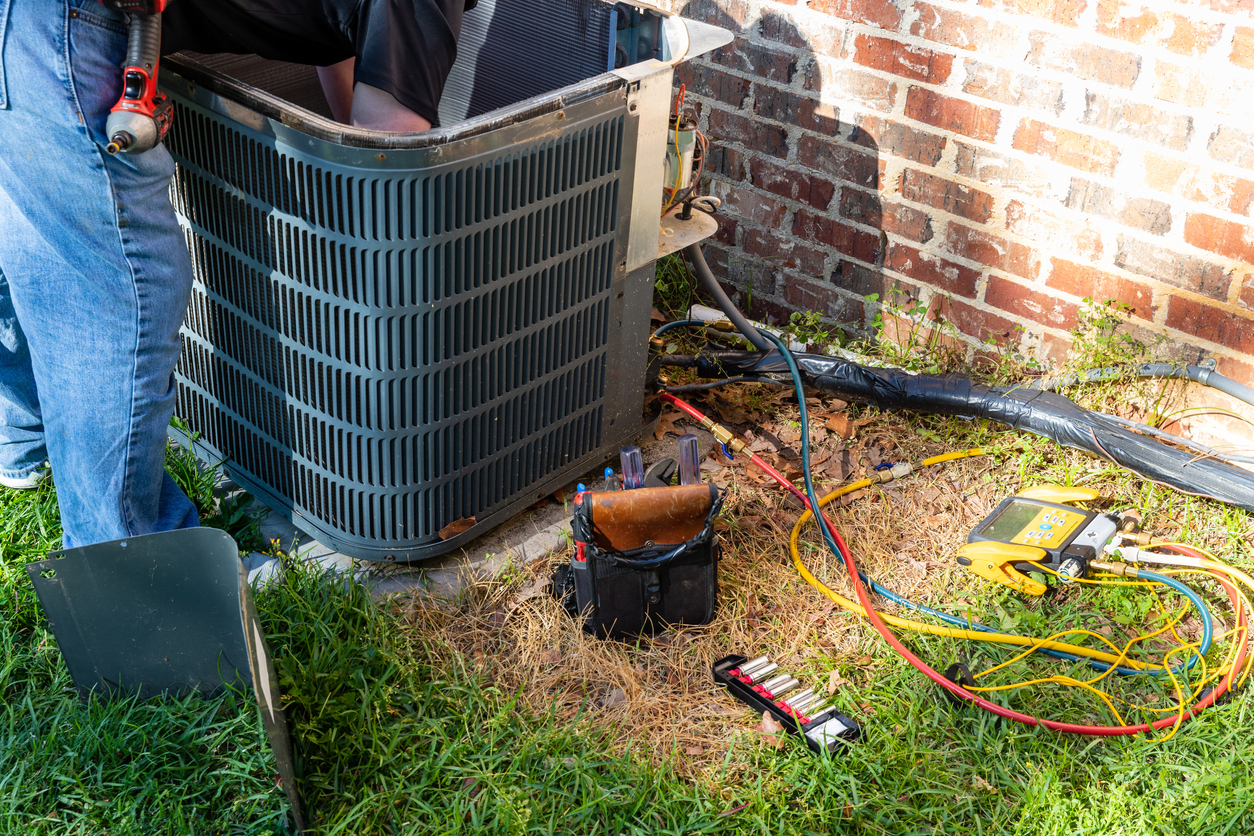
Credit: wheatandsons.com
Preventive Measures To Avoid Freezing
Preventing evaporator coils from freezing is crucial to keeping your HVAC system running smoothly and avoiding costly repairs. Understanding and applying simple preventive measures can save you time and money. Let’s dive into practical steps you can take to keep your coils ice-free all year round.
Regular Maintenance Schedule
Scheduling regular maintenance is key to catching issues before they cause freezing. Clean coils and filters allow your system to function efficiently. Have a professional check your system at least twice a year, ideally before the cooling and heating seasons.
During maintenance, technicians can spot dirt buildup, clogged drains, or worn-out parts that might cause freezing. You can also do a quick monthly check by inspecting filters and replacing them if they look dirty. Simple upkeep like this makes a big difference.
Proper Thermostat Settings
Setting your thermostat correctly helps prevent your evaporator coils from freezing up. Avoid setting temperatures too low, especially on hot days, as this forces the system to run longer than necessary. A good rule is to keep your thermostat around 75°F (24°C) during summer.
If you notice your system running non-stop, ask yourself: is your thermostat set aggressively low? Adjusting it slightly higher can reduce strain on your system and lower the risk of coil freezing. Smart thermostats can also help maintain steady and efficient temperatures.
Ensure Adequate Airflow
Proper airflow is essential to keep your evaporator coils from freezing. Blocked vents or dirty air filters restrict airflow, causing the coils to get too cold and freeze. Make sure all air vents are open and unblocked by furniture or curtains.
Check your filters regularly and replace them every 1-3 months depending on use. Also, clean air ducts if you notice dust buildup. Think about your home’s airflow as the system’s breath—without it, your coils can’t work properly.
Timely Refrigerant Recharging
Low refrigerant levels can cause evaporator coils to freeze because the system struggles to absorb heat. If your AC is cooling less effectively or you hear hissing sounds, it might be time to check refrigerant levels. Don’t try to recharge refrigerant yourself; always call a licensed technician.
Regular refrigerant checks during maintenance visits help keep your system balanced. Have you ever noticed your AC blowing warm air? That could be a sign your refrigerant is low and needs attention before freezing occurs.
Credit: trustgreenway.com
Frequently Asked Questions
Why Do Evaporator Coils Freeze Frequently?
Evaporator coils freeze due to restricted airflow or low refrigerant levels. Dust buildup or dirty filters block air circulation. Low refrigerant causes coil temperatures to drop, leading to ice formation. Regular maintenance prevents freezing and improves system efficiency.
How Does Low Refrigerant Cause Coil Freezing?
Low refrigerant reduces pressure inside the coil, causing temperature to fall below freezing. This leads to moisture freezing on the coil’s surface. It signals a leak or system issue, requiring prompt repair to avoid damage.
Can Dirty Air Filters Cause Evaporator Coil Freeze?
Yes, dirty filters block airflow, causing the coil to become too cold. Insufficient warm air passing over the coil leads to ice buildup. Changing filters regularly helps maintain proper airflow and prevents freezing.
What Role Does Airflow Play In Coil Freezing?
Proper airflow keeps the evaporator coil warm enough to prevent ice formation. Blocked or reduced airflow causes the coil temperature to drop below freezing, resulting in ice buildup. Ensuring clear vents and clean filters improves airflow and prevents freezing.
Conclusion
Frozen evaporator coils cause many cooling problems. Dirt, low airflow, and refrigerant issues often cause freezing. Regular maintenance helps keep coils clean and airflow steady. Check your system early to avoid costly repairs. Small problems can turn into big troubles fast.
Stay alert and fix issues quickly to keep cool. Taking care of your AC saves money and discomfort. Remember, a healthy coil means better cooling all summer.