Have you ever wondered, “Why do my AC pipes keep freezing?” If you have, you’re not alone.
This annoying problem can turn a comfortable home into a chilly nuisance. But don’t worry—you’re about to uncover the reasons behind this icy dilemma. Understanding why your AC pipes freeze is the first step to solving the issue and restoring your home’s comfort.
You’ll discover the common causes and simple solutions to keep your air conditioning system running smoothly. So, are you ready to enjoy a cool, trouble-free summer? Let’s dive into the details and say goodbye to frozen pipes for good!
Credit: www.topnotchheatingandair.com
Causes Of Frozen Ac Pipes
Frozen AC pipes can be frustrating and confusing, especially when you rely on your air conditioner to keep your home comfortable. Understanding the causes behind this issue helps you tackle it effectively before it causes more damage. Let’s break down the common reasons why your AC pipes might keep freezing.
Low Refrigerant Levels
Refrigerant is essential for your AC to absorb heat and cool your home. When refrigerant levels drop, the pressure inside the system decreases, causing the temperature to fall below freezing. This leads to ice forming on the pipes. Have you checked your refrigerant levels recently? Low levels often point to leaks that need professional repair.
Poor Airflow
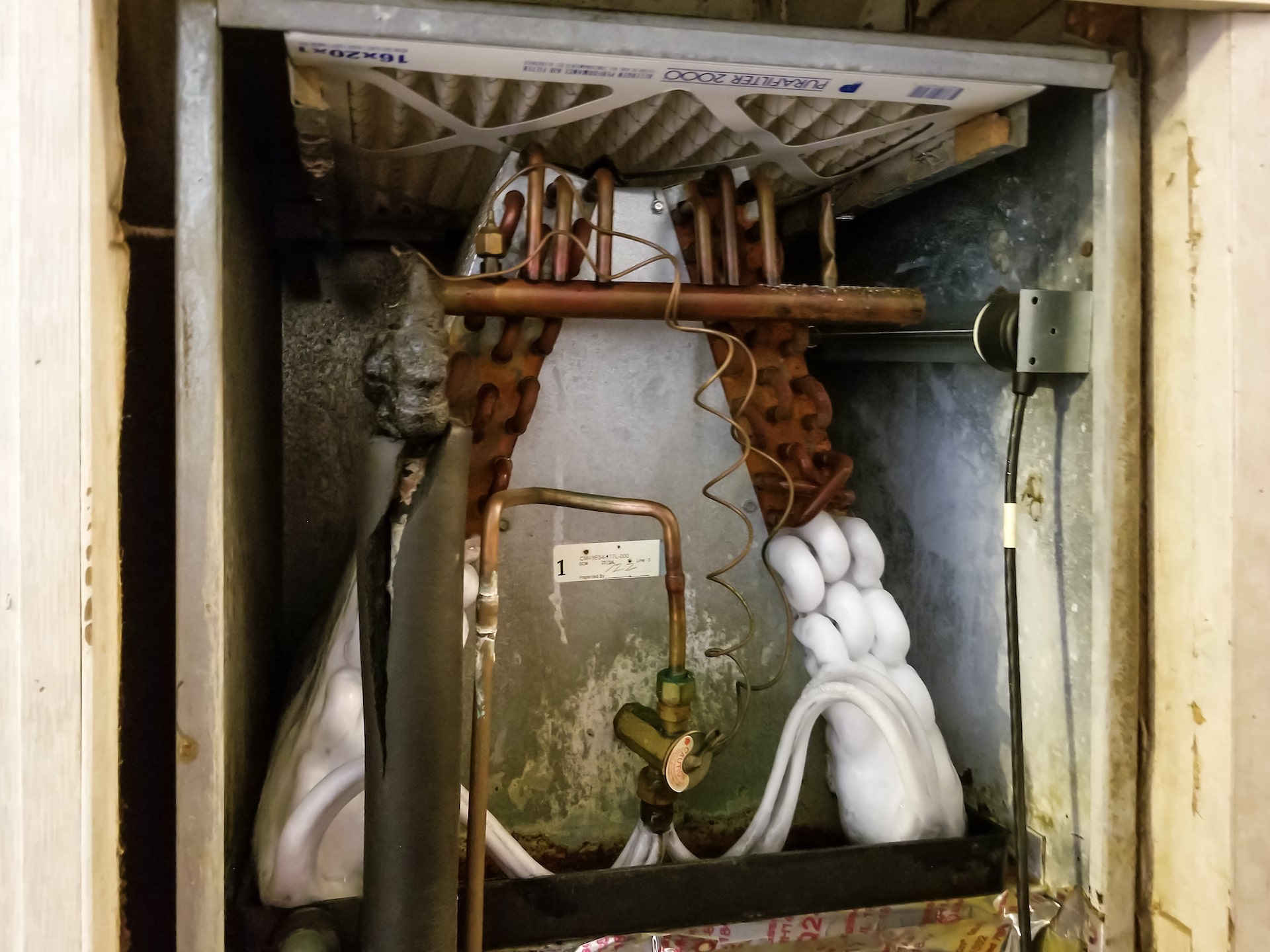
Airflow is critical for preventing your AC pipes from freezing. If air cannot flow freely over the evaporator coil, the coil gets too cold, causing the moisture in the air to freeze on the pipes. Blocked vents, closed registers, or faulty fans can all reduce airflow. Take a moment to inspect your vents—are they open and unobstructed?
Dirty Air Filters
Dirty air filters choke your system, limiting airflow and forcing your AC to work harder. This strain can cause the evaporator coil to freeze, which then causes the pipes to freeze. Regularly replacing or cleaning your filters keeps your system healthy and prevents ice buildup. When was the last time you changed your air filter?
Thermostat Issues
Your thermostat controls when your AC runs and how long it runs. If it’s malfunctioning or set incorrectly, your system might run too long or too short, leading to freezing problems. Sometimes, a thermostat placed in a hot spot can give false readings, causing the AC to overcool. Double-check your thermostat settings and placement to ensure accurate temperature control.
Outdoor Temperature Effects
AC units aren’t designed to run in very cold weather. When outdoor temperatures drop too low, the pressure in the system can fall, causing the refrigerant to freeze. This is common during unexpected cold snaps. If your AC keeps freezing during chilly weather, consider shutting it off or switching to a heater until temperatures rise.

Credit: www.reddit.com
Signs Of Frozen Ac Pipes
Frozen AC pipes can cause serious problems for your air conditioning system. Recognizing the signs early helps prevent damage and costly repairs. Watch for clear indicators that your AC pipes are freezing.
Ice Buildup On Pipes
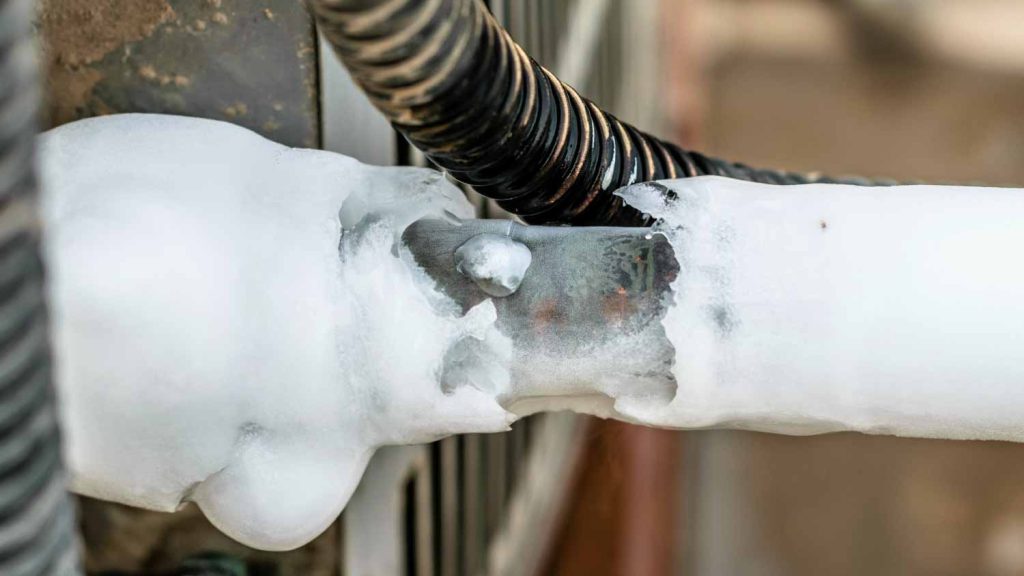
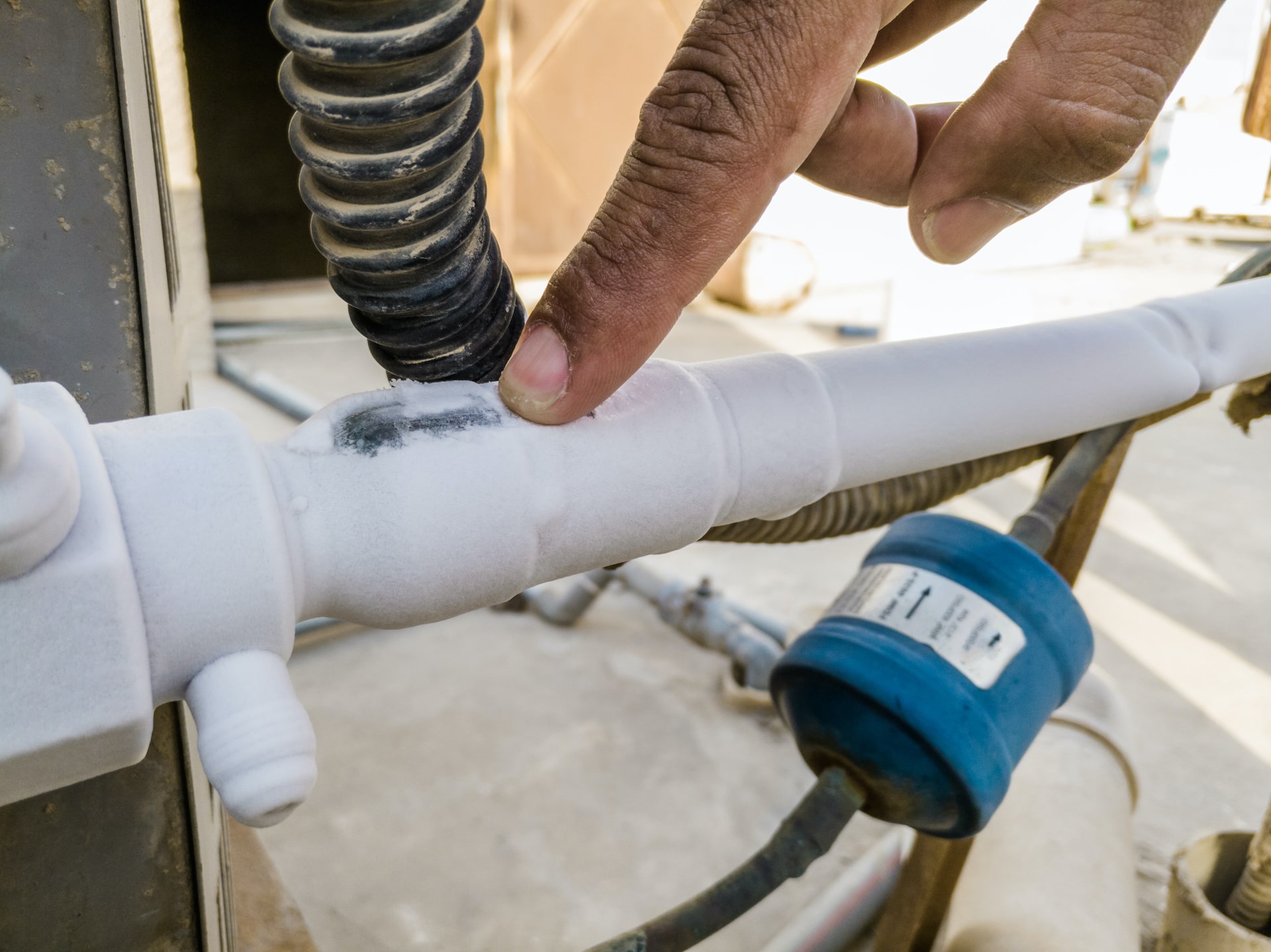
Visible ice on the AC pipes is the most obvious sign. Ice forms when moisture freezes due to low temperatures. Check the outdoor unit and refrigerant lines for white or bluish ice layers. Thick ice means the pipes have been freezing for some time.
Reduced Cooling Efficiency
Your AC may struggle to cool the room properly. Frozen pipes block refrigerant flow, reducing system performance. The air may feel warmer than usual or less consistent. This drop in cooling power signals a possible freeze issue.
Unusual Noises
Listen for strange sounds from your AC unit. Frozen pipes can cause gurgling, hissing, or banging noises. These sounds happen as refrigerant struggles to move past ice blockages. Noises often indicate internal stress or damage.
Water Leaks
Melting ice creates water around the AC unit. Look for puddles or damp spots near pipes or the indoor unit. Leaks may also appear inside your home. Water from melting ice can damage walls, floors, and ceilings if ignored.
Preventing Frozen Ac Pipes
Frozen AC pipes not only disrupt your comfort but can also cause costly damage. Preventing this issue requires attention to several key factors that keep your system running smoothly. Let’s look at practical steps you can take to stop your AC pipes from freezing up.
Regular Maintenance
Keeping your AC system in good shape is essential. Dirt and debris can clog filters and coils, reducing efficiency and causing pipes to freeze. Scheduling regular check-ups helps catch problems early and keeps your system clean and functioning well.
Have you noticed your AC struggling more during hot days? It might be time to clean or replace filters. This simple task can prevent ice buildup by ensuring smooth airflow.
Improving Airflow
Blocked or restricted airflow is a common reason for frozen pipes. Make sure vents and registers are open and unobstructed. Furniture, curtains, or dust can easily block air movement, causing cold spots where ice forms.
Think about the last time you rearranged your room. Did you check if the AC vents were still clear? Small changes in your space can affect how air circulates.
Keeping Refrigerant Balanced
Low refrigerant levels can make your AC work harder and cause pipes to freeze. If you suspect a leak or notice your system isn’t cooling well, get a professional to check the refrigerant. Proper levels keep the system running at the right pressure and temperature.
Ignoring this can lead to bigger issues, like compressor damage. Would you let your car run low on oil? Your AC needs the right refrigerant balance just as much.
Using Proper Insulation
Insulating the pipes helps keep them at the right temperature. Without insulation, cold pipes exposed to warm air can develop condensation and ice. Use foam sleeves or wrap insulation tape around your AC pipes to maintain consistent temperatures.
Have you ever touched a cold pipe and felt moisture? That’s a sign insulation might be missing or worn out. A small investment in insulation can prevent freezing and save you money.
Adjusting Thermostat Settings
Setting your thermostat too low can cause the evaporator coil to get too cold, leading to frozen pipes. Try raising the temperature a few degrees to see if it helps. Using the fan setting occasionally can also improve airflow and prevent freezing.
Do you find yourself turning the thermostat down as low as possible on hot days? Consider if that’s really making your home cooler or just causing your pipes to freeze.
Quick Fixes For Frozen Pipes
Frozen AC pipes can disrupt your comfort and damage your system if left unchecked. Luckily, some quick fixes can help you tackle the problem immediately. These simple steps can save you time and prevent costly repairs.
Turning Off The Ac
First, turn off your AC unit to stop the cooling process. This allows the ice on the pipes to begin melting naturally. If you keep the AC running, the pipes will continue freezing and could burst.
After shutting off the system, open any nearby windows or doors to increase airflow and speed up thawing. It’s a straightforward step but often overlooked in the rush to fix the issue.
Using A Hair Dryer
A hair dryer can be a lifesaver when dealing with frozen pipes. Gently run warm air over the frozen sections to melt the ice. Avoid using high heat or holding the dryer too close to the pipes to prevent damage.
If you don’t have a hair dryer, a portable heater or warm towels can work too. The key is to apply steady, gentle heat until the pipes are fully thawed.
Checking And Replacing Filters
Dirty or clogged filters can reduce airflow, causing your AC pipes to freeze. Check your filters regularly and replace them if they look grimy or worn out. Clean filters help maintain proper air circulation and prevent freezing.
Think about the last time you changed your filters. Could a neglected filter be behind your frozen pipes? Keeping this simple maintenance routine can save you from bigger headaches.
Calling A Professional
If your pipes freeze frequently despite quick fixes, it’s time to call a professional. An HVAC technician can inspect your system for deeper issues like refrigerant leaks or faulty components. They have the tools and expertise to fix the root cause safely.
Don’t wait until the problem worsens—professional help can protect your AC unit and your home. Have you considered how an expert’s advice could prevent future pipe freezes?
Long-term Solutions
Dealing with frozen AC pipes can be frustrating, especially if it happens repeatedly. Instead of just thawing the pipes every time, focusing on long-term solutions can save you time, money, and stress. Let’s look at practical ways to prevent your AC pipes from freezing again.
Upgrading Your Ac System
Older AC units may struggle to regulate temperature efficiently, causing pipes to freeze more often. Upgrading to a modern system with better controls can help maintain consistent airflow and pressure. Have you noticed that newer models often come with smart sensors? These sensors adjust operation to prevent freezing, especially during extreme weather.
Installing Pipe Insulation
Insulating your AC pipes is a straightforward fix that makes a big difference. Wrap your pipes with foam insulation sleeves designed for HVAC systems to keep cold air from causing ice buildup. It’s surprising how much temperature control simple insulation provides, especially in unheated areas like basements or attics.
Scheduling Routine Inspections
Regular check-ups catch small problems before they become frozen pipes. A professional can spot leaks, low refrigerant levels, or clogged filters that increase freezing risk. Could a quick inspection now prevent a costly repair later? It’s worth asking your HVAC technician about a maintenance plan tailored to your system.
Addressing Structural Issues
Sometimes the problem isn’t just the AC system but your home’s structure. Poor ventilation, gaps around windows, or inadequate sealing near pipes can cause cold spots that lead to freezing. Have you checked for drafts or moisture buildup around your AC pipes? Fixing these structural weaknesses creates a more stable environment for your system to operate properly.
Credit: www.topnotchheatingandair.com
Frequently Asked Questions
Why Do Ac Pipes Freeze In Hot Weather?
AC pipes freeze due to low refrigerant levels or poor airflow. These issues cause the evaporator coil to get too cold. When warm air meets the cold coil, condensation freezes, blocking the pipes. Regular maintenance can prevent freezing and ensure efficient cooling.
How Does Low Refrigerant Cause Pipe Freezing?
Low refrigerant reduces pressure in the AC system. This causes the evaporator coil to become colder than usual. Moisture on the coil freezes, leading to ice buildup on the pipes. Recharging refrigerant levels solves the freezing problem and restores proper function.
Can Dirty Air Filters Lead To Ac Pipe Freezing?
Yes, dirty air filters block airflow over the evaporator coil. Poor airflow causes the coil temperature to drop below freezing. This leads to ice forming on the AC pipes. Regularly cleaning or replacing air filters helps prevent freezing issues.
What Role Does Thermostat Setting Play In Freezing?
Setting the thermostat too low causes the AC to run continuously. This overworks the system and lowers coil temperature excessively. Prolonged low temperatures cause pipes to freeze. Keeping the thermostat at a moderate temperature avoids freezing and energy waste.
Conclusion
Frozen AC pipes cause many problems for your cooling system. Insufficient airflow and low refrigerant often lead to freezing. Regular maintenance helps keep pipes clear and working well. Check filters and vents to avoid blockages. Keep the thermostat at a steady temperature.
Catching small issues early saves you money and stress. Taking simple steps can stop pipe freezing and improve comfort. Stay alert to signs of freezing for quick fixes. Your AC will work better and last longer with care.