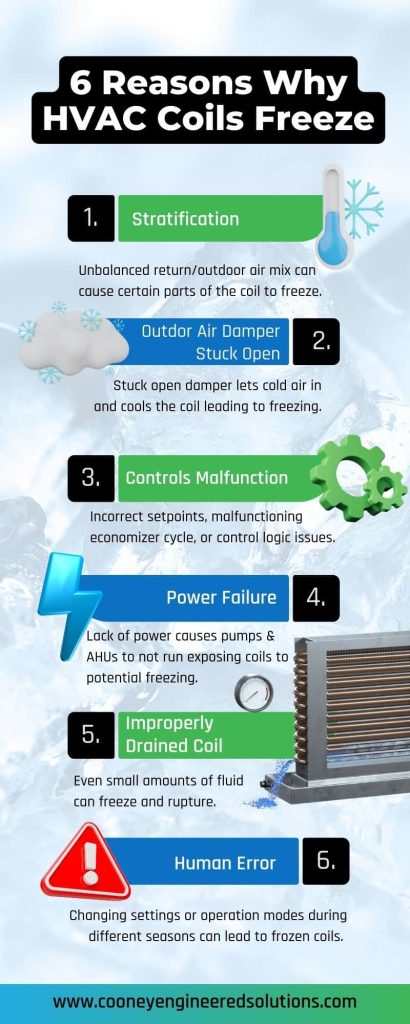
Have you ever wondered why your air conditioner’s coil decides to freeze up just when you need it the most? It’s a common problem that can leave you feeling hot and bothered.
Imagine a hot summer day, your home turning into an unexpected sauna because your AC isn’t doing its job. Frustrating, right? This phenomenon isn’t just a random occurrence; it’s your AC’s way of waving a red flag that something’s amiss.
Ignoring it can lead to bigger issues and costly repairs. But what if you could understand the reasons behind this chilly mishap and prevent it from happening again? You’ll discover the surprising causes of coil freeze-ups and learn how to keep your cool when your AC doesn’t. Stay with us to uncover the secrets that can save you from future headaches.
Common Causes Of Coil Freezing
Understanding the common causes of coil freezing can help you spot problems early and avoid costly repairs. Frozen coils are a sign that something is disrupting the normal flow of heat and air in your HVAC system. Knowing what triggers this issue can save you frustration and keep your system running smoothly.
Low Refrigerant Levels
Refrigerant is essential for absorbing heat from your home’s air. When refrigerant levels drop, the pressure inside the coil falls, causing the temperature to drop below freezing. This leads to ice forming on the coil surface.
If you notice your system running longer than usual or cooling less effectively, low refrigerant might be the culprit. Have you checked your refrigerant levels recently? It’s a simple step that can prevent coil freeze-ups.
Poor Airflow Issues
Air needs to flow freely over the coils to keep them at the right temperature. Blocked vents, closed registers, or obstructed fans can restrict airflow. Without enough warm air passing over the coil, ice can build up quickly.
Think about the last time you rearranged furniture or added curtains—did you block any vents? Even small changes can disrupt airflow and cause freezing.
Dirty Air Filters
Dirty filters reduce airflow and force your system to work harder. This can cause the coils to get too cold and freeze over. Changing filters regularly is one of the easiest ways to avoid this problem.
Have you checked your air filter this month? If it looks clogged or dusty, replace it to keep air moving smoothly and protect your coils.
Thermostat Malfunctions
Your thermostat controls when your system cycles on and off. A faulty thermostat might keep the system running too long or too short, upsetting the coil temperature balance. This can lead to freezing or overheating issues.
If your home feels too cold in some rooms or your system won’t shut off, your thermostat might be sending wrong signals. Testing or recalibrating the thermostat could stop the freezing.
Mechanical Failures
Components like the blower motor, fans, or expansion valve play vital roles in coil temperature control. If any of these parts fail, the system can’t maintain proper airflow or refrigerant flow. This often results in coil freezing.
Have you heard unusual noises or noticed reduced airflow? These signs point to mechanical trouble that needs prompt attention to avoid frozen coils.

Credit: www.reddit.com
Signs Your Coil Is Freezing
Identifying a freezing coil early can save your HVAC system from serious damage. The signs your coil is freezing often start subtle but grow more obvious over time. Watch closely for changes in your system’s performance and sounds. These clues reveal that your coil may be freezing and needs attention.
Reduced Cooling Efficiency
Your air conditioner might struggle to cool your home properly. The airflow feels weaker, and rooms stay warmer than usual. The system runs longer but fails to reach the set temperature. This happens because ice blocks the coil, reducing heat exchange.
Ice Formation On Coil
Check the coil itself for visible ice. Ice may appear as frost or thick layers of frozen water. This buildup prevents the coil from absorbing heat effectively. Ice on the coil is a clear sign of a freezing problem.
Unusual Noises
Listen for strange sounds coming from your HVAC unit. You might hear gurgling, hissing, or bubbling noises. These sounds occur as the refrigerant struggles to flow past the frozen coil. Unusual noises often hint at coil freezing.
System Short Cycling
Your air conditioner may turn on and off rapidly. This short cycling stresses the system and wastes energy. It happens because the coil freezing causes pressure changes. Frequent cycling signals a need to check the coil condition.
How To Fix A Frozen Coil
Fixing a frozen coil requires quick and careful action to prevent damage to your HVAC system. Addressing the issue early not only restores your comfort but also avoids costly repairs. Let’s look at practical steps you can take to fix a frozen coil effectively.
Turning Off The System
The first thing you should do is turn off your HVAC system immediately. Running the system with a frozen coil can cause compressor damage. Give the coil time to thaw naturally, which might take several hours depending on the ice thickness.
Cleaning Or Replacing Filters
Dirty or clogged filters restrict airflow, causing the coil to freeze. Check your air filters and replace them if they look dirty or worn out. Regular filter maintenance can prevent coil freezing and improve your system’s efficiency.
Checking Refrigerant Levels
Low refrigerant levels often cause coils to freeze because the pressure drops and the temperature falls below freezing. If you suspect this, you’ll need a professional to check and recharge the refrigerant. Have you noticed your system running longer than usual? That’s a common sign of refrigerant issues.
Improving Airflow
Blocked vents or closed registers reduce airflow over the coil, leading to ice buildup. Make sure all vents are open and unobstructed. Also, check if your blower fan is working properly—without good airflow, your coil can freeze again quickly.
Calling A Professional Technician
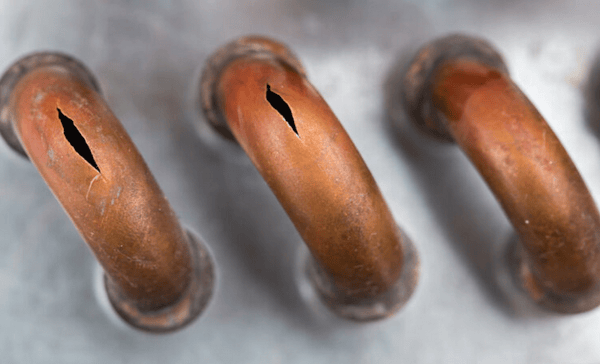
If the coil continues to freeze after you’ve tried these steps, it’s time to call a professional. Technicians can diagnose deeper issues like refrigerant leaks or mechanical failures. Don’t wait until the system breaks down completely—early professional help can save you money and hassle.
Credit: www.superradiatorcoils.com
Preventing Coil Freeze-ups
Preventing coil freeze-ups is essential for your HVAC system’s health. Frozen coils reduce cooling efficiency and can cause costly damage. Taking simple steps helps avoid this problem and keeps your system running smoothly.
Regular Maintenance Schedule
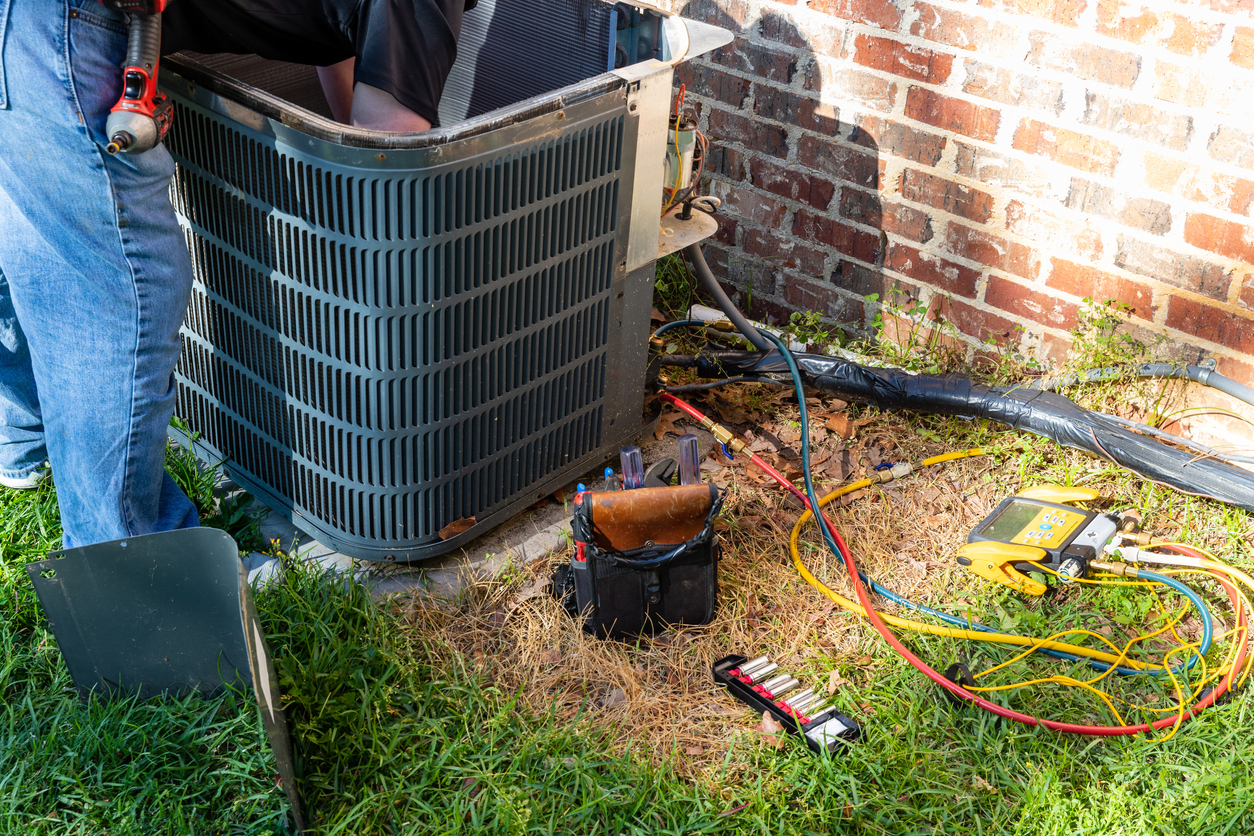
Set a regular maintenance plan for your HVAC system. Routine checks catch small issues before they grow. Professionals can clean coils and inspect parts to prevent freezing. Keeping a schedule ensures your system stays in good shape year-round.
Keeping Air Filters Clean
Dirty air filters block airflow, causing coils to freeze. Change or clean filters every 1-3 months. Clean filters improve air circulation and reduce strain on your system. This simple task helps maintain steady cooling and prevents ice buildup.
Ensuring Proper Airflow
Clear vents and registers to allow free airflow. Avoid blocking return air ducts with furniture or curtains. Proper airflow keeps coils cold but not frozen. Check fans and blowers regularly to make sure they work well.
Monitoring Refrigerant Levels
Low refrigerant causes coils to freeze quickly. Have a technician check refrigerant levels during maintenance. Fix leaks and recharge refrigerant as needed. Proper refrigerant ensures the system cools effectively without freezing.
Using A Programmable Thermostat
A programmable thermostat controls temperatures precisely. It prevents the system from running too long and overcooling. Set schedules to match your daily routine. This helps avoid unnecessary strain on coils and reduces freeze risk.
Credit: wheatandsons.com
Frequently Asked Questions
Why Does My Ac Coil Freeze Up?
A coil freezes when moisture accumulates and temperature drops below freezing. Low airflow or refrigerant issues cause this imbalance. Regular maintenance prevents freezing and maintains efficient cooling.
How Can Low Airflow Cause Coil Freezing?
Low airflow reduces warm air passing over the coil. This causes coil temperature to drop below freezing. Dusty filters or blocked vents often restrict airflow, leading to ice buildup on the coil.
Can Refrigerant Leaks Cause Coil Freeze?
Yes, refrigerant leaks lower system pressure, reducing coil temperature. This causes moisture to freeze on the coil surface. Fixing leaks and recharging refrigerant prevents coil freezing and improves system efficiency.
What Happens If A Coil Remains Frozen?
A frozen coil blocks airflow, reducing cooling efficiency. It can damage the compressor and increase energy consumption. Promptly thawing and fixing underlying issues prevents costly repairs and restores system performance.
Conclusion
A coil freezes up mainly because of low airflow or refrigerant problems. Dirt and dust block air, causing cold spots. Low refrigerant levels make the coil too cold, leading to ice. Regular maintenance keeps coils clean and checks refrigerant levels.
Fixing these issues helps your system run smoothly and saves energy. Don’t ignore freezing coils; they can cause bigger problems later. Stay alert to signs like reduced cooling or strange noises. Simple care can prevent coil freeze and keep your home comfortable all year.