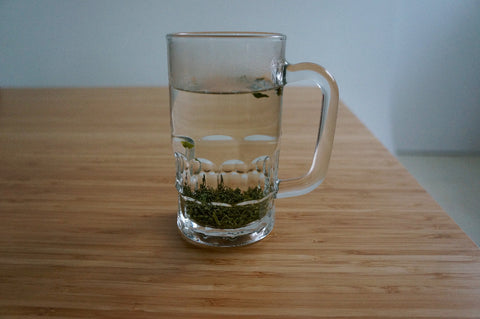
Have you ever poured yourself a cup of green tea and noticed the leaves sinking straight to the bottom? It might seem strange or even make you wonder if something’s wrong with your tea.
But there’s actually a simple reason behind this, and understanding it can change the way you enjoy your green tea every day. Keep reading to discover why your green tea sinks, and how this small detail can make a big difference in your tea experience.
Green Tea Basics
Green tea is a popular drink made from fresh tea leaves. It has a light taste and many health benefits.
Sometimes, green tea leaves sink to the bottom of the cup. This happens because of how the leaves and water interact.
Types Of Green Tea
Green tea comes in many types. Each type has a unique flavor and way of growing.
Some green teas have whole leaves, while others have smaller bits. This affects how they float or sink.
- Sencha: Common Japanese tea with a fresh taste
- Matcha: Powdered tea used in tea ceremonies
- Gyokuro: Shade-grown tea with a sweet flavor
- Longjing (Dragon Well): Chinese tea with a nutty taste
- Bancha: Coarser leaves, often sinking faster
Common Brewing Methods
How you brew green tea changes its taste and look. Water temperature and steep time are important.
Leaves may sink if they are heavy or if the water is still. Stirring can help leaves float.
- Use water around 160-180°F (70-80°C) to avoid bitterness
- Steep leaves for 1-3 minutes for best flavor
- Use loose leaves or tea bags depending on preference
- Stir gently to mix leaves and water
- Let leaves settle if you want clearer tea

Credit: www.youtube.com
Tea Leaves And Density
Green tea leaves often sink to the bottom of the cup after steeping. This happens because of their structure and density. Understanding these factors helps explain this common observation.
We will look closely at the leaf structure and how density affects whether tea leaves float or sink.
Leaf Structure And Composition
Green tea leaves have a tough outer layer called the cuticle. Inside, they contain fibers, water, and air pockets. When dry, leaves are light and may float.
- The cuticle protects the leaf from water quickly soaking in.
- Fibers inside add weight but also trap air.
- Air pockets help leaves stay buoyant at first.
- When leaves absorb water, they become heavier.
How Density Affects Buoyancy
Density is how much mass an object has in a certain volume. If a tea leaf’s density is higher than water, it sinks. If it is lower, it floats.
| State | Leaf Density | Behavior in Water |
| Dry | Less than water | Floats |
| Wet (soaked) | More than water | Sinks |
As green tea leaves soak, water fills the air pockets. Their density rises above water, causing them to sink to the cup bottom.
Brewing Process Impact
Green tea leaves sometimes sink to the bottom of the cup. This happens because of the brewing process. How you brew the tea affects the leaf behavior.
Understanding the brewing steps can explain why leaves sink. Water temperature and steeping time both play important roles.
Water Temperature Effects
Water temperature changes how green tea leaves move. Hot water makes the leaves release air bubbles. These bubbles help leaves float at first.
As the tea cools, the bubbles disappear. Without bubbles, the leaves become heavier and sink to the bottom.
- Hot water creates air bubbles on leaves
- Bubbles make leaves float temporarily
- Cooling removes bubbles, causing leaves to sink
Steeping Time And Leaf Behavior
Steeping time affects leaf weight and texture. Longer steeping makes leaves absorb more water. Heavier leaves sink faster.
Short steeping keeps leaves lighter and more buoyant. Over time, leaves lose trapped air and settle at the bottom.
- Short steeping keeps leaves light and floating
- Long steeping lets leaves absorb water and sink
- Leaves lose trapped air over time

Credit: www.reddit.com
Chemical Changes In Tea Leaves
Green tea leaves undergo several chemical changes when brewed in hot water. These changes affect their behavior in the cup. One reason why green tea sinks to the bottom is linked to these chemical reactions.
Understanding the changes helps explain why tea leaves move and settle during brewing. Two main factors are the release of gases and water absorption by the leaves.
Release Of Gases During Brewing
Tea leaves contain small pockets of air and gases trapped inside. When hot water touches the leaves, these gases start to escape.
- The heat causes gases to expand and escape from the leaves.
- Escaping gases create bubbles that can lift leaves up in the water.
- As gases leave, leaves lose buoyancy and begin to sink.
- The release of gases also changes the leaf’s density.
Absorption Of Water By Leaves
Tea leaves absorb water during brewing. This absorption causes the leaves to become heavier and denser.
| Effect | Description |
|---|---|
| Water Intake | Leaves soak water, increasing weight |
| Density Change | Wet leaves become denser than water |
| Leaf Structure | Leaves soften and shrink slightly |
| Sink to Bottom | Heavier leaves settle at the cup’s base |
Why Leaves Sink
Green tea leaves often sink to the bottom of the cup after brewing. This happens because of changes in the leaves during steeping.
Understanding why the leaves sink helps explain how green tea brews and how its flavor develops.
Loss Of Air Pockets
Fresh green tea leaves have tiny air pockets inside them. These pockets help the leaves float at first.
When hot water touches the leaves, air escapes from these pockets. The leaves lose their buoyancy and start to sink.
Increased Leaf Weight
Green tea leaves absorb water during brewing. This makes them heavier than before.
The added weight pulls the leaves down to the bottom of the cup, causing them to sink.

Credit: www.youtube.com
Variations Among Teas
Green tea behaves differently in water than other teas. Its leaves often sink to the bottom of the cup.
We can learn why by looking at how green tea compares with black and herbal teas. Leaf size and shape also play a role.
Comparison With Black And Herbal Teas
Black tea leaves usually float at first because they contain more air. Herbal teas often have bigger pieces, so they stay on top longer.
- Green tea leaves are lighter but denser, so they sink faster.
- Black tea leaves trap air, making them float initially.
- Herbal teas have larger, irregular pieces that may float or sink slowly.
Influence Of Leaf Size And Shape
Leaf size and shape affect how tea behaves in water. Smaller, thinner leaves sink more easily.
| Leaf Type | Size | Shape | Effect in Water |
| Green Tea | Small | Flat, thin | Sinks quickly |
| Black Tea | Medium | Rolled or twisted | Floats then sinks |
| Herbal Tea | Large | Chunky or leafy | Floats longer |
Tips For Enjoying Green Tea
Green tea leaves often sink to the bottom of the cup. This happens because the leaves are heavier than the water. It does not affect the taste or quality of the tea.
Understanding how to brew and handle green tea can improve your drinking experience. Simple steps help keep the tea flavorful and pleasing to the eye.
Brewing For Flavor And Appearance
Use water that is not too hot, around 160-180°F (70-80°C). Hotter water can make green tea taste bitter. Steep the leaves for 2 to 3 minutes to get the best flavor.
Choose a clear glass or cup to watch the tea color develop. Fresh green tea has a light green or yellow tint. Avoid stirring too much, which can break leaves and cloud the tea.
- Use fresh, filtered water
- Keep water temperature moderate
- Steep leaves 2 to 3 minutes
- Use a clear cup to enjoy tea color
- Do not stir excessively
Handling Tea Leaves In Cup
Leaves sinking is normal and shows the tea is real. You can sip the tea gently to avoid drinking leaves. Use a spoon or strainer if you want to remove them.
Swirling the cup lightly can lift leaves without making the tea bitter. Do not shake or hit the cup, as this breaks the leaves and affects flavor.
- Leaves sinking means natural tea
- Sip carefully to avoid leaves
- Use a spoon or strainer to remove leaves
- Swirl cup gently to lift leaves
- Avoid shaking or hitting the cup
Frequently Asked Questions
Why Does Green Tea Settle At The Bottom?
Green tea leaves or particles settle due to their density. When brewed, they are heavier than water. This causes them to sink to the cup’s bottom. Stirring can temporarily mix them, but they often resettle quickly.
How Can You Prevent Green Tea From Sinking?
To prevent sinking, use a fine mesh strainer or tea infuser. These tools help keep leaves suspended. Additionally, using higher quality, larger tea leaves can reduce settling. They tend to float more effectively than smaller particles.
Does The Temperature Affect Green Tea Settling?
Yes, temperature impacts settling. Hot water can cause green tea particles to expand. This can make them denser and more likely to sink. Allowing tea to cool slightly before serving might help reduce settling.
Is It Normal For Green Tea To Sink?
Yes, it’s normal. Green tea particles often sink due to their density. They are naturally heavier than water. This behavior is common and expected, especially with loose leaf green tea.
Conclusion
Green tea leaves sink because of their weight and density. Tiny air bubbles escape when leaves soak in hot water. This causes leaves to fall to the bottom of the cup. The sinking does not affect the taste or quality of tea.
It shows the tea is fresh and natural. Stirring the tea can lift the leaves again. Enjoy your green tea knowing this is a normal part of brewing. Simple science behind sinking leaves makes tea time interesting.