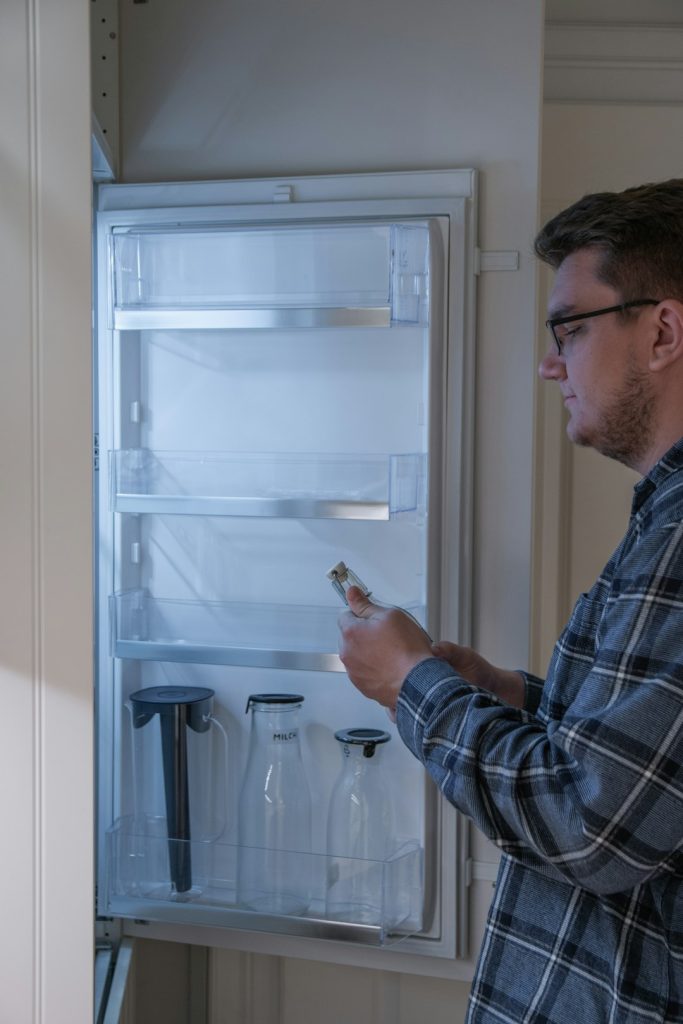
Have you ever opened your refrigerator, only to be greeted by an unexpected chemical smell? It’s not just unpleasant; it can be downright alarming.
You’re probably wondering if there’s something seriously wrong with your appliance or, worse, if it’s affecting the safety of your food. You’re not alone in this concern, and it’s crucial to understand what’s causing that strange odor. We’ll unravel the mystery behind the chemical smell in your refrigerator.
Stick with us, and you’ll discover not only the potential reasons behind it but also practical solutions to ensure your fridge smells fresh and safe once again. Let’s dive in and put your mind at ease.
Common Causes Of Chemical Odors
Chemical odors in your refrigerator can be unsettling and might hint at underlying issues that need attention. Identifying the exact cause helps you tackle the problem effectively and keeps your food safe. Let’s look at some common reasons why your fridge might smell like chemicals.
Leaking Refrigerant
A leaking refrigerant is a serious cause of chemical smells in your fridge. Refrigerants are used to keep your appliance cool, but if there’s a leak, you might notice a sharp, sweet, or solvent-like odor.
Have you ever felt dizzy or experienced headaches near your fridge? That could be a sign of refrigerant leakage, which is harmful and needs immediate repair by a professional. Don’t ignore this smell—it’s not just unpleasant but potentially dangerous.
New Appliance Smell
If your fridge is brand new, the chemical smell might just be from manufacturing residues or plastic liners inside the appliance. This odor usually fades after a few days of use and regular airing out.
Try wiping down the interior with a mix of water and baking soda to speed up the process. Have you ever noticed a strange smell from a new gadget or appliance? It’s quite common and usually harmless if it disappears quickly.
Spilled Cleaning Agents
Sometimes, harsh cleaning products used inside the fridge can leave a chemical smell behind. If you accidentally spill bleach or ammonia-based cleaners, the odor can linger and mix with food smells.
To fix this, clean the fridge again using mild soap and warm water, then keep the door open for a while to let it air out. Remember, less is more when it comes to cleaning agents in your fridge.
Stored Chemicals Nearby
Are you storing chemicals like paint, solvents, or pesticides near your fridge? Fumes from these products can easily seep into your appliance and cause a chemical odor.
It’s best to keep all such substances away from your kitchen and food storage areas. Have you checked your pantry or utility room for strong-smelling chemicals that might be affecting your fridge?
Credit: www.lemon8-app.com
Health Risks Of Chemical Smells
Health risks arise from chemical smells inside refrigerators. These odors may signal harmful substances leaking or trapped inside. Breathing in chemical fumes can cause problems for your body and overall well-being. Understanding these risks helps protect your family and maintain a safe home environment.
Toxicity Concerns
Chemical smells often come from toxic substances like refrigerants or cleaning agents. These chemicals can release harmful gases. Inhaling these gases may cause headaches, dizziness, or nausea. Prolonged exposure can lead to more serious health problems. Children and pets are especially vulnerable to these toxins.
Allergic Reactions
Some chemicals trigger allergic reactions in sensitive individuals. Symptoms include sneezing, coughing, and skin irritation. Chemical odors may worsen asthma or other breathing issues. Avoiding exposure is key to preventing these reactions. Proper ventilation helps reduce the risk of allergies.
Long-term Exposure Effects
Continuous exposure to chemical smells can harm internal organs. The liver, kidneys, and lungs may suffer damage over time. Some chemicals are linked to cancer risks. Memory loss and concentration problems can also occur. Early detection and removal of chemical sources are crucial for health.
Detecting The Source
Detecting the source of a chemical smell in your refrigerator is key to fixing the problem. The smell might come from hidden spots or damaged parts. Careful checking can help find what causes the odor. This section guides you through simple ways to detect the source of the chemical smell.
Inspecting Seals And Gaskets
Check the rubber seals around the fridge door. These seals can trap food spills or cleaning chemicals. Look for cracks, tears, or sticky areas. Damaged seals let air and smells escape. Clean the seals with warm, soapy water. Wipe dry to remove any leftover residue.
Checking For Leaks
Leaks inside the fridge can cause chemical smells. Look for puddles or damp spots on shelves and drawers. Inspect the back of the fridge for any fluid leaks. Leaking coolant or oils have strong chemical odors. If you find a leak, call a professional for repair. Do not try to fix coolant leaks yourself.
Smell Test Techniques
Use your nose to find the strongest smell point. Open the fridge door slowly and sniff near different areas. Pay attention to corners, drawers, and shelves. Use a clean cloth to wipe surfaces and smell the cloth. This helps detect hidden residues. Repeat the test after cleaning to check if the smell fades.

Credit: branchbasics.com
Safe Cleaning Methods
Cleaning your refrigerator safely is key to eliminating chemical odors without introducing new problems. Harsh cleaners can leave behind residues that worsen the smell or even contaminate your food. Choosing gentle, effective methods helps keep your fridge fresh and safe for your family.
Using Natural Deodorizers
Natural deodorizers work wonders without harsh chemicals. Baking soda is a classic choice; just place an open box inside your fridge to absorb odors over time. Activated charcoal is another excellent option—it traps smells and moisture effectively.
Try placing a small bowl of coffee grounds or lemon slices on a shelf for a pleasant scent that’s safe around food. These simple items refresh the air without risking chemical exposure. Have you noticed how quickly baking soda can neutralize lingering smells?
Avoiding Harsh Chemicals
Strong cleaners like bleach or ammonia might seem effective but can leave harmful residues and damage your fridge’s interior. Instead, use a mild soap diluted with water or a mixture of vinegar and water to wipe down surfaces.
Vinegar disinfects and deodorizes naturally without harsh fumes. Avoid aerosol sprays or anything labeled “industrial strength”—these can worsen chemical smells or irritate your skin and lungs. Think about what you would want near your food every day and choose accordingly.
Proper Ventilation Tips
Ventilation plays a crucial role in removing chemical odors from your refrigerator. After cleaning, leave the fridge door open for a short while to let fresh air circulate and help odors dissipate.
If your fridge is in a closed or poorly ventilated area, consider placing a small fan nearby to improve airflow. Keeping your fridge door closed most of the time also prevents outside smells from entering and mixing with internal odors. How often do you check if your fridge’s airflow is adequate?
When To Call A Professional
Sometimes, the chemical smell in your refrigerator signals an issue that’s beyond simple cleaning or airing out. Knowing when to call a professional can save you from health risks and costly damages. If the smell persists or you notice other warning signs, it’s time to get expert help.
Refrigerant Leak Repairs
If your fridge smells like chemicals, it might be leaking refrigerant, which is toxic and harmful to breathe. Refrigerant leaks often come with a faint, sweet chemical odor that doesn’t go away with normal cleaning. Handling refrigerants requires special tools and training, so calling a certified technician is crucial for your safety and to prevent further damage.
Electrical Issues
Sometimes, a chemical smell is actually burning plastic or melting insulation caused by electrical problems. If you notice flickering lights inside the fridge, frequent tripping of breakers, or the smell gets stronger when the compressor runs, you could be dealing with faulty wiring or components. These issues can be dangerous, so don’t try to fix them yourself—contact a professional electrician or appliance repair expert immediately.
Persistent Odor Problems
Have you tried cleaning every corner of your fridge, yet the chemical smell lingers? Persistent odors might be due to hidden mold, spoiled insulation, or a buildup inside the drip pan or vents. Professionals can perform deep cleaning, inspect hidden parts, and replace damaged components to eliminate the smell for good.
Preventing Chemical Odors
Preventing chemical odors in your refrigerator keeps your food fresh and your kitchen pleasant. These smells often come from spills, cleaning products, or certain foods. Taking simple steps can stop these odors before they start. Consistent care and smart storage make a big difference in avoiding chemical smells.
Regular Maintenance
Clean your fridge regularly to remove spills and stains. Wipe shelves, drawers, and walls with mild soap and water. Check and replace old or damaged door seals. Clear the drain hole and drip pan to avoid mold build-up. Regular maintenance prevents chemical smells from developing over time.
Proper Food Storage
Store foods in airtight containers to block strong odors from spreading. Keep raw meats and seafood sealed tightly to stop leaking liquids. Avoid placing strong-smelling items near fresh produce. Label leftovers with dates to prevent spoilage. Proper storage reduces the chance of chemical-like smells.
Avoiding Harmful Products
Use natural or fridge-safe cleaners instead of harsh chemicals. Avoid spraying cleaners directly inside the fridge. Never store flammable or strong-smelling products near the refrigerator. Check product labels for safety warnings. Choosing safe products helps keep your fridge odor-free and healthy.

Credit: www.reddit.com
Frequently Asked Questions
Why Does My Fridge Smell Like Chemicals Suddenly?
A chemical smell can come from spoiled food, a refrigerant leak, or plastic materials inside. Check for leaks, expired items, or new plastic containers emitting odors.
Can A Refrigerant Leak Cause Chemical Smells In Fridges?
Yes, refrigerant leaks release a strong chemical odor. It’s important to fix leaks promptly, as refrigerants can be harmful and affect fridge cooling.
How Can I Remove Chemical Odors From My Refrigerator?
Clean the fridge thoroughly with baking soda and water. Remove all items, check for leaks, and air it out to eliminate chemical smells effectively.
Is A New Refrigerator Likely To Smell Like Chemicals?
New refrigerators may emit plastic or chemical smells initially due to manufacturing residues. Ventilate well and clean before use to reduce odors.
Conclusion
A chemical smell in your fridge signals a problem you should fix fast. Check for leaks or spills from cleaning products or stored items. Clean your fridge often to keep it fresh and safe. Poor ventilation or new parts might also cause odors.
Always store food properly to avoid unwanted smells. Taking small steps helps keep your fridge odor-free and your food safe. Stay alert to changes in smell; it protects your health. A fresh-smelling fridge means a healthier kitchen for you and your family.