Have you ever opened your refrigerator, only to find that your fresh produce is suddenly frozen solid? It’s a common mystery that can leave you puzzled and frustrated, especially when your favorite foods are unexpectedly ruined.
You’re not alone in wondering why your refrigerator, designed to keep things cool, sometimes acts more like a freezer. This article will unravel the reasons behind this chilling conundrum. By understanding the mechanics of your appliance and the simple mistakes that lead to freezing, you can keep your food fresh and safe.
So, if you’re tired of dealing with icy lettuce or frozen milk, keep reading. You’re about to discover practical tips that will help you reclaim control over your refrigerator’s temperature, ensuring that your food remains perfectly chilled, not frozen.
Common Causes Of Food Freezing
Food freezing inside a refrigerator can be puzzling and frustrating. Several factors cause this issue. Understanding these causes helps keep food fresh and prevents waste. Common problems range from temperature settings to hardware faults. Identifying the root cause ensures proper action.
Thermostat Set Too Low
The thermostat controls the fridge temperature. Setting it too low can freeze food. The ideal fridge temperature is between 35°F and 38°F (1.6°C to 3.3°C). Lower settings cause overcooling and freezing.
Faulty Temperature Sensor
The temperature sensor tells the fridge how cold it should be. A faulty sensor sends wrong signals. The fridge may cool too much, freezing food unintentionally.
Improper Airflow
Airflow moves cold air inside the fridge. Blocked or poor airflow causes uneven cooling. Some areas get very cold, freezing food nearby.
Damaged Door Seals
Door seals keep cold air inside. Damaged seals let warm air in. The fridge works harder, causing temperature swings and freezing spots.
Blocked Vents
Vents allow cold air circulation. Blocking vents traps cold air in one place. This creates freezing zones and spoils food texture.
Malfunctioning Defrost System
The defrost system prevents frost build-up. If it fails, frost accumulates. This blocks air movement and freezes food unevenly.
Signs Your Fridge Is Freezing Food
Noticing your fridge freezing food can be frustrating and puzzling. It’s more than just an inconvenience—it can lead to food waste and unexpected repair costs. Recognizing the signs early helps you act quickly before the problem worsens.
Frost Buildup Inside
One clear sign your fridge is freezing food is excessive frost inside the compartments. If you see thick layers of frost on the walls or shelves, it means the temperature is too low or the defrost system isn’t working properly.
Have you checked your fridge lately and found frost where it shouldn’t be? This buildup can block air vents, making cooling uneven and causing some items to freeze while others stay warm.
Ice On Food Items
If you open your fridge and find ice crystals or frozen spots on fruits, vegetables, or leftovers, your fridge is likely too cold. Ice forming directly on food is a strong indicator that temperature settings or thermostat issues are at play.
Think about the last time you found your lettuce or yogurt unexpectedly frozen. This not only ruins the texture but can also affect taste and safety.
Uneven Cooling
Does your fridge have some sections freezing while others feel normal or even warm? Uneven cooling is a sign that cold air isn’t circulating properly.
Sometimes, blocked vents, a broken fan, or incorrect temperature settings cause this problem. You might notice frozen spots near the back but soft, warm food near the door.
Water Leaks Or Condensation
Water pooling inside or outside the fridge or excessive condensation on shelves often points to freezing issues. When frost melts unevenly, it turns into water that can leak or cause moisture buildup.
Have you wiped up puddles inside your fridge more than once? That water is a clue that something’s wrong with the defrost cycle or door seals, which can lead to freezing problems.
Quick Fixes To Stop Freezing
Freezing food in the refrigerator happens more often than you think. It spoils the texture and taste of fruits, vegetables, and dairy. Quick fixes can stop this problem. These simple steps help keep your food fresh without freezing.
Adjusting The Thermostat
Check the fridge thermostat first. Set the temperature between 37°F and 40°F (3°C to 4°C). Too low a setting causes freezing. Make small changes and wait 24 hours to see results.
Cleaning And Organizing
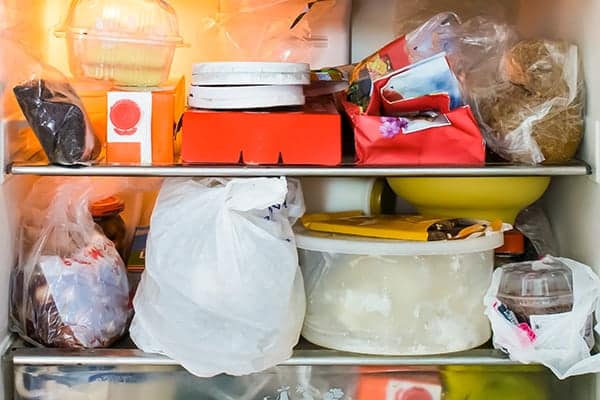
Remove old food and spills inside the fridge. Dirty coils and clutter block air circulation. Arrange food items so air flows freely. Avoid overpacking shelves to prevent cold spots.
Replacing Door Seals
Inspect door seals for cracks or gaps. Damaged seals let cold air escape and cause uneven cooling. Replace worn seals to keep the temperature stable. This stops freezing near the door edges.
Unblocking Air Vents
Locate air vents inside the fridge. Make sure vents are not blocked by food containers. Blocked vents stop cold air from circulating properly. Clear any obstacles to balance the temperature.
Resetting The Fridge
Unplug the refrigerator for five minutes. This resets the cooling system and sensors. Plug it back in and wait for it to stabilize. Resetting often fixes freezing caused by technical glitches.

Credit: oakvalleyappliance.com
When To Call A Technician
Knowing when to call a technician is key to stopping your refrigerator from freezing food. Some problems need professional tools and skills. Trying to fix these yourself can cause more damage or be unsafe. Early help can save money and prevent food waste.
Persistent Freezing Issues
Freezing food repeatedly shows a deeper problem. If adjusting the thermostat does not help, a technician should check the cooling system. Persistent freezing may point to blocked vents or damaged seals that need expert repair.
Electrical Or Mechanical Faults
Strange noises, flickering lights, or failure to run can indicate electrical or mechanical faults. These issues require a professional to test wiring, motors, and compressors. Faulty parts can cause uneven cooling and freezing problems.
Defrost System Repairs
The defrost system stops ice buildup inside the fridge. If ice forms on coils or walls, the defrost heater or timer may be broken. A technician can diagnose and fix these parts to restore normal temperature control.
Sensor And Control Board Problems
Sensors and control boards manage the fridge’s temperature. Malfunctions can cause incorrect cooling cycles and freezing food. Only trained technicians can safely inspect and replace these electronic components.
Preventive Tips For Maintaining Ideal Temperature
Maintaining the right temperature in your refrigerator stops food from freezing. Small changes help keep food fresh and safe. Follow simple tips to set the ideal fridge climate. These steps prevent cold spots and over-freezing.
Regular Cleaning
Clean the fridge interior often to remove dirt and ice buildup. Wipe shelves, walls, and door seals with mild soap. Remove frost from the freezer compartment regularly. Clean vents and fans to keep air flowing well.
Avoid Overpacking
Do not cram food items tightly inside the fridge. Overstuffing blocks air circulation and causes cold spots. Leave space between items for air to move freely. This helps keep the temperature even throughout the fridge.
Monitor Temperature Settings
Check and adjust the thermostat to keep the fridge between 37°F and 40°F (3°C to 4°C). Use a fridge thermometer for accurate readings. Avoid setting the temperature too low. Correct settings prevent freezing and maintain freshness.
Routine Maintenance Checks
Inspect door seals for cracks or gaps that let cold air escape. Replace faulty seals to save energy and keep temperature stable. Check the fridge’s cooling system and defrost cycle regularly. Call a technician if any part looks damaged or worn.

Credit: getmainelobster.com
Credit: zerowastechef.substack.com
Frequently Asked Questions
Why Does My Refrigerator Freeze Fresh Food?
Your refrigerator may freeze fresh food due to incorrect temperature settings or poor air circulation. Cold air vents might be too strong, causing freezing. Adjust the thermostat to 37-40°F and avoid placing food directly near vents to prevent freezing.
Can A Faulty Thermostat Cause Food Freezing?
Yes, a faulty thermostat can cause your refrigerator to freeze food. It may misread temperatures and cool excessively. Replacing or repairing the thermostat ensures proper temperature control and prevents unwanted freezing of fresh or stored food items.
How Does Improper Air Circulation Freeze Food?
Improper air circulation causes cold air to concentrate in certain areas, freezing nearby food. Overcrowded shelves or blocked vents restrict airflow. Ensuring proper spacing and unobstructed vents helps maintain even cooling and prevents localized freezing in your refrigerator.
Does The Fridge’s Cold Air Vent Cause Freezing?
Yes, cold air vents in refrigerators can cause food to freeze. Vents blow cold air directly, which can freeze items placed too close. Position food away from vents and adjust airflow to minimize freezing risk while maintaining proper cooling.
Conclusion
Freezing food in your refrigerator happens because cold air lowers the temperature. This stops bacteria and keeps food fresh longer. But too much cold can freeze food, changing its texture and taste. Knowing how your fridge works helps you store food better.
Adjusting the settings can prevent unwanted freezing. Keep food away from the back walls where it is coldest. This simple step protects your meals and saves money. Understanding why food freezes helps you use your fridge wisely. Your food stays tasty and safe with small, smart changes.