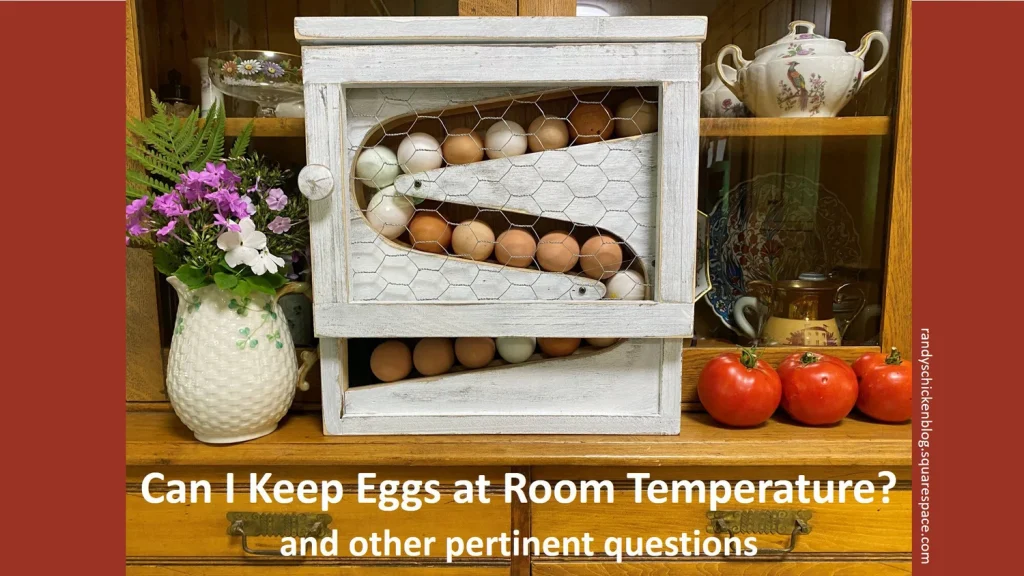
Ever stood in front of your fridge, holding a carton of eggs, and wondered if they really need to be chilled? It’s a question that pops up for many of us, especially if you’ve ever visited a farm or a friend’s house where eggs are kept right on the counter.
You might be surprised to learn that fresh eggs don’t always need refrigeration. This simple fact can change how you store your groceries and might even save you some fridge space. Imagine not having to play Tetris with your food every time you unpack your groceries.
Understanding why fresh eggs can be stored differently opens up a world of possibilities. But before you decide to rearrange your kitchen, let’s delve into the science and tradition behind egg storage. Get ready to discover how this small change can make your life a little easier and maybe even a bit more flavorful. Stay with us to uncover the reasons and benefits that might just transform your daily routine.

Credit: forksinthedirt.com
Eggs And Refrigeration Myths
Many people believe fresh eggs must always be refrigerated. This idea is common but not always true. The need for refrigeration depends on how eggs are processed and handled. Understanding the myths around egg storage helps clear up confusion and shows why fresh eggs often stay safe without a fridge.
Common Beliefs About Egg Storage
Many assume eggs spoil quickly without refrigeration. They think bacteria grow fast on eggs left out. Some also worry about salmonella risks. These beliefs push people to keep eggs cold at all times.
Others believe eggs lose freshness and taste if not refrigerated. Some say eggs should be washed before storing. This can actually remove a natural protective layer on the eggshell. Without this layer, eggs become more vulnerable to bacteria.
How Refrigeration Became Standard
Refrigeration became common in places where eggs are washed and sanitized. Washing removes the protective coating, so eggs need cold storage. This practice started mainly in the United States and a few other countries.
In many parts of the world, eggs are not washed after collection. They keep the natural coating intact. This allows eggs to stay fresh at room temperature for weeks. Refrigeration is less necessary in these cases.
Egg storage rules depend on local regulations and handling methods. The history of refrigeration reflects safety measures, not a universal need for all eggs.
Natural Protection Of Fresh Eggs
Fresh eggs come with a built-in defense system that keeps them safe without the need for refrigeration. This natural protection allows eggs to stay fresh longer at room temperature, especially if they’ve just been collected. Understanding this protective mechanism can change how you store and handle eggs at home.
Eggshell Structure And Coating
The eggshell is more than just a hard outer layer. It’s made of tiny pores that let air in and out, but it also acts as a shield against bacteria and dirt.
Covering the shell is a natural coating, often called the “cuticle” or “bloom.” This thin film seals the pores, preventing harmful microbes from entering the egg. Without this layer, eggs become vulnerable and spoil faster.
Think about times you’ve seen eggs with a dusty or rough surface versus those that look smooth and shiny. The smoother ones usually still have their protective coating intact, which helps keep them fresh longer.
Role Of The Bloom In Freshness
The bloom is the egg’s natural waterproof barrier. It dries onto the shell right after the egg is laid, locking out moisture and bacteria.
If you’ve ever washed fresh eggs, you might have noticed they lose their shine. Washing removes the bloom, which means the eggs need refrigeration to stay safe. So, if you buy unwashed eggs directly from a farm, you might not need to refrigerate them right away.
Here’s a simple question for you: How often do you check if your eggs still have their bloom? Recognizing this can help you decide whether to refrigerate or store them on your kitchen counter.
Egg Handling Practices Worldwide
Egg handling varies widely across the world. These differences shape how people store and use eggs daily. Understanding these practices helps explain why some countries refrigerate eggs and others do not.
Differences In Egg Processing
In many countries, eggs undergo washing before sale. This removes dirt but also strips the protective coating. Without this layer, eggs become more vulnerable to bacteria. Refrigeration is needed to keep them safe.
Other places avoid washing eggs. The natural coating stays intact, protecting the egg’s freshness. This allows eggs to be stored at room temperature without spoiling quickly.
Cultural Approaches To Egg Storage
Some cultures store eggs in cool, dry places like pantries. They trust the natural protection and quick consumption. Eggs often come directly from small farms or backyard hens, ensuring freshness.
In contrast, countries with large industrial egg production prefer refrigeration. This controls bacteria growth in eggs that travel long distances. Supermarkets keep eggs cold to maintain safety and quality.
When Refrigeration Is Necessary
Refrigerating fresh eggs is not always necessary, but certain conditions require it for safety. Understanding when to refrigerate helps keep eggs fresh and safe to eat. The main factors include how the eggs are handled and the environment they are stored in.
Washed Vs. Unwashed Eggs
Unwashed eggs have a natural coating called the bloom. This coating protects eggs from bacteria and moisture loss. Farmers often sell unwashed eggs that can be stored at room temperature safely for weeks.
Washed eggs lose this protective layer during cleaning. Washing removes dirt but also the bloom, making eggs more vulnerable. Refrigeration slows bacterial growth and keeps washed eggs fresh longer.
Temperature And Safety Concerns
Eggs stored in warm or fluctuating temperatures can spoil quickly. Refrigeration keeps eggs at a stable, cool temperature. This prevents bacteria from multiplying and reduces the risk of foodborne illness.
In hot climates or humid areas, refrigeration is often necessary. Always refrigerate eggs if unsure about their cleanliness or storage conditions. Proper temperature control is key to egg safety.
Tips For Storing Fresh Eggs Safely
Storing fresh eggs safely is crucial to keep them fresh and prevent any health risks. You might think refrigeration is the only way, but fresh eggs have natural defenses that allow different storage methods. Understanding these tips will help you maintain your eggs’ quality without unnecessary refrigeration.
Ideal Storage Conditions
Fresh eggs are best kept in a cool, dry place with a stable temperature. Aim for a spot around 50°F (10°C), like a cellar or pantry, away from direct sunlight and heat sources.
Keep eggs in their original carton to protect them from absorbing odors and moisture. The carton also helps prevent damage by cushioning the eggs and keeping them from bumping into each other.
Storing eggs with the pointed end down helps keep the yolk centered and fresher longer. Have you ever noticed how your eggshells can sweat in humid conditions? That’s why low humidity is important—it stops bacteria from forming on the shell.
Signs Of Spoiled Eggs
Knowing when an egg has gone bad saves you from unpleasant surprises. One quick test is to place the egg in a bowl of water—if it floats, it’s a sign that air has entered and the egg is no longer fresh.
Cracks or slimy residue on the shell indicate possible contamination. Also, if the egg gives off an unusual sulfur-like smell when cracked open, it’s time to toss it.
Have you ever cracked an egg and noticed a cloudy white? That’s actually a sign of freshness, not spoilage. But always trust your senses—look, smell, and feel before using.
:max_bytes(150000):strip_icc()/GettyImages-1823899585-9e4a4d85e8e9458d9dee6acdd561901c.jpg)
Credit: www.allrecipes.com

Credit: grubblyfarms.com
Frequently Asked Questions
Why Don’t Fresh Eggs Need Refrigeration?
Fresh eggs have a natural protective coating called the bloom. This coating seals pores and prevents bacteria from entering. It keeps eggs fresh at room temperature for weeks. Refrigeration removes this protective layer, causing eggs to spoil faster if unwashed.
How Does The Egg Bloom Protect Freshness?
The egg bloom is a thin, natural layer covering the eggshell. It blocks air and bacteria from penetrating inside. This keeps the egg’s contents fresh and safe without refrigeration. Washing eggs removes the bloom, making refrigeration necessary to prevent spoilage.
Is It Safe To Store Fresh Eggs At Room Temperature?
Yes, storing fresh eggs at room temperature is safe if unwashed. The bloom protects them from bacteria and moisture loss. However, keep eggs in a cool, dry place away from direct sunlight. Refrigerate only if eggs are washed or cracked.
Why Do Some Countries Refrigerate Eggs While Others Don’t?
Countries that wash eggs before sale refrigerate them to prevent bacterial growth. Washing removes the protective bloom, making refrigeration essential. Others sell unwashed eggs with the bloom intact, allowing safe room temperature storage. This difference explains varying egg storage practices worldwide.
Conclusion
Fresh eggs stay safe without refrigeration because of their natural coating. This coating keeps out bacteria and keeps eggs fresh longer. Storing eggs at room temperature is common in many countries. Always keep eggs in a cool, dry place away from sunlight.
Remember, washing eggs removes this protective layer, so avoid washing before storing. Understanding these facts helps you handle eggs safely at home. Enjoy fresh eggs without worry by following these simple tips. Safe and easy storage keeps eggs tasty and fresh for days.