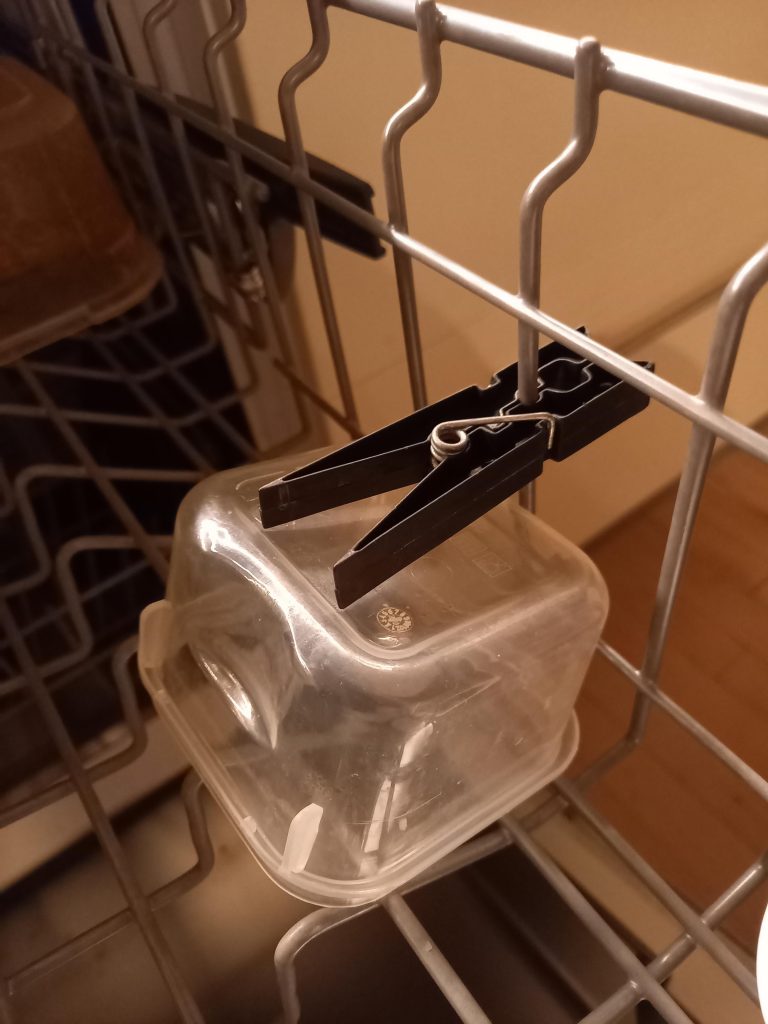
Have you ever tossed your plastic cups or containers into the dishwasher without a second thought? It might seem like a quick and easy way to clean, but putting plastic in the dishwasher can actually cause more harm than good.
From damaging your plastic items to risking harmful chemicals leaching into your dishes, there are important reasons you should think twice before loading plastic into your dishwasher. Keep reading to discover why this common habit could be affecting your health, your kitchenware, and even your dishwasher’s performance.
Plastic Types And Dishwasher Safety
Understanding the types of plastics used in your kitchenware and their dishwasher safety is essential to protect your items and health. Not all plastics can handle the heat and pressure inside a dishwasher. Knowing which plastics are safe helps you avoid warping, melting, or releasing harmful chemicals.
Common Plastics Used In Kitchenware
Several types of plastics appear in everyday kitchen items. Here are the most common:
- Polypropylene (PP): Often used in containers and lids. It is durable and heat resistant.
- Polyethylene terephthalate (PET): Common in bottles and some food packaging. It is less heat resistant.
- Polystyrene (PS): Found in disposable plates and cups. It tends to melt easily under heat.
- Polycarbonate (PC): Used in reusable water bottles and some food storage. Can release BPA when heated.
Do you check what plastic your kitchen items are made of before placing them in the dishwasher? Many people don’t, which often leads to damage or health risks.
Dishwasher-safe Labels Explained
Look closely at dishwasher-safe labels on your plastic items. These labels tell you if the manufacturer has tested the item to withstand dishwasher conditions.
- Dishwasher Safe: The item can go on the top rack without damage.
- Top Rack Only: The item should be placed only on the upper rack where heat exposure is lower.
- Hand Wash Recommended: Avoid the dishwasher to prevent damage.
Ignoring these labels often causes warping or fading. Have you ever noticed your plastic container getting brittle after repeated dishwasher cycles?
Heat Resistance Of Different Plastics
Heat resistance varies widely among plastics. Some plastics can handle the 140°F to 160°F water temperature in dishwashers, while others cannot.
| Plastic Type | Typical Heat Resistance | Dishwasher Suitability |
|---|---|---|
| Polypropylene (PP) | Up to 160°C (320°F) | Usually dishwasher safe |
| Polyethylene terephthalate (PET) | Up to 70°C (158°F) | Not recommended |
| Polystyrene (PS) | Up to 75°C (167°F) | Not recommended |
| Polycarbonate (PC) | Up to 135°C (275°F) | Dishwasher safe but BPA risk if heated |
Have you ever wondered why some plastics change shape or smell after one dishwasher cycle? It’s often due to their low heat resistance.
Chemical Risks Of Washing Plastic
Washing plastic in the dishwasher can cause chemical changes. Heat and detergent affect the plastic’s structure. These changes can release harmful substances. Understanding these risks helps keep your family safe.
Release Of Harmful Chemicals
Plastic contains additives like BPA and phthalates. Hot water and detergent break down plastic. This causes these chemicals to leak out. They can mix with your food or drink. This contamination is unsafe for health.
Impact Of Hot Water On Plastic
Dishwasher water reaches high temperatures. Heat makes plastic soften and warp. This damage increases chemical release. Repeated washing worsens this effect. Plastic items lose strength and safety.
Potential Health Concerns
Chemicals from plastic can disrupt hormones. They may cause problems like:
- Growth issues in children
- Reproductive system damage
- Increased risk of certain cancers
Reducing plastic use in dishwashers lowers these health risks. Choose safer alternatives to protect your family.
Physical Damage To Plastic Items
Plastic items often look sturdy and convenient, but exposing them to the harsh environment inside a dishwasher can cause real physical damage. The intense heat, strong water pressure, and powerful detergents can quickly wear down plastic, leaving your favorite containers or utensils unusable. Understanding how this damage happens helps you protect your plastic items and keep them looking and functioning like new.
Warping And Melting
Have you ever pulled a plastic bowl out of the dishwasher only to find it misshapen? This happens because dishwasher temperatures can reach levels that soften plastic, causing it to warp or even melt slightly. Thin or lower-quality plastics are especially vulnerable, and once warped, they won’t fit properly or hold liquids effectively.
Think about your own experience: does your plastic lunchbox still close tightly after multiple dishwasher cycles? If not, warping is likely the cause.
Cracks And Structural Weakness
Repeated dishwasher cycles expose plastic to rapid temperature changes and strong water jets, which can create tiny cracks. These cracks might be invisible at first but weaken the item’s structure over time. Eventually, your plastic containers might snap or break when you least expect it.
Have you noticed small chips or rough edges forming on your plastic utensils? That’s a sign that the dishwasher is damaging their integrity.
Effect On Plastic Appearance
Dishwashers don’t just affect the strength of plastic—they also harm its look. Colors can fade, and surfaces may become cloudy or scratched from abrasive detergents and high heat. This dull appearance makes plastic items look old and worn out much faster than hand washing.
Ask yourself: are your plastic cups still bright and clear, or have they turned dull and scratched? Protecting their appearance means avoiding the dishwasher whenever possible.

Credit: www.msn.com
Environmental Impact
Putting plastic in the dishwasher might seem harmless, but it has hidden environmental consequences that often go unnoticed. The high heat and strong water jets cause plastics to break down, releasing tiny particles and chemicals. These pollutants can travel through water systems, affecting both nature and human health in ways you might not expect.
Microplastics And Water Contamination
When plastics wash through your dishwasher, they shed microplastics—tiny plastic particles smaller than 5 millimeters. These microplastics enter wastewater and eventually reach rivers, lakes, and oceans.
Microplastics don’t just disappear; they accumulate and contaminate water sources. Fish and other aquatic animals ingest these particles, which then enter the food chain, possibly ending up on your dinner plate. Have you ever wondered how your daily habits affect the water you drink?
Plastic Degradation In Wastewater
The dishwasher’s heat and detergents accelerate plastic breakdown, releasing chemical additives like BPA and phthalates into the water. Wastewater treatment plants aren’t designed to fully remove these pollutants.
This means harmful chemicals slip through and pollute natural water bodies. Over time, these toxins disrupt aquatic life and can cause hormonal imbalances in wildlife. It’s a chain reaction triggered by something as simple as your dishwasher load.
Long-term Consequences For Ecosystems
Continuous release of microplastics and chemicals harms ecosystems in ways that might take decades to reverse. Coral reefs, freshwater habitats, and marine environments suffer from reduced biodiversity and weakened resilience.
These impacts ripple through food webs, affecting everything from tiny plankton to large predators. How much do you think your choices at home can contribute to protecting or damaging these vital ecosystems?
Safer Alternatives For Cleaning Plastics
Cleaning plastic items safely is crucial to avoid damage and health risks. The dishwasher’s high heat and harsh detergents can cause plastics to warp or release harmful chemicals. Luckily, there are safer alternatives to keep your plastics clean without compromising their integrity or your well-being.
Hand Washing Tips
Hand washing your plastic items is gentle and effective. Use warm water and a soft sponge to clean surfaces without scratching them. Avoid abrasive scrubbers that can create tiny grooves, trapping bacteria and odors.
Pay close attention to corners and crevices where residue often hides. Do you check those hard-to-reach spots regularly? A little extra care here can make a big difference.
Using Gentle Detergents
Choose mild, fragrance-free dish soaps designed for delicate items. Harsh detergents can degrade plastic over time, making it brittle and prone to cracking. Gentle soaps clean effectively without stripping away the plastic’s protective surface.
Consider detergents with natural ingredients if you have sensitive skin or want to reduce chemical exposure. These options are kinder to both your plastics and your health.
Proper Drying Techniques
After washing, dry plastics thoroughly to prevent bacteria growth and water spots. Air drying on a clean rack works well, but if you prefer using a towel, opt for a soft, lint-free cloth. Rough fabrics can scratch the surface.
Do you often leave plastic items damp in the sink? This habit may encourage odors and mold. Make drying a conscious step in your cleaning routine to keep plastics fresh and safe.

Credit: styledegree.sg
When Dishwasher Use Is Acceptable
Knowing when it’s okay to put plastic in your dishwasher can save you from ruined dishes and wasted money. Not all plastics react the same to heat and water pressure, so understanding the right choices makes a big difference. Let’s look at how to spot safe plastics, load them correctly, and adjust your dishwasher settings to protect your items.
Identifying Dishwasher-safe Plastics
Look for symbols on your plastic items before you toss them into the dishwasher. A dishwasher-safe icon usually looks like a plate or glass with water droplets or waves. Plastics labeled with recycling codes 2 (HDPE), 4 (LDPE), and 5 (PP)are often safe for dishwasher use.
Some plastics may say “top rack only,” which means you should avoid placing them on the bottom rack where the heat is stronger. If you’re unsure, test by washing one plastic item separately to see if it warps or discolors.
Best Practices For Loading Plastic Items
Place plastic items on the top rack only to avoid direct exposure to the heating element. This position uses gentler water pressure and lower temperatures. Avoid overcrowding so water can reach all surfaces and prevent items from flipping over.
Secure small plastic lids or containers so they don’t fall through the rack or block spray arms. You can use dishwasher baskets or compartments to keep these items in place. This careful placement helps maintain their shape and cleanliness.
Temperature Settings To Minimize Damage
Choose a gentle or eco-friendly cycle with lower water temperatures when washing plastics. High heat can cause warping, melting, or releasing harmful chemicals. If your dishwasher has a plastic-safe setting, use it to protect your items.
Skip the heated drying option for plastic items; instead, let them air dry outside the dishwasher. This reduces the risk of heat damage and extends the life of your plastic dishes. Have you noticed your plastics deform after a hot cycle? Lower temperatures might be the fix you need.

Credit: food52.com
Frequently Asked Questions
Why Should Plastic Not Go In The Dishwasher?
Plastic can warp or melt due to high heat in dishwashers. This damages the item and may release harmful chemicals into food or water.
Can Dishwasher Heat Harm Plastic Containers?
Yes, dishwasher heat can deform plastic containers. This reduces their lifespan and may cause toxic substances to leach into food.
Does Dishwasher Detergent Affect Plastic Safety?
Dishwasher detergents contain strong chemicals that can degrade plastic. This weakens the material and increases the risk of chemical contamination.
Are All Plastics Unsafe For Dishwashers?
Not all plastics are unsafe; only some types can handle dishwasher heat. Always check the manufacturer’s label before placing plastic in the dishwasher.
Conclusion
Plastic in the dishwasher poses real risks. Heat can warp or melt it. Chemicals from detergents may leach into the plastic. This affects food safety and health. Also, dishwasher cycles may cause plastic to break down. Tiny particles can end up in waterways.
Environmental harm results from this. Hand washing plastic items is safer. It ensures they last longer and stay in good condition. Protect your health and the environment. Make a small change today. Keep plastic out of your dishwasher. Your efforts make a big difference.
Clean and safe dishes matter.