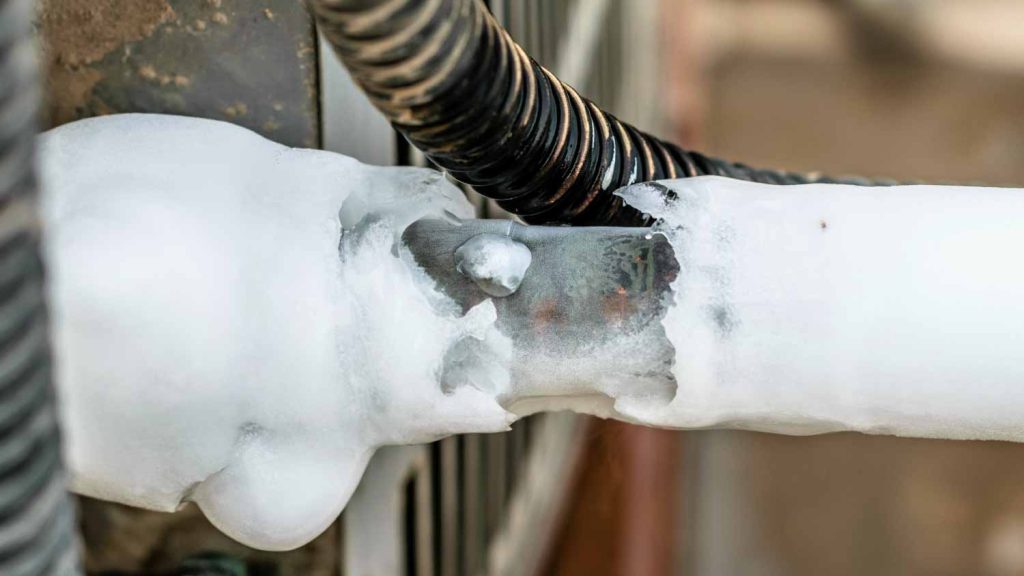
Is your AC compressor freezing up and leaving you in a sweat? You’re not alone.
Many homeowners face this chilling dilemma, and it can be both frustrating and confusing. But don’t worry, you’re in the right place. Understanding why your AC compressor is freezing up is the first step to solving the problem and ensuring your home stays cool and comfortable.
Imagine coming home after a long, hot day, eager to relax in a cool environment, only to find that your air conditioning system isn’t working properly. That sinking feeling you get when you realize something is wrong is all too familiar. The good news is that by exploring this article, you’ll uncover the common reasons behind a frozen AC compressor and learn actionable steps to fix it. So, why does this happen, and what can you do about it? Keep reading to discover the secrets behind this all-too-common issue and how you can prevent it from happening again. Your comfort depends on it!
Common Reasons For Ac Compressor Freezing
AC compressors can freeze up due to several common issues. These problems stop the system from working correctly. Identifying the cause helps fix the problem fast and avoids damage. Understanding these reasons can save time and money on repairs.
Low Refrigerant Levels
Refrigerant cools the air inside your AC system. Low levels cause the compressor to work harder. This extra strain can lead to freezing. Leaks or poor maintenance often cause low refrigerant. Refilling and fixing leaks stops the freezing problem.
Dirty Air Filters
Air filters trap dust and dirt from the air. When filters are clogged, airflow slows down. Poor airflow makes the evaporator coil too cold. This causes ice to build up and freeze the compressor. Regular cleaning or changing filters keeps air flowing freely.
Blocked Airflow
Blocked airflow can happen due to closed vents or dirty ducts. Without enough air moving, the compressor gets too cold. Ice forms around the compressor, leading to freezing. Clear vents and clean ducts allow proper airflow and prevent freezing.
Thermostat Issues
A faulty thermostat can misread room temperature. It may run the AC too long or too short. This can cause the compressor to freeze from overuse. Checking and repairing the thermostat ensures correct operation and prevents freezing.
Faulty Blower Fan
The blower fan pushes air over the coils. If it stops working, air flow drops drastically. Reduced airflow causes the coils to freeze and the compressor to ice up. Repairing or replacing the fan restores airflow and stops freezing.

Credit: serviceplusheatingcooling.ca
Effects Of A Frozen Ac Compressor
A frozen AC compressor can cause serious problems in your cooling system. Ice buildup stops the compressor from working properly. This issue affects your home’s comfort and your energy bills.
Understanding these effects helps you catch the problem early and avoid costly repairs.
Reduced Cooling Efficiency
Ice on the compressor blocks the cooling process. The AC struggles to lower the air temperature. Rooms stay warmer than desired. This makes your system less effective at keeping you cool.
Increased Energy Consumption
A frozen compressor forces the AC to work harder. It runs longer to reach the set temperature. This extra work uses more electricity. Your energy bills rise without better cooling results.
Potential Compressor Damage
Ice can harm the compressor’s internal parts. Moving components may freeze or break. This damage can lead to costly repairs or a full replacement. Early attention can prevent permanent failure.
Quick Fixes To Thaw A Frozen Compressor
Dealing with a frozen AC compressor can be frustrating, especially when the summer heat is relentless. The good news is that you can often resolve this issue quickly with some simple actions. These quick fixes help you thaw a frozen compressor effectively and prevent further damage.
Turn Off The Ac Unit
The first step to thaw your frozen compressor is to switch off your AC unit completely. This stops the system from working and allows the ice to melt naturally without causing extra strain on the compressor. You might be surprised how often simply turning it off for a few hours clears the problem.
Check And Replace Air Filters
Dirty or clogged air filters restrict airflow, which can lead to freezing. Inspect your filters and replace them if they look dusty or blocked. Clean air filters improve airflow and reduce the chance of your compressor freezing up again.
Clear Airflow Obstructions
Obstructions around your outdoor unit or vents inside your home can also limit airflow. Look for leaves, dirt, or any objects blocking the vents and clear them away. Better airflow helps your AC function smoothly and keeps the compressor from freezing.
Inspect Refrigerant Levels
Low refrigerant levels often cause compressors to freeze. While you can’t check refrigerant yourself without proper tools, you can observe signs like reduced cooling or hissing noises. If you notice these, call a professional to inspect and refill the refrigerant safely.
Reset Thermostat Settings
Sometimes, incorrect thermostat settings lead to your compressor freezing. Setting the temperature too low or using the wrong mode can create excessive cold. Adjust your thermostat to a moderate temperature and switch to “auto” fan mode to maintain balanced airflow and temperature.

Credit: www.reddit.com
Preventive Measures For Ac Compressor Freezing
Keeping your AC compressor from freezing up requires a blend of consistent care and smart monitoring. Small habits can make a big difference in preventing costly repairs and ensuring your system runs smoothly all season long. Here’s how you can take control and protect your AC compressor effectively.
Regular Maintenance Schedule
Set a routine for checking your AC system at least twice a year. Clean or replace filters regularly to avoid dirt buildup that restricts airflow, causing the compressor to work harder and freeze.
Think about the last time you skipped maintenance and ended up with a frozen unit. Don’t wait for that moment again—schedule regular cleanings and tune-ups to catch problems early.
Keep Air Vents Unblocked
Blocked or closed air vents limit airflow and can cause the compressor to freeze. Walk around your space and ensure all vents are open and clear of furniture or other obstructions.
Have you ever noticed that one room feels colder or warmer? That might be a sign of blocked vents affecting your system’s balance. Clear those vents to help your AC breathe properly.
Monitor Refrigerant Levels
Low refrigerant levels often cause the compressor to freeze due to insufficient pressure. Watch for signs like weak cooling or longer running times, which can indicate a leak or low charge.
Regularly checking refrigerant levels or having a professional do it can prevent freezing issues before they start. It’s a small step that protects the heart of your AC system.
Professional Inspections
Even if you stay on top of basic maintenance, professional inspections catch hidden problems early. Technicians can test components, check electrical connections, and spot refrigerant leaks that you might miss.
Think of these inspections as health checkups for your AC. Skipping them might save time now but could cost you more later in repairs and discomfort.
When To Call A Professional
Knowing when to call a professional for a freezing AC compressor can save you time, money, and frustration. Some issues require expert attention to prevent further damage and ensure your system runs smoothly. If you notice persistent or unusual problems, it’s a clear sign to reach out for help.
Persistent Freezing Issues
If your AC compressor keeps freezing despite your attempts to fix it, don’t ignore the problem. Persistent freezing often points to deeper issues like clogged filters, dirty coils, or airflow problems that need professional tools to diagnose.
Continuing to run a frozen compressor can cause permanent damage. Have you noticed your system shutting off unexpectedly or your cooling performance dropping? These are signs to get an expert involved before things get worse.
Refrigerant Leaks
Low refrigerant levels can cause your compressor to freeze, but handling refrigerants requires special training and equipment. If you suspect a leak—such as hissing sounds, oily residue, or poor cooling—calling a technician is the safest option.
Attempting to refill refrigerant yourself can be dangerous and illegal in many places. Professionals can find and fix leaks properly, ensuring your AC runs efficiently without harming the environment.
Compressor Noise Or Damage
Strange noises coming from your compressor or visible signs of damage demand immediate professional inspection. Grinding, rattling, or buzzing sounds often indicate mechanical failure that you can’t safely repair on your own.
Ignoring these signs can lead to a costly full system breakdown. Don’t wait until your AC stops working completely—early professional intervention can save you from bigger headaches.
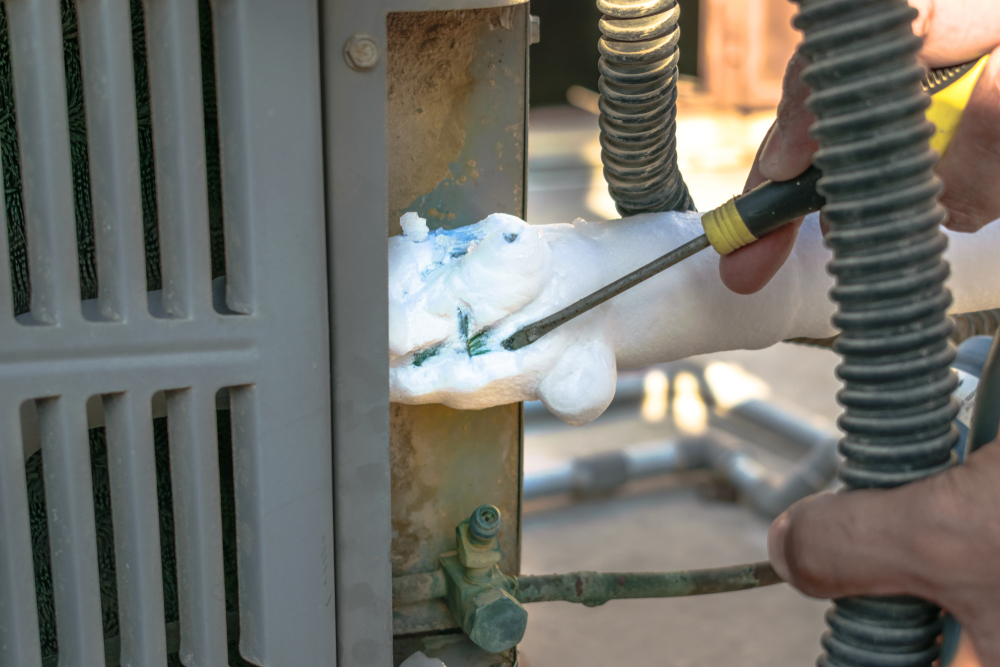
Credit: tcomfort.com
Frequently Asked Questions
Why Does My Ac Compressor Freeze Up?
Your AC compressor freezes due to low refrigerant, dirty filters, or airflow issues. These cause temperature drops, leading to ice buildup. Regular maintenance prevents freezing and improves efficiency.
How To Fix A Frozen Ac Compressor?
Turn off your AC and let the ice thaw naturally. Check and replace dirty filters, clean coils, and ensure proper refrigerant levels. Call a technician if freezing persists.
Can Low Refrigerant Cause Ac Compressor Freezing?
Yes, low refrigerant leads to low pressure, causing coil temperatures to drop. This results in ice formation on the compressor and coils, freezing the system.
Does Poor Airflow Contribute To Ac Freezing?
Poor airflow restricts warm air from reaching coils, causing them to freeze. Clean or replace filters and check vents for blockages to improve airflow.
Conclusion
A freezing AC compressor signals a problem that needs quick action. Dirty filters, low refrigerant, or poor airflow often cause this issue. Regular maintenance keeps your AC running smoothly and stops freezing. Ignoring the problem can lead to bigger repairs and higher costs.
Stay alert to signs like unusual noises or weak cooling. Fix small problems early to save time and money. Proper care helps your AC work well all summer long. Don’t let a frozen compressor ruin your comfort.