
Is your air conditioner blowing out water and leaving you puzzled? You’re not alone, and this issue can be more common than you think.
When your AC starts dripping or spraying water, it’s a clear sign something isn’t right. Ignoring it could lead to bigger problems and higher repair costs. But don’t worry—understanding why this happens is the first step to fixing it quickly.
Keep reading to discover the main reasons behind this issue and how you can protect your home and stay cool without the hassle.

Credit: www.reddit.com
Common Causes Of Water Leakage
Clogged drain linestops water from flowing out. Water builds up and leaks inside. Dirt and mold often block the line. Cleaning it regularly helps avoid leaks.
Frozen evaporator coilhappens when airflow is poor or refrigerant is low. Ice forms on the coil, then melts and drips water. This water can leak inside the home.
Damaged drain pancollects water from the evaporator coil. If cracked or rusted, water leaks out. Replacing the pan stops leaks and protects floors.
Improper installationcan cause water to flow wrong. Pipes may not slope correctly, or connections might be loose. This leads to water spilling from the air conditioner.
Effects Of Water Leakage On Your Ac
Water leakagecan cause serious problems for your air conditioner. It lowers the unit’s ability to cool your home efficiently. When water leaks, the system struggles to keep the air cold and comfortable.
Electrical partsmay get wet from the leaking water. This can cause short circuits or damage the AC’s wiring. Such damage may lead to costly repairs or even total failure.
Leaked water also creates a wet environment. This is perfect for mold and mildewto grow. Mold spores can spread inside your home, causing bad smells and health issues.
How To Diagnose The Problem
Inspecting the Drain Linehelps find clogs causing water buildup. Clear any blockages to stop leaks. Check if water flows freely through the pipe.
Checking the Evaporator Coilreveals ice or dirt problems. Clean coils improve airflow and reduce water overflow. Ice on coils means low refrigerant or airflow issues.
Examining the Drain Panensures it is not cracked or rusted. A damaged pan lets water escape and drip. Replace or fix the pan if damaged.
Assessing Installation Issuesincludes checking if the unit is tilted correctly. Poor tilt leads to water not draining right. Confirm the air conditioner is level and secure.
Diy Fixes For Water Leakage
Clearing the drain linestops water from backing up. Use a wet/dry vacuum or a plumber’s snake to clear blockages. Regular cleaning helps prevent leaks.
Thawing the evaporator coilfixes ice buildup. Turn off the AC and let the ice melt naturally. Avoid using sharp tools that may damage the coil.
Replacing the drain panis necessary if the pan is cracked or rusted. A new pan collects water properly and stops leaks. Check for damage during routine maintenance.
Adjusting installation settingscan solve drainage issues. Ensure the AC unit is level and the drain line slopes downward. Proper setup helps water flow out smoothly.
When To Call A Professional
Persistent water leaksfrom your air conditioner can cause damage. It may mean the drain line is clogged or broken. This problem needs quick attention to stop water damage. A professional can find the exact cause and fix it safely.
Electrical concernsare serious. If your AC unit has water near electrical parts, it can cause shorts or shocks. Only trained technicians should handle these issues. They know how to keep you safe while fixing the problem.
Complex repairslike fixing coils, motors, or drainage systems require special tools and skills. Trying to fix these without experience can cause more damage. Professionals have the right equipment to do the job right the first time.
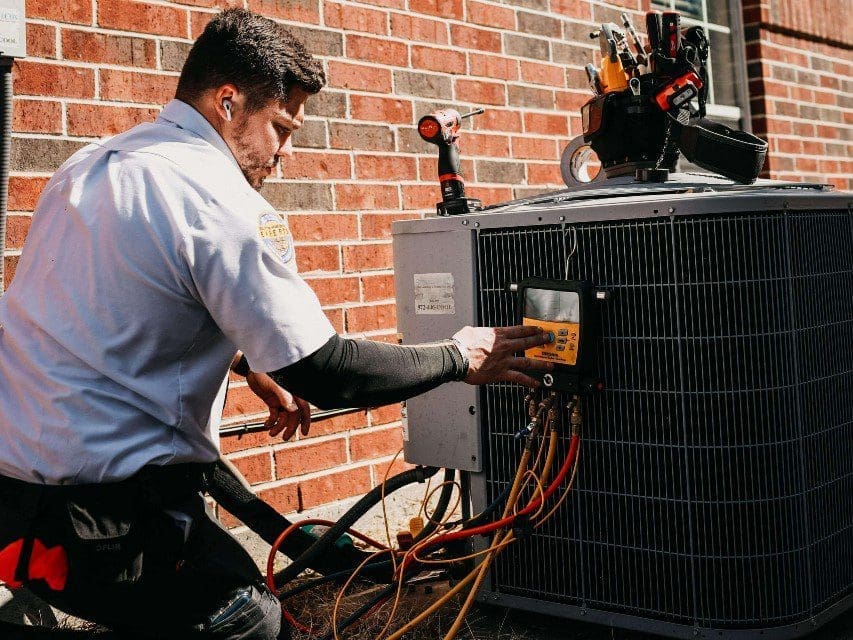
Credit: callmilestone.com
Preventive Measures
Keep air filters clean to stop blockages that cause water leaks. Regularly check the drain line and clear any clogs. Ensure the unit is level to help proper water flow and prevent spills.
Regular Maintenance Tips
Cleaning air filtershelps air flow and stops water build-up. Check filters every month. Clear debris from the outdoor unit to keep it dry and clean. Inspect drain lines for clogs to prevent water leaks. Schedule professional check-ups yearly to catch small problems early.
Proper Installation Practices
Ensure the unit is levelto allow water to drain correctly. Use the right size of air conditioner for your space. Avoid placing the unit where water can pool underneath. Proper sealing around the unit stops moisture from entering inside walls.
Using A Dehumidifier
A dehumidifier reduces excess moisturein the air. This helps the air conditioner work better and reduces water dripping. Place it in areas with high humidity for best results. It protects walls and floors from water damage.

Credit: www.youtube.com
Frequently Asked Questions
Why Is My Air Conditioner Leaking Water Inside?
Water leakage usually happens due to a clogged drain line or dirty filters. This blocks water flow, causing overflow. Regular cleaning can prevent leaks and maintain efficiency.
Can A Frozen Evaporator Coil Cause Water Leaks?
Yes, a frozen coil melts and drips water inside. This happens when airflow is restricted or refrigerant is low. Promptly fixing these issues stops leaks.
How Does A Clogged Drain Pan Lead To Ac Water Leaks?
A clogged drain pan traps condensation, causing overflow and leaks. Regularly clearing debris and inspecting the pan keeps your AC dry and functional.
Does Poor Installation Cause My Ac To Blow Out Water?
Improper installation can cause water drainage problems, leading to leaks. Ensuring correct setup and slope helps water flow away, preventing indoor water damage.
Conclusion
Water coming from your air conditioner is a sign to check it soon. Clogged drains or dirty filters often cause this issue. Fixing these problems can stop water leaks quickly. Regular cleaning and maintenance keep your AC running well. Don’t wait until small leaks turn into big damage.
Stay alert and care for your air conditioner. It will cool your home better and last longer. Simple steps can save you money and hassle. Keep your AC dry and working smoothly all year.