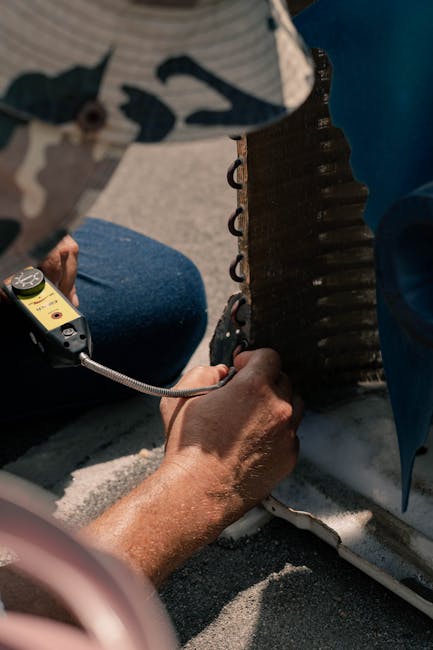
Is your air conditioner coil freezing up, leaving you confused and uncomfortable? You’re not alone.
When your AC coil freezes, it can stop your system from cooling properly and even cause damage. But why does this happen? Understanding the reasons behind a frozen coil can help you fix the problem quickly and avoid costly repairs.
Keep reading to find out what might be causing your air conditioner coil to freeze and what you can do to get your cool air flowing again.
Common Causes Of Ac Coil Freezing
An air conditioner coil can freeze up for several reasons. This problem stops your AC from cooling properly. Knowing the causes helps you fix it quickly.
Below are common issues that cause the AC coil to freeze. Learn about each to keep your system running well.
Restricted Airflow Issues
Airflow is vital for your AC to work right. Blocked vents or closed ducts stop air from moving. This causes the coil to get too cold and freeze.
- Closed or blocked air vents
- Dirty or damaged ductwork
- Obstructions near the outdoor unit
Low Refrigerant Levels
Refrigerant cools the air in your home. When levels drop, the coil gets colder than usual. This can cause ice to form and block airflow.
Thermostat And Temperature Settings
Setting the thermostat too low makes the AC work too hard. It drops the coil temperature below freezing. This leads to ice buildup on the coil.
Dirty Or Clogged Filters
Filters keep dust and dirt out of the AC. When dirty, they limit airflow. Reduced airflow causes the coil to freeze.
| Filter Condition | Effect on Airflow | Risk of Freezing |
| Clean | Good airflow | Low |
| Partially Dirty | Moderate airflow | Medium |
| Clogged | Poor airflow | High |
Faulty Blower Fan
The blower fan moves air over the coil. If it stops or runs slow, the coil stays too cold. This causes ice to form on the coil.
Drainage Problems
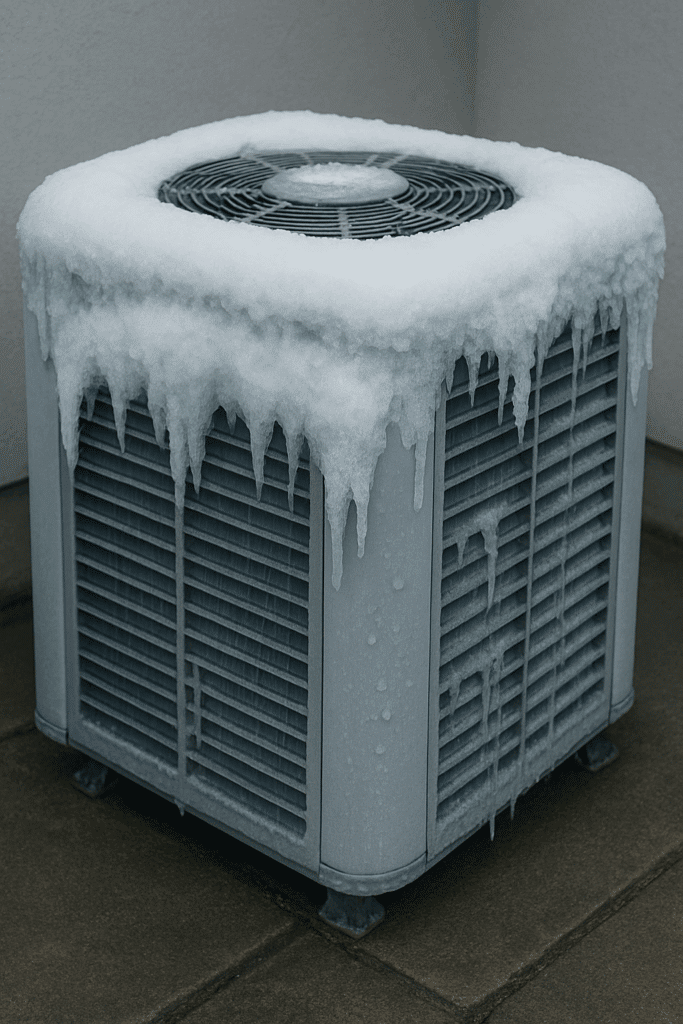
Water from the coil needs to drain properly. Blocked drain lines cause water to build up. This water can freeze and add to the ice on the coil.
Credit: bellplumbing.com
How Frozen Coils Affect Ac Performance
Frozen coils in your air conditioner can cause several problems. These issues reduce the system’s ability to cool your home. Understanding these effects helps you catch problems early.
This guide explains how frozen coils impact your AC’s cooling power, energy use, and overall health.
Reduced Cooling Efficiency
Ice on the coils blocks the airflow needed to cool the air. This means the AC cannot lower the room temperature well. The system must work harder to reach the desired comfort level.
Frozen coils reduce the AC’s ability to absorb heat from indoor air. This leads to uneven cooling and longer run times.
Increased Energy Consumption
When coils freeze, the AC uses more power. The compressor runs longer and harder. This raises your energy bills and wastes electricity.
- Frozen coils block heat exchange
- Compressor works overtime
- Electricity use spikes
- Higher monthly utility costs
Potential System Damage
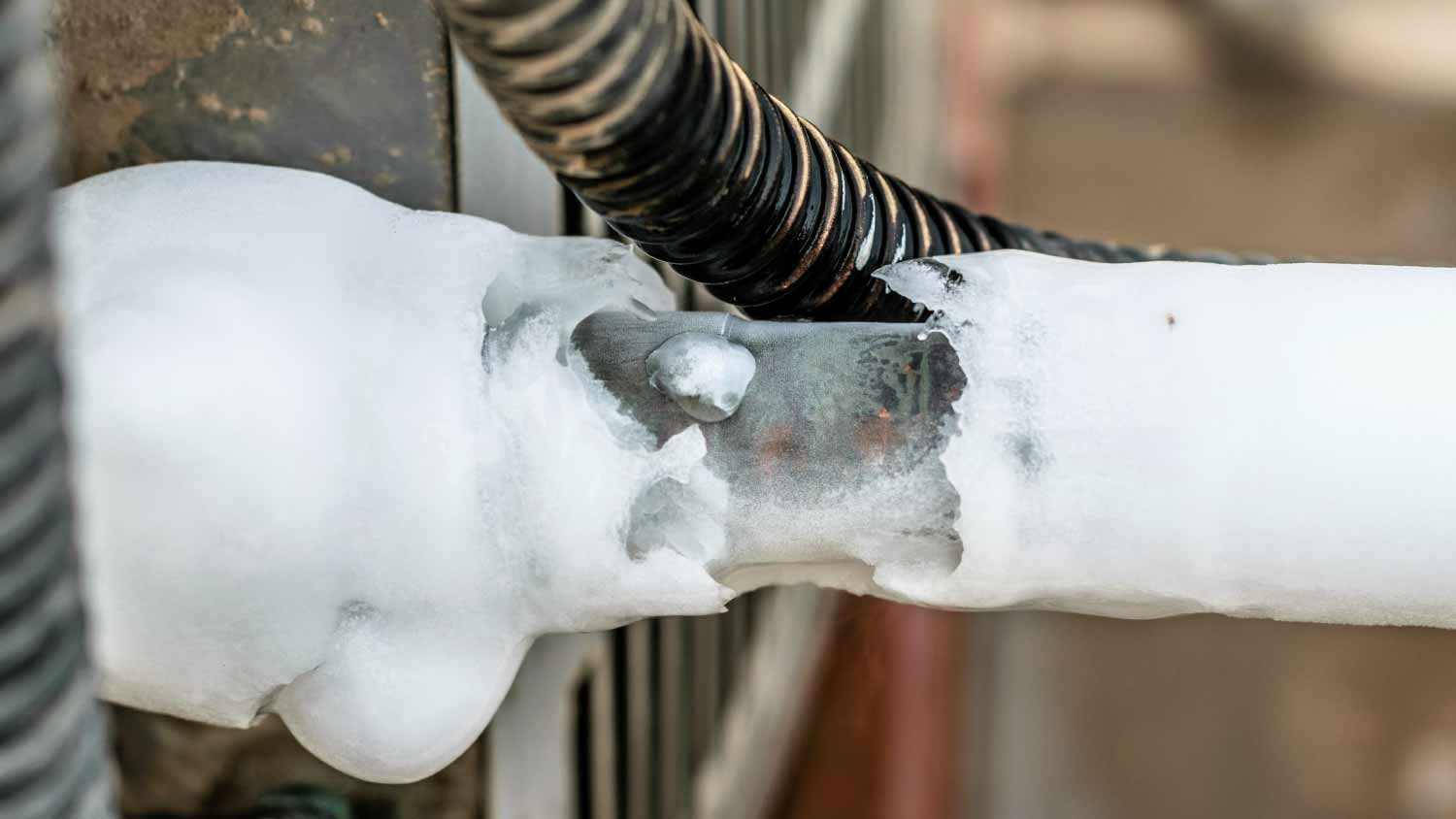
Ice buildup can harm your AC parts. The compressor may overheat or fail. Other components might crack or leak refrigerant.
| Damage Type | Cause | Effect |
| Compressor Overload | Frozen coils limit refrigerant flow | System shuts down or breaks |
| Refrigerant Leak | Cracked coils due to ice expansion | Reduced cooling and costly repair |
| Fan Motor Stress | Blocked airflow from ice | Fan may stop working properly |
Diy Fixes For Frozen Ac Coils
Frozen air conditioner coils can stop your AC from cooling properly. Ice builds up on the coils and blocks airflow.
You can fix some causes of frozen coils yourself. Try these simple steps before calling a technician.
Turning Off The Unit To Thaw
Turn off your AC to let the ice melt. Keep the fan running to speed up thawing if your system allows it.
Do not try to remove ice with sharp objects. Let it melt naturally to avoid damage.
Cleaning Or Replacing Filters
Dirty filters reduce airflow and cause coils to freeze. Check your air filter every month.
Clean reusable filters or replace disposable ones. This keeps air flowing well and stops ice build-up.
- Remove the filter from the AC unit
- Clean with water or replace if dirty
- Let it dry completely before reinstalling
Checking And Clearing Air Vents
Blocked vents reduce airflow and cause frozen coils. Look for furniture or objects covering vents.
Clear any blockages and clean dust from vents. This helps air move freely through your AC system.
- Inspect all air vents in your home
- Remove objects blocking the vents
- Use a vacuum or brush to clean dust
Adjusting Thermostat Settings
Setting your thermostat too low can freeze AC coils. Raise the temperature a few degrees to reduce ice.
Use a fan mode or set the thermostat higher if the air is too cold. This prevents the coils from freezing again.
When To Call A Professional
If your air conditioner coil is freezing up, it is a sign that something is wrong. Sometimes, you can fix small issues yourself.
Other times, you need a professional to check and repair the system. Knowing when to call a pro can save you money and prevent damage.
Handling Refrigerant Issues
Low refrigerant levels cause the coil to freeze. A professional can find leaks and refill the refrigerant safely.
They have the tools to test pressure and check for leaks that you cannot see or fix.
- Refrigerant is harmful if handled wrong
- Only certified technicians can refill it properly
- Leaks need special repair to stop future problems
Fixing Electrical Or Mechanical Faults
Electrical or mechanical issues can cause the coil to freeze. Problems include faulty fans or sensors.
A professional can test wiring and parts to find what is broken or worn out.
- Damaged wiring can cause system failure
- Broken fans reduce airflow and cause freezing
- Faulty sensors give wrong temperature readings
Routine Maintenance Tips
Regular maintenance helps prevent coil freezing. Professionals can clean and inspect your system thoroughly.
They check filters, coils, and airflow to keep your AC running well.
- Replace or clean air filters every 1-3 months
- Clean coils to improve heat exchange
- Check airflow and clear blockages
- Schedule yearly professional inspections
Preventing Future Coil Freezing
Air conditioner coils freeze when cold air meets restricted airflow. This can cause damage and reduce cooling.
Stopping coil freezing means keeping your system clean and well-maintained. Here are key ways to prevent it.
Regular Filter Maintenance
Dirty filters block air and cause coils to freeze. Clean or replace filters every 1 to 3 months.
- Check filters monthly during heavy use
- Use the right size and type of filter
- Replace filters that look dirty or clogged
- Keep spare filters on hand for quick changes
Ensuring Proper Airflow
Good airflow stops ice from forming on coils. Clear vents and keep fans running smoothly.
| Action | Why It Helps |
| Keep vents open and unblocked | Air flows freely to cool the coils |
| Clean blower fans regularly | Fans move air efficiently |
| Check ductwork for leaks | Prevents loss of cool air |
| Set thermostat to proper temperature | Avoids overworking the system |
Scheduled Professional Inspections
Experts find hidden problems early. They clean coils and check refrigerant levels to keep your AC safe.
- Schedule yearly AC tune-ups
- Ask the technician to inspect coil condition
- Have refrigerant pressure checked and refilled if needed
- Request airflow and electrical system tests

Credit: www.reddit.com
Credit: www.angi.com
Frequently Asked Questions
Why Does My Ac Coil Freeze Up Frequently?
AC coils freeze due to restricted airflow, low refrigerant, or dirty filters. These issues cause the coil temperature to drop below freezing, leading to ice buildup. Regular maintenance and cleaning can prevent this problem and ensure efficient cooling.
How Can Low Refrigerant Cause Coil Freezing?
Low refrigerant reduces pressure in the AC system, causing the coil temperature to drop. This drop leads to condensation freezing on the coil surface. Recharging refrigerant and fixing leaks can resolve the freezing issue quickly.
Can Dirty Air Filters Lead To Coil Freezing?
Yes, dirty air filters block airflow over the coil, causing it to get too cold. Restricted airflow lowers coil temperature, resulting in ice formation. Replacing or cleaning filters regularly helps maintain proper airflow and prevents freezing.
What Role Does Airflow Play In Coil Freezing?
Proper airflow keeps the coil temperature balanced. Poor airflow causes the coil to become too cold, leading to ice buildup. Ensuring vents are open and filters are clean improves airflow and prevents coil freezing.
Conclusion
A freezing air conditioner coil signals a problem in your system. Dirt, low refrigerant, or poor airflow often cause this issue. Fixing these helps your AC work better and last longer. Regular cleaning and check-ups keep your coil healthy. Don’t wait until damage occurs.
Act early to save money and stay cool. Simple care makes a big difference. Keep your home comfortable all summer long.