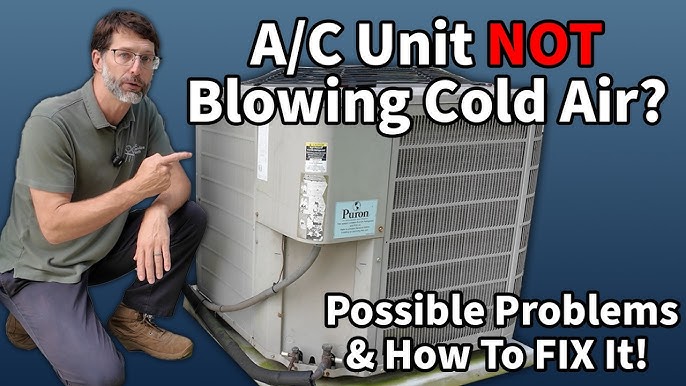
Is your air conditioner running but no air is coming out? This can be frustrating, especially when you’re counting on cool air to beat the heat.
You might be wondering why your AC is on but not blowing air. The good news is, you’re not alone—and there are simple reasons behind this problem. Understanding what’s causing your AC to stop blowing air can save you time, money, and stress.
Keep reading to discover the common causes and easy fixes that can get your air conditioner working properly again.
Common Reasons For No Airflow
When your air conditioner stops blowing air, it can feel frustrating. Knowing the common causes helps you fix the issue quickly.
Several problems can block airflow in your AC. Some are easy to check and fix at home.
Clogged Air Filters
Dirty or clogged air filters stop air from moving through your AC. Dust, dirt, and debris build up over time.
This reduces airflow and can damage your system. Clean or replace filters every 1-3 months for best results.
Blocked Vents Or Registers
Vents and registers can get blocked by furniture, curtains, or dirt. Blockages stop air from flowing into rooms.
Check that all vents are open and clean. Remove any objects in front of them to allow proper airflow.
Fan Motor Issues
The fan motor pushes air through the AC system. If it stops working, no air will blow out of the vents.
Common fan motor problems include electrical faults or worn-out parts. A technician may need to repair or replace the motor.
Frozen Evaporator Coil
The evaporator coil cools the air inside your AC. If it freezes, airflow can stop completely.
Freezing happens when there is low refrigerant or poor airflow. Turn off the AC and let the ice melt before using it again.
Electrical Problems To Check
If your air conditioner is not blowing air, electrical issues might be the cause. Checking electrical parts can help find the problem fast.
Some common electrical problems stop the AC fan from working. Look at the circuit breaker, capacitor, and wiring first.
Tripped Circuit Breaker
The circuit breaker controls the power to your air conditioner. It can trip if there is an overload or short circuit.
If the breaker trips, the AC stops working and won’t blow air. Check your breaker box for any switches that are off or in the middle.
- Locate your breaker box
- Find the switch for the AC unit
- Reset the breaker by flipping it off and on
- If it trips again, call an electrician
Faulty Capacitor
The capacitor helps start the AC fan motor. A bad capacitor means the fan won’t run and no air will blow out.
You may hear a humming sound, but the fan does not move. This often means the capacitor needs to be replaced.
- Turn off power to the AC unit
- Locate the capacitor inside the unit
- Look for bulges or leaks on the capacitor
- Replace the capacitor if it looks damaged
Wiring Issues
Loose or damaged wires can stop power from reaching the AC fan. This stops air from blowing out of the vents.
Check wires for signs of wear, burns, or loose connections. Fix or replace any damaged wiring to restore airflow.
- Turn off power before checking wires
- Inspect all wires connected to the fan motor
- Tighten any loose wire connections
- Replace wires that look damaged or burned
Refrigerant Level Concerns
Your air conditioner needs the right refrigerant level to cool the air. Low refrigerant can stop air flow.
When refrigerant is low, the AC cannot work properly. This may cause it to stop blowing air.
Signs Of Low Refrigerant
Low refrigerant causes the AC to cool less and blow weak air. You may notice these signs:
- Air feels warm or less cold than usual
- Airflow from vents is weak or slow
- Ice forms on the AC coils or pipes
- The AC runs longer than normal without cooling
- Higher energy bills without better cooling
These signs mean the refrigerant might be leaking or low in your system.
Leak Detection Methods
Finding a refrigerant leak needs special tools and care. Here are common ways to detect leaks:
- Visual inspection to find oil stains or damaged parts
- Using a soap solution to look for bubbles on pipes and connections
- Electronic leak detectors that sense refrigerant gas
- Ultraviolet dye added to refrigerant to spot leaks with a UV light
Calling a professional helps find leaks and fix refrigerant levels safely.

Credit: www.youtube.com
Thermostat Malfunctions
Your air conditioner may stop blowing air if the thermostat has problems. The thermostat controls the AC’s operation. It tells the system when to cool the air.
If the thermostat malfunctions, the AC might not turn on or blow air. Understanding common thermostat issues can help you fix the problem.
Incorrect Settings
Sometimes the thermostat settings are wrong. If the temperature is set too high, the AC will not start. Also, the mode might be set to heat or fan only.
Check the thermostat settings before calling for repairs. Make sure the mode is set to “cool” and the temperature is below room temperature.
- Set mode to “cool”
- Lower the temperature setting
- Check if the fan setting is on “auto”
- Replace batteries if needed
Calibration Issues
Thermostats can lose calibration over time. This means the thermostat shows the wrong temperature. It may stop the AC from running even when it is hot.
To fix this, you may need to recalibrate or replace the thermostat. Some models allow you to adjust calibration yourself.
- Compare thermostat reading with a room thermometer
- Adjust calibration if your thermostat supports it
- Replace old or faulty thermostats
- Call a professional if unsure
Diy Fixes To Try
If your air conditioner is running but not blowing air, some simple fixes may help. You do not always need a technician right away.
Try these easy steps to check your system and get air flowing again. Safety first: always turn off power before working on your AC.
Cleaning Or Replacing Filters
Dirty filters block air and reduce airflow. Clean or replace your filters regularly to keep air moving.
- Turn off the air conditioner.
- Locate the air filter, usually behind a panel or grill.
- Remove the filter carefully.
- If washable, rinse with water and dry fully.
- If disposable, replace with a new filter.
- Reinstall the filter and close the panel.
Unblocking Vents
Blocked vents stop air from flowing into your rooms. Make sure all vents are open and clear.
| Common Vent Blockages | How to Fix |
| Furniture covering vents | Move furniture away from vents |
| Dust buildup inside vents | Vacuum vents gently or use compressed air |
| Closed or partly closed vents | Open vents fully |
Resetting The System
Sometimes the AC system needs a reset to work right. This can fix minor electrical or control issues.
- Turn off the thermostat and the air conditioner power at the breaker.
- Wait about 5 minutes to let the system reset.
- Turn the breaker and thermostat back on.
- Set the thermostat to cool and check if air starts blowing.

Credit: www.youtube.com
When To Call A Professional
If your air conditioner is not blowing air, some problems need expert help. Trying to fix these issues alone can cause more damage.
Knowing when to call a professional saves time and keeps your AC safe. Some repairs require special tools and skills.
Complex Electrical Repairs
Electrical problems in your AC can be dangerous. Faulty wiring or broken capacitors need careful handling.
Only trained technicians should work on electrical parts. They have the right tools to test and fix the system safely.
Refrigerant Handling
Refrigerants cool the air in your AC. If the refrigerant leaks or runs low, the AC will stop blowing cold air.
Refilling or fixing refrigerant leaks requires special equipment. A professional can handle refrigerants safely and follow rules.
Motor Replacement
The blower motor pushes air through the vents. If it stops working, no air will blow out of your AC.
Replacing the motor needs skill and the correct parts. A professional can remove the old motor and install a new one properly.
Preventive Maintenance Tips
Your air conditioner may stop blowing air if it is not well maintained. Regular care helps keep it working properly. Preventive maintenance can avoid many common problems.
Following simple maintenance tips can save money and extend the life of your AC unit. These tips focus on key areas to check and clean regularly.
Regular Filter Changes
Dirty filters block airflow and reduce cooling. Change your air filter every 1 to 3 months. This keeps air moving freely and improves air quality.
Check the filter monthly during heavy use. Replace or clean it if you see dust or dirt build-up.
- Choose the correct filter size for your unit
- Use high-quality filters for better air cleaning
- Mark calendar reminders to check filters regularly
Scheduled Inspections
Have a professional inspect your air conditioner at least once a year. They can find small problems before they become big issues.
Inspections include checking the refrigerant level, electrical parts, and overall system function. This helps keep your AC running smoothly.
- Schedule inspections in spring before hot weather
- Ask for a full system checkup and cleaning
- Fix any problems found during the inspection quickly
Keeping Outdoor Unit Clear
The outdoor unit needs space to work well. Remove leaves, dirt, and debris around it regularly. This lets air flow freely and cool the unit.
Keep plants and furniture at least two feet away from the outdoor unit. Clean the coils with a soft brush or hose to remove dirt.
- Clear grass clippings and leaves weekly
- Trim nearby bushes and plants
- Check for any signs of damage or rust

Credit: www.lochardplumbingheatingandcooling.com
Frequently Asked Questions
Why Is My Ac Not Blowing Air?
Your AC might not blow air due to a clogged filter. A dirty filter restricts airflow, causing reduced or no air output. Check and clean or replace the filter regularly to ensure proper airflow. Additionally, ensure vents are open and unobstructed for optimal air circulation.
How Do I Fix My Ac Airflow Problem?
To fix AC airflow problems, first check the air filter and replace if dirty. Make sure all vents are fully open and unblocked. Inspect the blower fan for any malfunction. If issues persist, consider consulting a professional HVAC technician for further diagnosis and repairs.
Can A Dirty Filter Stop Ac Airflow?
Yes, a dirty filter can significantly restrict AC airflow. When the filter is clogged, it impedes air movement through the system. This not only reduces airflow but can also cause the AC to overheat or freeze up. Regularly replacing or cleaning filters can prevent these issues.
What Causes Ac Vents To Stop Working?
AC vents may stop working due to blocked ducts or a malfunctioning blower fan. Ensure that all vents are open and free from obstructions. Inspect the blower fan for any issues. If the problem continues, the issue might be with the ductwork or electrical components, requiring professional assistance.
Conclusion
A broken air conditioner can cause real discomfort. Check the filter and power first. Dust or clogs often stop air flow. Sometimes, the fan or motor needs fixing. Small problems can turn big fast. Acting quickly saves money and stress.
Call a professional if unsure. Keep your home cool and comfortable. Regular care helps your AC last longer. Don’t let a silent AC ruin your day. Simple steps can bring back fresh air. Stay cool and enjoy your space again.