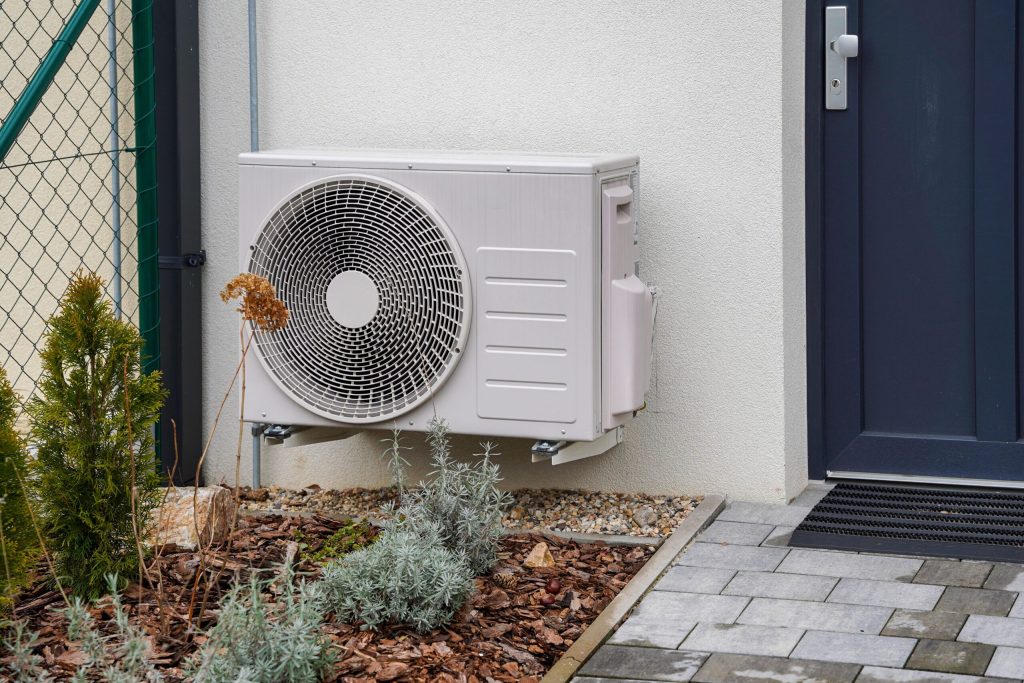
Is your air conditioner making a noise that’s louder than usual? You’re not alone, and it can be really frustrating.
A noisy AC doesn’t just disturb your peace—it might be trying to tell you something important. Understanding why your air conditioner is so loud can save you from bigger problems and costly repairs down the line. Keep reading, because we’ll uncover the common causes behind that annoying noise and show you how to fix it quickly.
Don’t let your cool comfort turn into a noisy nightmare!
Common Noise Sources
Fan issuesoften cause loud sounds. Fans may get unbalancedor worn out. This makes a loud rattlingor buzzingnoise. Sometimes, fan blades hit the housing, creating loud sounds. Regular checks keep fans quiet.
Compressor soundscan be very loud. The compressor is the heartof the AC. When it startsor stops, it may make clankingor hummingnoises. A failing compressor gets noisier over time.
Loose partsinside the AC can shake or rattle. Screws, panels, or mounts may come loose. This causes vibrationsand a clatteringsound. Tightening parts helps reduce noise.
Debris and dirtbuild up inside the unit. Leaves, sticks, or dust block moving parts. This makes the fan or motor work harder and louder. Cleaning the unit often keeps it quiet.

Credit: northnjhvac.com
Effects Of Loud Ac
Loud air conditionerscan cause many problems at home. They disturb your sleepby making it hard to rest peacefully. This noise can keep you awake or wake you up during the night.
The constant sound also increases stress. It makes it difficult to focus or relax. Over time, this can affect your mood and health.
Ignoring the loud noise may lead to potential damagein the AC unit. Parts can wear out faster, causing costly repairs or replacements.
- Sleep problems due to noise
- Higher stress levels
- Faster machine wear and tear
Simple Troubleshooting Steps
Loose screws can cause your air conditioner to make loud noises. Check all screws and tighten them carefully. This helps reduce vibrations and rattling sounds.
Dirty filters and coils block airflow and cause the unit to work harder. Clean or replace filters regularly. Wipe down coils to remove dust and dirt for quieter operation.
Debris like leaves or branches near the unit can create noise. Clear all debris around the air conditioner. This allows proper airflow and lowers sound levels.
When To Call A Professional
Persistent loud noisesfrom your air conditioner may signal a serious issue. Strange sounds like banging or grinding should not be ignored. These noises can mean worn-out parts or loose components inside the unit. Continuing to use it might cause more damage.
Unusual smells or smokeare warning signs that need immediate attention. Burning smells or visible smoke can indicate electrical problems or overheating. This is a safety risk and requires quick action.
Electrical issuessuch as frequent tripping of breakers or flickering lights near the AC suggest wiring problems. Faulty electrical connections can cause damage or even fire hazards. Contacting a professional can prevent accidents and keep your home safe.
Preventive Maintenance Tips
Keeping your air conditioner quiet starts with a regular cleaning schedule. Dirt and dust build-up can cause loud noises and reduce efficiency. Clean or replace filters every month during heavy use. Wipe down the exterior and clear debris around the unit.
Seasonal inspections help catch problems early. Check for loose parts, worn belts, or damaged components before the hot season starts. This simple step can prevent strange sounds and costly repairs.
Lubricating moving parts ensures smooth operation. Parts like fan motors and bearings need oil to reduce friction. Apply the right lubricant every few months to keep your AC running quietly and efficiently.

Credit: www.youtube.com

Credit: davisheatingair.com
Frequently Asked Questions
Why Is My Air Conditioner Making Loud Noises?
Loud noises often indicate loose parts, debris, or worn-out components. Regular maintenance can prevent this. Check for debris and tighten screws to reduce noise.
Can A Dirty Air Filter Cause Loud Ac Sounds?
Yes, a dirty filter restricts airflow and strains the system. This can cause the AC to work harder and become noisy. Replace filters regularly to keep noise down.
Is A Loud Ac Unit A Sign Of Compressor Issues?
Yes, the compressor can cause loud bangs or humming if faulty. Early diagnosis can prevent costly repairs. Schedule professional inspection if you suspect compressor problems.
How Does Poor Installation Increase Ac Noise?
Incorrect installation can cause vibrations and rattling sounds. Proper mounting and leveling are essential to minimize noise. Always use certified technicians for installation.
Conclusion
A noisy air conditioner can disturb your peace. Regular maintenance helps. Check for loose parts and clean the filters often. Ensure proper installation to avoid extra noise. Consider professional help if the problem persists. Professionals can identify and fix complex issues.
A quieter air conditioner means a more comfortable home. Stay proactive to enjoy cooler, quieter summers. Simple steps can make a big difference in noise reduction. Keep your cool with these easy tips.