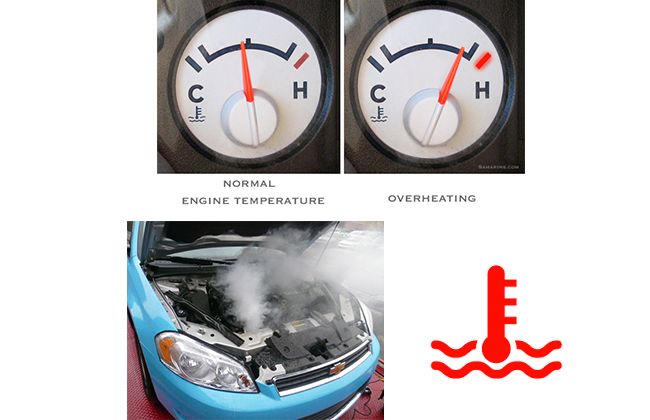
Is your car’s temperature gauge climbing too high? You might be wondering, “Why is my car overheating?” It’s a frustrating problem that can leave you stranded and worried about costly repairs.
But don’t panic—understanding the common reasons behind overheating can help you catch the issue early and protect your vehicle. You’ll discover the key causes of overheating and simple steps you can take to keep your engine cool and running smoothly.
Keep reading to save yourself time, money, and stress on the road.

Credit: www.youtube.com
Common Causes Of Car Overheating
Car overheating happens when the engine gets too hot. This can cause serious damage quickly. Understanding common causes helps spot problems early. Many issues relate to the cooling system failing. Some are simple fixes, others need professional help. Here are the main reasons your car might overheat.
Low Coolant Levels
Coolant absorbs heat from the engine and cools it down. Low coolant means less heat removal. This often happens due to leaks or evaporation. Check the coolant reservoir regularly to prevent overheating.
Faulty Thermostat
The thermostat controls coolant flow through the engine. If it sticks closed, coolant can’t circulate. This causes the engine to heat up fast. A broken thermostat needs replacement to restore proper cooling.
Radiator Issues
The radiator cools the hot coolant before it returns to the engine. Clogged or damaged radiators reduce cooling efficiency. Dirt, debris, or corrosion can block airflow. Regular radiator checks keep the system working well.
Water Pump Failure
The water pump moves coolant through the engine and radiator. A failing pump can’t circulate coolant properly. This leads to overheating and engine damage. Listen for unusual noises or leaks around the pump.
Broken Cooling Fan
Cooling fans pull air through the radiator to cool the coolant. If a fan stops working, the radiator cools less. Overheating happens especially in traffic or hot weather. Fan repair or replacement fixes the issue.
Leaking Hoses
Hoses carry coolant between engine parts. Cracks or holes cause leaks and coolant loss. Low coolant reduces the system’s ability to cool the engine. Inspect hoses for damage and replace if needed.
Clogged Radiator
Radiators can get blocked inside by rust or debris. This stops coolant flow and reduces cooling. Flushing the radiator removes build-up and restores flow. Regular maintenance prevents clogs and overheating.
Head Gasket Problems
The head gasket seals the engine cylinders. A blown gasket lets coolant leak into the engine. This causes overheating and white smoke from the exhaust. Head gasket repair is critical to avoid engine failure.
Credit: www.fordlincolnofcookeville.com
Signs Your Car Is Overheating
Noticing the signs your car is overheating early can save you from costly repairs and roadside headaches. Your vehicle communicates when it’s in trouble, but sometimes the warnings are subtle. Recognizing these signs quickly helps you act before the situation worsens.
Rising Temperature Gauge
The temperature gauge on your dashboard is your first hint that something’s wrong. If you see the needle creeping into the red zone, it means your engine is running hotter than it should. Don’t ignore this—pull over safely and check under the hood.
Steam From The Hood
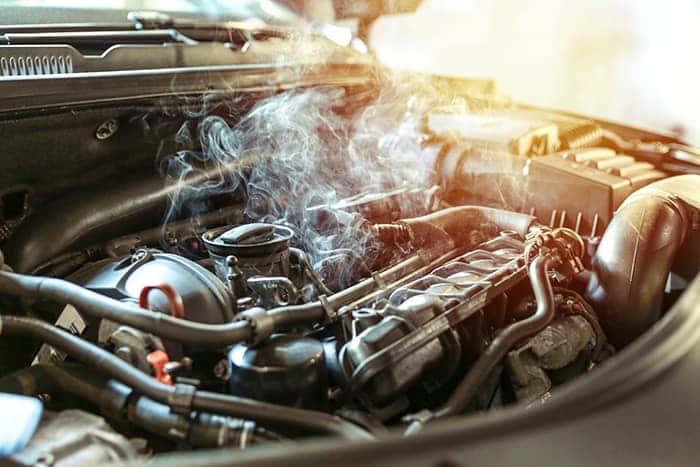
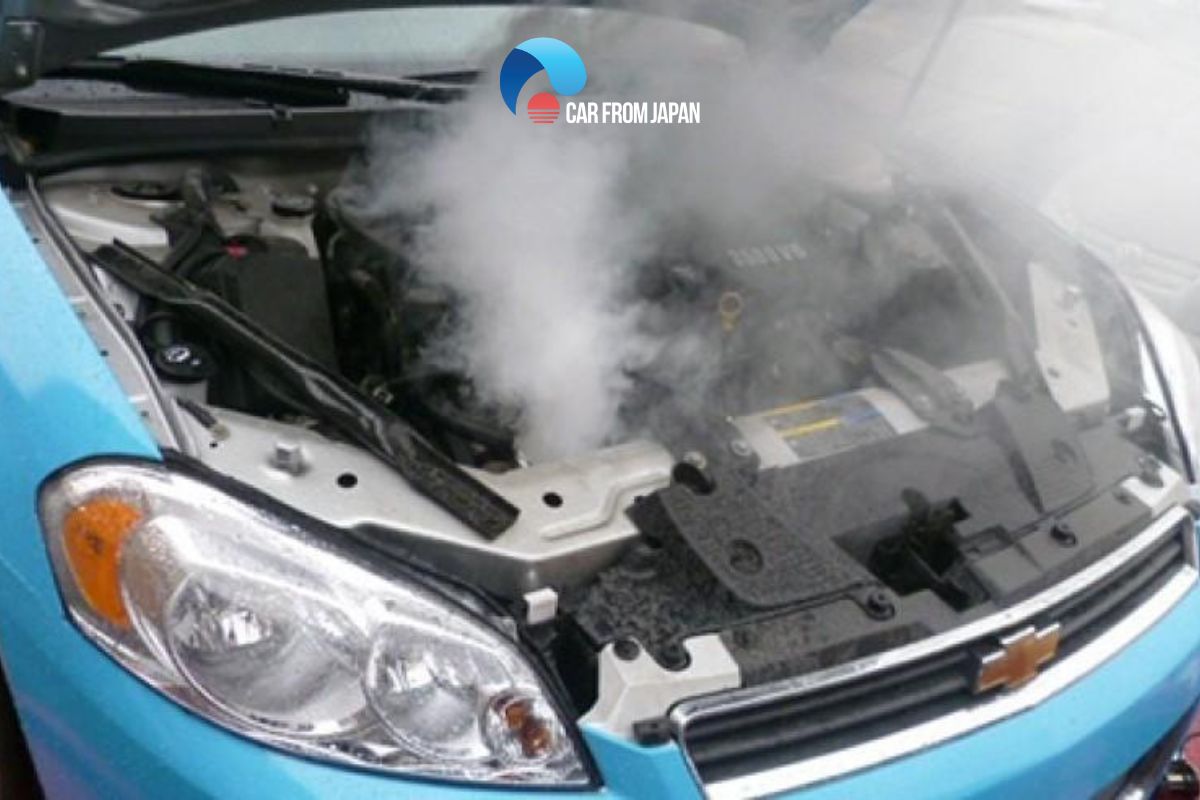
Steam or smoke coming from under the hood is a clear alarm. It usually means coolant is leaking or boiling off due to extreme heat. If you spot steam, turn off the engine immediately and wait for it to cool before investigating.
Unusual Engine Smells
Have you ever noticed a sweet, syrupy smell or a burning odor while driving? That could be coolant leaking onto hot engine parts or overheating components causing insulation to burn. Trust your nose—these smells often come before visible signs appear.
Engine Warning Lights
Your dashboard isn’t just for speed and fuel—it shows critical warnings too. A glowing temperature or check engine light should never be ignored. These lights can point you to overheating issues or other engine troubles demanding your attention.
Immediate Steps To Take
Noticing your car’s temperature gauge rising quickly can be alarming. Acting fast and smart is key to preventing serious damage to your engine. Here’s what you should do immediately if your car starts overheating.
Pull Over Safely
Find a safe spot off the road as soon as you notice signs of overheating. This reduces the risk of accidents and gives you space to check your car. Avoid stopping on curves or busy highways where visibility is low.
Turn Off The Engine
Switch off your engine right after pulling over. This helps stop the heat buildup and prevents further damage. Leaving the engine running can cause overheating parts to warp or fail.
Wait Before Opening The Hood
Give your car at least 15-30 minutes to cool down before opening the hood. Hot steam or coolant can spray out and cause burns if you open it too soon. Use this time to call for roadside assistance if needed.
Check Coolant Levels
Once cooled, carefully check the coolant reservoir. Low coolant is a common cause of overheating. If the level is low, topping it up might solve the problem—just make sure to use the right type of coolant for your vehicle.
Use Emergency Coolant If Available
If you have emergency coolant or radiator stop-leak fluid in your car, now is the time to use it. These products can help stabilize your engine temperature temporarily. Remember, this is only a short-term fix until you get professional help.
Quick Fixes You Can Try
Car overheating can be stressful and dangerous. Some quick fixes might help before you reach a mechanic. These simple checks can save time and money. Try these easy steps to cool your car down and avoid damage.
Refill Coolant
Low coolant is a common cause of overheating. Check the coolant level in the reservoir. Use a 50/50 mix of coolant and water to refill. Never open the coolant cap when the engine is hot. Wait for the engine to cool before adding coolant.
Reset The Thermostat
A stuck thermostat can block coolant flow. Locate the thermostat housing and remove it. Replace the thermostat with a new one if it looks stuck or damaged. Reinstall the housing and fill coolant as needed. This helps restore normal engine temperature.
Clear Obstructions In Radiator
Dirt or debris can block the radiator. Look for leaves, bugs, or mud on the radiator fins. Use a soft brush or compressed air to clean the surface. Avoid bending the fins. Clear airflow helps the radiator cool the engine properly.
Inspect And Replace Hoses
Old or cracked hoses can leak coolant. Check all hoses for cracks, bulges, or leaks. Replace any damaged hoses with new ones. Tighten hose clamps to prevent leaks. Good hoses keep coolant flowing and prevent overheating.
Check Cooling Fan Operation
The cooling fan helps lower engine temperature. Start the engine and watch the fan near the radiator. It should turn on when the engine gets hot. If the fan does not work, check the fuse and fan motor. Fixing the fan can stop overheating fast.
Preventing Future Overheating
Preventing your car from overheating saves money and stress. Taking simple actions keeps the engine cool and running well. Regular care of the cooling system avoids many common problems. Follow these tips to protect your vehicle and enjoy smooth drives.
Regular Coolant Checks
Check the coolant level often. Low coolant causes the engine to heat up quickly. Top up with the right type if the level is low. Look for leaks under the car or around the engine. Coolant should be clean, not rusty or dirty.
Scheduled Radiator Flushes
Flush the radiator at set times. This removes dirt and build-up inside the cooling system. Clean radiator helps coolant flow freely. Follow the car manual for flush intervals. Use fresh coolant after flushing to keep the system healthy.
Thermostat Maintenance
The thermostat controls engine temperature. A faulty thermostat can cause overheating. Have it checked during regular service. Replace it if it sticks or fails to open. Proper thermostat function keeps the engine at the right heat.
Routine Cooling System Inspections
Inspect hoses and belts regularly. Look for cracks, leaks, or wear. Replace damaged parts quickly to avoid breakdowns. Check the water pump for leaks or noise. A strong cooling system prevents engine damage and overheating.
Use Quality Coolant
Choose the right coolant for your car. Quality coolant protects against corrosion and freezing. Avoid mixing different types of coolant. Using the correct coolant keeps the cooling system efficient. Always follow the manufacturer’s coolant recommendations.
Credit: carfromjapan.com
When To See A Mechanic
Knowing when to see a mechanic is important for car safety. Overheating can cause serious engine damage. Some signs mean you must get professional help quickly. Acting fast can save repair costs and keep your car safe on the road.
Persistent Overheating Issues
Cars sometimes overheat briefly. But constant overheating shows a bigger problem. A mechanic can find hidden issues like a failing thermostat or water pump. Do not ignore repeated overheating. It can lead to engine failure.
Coolant Leaks You Can’t Fix
Coolant leaks cause overheating. Small leaks might be easy to fix. Large leaks or leaks in hard-to-reach places need mechanic tools. A professional can locate and repair leaks properly. This keeps the cooling system working well.
Engine Performance Problems
Overheating can cause engine trouble. Rough idling, stalling, or loss of power are warning signs. These issues may signal damaged engine parts. Mechanics check and fix these problems to protect your car’s engine.
Warning Lights Remain On
Dashboard lights warn about overheating. The temperature gauge or check engine light stays on during heat issues. A mechanic uses scanners to find exact faults. Ignoring warning lights can worsen damage and increase repair costs.
Frequently Asked Questions
What Causes A Car To Overheat?
Several factors can cause a car to overheat. Common reasons include a malfunctioning thermostat, low coolant levels, or a failing water pump. Blocked radiator or damaged hoses might also cause overheating. Regular maintenance can help identify these issues early and prevent engine damage.
How Can I Prevent My Car From Overheating?
To prevent overheating, ensure regular maintenance checks. Check coolant levels frequently and replace them as needed. Inspect hoses and radiator for leaks or blockages. Replace a faulty thermostat and ensure the radiator fan is working. This proactive approach can help maintain optimal engine temperature.
Can I Drive My Car If It’s Overheating?
Driving a car that’s overheating is risky. Continuing to drive can cause severe engine damage. It’s essential to stop and let the engine cool down. Check coolant levels and look for leaks. If the issue persists, seek professional help to prevent further damage.
What Should I Do If My Car Overheats?
If your car overheats, pull over safely and turn off the engine. Let it cool before opening the hood. Check coolant levels and add more if necessary. Look for any visible leaks or damage. If the problem continues, consult a mechanic to diagnose and fix the issue.
Conclusion
Car overheating can cause serious damage to your engine. Watch for warning signs like steam or a high temperature gauge. Check coolant levels and look for leaks regularly. Keep your radiator and fans clean and working well. Don’t ignore strange smells or noises from the engine.
Fix small problems quickly to avoid bigger repairs. Taking care of your car helps it run smoothly and last longer. Stay safe by stopping your car if it gets too hot. Regular maintenance saves money and prevents stress. Your car deserves good care every day.