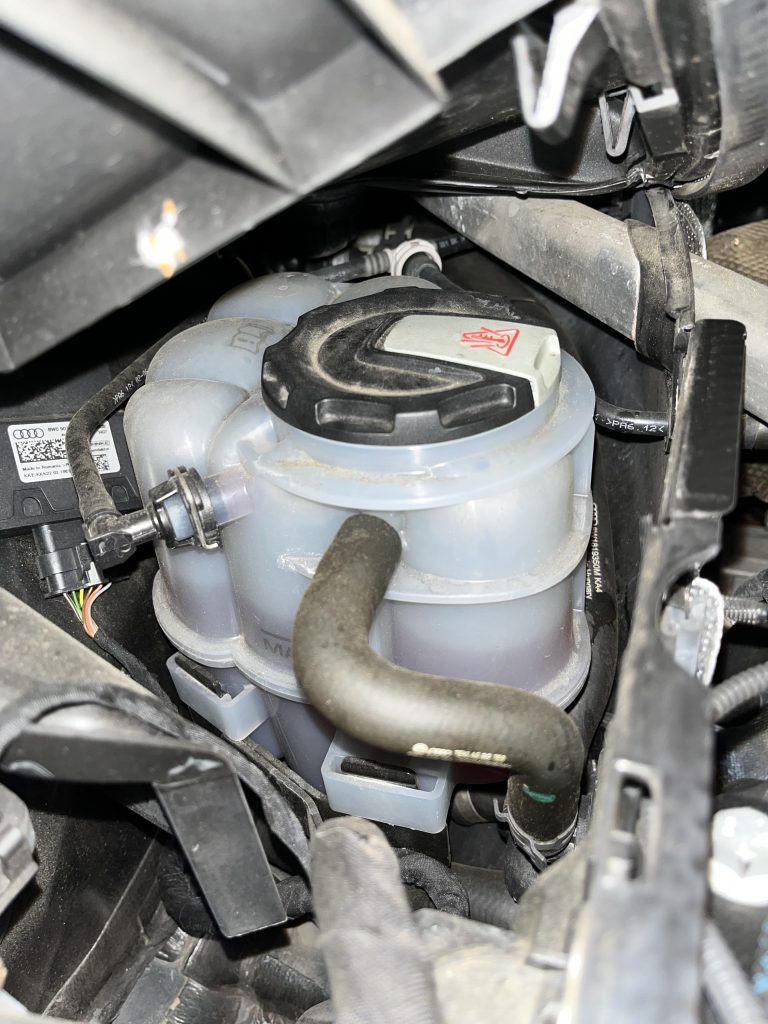
Is your car’s temperature gauge climbing higher than usual? You might be wondering, “Why is my coolant temp high?” This can be more than just a small worry—it’s a sign your engine could be in trouble.
Ignoring it could lead to costly repairs or even leave you stranded. But don’t panic. You’ll discover the common reasons behind high coolant temperatures and simple steps you can take to protect your vehicle. Keep reading to learn how to spot the warning signs early and keep your engine running smoothly.
Credit: www.challengertalk.com
Common Causes Of High Coolant Temperature
High coolant temperature can damage your engine quickly. Understanding the common causes helps you act fast. Many factors can raise the coolant temperature. Some are simple to fix. Others need professional help. Knowing these issues can save time and money. Here are the frequent reasons your coolant temperature is high.
Low Coolant Levels
Coolant keeps the engine from overheating. Low coolant means less liquid to absorb heat. Leaks or evaporation cause coolant loss. Check the coolant reservoir regularly. A low level often points to a leak or worn seals.
Faulty Thermostat
The thermostat controls coolant flow. It opens and closes based on temperature. A stuck thermostat blocks coolant circulation. This causes the engine to heat up fast. Replacing a faulty thermostat can restore normal temperature.
Radiator Issues
The radiator cools the hot coolant. Dirt, debris, or corrosion can block airflow. Damaged fins reduce heat dissipation. A clogged or broken radiator raises temperature quickly. Cleaning or replacing the radiator may be necessary.
Water Pump Failure
The water pump moves coolant through the engine. A failing pump reduces circulation. This leads to hot spots in the engine. Signs include coolant leaks and strange noises. Fixing the pump restores proper coolant flow.
Clogged Coolant Passages
Passages inside the engine allow coolant flow. Over time, rust or sludge can clog these paths. Reduced flow causes overheating in certain areas. Flushing the cooling system can clear blockages. Regular maintenance prevents this issue.
Malfunctioning Cooling Fans
Cooling fans pull air through the radiator. Fans that don’t work cause poor cooling. Electrical problems or broken fan blades are common causes. Without fans, coolant temperature rises quickly in traffic or hot weather.
Head Gasket Problems
The head gasket seals the engine and coolant passages. A blown gasket lets coolant leak into the engine. This causes overheating and engine damage. White smoke or milky oil are warning signs. Immediate repair is critical to prevent severe damage.
Symptoms Of Overheating Engine
Noticing your coolant temperature rising can be unsettling. Recognizing the symptoms of an overheating engine early can save you from costly repairs and roadside breakdowns. Let’s look at the signs that your engine is running too hot, so you know when to take action.
Warning Light Indicators
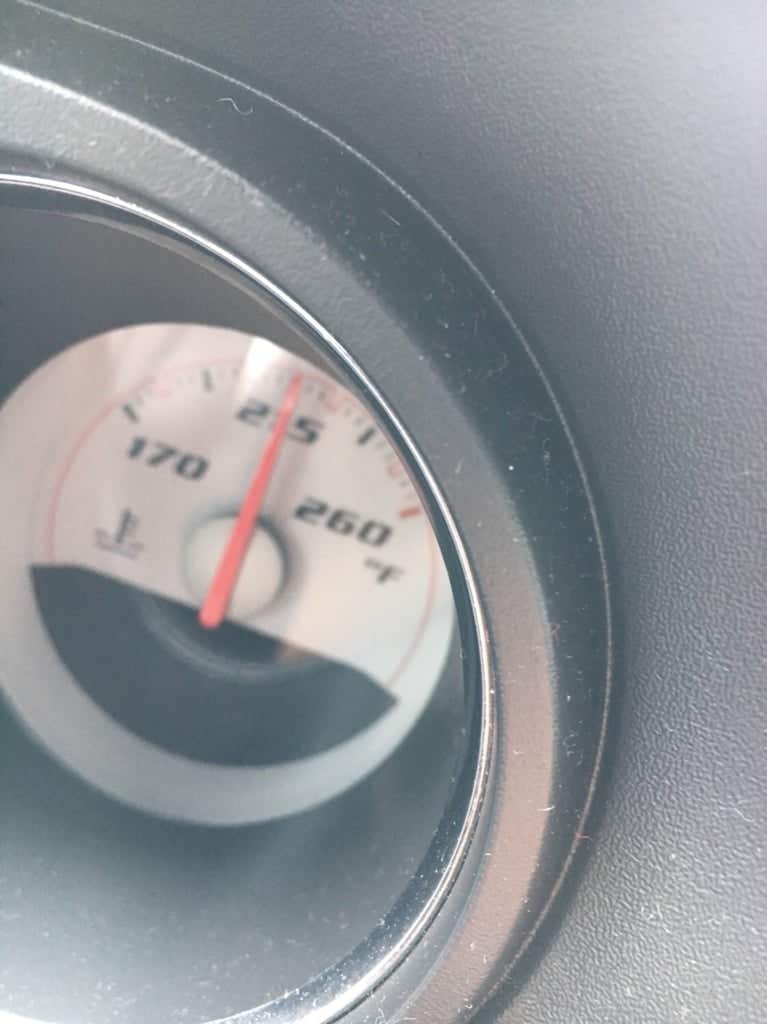
Your dashboard is your first line of defense. The temperature warning light or engine temperature gauge rising into the red zone signals trouble. Ignoring these lights is risky—have you ever felt that sudden spike in anxiety when the warning light glows? It’s your car telling you it needs immediate attention.
Steam Or Smoke From Engine
Seeing steam or smoke coming from under your hood is a clear red flag. This happens when coolant boils and escapes, often due to a leak or blocked radiator. If you spot this, pull over safely and let your engine cool down before checking the problem—continuing to drive can cause serious damage.
Unusual Engine Smells
Have you ever caught a sweet, syrupy smell or a sharp burning odor while driving? Sweet smells often indicate leaking coolant, while burning smells can mean overheating components. Paying attention to these unusual scents can help you catch overheating issues before they escalate.
Loss Of Power Or Performance
Is your car sluggish or struggling to accelerate? An overheating engine can cause a noticeable drop in power. This happens because the engine’s efficiency drops as it gets too hot, affecting your driving experience. Don’t ignore this—check your coolant levels and engine condition promptly.
Easy Fixes For High Coolant Temperature
High coolant temperature can be alarming, but many causes have straightforward solutions you can tackle yourself or with minimal help. Recognizing these easy fixes helps you avoid costly repairs and keeps your engine running smoothly. Let’s explore practical steps that address common reasons behind rising coolant temps.
Checking And Refilling Coolant
Start with the simplest step: check your coolant level. Low coolant often causes overheating because there isn’t enough fluid to absorb engine heat.
Make sure your engine is cool before opening the radiator cap. Top off with the right coolant mixture, usually a 50/50 blend of antifreeze and water.
Have you noticed any leaks? Inspect hoses and connections; even a small leak can drop coolant levels quickly.
Replacing A Faulty Thermostat
Your thermostat controls coolant flow based on engine temperature. A stuck thermostat can block coolant circulation, causing overheating.
Replacing it is usually inexpensive and can restore proper temperature regulation. Pay attention if your temperature gauge rises quickly or fluctuates.
Do you feel your engine is heating unevenly? This could be a sign your thermostat isn’t opening at the right time.
Cleaning Or Replacing The Radiator
A clogged radiator restricts coolant flow and heat dissipation. Dirt, debris, or corrosion inside can reduce its efficiency.
Try flushing your radiator to clear blockages. If it’s severely damaged or corroded, replacement might be the better option.
Have you noticed coolant leaking around the radiator or unusual steam? These are clear hints it needs attention.
Repairing Or Replacing The Water Pump
The water pump circulates coolant through your engine and radiator. A failing pump can cause overheating by disrupting this flow.
Look for signs like coolant leaks near the pump or a whining noise from the engine bay. Repair or replacement is key to restoring proper cooling.
Ignoring a faulty water pump can lead to more serious engine damage. Have you checked for unusual noises or leaks lately?
Flushing The Cooling System
Over time, contaminants build up inside the cooling system, reducing its effectiveness. Flushing removes rust, scale, and old coolant residues.
This process can improve heat transfer and prevent future overheating. Use a cooling system flush product or have a professional service it.
When was the last time you flushed your system? Regular maintenance here can save headaches later.
Fixing Cooling Fan Problems
Cooling fans pull air through the radiator to reduce temperature when the vehicle isn’t moving fast enough. If fans don’t turn on, overheating follows.
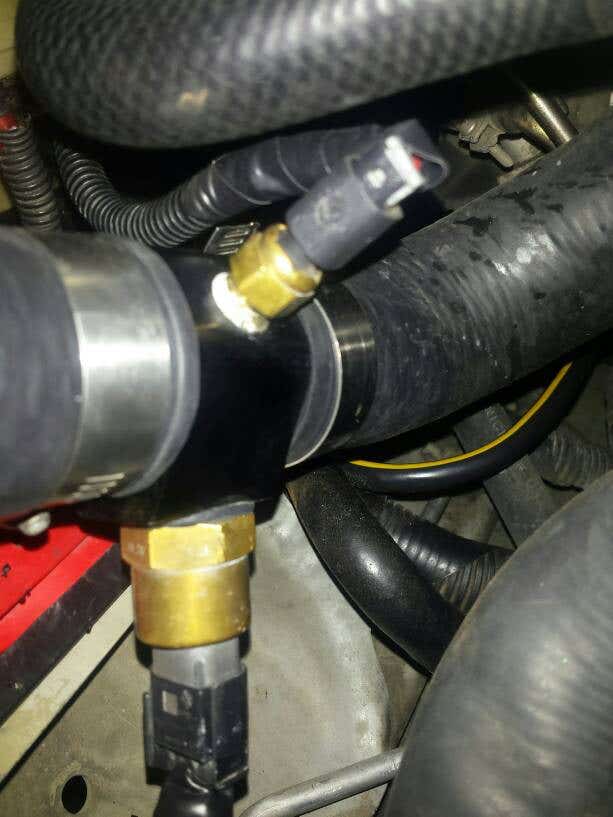
Check the fan motor, relays, and temperature sensors. Sometimes a loose wire or a blown fuse is the culprit.
Have you noticed your engine temp rise when stuck in traffic? That’s often a sign of fan issues.
Addressing Head Gasket Issues
A blown head gasket can cause coolant to leak into the engine or exhaust, leading to overheating. This is a serious problem requiring prompt attention.
Signs include white smoke from the exhaust, milky oil, or bubbles in the coolant reservoir. If you spot these, get a mechanic to diagnose it immediately.
Ignoring a head gasket failure can cause engine failure. Can you afford to wait when symptoms appear?
Credit: www.clubfrontier.org
Preventive Maintenance Tips
Preventive maintenance helps keep your engine’s temperature in check. Simple checks and care stop overheating issues early. Taking time for regular upkeep saves costly repairs and extends engine life.
Regular Coolant Checks
Check coolant levels often. Low coolant causes high engine temperature. Use the right coolant type for your vehicle. Look for leaks or dirty coolant color. Clean, full coolant keeps the engine cool and running smoothly.
Scheduled Coolant Flushes
Flush coolant based on the vehicle’s service schedule. Old coolant loses its ability to cool. Flushing removes rust and debris inside the system. Fresh coolant improves heat transfer and prevents blockages.
Monitoring Temperature Gauge
Watch the temperature gauge every time you drive. A rising needle signals possible trouble. Stop the engine if it nears the red zone. Early action prevents damage and keeps you safe on the road.
Inspecting Cooling System Components
Look over hoses, radiator, and water pump regularly. Check for cracks, leaks, or worn parts. Replace faulty components before they cause overheating. Proper parts work together to maintain steady engine temperature.
When To Seek Professional Help
Knowing when to seek professional help is crucial if your coolant temperature remains high. Ignoring warning signs can lead to costly engine damage. It’s important to recognize specific symptoms that indicate it’s time to visit a mechanic.
Persistent Overheating
If your engine temperature consistently rises above normal, despite adding coolant or checking for leaks, this is a major red flag. Temporary overheating might happen during heavy traffic or hot weather, but constant overheating suggests a deeper problem. You shouldn’t wait until the temperature gauge hits the red zone repeatedly—get it checked promptly.
Unusual Noises Or Leaks
Strange sounds like hissing or bubbling coming from under the hood can signal a coolant system issue. You might also notice coolant puddles beneath your vehicle or a sweet smell inside the cabin. These signs often mean leaks or pressure problems that need professional diagnosis.
Engine Performance Issues
Has your engine started running rough, losing power, or stalling? High coolant temperature can cause these symptoms by affecting engine parts. If you experience any sudden drops in performance alongside temperature spikes, it’s best to have a professional inspect your vehicle before the damage worsens.

Credit: www.reddit.com
Frequently Asked Questions
What Causes High Coolant Temperature?
High coolant temperature is often caused by a faulty thermostat, a failing water pump, or a radiator blockage. These issues prevent proper coolant circulation, leading to overheating. Regular maintenance and inspections can help prevent these problems and ensure your cooling system functions effectively.
How Can I Lower My Coolant Temperature?
To lower coolant temperature, ensure your radiator is clean and free of obstructions. Check for leaks and ensure coolant levels are adequate. Additionally, verify that the thermostat and water pump are functioning correctly. Regular maintenance can prevent overheating and maintain optimal engine performance.
Is It Safe To Drive With High Coolant Temp?
Driving with a high coolant temperature can damage your engine. Overheating may cause engine parts to warp or fail. It is crucial to stop and address the issue immediately. Ignoring high temperatures can lead to expensive repairs and potentially irreparable engine damage.
Can A Bad Thermostat Cause Overheating?
Yes, a bad thermostat can cause overheating by blocking coolant flow. This prevents the engine from regulating its temperature. Replacing a faulty thermostat promptly is essential to maintain proper cooling and prevent engine damage. Regular thermostat checks can help avoid unexpected overheating issues.
Conclusion
A high coolant temperature can signal car trouble. Check your coolant levels and leaks first. A faulty thermostat or water pump may cause overheating. Driving with high coolant temperature risks engine damage. Regular maintenance helps prevent these issues. Stay alert to warning signs while driving.
Fix problems early to avoid costly repairs. Keep your engine cool and running smoothly. Your car will thank you with better performance.