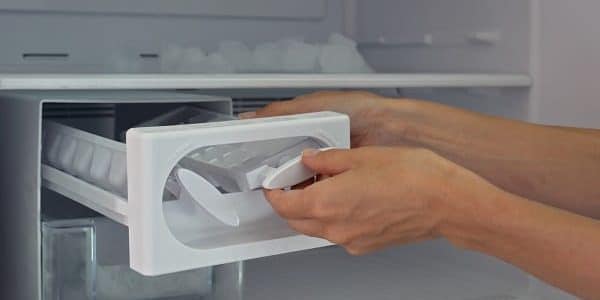
Is your Frigidaire ice maker suddenly refusing to make ice? It’s frustrating when you expect a steady supply of ice, but your machine just won’t cooperate.
You rely on your ice maker every day, whether for cooling drinks or entertaining guests. So, what’s going wrong? Don’t worry—you’re not alone, and the problem might be easier to fix than you think. Keep reading to discover the common reasons why your Frigidaire ice maker isn’t working and how you can get it back up and running fast.
Your next batch of ice could be just a few simple steps away.

Credit: www.dtappliance.com
Common Ice Maker Issues
A Frigidaire ice maker may stop working due to a frozen water line or a faulty sensor. Power issues and clogged filters also cause common problems. Checking these parts often helps restore ice production quickly.
If you’ve found yourself eagerly anticipating a cold beverage only to discover an empty ice bin, you’re not alone. A malfunctioning Frigidaire ice maker can be frustrating, especially when you rely on it for daily convenience. Understanding common ice maker issues can help you troubleshoot and potentially fix the problem yourself. Below are some frequent issues and what they might mean for your ice maker.No Ice Production
One of the most perplexing issues is when your ice maker stops producing ice altogether. This could be due to a clogged water filter or a misaligned water inlet valve. Have you checked if the ice maker is turned on? It might sound simple, but sometimes the switch accidentally gets flipped.Ice Maker Not Cycling
If your ice maker isn’t cycling properly, it won’t be able to eject ice cubes into the bin. This might be due to a faulty thermostat or jammed motor. Listen for any unusual sounds—are there any clicks or hums that seem out of place?Water Leaks
Water leaks around your ice maker can be a sign of a bigger issue. This often stems from a loose or damaged water line. Inspect the connections—are they secure and free from visible cracks?Ice Cubes Are Small Or Misshapen
Small or oddly shaped ice cubes can be a sign of insufficient water flow. This could be due to a partially clogged filter or low water pressure. Have you recently replaced the filter? If not, it might be time to do so. By tackling these common issues one step at a time, you can often find a simple solution to get your ice maker back up and running. Have you encountered any of these problems before? What solutions worked for you?Basic Troubleshooting Steps
Basic troubleshooting steps help identify common issues with your Frigidaire ice maker. These steps are simple and can save time before calling a technician. Follow each carefully to find the problem.
Check The Power Supply
Ensure the ice maker is plugged in correctly. Check the outlet by plugging in another device. Look for any tripped circuit breakers in your home panel. A lack of power will stop the ice maker from working.
Inspect The Water Line
Check if the water line is connected and not kinked. A blocked or frozen water line prevents water flow. Make sure the water supply valve is open. Proper water flow is essential for ice production.
Reset The Ice Maker
Resetting can fix minor software glitches. Locate the reset button or switch on the ice maker. Hold it for a few seconds, then release. Wait for the ice maker to restart and begin working again.
Verify The Temperature Settings
The freezer temperature affects ice making. The ideal setting is between 0°F and 5°F (-18°C to -15°C). Higher temperatures slow ice production or stop it. Adjust the thermostat and wait to see if ice forms.
Cleaning And Maintenance Tips
Cleaning and maintaining your Frigidaire ice maker keeps it running smoothly. Dirt and mineral buildup can block ice production. Regular care helps avoid common problems and ensures fresh ice. Simple cleaning steps can make a big difference.
Clean The Ice Maker Components
Remove the ice bin and tray carefully. Wash them with warm, soapy water. Rinse well to remove soap residue. Wipe the ice maker’s interior with a soft cloth. Avoid harsh chemicals that can damage parts. Dry all components before reassembling. This prevents mold and keeps the ice fresh.
Clear The Water Filter
Check the water filter for clogs or dirt. A dirty filter reduces water flow and ice quality. Replace the filter every six months or as recommended. Use a genuine Frigidaire filter for best results. Clear water ensures clean, clear ice cubes. Keep a spare filter handy for quick changes.
Remove Ice Blockages
Ice can build up inside the machine and block water flow. Turn off the ice maker and unplug it. Use a plastic or wooden tool to gently break ice clumps. Avoid sharp objects that can damage the machine. Clean any melted water to prevent refreezing. Regularly check for ice jams to keep the machine working well.

Credit: www.reddit.com
When To Replace Parts
Knowing when to replace parts in your Frigidaire ice maker can save you time and frustration. Some components wear out over time and cause the ice maker to stop working properly. Recognizing the signs of failure early helps you avoid bigger problems and keeps your ice flowing smoothly.
Faulty Water Inlet Valve
The water inlet valve controls the flow of water into the ice maker. If your ice maker isn’t filling with water, the valve might be clogged or broken. You can test it by listening for a clicking sound when the ice maker cycles—no sound often means the valve needs replacement.
Have you noticed your ice tray remaining dry? That’s a clear sign the valve isn’t letting water through. Replacing this part is usually straightforward and can restore your ice maker’s function quickly.
Broken Ice Maker Motor
The motor powers the ice maker’s mechanical parts to eject ice cubes. If your ice maker is stuck or not cycling, the motor could be the culprit. Sometimes you’ll hear a humming noise without any ice movement, which points to a motor issue.
Think about the last time your ice maker jammed—was it a one-time glitch or a recurring problem? If it happens often, replacing the motor might be the only fix to get your machine running again.
Worn-out Thermostat
The thermostat regulates the temperature inside the ice maker. If it wears out, the machine might not freeze water correctly or could stop making ice altogether. A faulty thermostat can cause inconsistent ice production or no ice at all.
Have you checked if your freezer temperature feels colder or warmer than usual? If the thermostat isn’t working, it won’t maintain the right conditions for ice making. Replacing this part helps maintain the perfect temperature for ice production.
Preventing Future Ice Maker Problems
Preventing future problems with your Frigidaire ice maker saves you time, money, and frustration. Simple habits and small changes can keep your ice maker running smoothly. Let’s look at practical ways to protect your appliance from common issues.
Regular Maintenance Schedule
Set a clear maintenance routine for your ice maker. Clean the ice bin and water reservoir every few weeks to avoid mold and mineral buildup. Check for any leaks or unusual noises regularly—they can be early signs of trouble.
Keeping an eye on your machine’s condition helps you catch small problems before they turn into expensive repairs. Have you ever ignored a strange sound, only to face a costly fix later? Staying proactive is key.
Using The Right Water Filter
Not all water filters fit your Frigidaire ice maker perfectly. Using the wrong filter can reduce ice quality and damage internal components. Always choose filters recommended by the manufacturer.
Replace your water filter every six months or as advised. A clogged filter restricts water flow, leading to smaller or misshapen ice cubes. Have you checked your filter lately? It might be time for a fresh one.
Avoiding Common Mistakes
Many ice maker problems start with simple mistakes. Don’t overload the ice bin—it can jam the dispenser. Avoid using hot water to fill the reservoir; it can damage the system.
Also, make sure your freezer is set to the right temperature, typically between 0 and 5 degrees Fahrenheit. Too warm or too cold can disrupt ice production. What small habits could you change today to protect your ice maker?

Credit: www.youtube.com
Frequently Asked Questions
Why Is My Frigidaire Ice Maker Not Producing Ice?
Your Frigidaire ice maker may not produce ice due to a frozen water line, clogged filter, or low water pressure. Check these issues and ensure the ice maker is switched on and the freezer temperature is set correctly.
How Do I Reset My Frigidaire Ice Maker?
To reset your Frigidaire ice maker, locate the reset button, usually near the ice maker arm. Press and hold it for about 10 seconds. This often resolves minor glitches and restarts the ice-making process.
Can A Dirty Filter Stop My Frigidaire Ice Maker?
Yes, a dirty or clogged water filter can reduce water flow, causing your Frigidaire ice maker to stop working. Replace the filter every six months to maintain proper ice production and water quality.
What Freezer Temperature Is Ideal For Ice Making?
The ideal freezer temperature for your Frigidaire ice maker is between 0°F and 5°F (-18°C to -15°C). Temperatures higher than this can prevent ice from forming properly.
Conclusion
Troubleshooting your Frigidaire ice maker can save time and money. Check water supply, temperature, and settings first. Clean the ice maker regularly to avoid blockages. Simple fixes often restore ice production quickly. If problems continue, consider calling a technician. Regular care helps keep your ice maker working well.
Don’t ignore small issues; they can become bigger. Stay patient and methodical while solving the problem. Your ice maker can work like new again.