Is your Hyundai Elantra shaking while you drive? It’s a feeling that can make you nervous and unsure about your car’s safety.
You might wonder if it’s something serious or just a minor issue. Understanding why your Elantra shakes is key to keeping your car running smoothly and protecting yourself on the road. You’ll discover the most common reasons behind the shaking and what you can do to fix it quickly.
Keep reading to find out how to stop that unwanted wobble and get back to a smooth, comfortable ride.
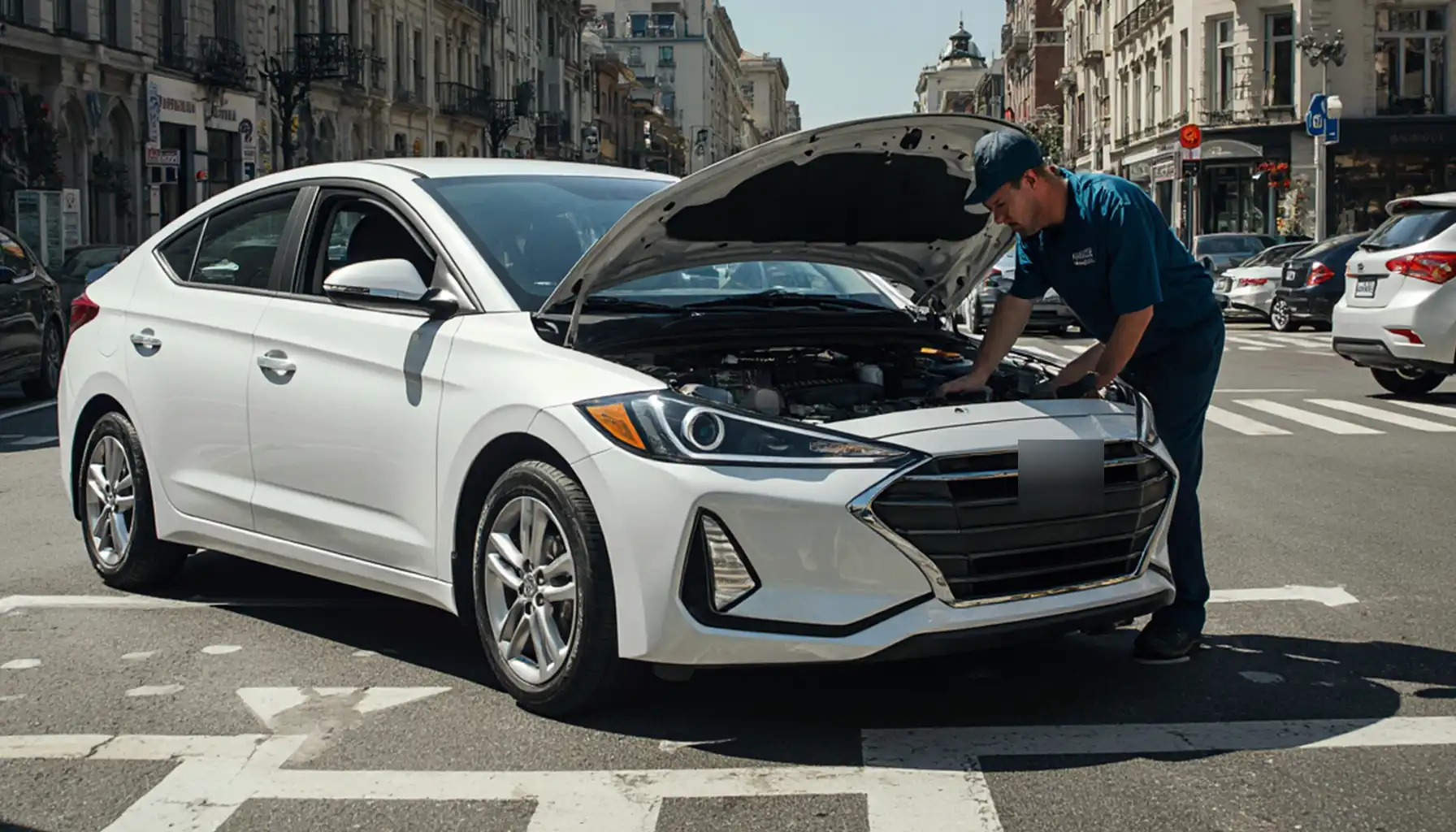
Credit: arsintrading.com
Common Causes Of Elantra Shaking
Shaking in a Hyundai Elantra can be a sign of various problems. These issues might affect your car’s performance and safety. Identifying the common causes helps in quick diagnosis and repair. Below are the main reasons your Elantra might be shaking.
Engine Issues
Engine problems often cause shaking. Worn spark plugs or dirty fuel injectors can disrupt engine balance. Misfires make the engine run rough and vibrate. Low engine oil or damaged mounts add to the shaking. Regular engine checks keep these issues in control.
Tire Problems
Unbalanced or misaligned tires create noticeable vibrations. Worn-out tires lose grip and cause shaking, especially at high speeds. Tire pressure that is too low or too high affects smooth driving. Inspect tires for damage or uneven wear to avoid shaking.
Brake System Faults
Warped brake rotors cause shaking during braking. Worn brake pads reduce stopping power and cause vibrations. Sticking calipers can also lead to uneven braking. A brake system check ensures safe and smooth stops without shaking.
Suspension And Steering Wear
Old or damaged suspension parts cause instability and shaking. Worn shocks and struts fail to absorb road bumps properly. Loose steering components create a shaky feeling in the wheel. Regular maintenance keeps the suspension and steering steady.
Transmission Concerns
Transmission issues can cause shaking during acceleration or gear changes. Low transmission fluid or worn parts affect smooth power transfer. Slipping or hard shifting leads to vibrations felt inside the car. Checking transmission health prevents shaking and damage.
Engine-related Causes
Feeling your Hyundai Elantra shake while driving can be unsettling, especially when the engine seems to be the culprit. The engine is the heart of your car, and when it acts up, you’ll notice immediate effects like shaking or rough idling. Understanding common engine-related causes can help you pinpoint the problem faster and decide whether it’s something you can fix or if you need professional help.
Misfiring Cylinders
When one or more cylinders in your engine misfire, the smooth power flow is interrupted. This causes your Elantra to shake or jerk unexpectedly. Misfires happen when the air-fuel mixture in the cylinder doesn’t ignite properly, often due to ignition issues or fuel delivery problems.
Have you noticed your car hesitating during acceleration or emitting a rough sound? These could be signs of misfiring cylinders. Checking your engine’s spark plugs and fuel system can help catch this issue early before it causes serious damage.
Worn Spark Plugs
Spark plugs ignite the air-fuel mixture inside each cylinder. Over time, they wear out and fail to produce a strong spark. This leads to incomplete combustion and can cause your Elantra to shake, especially when idling or accelerating.
Replacing worn spark plugs is a simple fix that often restores smooth engine performance. Have you checked your spark plugs recently? If not, it might be time to take a look—your engine will thank you for it.
Dirty Fuel Injectors
Fuel injectors spray fuel into the engine’s cylinders. When they get clogged or dirty, fuel delivery becomes uneven. This inconsistency can make your car shake as the engine struggles to run smoothly.
Cleaning your fuel injectors can improve your car’s performance noticeably. If you’ve been skipping regular maintenance, this might be the hidden cause of your Elantra’s shaking. Consider fuel injector cleaning as part of your routine care.
Vacuum Leaks
Vacuum leaks happen when air enters the engine through cracks or loose hoses. This extra air disrupts the engine’s air-fuel balance, causing rough idling and shaking. It’s a sneaky problem that can easily go unnoticed until symptoms worsen.
Listen for hissing sounds near the engine or check for poor fuel economy—both are clues pointing to vacuum leaks. Fixing vacuum leaks can restore your engine’s balance and smooth out those annoying shakes.
Tire And Wheel Problems
Your Hyundai Elantra shaking can often trace back to tire and wheel problems. These components are the direct contact points between your car and the road, so even small issues here can cause noticeable vibrations. Understanding these common tire and wheel problems helps you identify the cause and take action before the issue worsens.
Unbalanced Tires
Unbalanced tires are a frequent cause of shaking, especially at higher speeds. If your tires aren’t evenly weighted, they create uneven rotation, making your steering wheel or entire car vibrate. You might notice this shaking most clearly when driving on the highway.
Have you ever felt that annoying wobble after getting new tires but didn’t get a balancing check? Getting your tires balanced is a quick fix that prevents uneven tire wear and keeps your ride smooth.
Worn Or Damaged Tires
Worn or damaged tires can cause your Elantra to shake unexpectedly. Check your tires for bald spots, cracks, or bulges—these can all disrupt the tire’s grip and balance. Driving with damaged tires is not just uncomfortable but also unsafe.
If you see uneven wear patterns, it could mean your tires have been exposed to other issues like poor alignment or suspension problems. Replacing tires at the right time can save you from more expensive repairs later.
Wheel Alignment Issues
Misaligned wheels can cause your car to pull to one side and shake while driving. You might also notice uneven tire wear or your steering wheel off-center when driving straight. These symptoms point toward alignment problems that need correction.
Ignoring alignment issues can worsen the shaking and lead to quicker tire damage. Have you checked your alignment recently? A simple adjustment can greatly improve your Elantra’s handling and comfort.
Bent Rims
Bent rims can happen after hitting potholes or curbs hard, and they disrupt how your tires rotate. This leads to noticeable vibrations, often felt through the steering wheel. Sometimes, the damage isn’t visible but can still cause shaking.
If your shaking started right after a rough road or an impact, inspect your rims closely or have a mechanic do it. Repairing or replacing bent rims restores smooth driving and prevents further tire damage.
Brake System Issues
The brake system plays a vital role in your Hyundai Elantra’s safety and performance. Problems in this system can cause the car to shake, especially during braking. Understanding these issues helps you spot trouble early and avoid costly repairs.
Brake system shaking often points to mechanical faults affecting smooth braking. Such faults reduce control and make driving uncomfortable. Let’s explore common brake system problems that cause shaking.
Warped Brake Rotors
Warped brake rotors are a frequent cause of shaking during braking. Rotors can warp from excessive heat or wear. When they become uneven, the brake pads cannot grip properly. This results in vibrations felt through the brake pedal and steering wheel.
Driving with warped rotors can worsen the problem. It can also damage other brake parts. Rotors need to be inspected and replaced or resurfaced if warped.
Sticking Brake Calipers
Sticking brake calipers cause uneven brake pressure on wheels. This makes the car pull to one side and shake during stops. Calipers can stick due to rust, dirt, or old brake fluid. Stuck calipers keep the brake pads pressed against rotors, causing heat and vibration.
Regular brake maintenance prevents caliper sticking. Cleaning and lubricating calipers extend their life. Ignoring this issue leads to faster wear and more shaking.
Suspension And Steering Factors
Your Hyundai Elantra’s suspension and steering systems play a crucial role in how smoothly your car drives. If your vehicle starts shaking, these components might be the source. Understanding what happens when these parts wear out or become loose can help you identify problems early and avoid costly repairs.
Worn Suspension Components
Suspension parts like shocks, struts, and bushings absorb bumps and keep your car stable. When these components wear out, you might feel vibrations or shaking, especially at higher speeds or on rough roads. Have you noticed your Elantra bouncing more than usual after hitting a pothole? That’s a clear sign the suspension needs a check.
Worn suspension parts can also cause uneven tire wear, which makes shaking worse over time. If you ignore these symptoms, your vehicle’s handling will suffer, increasing safety risks. Checking suspension components regularly can save you from unexpected breakdowns.
Loose Or Damaged Steering Parts
The steering system connects you directly to the road, so any looseness or damage here will affect your control. Loose tie rods, worn ball joints, or a damaged steering rack can cause your Elantra to shake or pull to one side. If your steering wheel vibrates or feels shaky, it might be more than just tires needing alignment.
Ask yourself: Does the shaking increase when you turn the wheel? This often points to steering issues. Tightening or replacing damaged parts can restore smooth steering and improve your driving confidence.
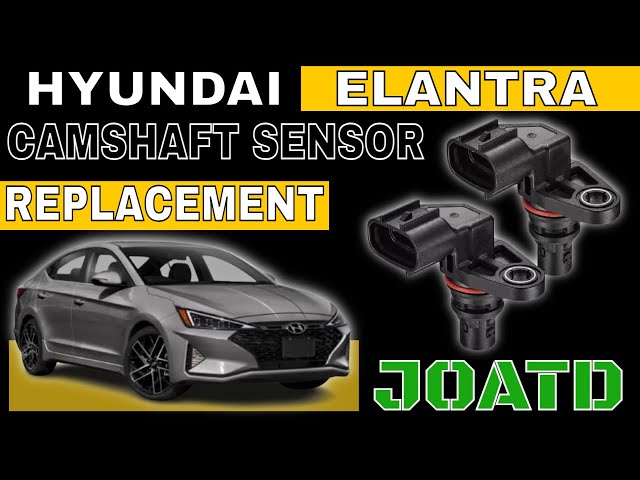
Credit: www.youtube.com
Transmission And Drivetrain Problems
Transmission and drivetrain problems often cause shaking in a Hyundai Elantra. These parts transfer power from the engine to the wheels. Any issue here can lead to vibrations and instability while driving. Understanding common problems helps identify the cause and fix it quickly.
Clutch Or Torque Converter Issues
The clutch in manual transmissions can wear out or slip. This causes uneven power delivery and shaking. In automatic transmissions, the torque converter may fail. A faulty torque converter leads to rough shifting and vibrations. Both problems make driving uncomfortable and unsafe.
Driveshaft Problems
The driveshaft connects the transmission to the wheels. If it is bent, damaged, or has worn joints, shaking occurs. You may feel vibrations at certain speeds. Worn driveshaft components can cause noise and reduce vehicle control. Checking driveshaft condition is important for smooth driving.
Quick Fixes For Shaking
Shaking in your Hyundai Elantra can feel unsettling and signal underlying issues. Quick fixes help address common causes and restore smooth driving. These simple checks and repairs often stop the shaking fast. Regular maintenance improves ride comfort and vehicle safety.
Checking And Replacing Spark Plugs
Worn or dirty spark plugs cause engine misfires and shaking. Inspect spark plugs for buildup, cracks, or gaps. Replace them if damaged or old. New spark plugs improve engine firing and reduce vibrations. This fix is affordable and easy for most drivers.
Balancing And Rotating Tires
Unbalanced tires lead to shaking at higher speeds. Tire rotation spreads tire wear evenly and prevents vibration. Visit a tire shop for balancing and rotation every 5,000 to 7,000 miles. Balanced tires ensure a smoother ride and longer tire life.
Brake Inspection And Repair
Warped brake rotors cause shaking during braking. Inspect brake pads and rotors for wear or damage. Replace or resurface rotors if they are uneven. Proper brake maintenance stops shaking when you press the brake pedal.
Suspension Maintenance
Worn suspension parts like shocks or struts cause shaking on rough roads. Check suspension components for leaks, cracks, or damage. Replace worn parts to improve vehicle stability. A healthy suspension system absorbs bumps and reduces vibrations.
Transmission Fluid Check
Low or dirty transmission fluid may cause shaking or rough shifting. Check fluid level and color regularly. Change fluid if it looks dark or smells burnt. Clean transmission fluid helps smooth gear changes and reduces shaking.
When To See A Mechanic
Knowing when to see a mechanic is important for your Hyundai Elantra. Shaking can mean different problems. Some issues need quick attention to avoid bigger damage.
Pay close attention to how often the shaking happens and any other signs. Early checks can keep your car safe and save money on repairs.
Persistent Shaking After Repairs
If your Elantra keeps shaking after a repair, something might still be wrong. The repair may not have fixed the issue completely. Return to the mechanic for a recheck. Persistent shaking can harm other parts of the car over time.
Unusual Noises Or Smells
Strange sounds or bad smells with shaking are warning signs. Grinding, squealing, or knocking noises need fast attention. Burning smells could mean overheated parts or fluid leaks. These signs often point to serious mechanical problems.
Safety Concerns
Shaking that affects steering or braking is a major safety risk. If the car pulls to one side or the brake feels soft, stop driving. Immediate mechanic help is necessary to prevent accidents. Safety should always be the top priority with any shaking issue.

Credit: arsintrading.com
Frequently Asked Questions
Why Is My Hyundai Elantra Shaking While Driving?
Your Hyundai Elantra may shake while driving due to imbalanced tires, worn brake pads, or misaligned wheels. Engine or transmission issues might also cause vibrations. Regular maintenance can help identify and resolve these problems. If shaking persists, consult a professional mechanic for a thorough inspection and necessary repairs.
What Causes Vibrations At Idle In Elantra?
Vibrations at idle can be caused by worn engine mounts, dirty fuel injectors, or faulty spark plugs. These issues can disrupt smooth engine performance. Regular maintenance, including checking engine components, helps minimize idle vibrations. If problems continue, a detailed inspection by a certified mechanic is advisable.
Why Does My Elantra Shake When Braking?
Shaking when braking in your Hyundai Elantra is often due to warped brake rotors or uneven brake pads. These issues can cause vibrations through the steering wheel. Regular brake inspections and timely replacements of worn components can prevent this problem.
Consult a mechanic for a detailed brake system check if shaking persists.
Can Worn Tires Cause My Elantra To Shake?
Yes, worn or unbalanced tires can cause shaking in your Hyundai Elantra. Uneven tire wear or imbalanced tires can lead to vibrations during driving. Regular tire rotations and balancing are essential for smooth rides. If shaking continues, consider replacing the tires or consulting a tire specialist for an evaluation.
Conclusion
A shaking Hyundai Elantra signals a problem that needs attention. Common causes include tire issues, engine troubles, or brake problems. Ignoring the shaking can lead to bigger, costly repairs later. Regular maintenance helps keep your car smooth and safe. Trust your instincts when you feel unusual vibrations.
Taking quick action protects you and your vehicle. Stay alert, drive carefully, and fix problems early for a better ride.