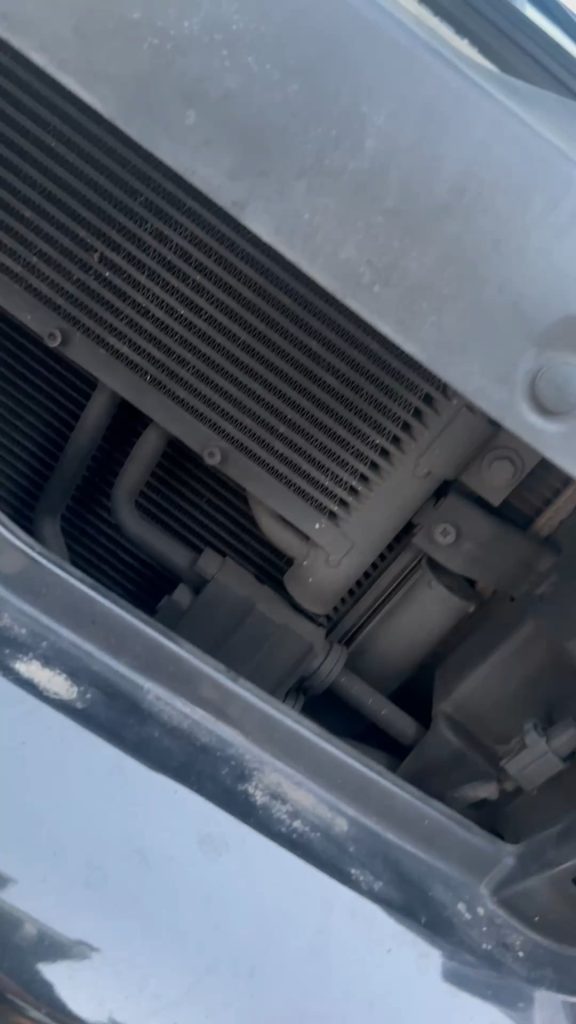
Is your Jeep’s fan suddenly running louder than usual? You’re not alone, and it can be really frustrating.
When that loud noise starts, it’s hard to ignore—and even harder to figure out what’s causing it. But don’t worry, understanding why your Jeep fan is so noisy is the first step to fixing the problem before it gets worse.
Keep reading, because by the end of this article, you’ll know exactly what’s behind that loud fan and what you can do about it.
Common Reasons For Loud Jeep Fan
If your Jeep’s fan is running loudly, it’s a clear sign that something isn’t quite right under the hood. Loud fan noise can be distracting and may indicate underlying issues that affect your vehicle’s performance and safety. Understanding the common reasons behind this noise helps you diagnose the problem early and decide whether you can fix it yourself or need professional help.
Overheating Engine
Your Jeep’s fan kicks into high gear when the engine overheats. If the engine temperature rises above normal, the fan works harder and louder to cool it down. Have you noticed the temperature gauge climbing or steam coming from the hood? These symptoms often go hand-in-hand with a noisy fan.
Faulty Fan Clutch
The fan clutch controls when the fan turns on and off. If it’s worn out or stuck, the fan might run constantly or at higher speeds, causing more noise. A faulty clutch can drain your engine’s power and increase fuel consumption, so it’s worth checking if your fan sounds louder than usual.
Damaged Fan Motor
A damaged or failing fan motor can produce unusual sounds. Grinding, squealing, or loud whirring noises often mean the motor bearings are worn or the motor itself is struggling. Listening carefully can help you pinpoint if the motor needs repair or replacement before it burns out completely.
Blocked Radiator
When the radiator is blocked by dirt, leaves, or debris, airflow decreases significantly. This forces the fan to work harder and louder to maintain proper engine temperature. Cleaning the radiator regularly can prevent this problem and keep your fan running quietly.
Electrical Issues
Electrical faults such as wiring problems or a failing fan relay can cause the fan to run uncontrollably or at full speed. This not only leads to excessive noise but can also drain your battery quickly. Have you checked for blown fuses or loose connections? These small issues can make a big difference.
Credit: www.wranglerforum.com
Symptoms Of Fan Problems
A loud Jeep fan often signals issues like a worn motor or dirty blades. Strange noises and reduced airflow may also appear. These signs suggest the fan needs attention to avoid overheating.
Symptoms of fan problems in your Jeep can indicate underlying issues. Understanding these symptoms helps address problems before they escalate. This section highlights key signs to watch out for.Unusual Noise Patterns
Unusual noises from the fan can signify trouble. A loud, grinding sound is alarming. It may indicate a failing fan motor. Clicking noises suggest debris in the fan blades. Whirring sounds could mean a worn-out bearing. Each noise pattern points to a specific problem.Frequent Fan Operation
If the fan runs constantly, it may be a sign of trouble. This can cause excessive wear and tear. Constant operation suggests an issue with the cooling system. It might be a faulty thermostat or sensor. Check for leaks or blockages in the radiator.Engine Temperature Fluctuations
Fluctuating engine temperatures are a serious concern. The fan might not cool the engine properly. An erratic temperature gauge is a clear symptom. This could lead to engine overheating. Ensure the fan and thermostat work correctly.Warning Lights
Warning lights on the dashboard alert you to issues. A check engine light could indicate fan problems. It often signals a malfunctioning cooling system. Pay attention to any light related to engine temperature. Addressing these lights promptly prevents damage.Diagnosing The Fan Noise
Hearing your Jeep’s fan running loudly can be frustrating and may signal an underlying issue. Diagnosing the fan noise accurately helps you avoid unnecessary repairs and expenses. Let’s break down practical ways you can check what’s causing that loud sound.
Visual Inspection
Start by opening your Jeep’s hood and visually examining the fan and surrounding components. Look for bent or damaged fan blades, debris stuck between them, or any signs of oil or coolant leaks. Sometimes, a simple obstruction or physical damage can make the fan work harder and louder than usual.
Also, check the fan shroud and belts. A loose or worn belt can cause rattling noises that seem like fan issues but are actually belt-related. Have you noticed if the noise changes when you rev the engine? That detail can guide your inspection.
Checking Fan Clutch Function
The fan clutch controls how much the fan spins based on engine temperature. If it’s stuck or failing, the fan might run constantly or at higher speeds, causing loud noise. You can test this by spinning the fan by hand when the engine is cool—resistance should be moderate, not too loose or too tight.
When the engine warms up, the clutch should engage and spin the fan faster. If the fan is noisy regardless of engine temperature, the clutch might be worn out. Have you noticed your Jeep overheating or the fan running at full speed all the time? These are key signs.
Testing Electrical Components
For electric fans, the noise might be linked to electrical issues. Check the wiring and connectors for corrosion or damage that could cause the fan to run nonstop or erratically. Using a multimeter to test voltage and continuity helps pinpoint electrical faults.
Also, inspect the fan relay and temperature sensor. A faulty sensor can send wrong signals, making the fan run loud and longer than needed. Ask yourself if the fan noise started after any recent electrical work or weather exposure.
Using Diagnostic Tools
Modern Jeeps often have onboard diagnostics that can reveal fan-related error codes. Plugging in an OBD-II scanner gives you specific trouble codes that highlight fan or cooling system problems. This data can save you hours of guesswork.
Some scanners even allow you to run fan tests remotely, turning the fan on and off to observe its behavior. This hands-on approach helps identify if the fan speed matches what the system commands. Do you have access to a diagnostic tool, or can a local mechanic help with this step?
Fixes For Loud Fan Issues
Loud fan noise in a Jeep can disrupt your driving comfort and signal underlying problems. Fixing these issues helps restore quiet operation and protects your engine. The key areas to check include mechanical parts and electrical components.
Replacing Fan Clutch
The fan clutch controls fan speed based on engine temperature. A worn clutch causes the fan to run loudly and continuously. Replacing the fan clutch restores proper fan control and reduces noise. This fix improves cooling efficiency and saves energy.
Repairing Or Replacing Fan Motor
A failing fan motor can create excessive noise during operation. Repairing the motor may solve minor issues like worn bearings or loose parts. If the motor is severely damaged, replacement ensures quiet and reliable performance. Proper motor function is essential for effective cooling.
Cleaning Radiator And Cooling System
Dirt and debris in the radiator block airflow and cause the fan to work harder. Cleaning the radiator and cooling system removes obstructions and improves air circulation. This reduces fan noise and helps the engine stay cool. Regular cleaning prevents future loud fan problems.
Addressing Electrical Faults
Electrical issues can cause the fan to run at full speed unnecessarily. Checking wiring, fuses, and relays detects faults that trigger loud fan operation. Fixing electrical problems restores normal fan behavior and quiets the noise. Proper electrical function protects your Jeep’s cooling system.
Preventive Maintenance Tips
Keeping your Jeep’s fan from running loudly often comes down to routine care. Preventive maintenance helps you catch small issues before they become noisy problems. Let’s look at some simple steps you can take to keep your fan running smoothly and quietly.
Regular Cooling System Checks
Check your cooling system regularly to spot leaks or low coolant levels. Low coolant can cause the engine to overheat, making the fan work harder and louder. Make it a habit to inspect hoses, the radiator cap, and coolant reservoir every few weeks.
I once ignored a small coolant leak, and my Jeep’s fan started roaring loudly during traffic. Fixing that leak early would have saved me from the noise and a costly repair.
Timely Fan Component Replacement
Fan blades and motors wear out over time. Worn or damaged fan blades can cause imbalance and noise. Motors that struggle to spin will also make loud sounds.
Replace these components as soon as you notice any unusual noise or reduced cooling performance. Waiting too long only increases the risk of fan failure and overheated engines.
Keeping Radiator Clean
Dirt, leaves, and bugs can block airflow through your radiator. This blockage forces the fan to run harder and louder to cool the engine. Clean your radiator regularly using a soft brush or compressed air to remove debris.
Have you checked your radiator lately? Even a thin layer of dirt can reduce cooling efficiency significantly.
Monitoring Engine Temperature
Keep an eye on your engine’s temperature gauge. A sudden rise means the cooling system is struggling, causing the fan to kick in loudly. Use an OBD2 scanner or dashboard gauge to monitor temperature accurately.
Knowing your engine temperature helps you act quickly before the fan noise becomes a sign of bigger trouble.
Credit: www.jeepcherokeeclub.com
Credit: www.wranglerforum.com
Frequently Asked Questions
Why Is My Jeep Fan Louder Than Usual?
A loud Jeep fan often signals overheating or a faulty cooling fan. Dust buildup or a damaged fan motor can also cause noise. Regular maintenance helps identify and fix these issues early, preventing further engine damage.
Can A Dirty Radiator Cause Loud Fan Noise?
Yes, a dirty radiator restricts airflow, causing the fan to work harder and louder. Cleaning the radiator regularly improves cooling efficiency and reduces fan noise, protecting your Jeep’s engine from overheating.
Does A Faulty Fan Relay Increase Fan Noise?
A faulty fan relay can cause the fan to run constantly at high speed, increasing noise levels. Replacing the relay ensures the fan operates correctly, maintaining proper engine temperature and reducing unnecessary loud operation.
How Does Engine Temperature Affect Jeep Fan Noise?
High engine temperature triggers the fan to run faster and louder to cool the engine. If the fan is loud continuously, it may indicate cooling system issues needing inspection to avoid engine damage.
Conclusion
A loud Jeep fan often signals a cooling issue or electrical problem. Regular checks help spot trouble early. Clean your radiator and check coolant levels. Watch for broken fan switches or stuck relays. Fixing small issues can prevent big repairs later.
Stay attentive to your Jeep’s sounds. It keeps your ride safe and smooth. Don’t ignore unusual noises. Simple care keeps your Jeep running well.