
Is your Nissan Altima sputtering and leaving you worried every time you hit the road? You’re not alone.
When your car stutters or hesitates, it can be frustrating and even unsafe. But why is this happening to your trusted vehicle? Understanding the reasons behind your Altima’s sputtering can save you time, money, and stress. Keep reading to discover the common causes and easy fixes that will get your car running smoothly again.
Don’t let sputtering slow you down—find out what’s going on under the hood right now.
Common Causes Of Sputtering
Sputtering in your Nissan Altima can be frustrating and confusing, especially when it interrupts your drive unexpectedly. Understanding the common causes can help you pinpoint the issue faster and decide whether you can fix it yourself or need professional help. Let’s break down the main reasons why your engine might be sputtering.
Fuel System Issues
Your car needs a steady flow of clean fuel to run smoothly. Clogged fuel injectors or a dirty fuel filter can disrupt this flow, causing sputtering. Low-quality fuel or an empty gas tank can also make your engine hiccup. Have you checked your fuel gauge lately? Sometimes, the simplest fixes come from ensuring your fuel system is clean and well-maintained.
Ignition System Problems
The ignition system ignites the fuel-air mixture in your engine. Faulty spark plugs, worn ignition coils, or damaged wires can cause misfires, leading to sputtering. If your Altima struggles to start or you notice a rough idle, these might be the culprits. Changing spark plugs at regular intervals can save you from a sputtering engine and costly repairs.
Air Intake Blockages
Engines need air to burn fuel efficiently. A dirty or clogged air filter restricts airflow, causing your engine to sputter. Sometimes debris or leaves can block the intake hose, especially if you park under trees. Have you checked your air filter recently? Replacing a dirty filter can instantly improve engine performance and fuel efficiency.
Exhaust System Faults
Your exhaust system removes harmful gases from the engine. A blocked catalytic converter or a damaged exhaust pipe can cause backpressure, which leads to sputtering. Strange noises or a drop in fuel economy might be signs of exhaust issues. Inspecting your exhaust system can prevent engine damage and keep your Altima running clean.
Sensor Malfunctions
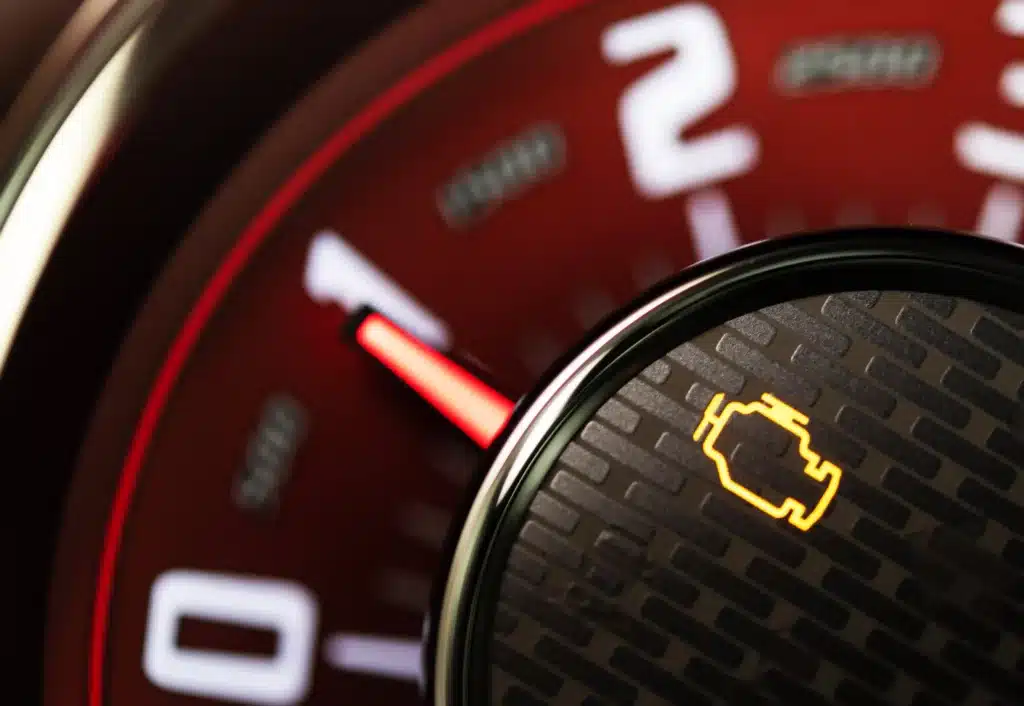
Modern cars rely on sensors to monitor and adjust engine performance. Faulty oxygen sensors, mass airflow sensors, or throttle position sensors can send wrong data, causing your engine to sputter. If your check engine light is on, a sensor problem might be behind it. Getting a diagnostic scan can reveal sensor errors and guide you to the exact fix.
Credit: www.altimaforums.net
Fuel System Troubleshooting
If your Nissan Altima is sputtering, the fuel system often holds the key to the problem. The fuel system is responsible for delivering the right amount of fuel to your engine at the right time. Any hiccup here can cause rough idling, loss of power, or sputtering.
Let’s look closely at common fuel system issues that might cause these symptoms and how you can identify them.
Clogged Fuel Filter
A clogged fuel filter restricts the flow of fuel to the engine, causing sputtering and hesitation. Dirt and debris accumulate over time, especially if you fill up at low-quality gas stations.
Have you noticed your engine struggling more when accelerating? That’s a typical sign. Replacing the fuel filter is usually straightforward and can restore smooth fuel flow quickly.
Faulty Fuel Pump
The fuel pump pushes fuel from the tank to the engine. When it starts failing, it can’t maintain consistent pressure, leading to sputtering or stalling.
You might hear a whining noise from the fuel tank or notice difficulty starting your car. Testing the fuel pressure with a gauge helps confirm if the pump is the culprit. Fixing a faulty pump can be more expensive but is crucial for reliable performance.
Dirty Fuel Injectors
Fuel injectors spray fuel into the engine’s combustion chamber. Over time, deposits build up, causing uneven spray patterns and poor combustion.
If your Altima sputters mostly at low speeds or idling, dirty injectors might be to blame. Using a quality fuel injector cleaner regularly can help, but severe buildup might require professional cleaning or replacement.
Ignition System Checks
The ignition system plays a crucial role in your Nissan Altima’s performance. If your engine is sputtering, it might be a sign that something within this system isn’t working properly. Checking the ignition components can often reveal the root cause and help you fix the problem before it gets worse.
Worn Spark Plugs
Spark plugs ignite the fuel-air mixture in your engine. Over time, they wear out or get coated with deposits, causing weak or inconsistent sparks. If your Altima sputters, worn spark plugs could be the culprit, especially if you notice rough idling or difficulty starting the car.
Replacing spark plugs is usually straightforward and affordable. Have you checked the gap and condition of your spark plugs recently? Small changes here can make a big difference in engine smoothness.
Bad Ignition Coils
Ignition coils convert the battery’s voltage to the high voltage needed to fire spark plugs. When a coil fails, it disrupts the spark delivery, causing misfires and sputtering. You might hear a ticking noise or experience a drop in fuel efficiency if a coil is going bad.
Testing ignition coils requires some tools, but many auto parts stores offer free testing. If one coil is bad, it’s often wise to replace them in pairs or sets to avoid repeated problems. Are you familiar with how to spot coil issues during a drive?
Damaged Wiring
The wiring in the ignition system carries electrical signals to the coils and plugs. Damage from heat, corrosion, or rodents can cause intermittent connections. This leads to inconsistent sparks and engine sputtering, especially under load or acceleration.
Inspect wiring harnesses for cracks, loose connections, or burnt spots. Sometimes, a simple repair like securing a loose wire or replacing a connector resolves the issue. Have you checked under the hood for signs of damaged or chewed wires lately?

Credit: www.youtube.com
Air And Exhaust System Fixes
If your Nissan Altima is sputtering, the air and exhaust systems are key areas to check. These systems control how air enters and exits your engine, directly affecting performance. Fixing issues here can often restore smooth running without costly repairs.
Blocked Air Filter Replacement
A dirty or clogged air filter chokes your engine’s airflow. This can cause sputtering, poor acceleration, and lower fuel efficiency. Replacing the air filter is simple and affordable—often overlooked but incredibly effective.
Have you noticed reduced power or strange engine noises? Pull out your air filter and hold it up to the light. If you can’t see much light through it, it’s time for a replacement.
Exhaust Leaks And Repairs
Exhaust leaks disrupt the balance of gases your engine needs to run properly. A leak can cause sputtering, rough idling, or even trigger the check engine light. You might hear a hissing or tapping sound near the exhaust manifold or under your car.
Fixing exhaust leaks often involves tightening connections or replacing damaged pipes or gaskets. Ignoring these leaks can lead to reduced fuel economy and higher emissions—issues you don’t want hanging around.
Catalytic Converter Issues
The catalytic converter cleans harmful gases before they leave your car. A clogged or failing converter can cause your Altima to sputter, stall, or lose power. Symptoms include a strong sulfur smell or poor acceleration, especially uphill.
If you suspect your catalytic converter, a diagnostic test can confirm blockages or damage. Replacing this part may seem costly but will save you money on fuel and avoid further engine problems down the road.
Sensor And Electrical Repairs
Sensor and electrical issues often cause your Nissan Altima to sputter unexpectedly. These components play a crucial role in managing your engine’s air-fuel mixture and overall performance. Ignoring sensor problems can lead to poor fuel economy and even engine damage, so it’s important to diagnose and fix these issues promptly.
Mass Air Flow Sensor Cleaning
The Mass Air Flow (MAF) sensor measures the amount of air entering your engine. If it gets dirty, your Altima might sputter because the engine isn’t getting the right air-fuel balance. Cleaning the MAF sensor with a special cleaner can restore proper function and smooth out your engine’s performance.
Have you ever noticed your car stalling right after a dusty drive? That’s often a sign the MAF sensor needs attention. Regular cleaning can prevent this problem and keep your Altima running smoothly.
Oxygen Sensor Replacement
The oxygen sensors monitor exhaust gases to help adjust fuel injection for optimal combustion. A faulty oxygen sensor can cause sputtering by sending incorrect data to the engine control unit. Replacing a bad oxygen sensor is a straightforward fix that often improves fuel efficiency and reduces rough idling.
Think about how your car behaves during cold starts or acceleration. If sputtering happens in these moments, a worn oxygen sensor might be the culprit. Don’t delay replacement; it can save you from more costly repairs later.
Ecu Reset And Updates
Your Nissan’s Engine Control Unit (ECU) manages all sensor inputs to maintain smooth engine operation. Sometimes the ECU needs a reset or software update to correct glitches causing sputtering. This process can clear error codes and improve your vehicle’s responsiveness.
Have you tried disconnecting your battery to reset the ECU? While this might help temporarily, visiting a professional for proper updates ensures lasting results. Keeping your ECU updated can prevent recurring sputtering issues and improve overall driving experience.
Credit: lemonlawhelp.com
Maintenance Tips To Prevent Sputtering
Sputtering in your Nissan Altima can be frustrating, especially when it interrupts your daily drive. Preventing this issue often comes down to how well you maintain your vehicle. Staying on top of key maintenance tasks can keep your engine running smoothly and help you avoid sputtering problems before they start.
Regular Tune-ups
Regular tune-ups are essential to keep your Altima’s engine firing properly. During a tune-up, mechanics check spark plugs, ignition timing, and the fuel system to ensure everything works as it should. Have you noticed your engine hesitating or losing power? A tune-up could fix these signs early and save you from costly repairs.
Fuel Quality Checks
The quality of fuel you use directly affects your car’s performance. Poor-quality or contaminated fuel can cause sputtering by clogging fuel injectors or disrupting combustion. Try to fill up at reputable stations and, if possible, use fuel additives to keep your system clean. Have you ever experienced sputtering after using a new gas station? That might be a sign to check your fuel source.
Timely Part Replacements
Parts like spark plugs, air filters, and fuel filters wear out over time and need timely replacement. Worn spark plugs, for example, can cause misfires and sputtering. Set reminders based on your Altima’s maintenance schedule to replace these parts before they fail. Think about the last time you changed your spark plugs—could that be linked to your sputtering issues?
Frequently Asked Questions
What Causes A Nissan Altima To Sputter?
A Nissan Altima may sputter due to various reasons such as fuel delivery issues, faulty spark plugs, or a clogged air filter. Engine misfires and exhaust leaks can also contribute to the problem. Regular maintenance and timely inspections can help identify and resolve these issues.
How Can I Fix Sputtering In My Altima?
To fix sputtering, check the fuel system, replace worn spark plugs, and ensure the air filter is clean. If the problem persists, consult a professional mechanic for a thorough inspection. Timely maintenance is crucial to prevent sputtering and ensure smooth engine performance.
Can Bad Fuel Cause My Altima To Sputter?
Yes, bad fuel can cause your Nissan Altima to sputter. Contaminated or low-quality fuel affects engine performance. It can lead to misfires and sputtering. Using high-quality fuel and regularly cleaning the fuel system can help prevent such issues and ensure optimal performance.
Is A Sputtering Engine Dangerous?
A sputtering engine can be dangerous if ignored. It affects vehicle performance and fuel efficiency. It may lead to engine damage over time. Promptly addressing the root cause of sputtering can prevent further complications and ensure safe driving conditions.
Conclusion
A sputtering Nissan Altima signals engine trouble you should not ignore. Common causes include dirty spark plugs, bad fuel injectors, or air filter issues. Regular check-ups help catch these problems early. Fixing small issues saves money and stress later. Drive safely and listen to your car’s signals.
Taking quick action keeps your Altima running smooth. Don’t wait until the sputtering gets worse or stops you on the road. Simple care makes a big difference in your car’s health. Stay alert and keep your ride in good shape.