
Is your vacuum cleaner leaving more dirt behind than it picks up? If you find yourself wondering, “Why is my vacuum not sucking?”
You’re not alone. Many people experience this frustrating problem, and the good news is that it’s often an easy fix. Imagine the relief you’ll feel once your vacuum is back to its efficient self, making your home cleaner and your chores faster.
We’ll uncover the common reasons behind a vacuum’s loss of suction and provide you with straightforward solutions. By the end, you’ll not only understand the problem but also have the tools to fix it. Ready to get your vacuum back to its best? Let’s dive in!
Common Causes Of Weak Suction
Weak suction is a common problem that can turn vacuuming into a frustrating chore. Understanding the usual suspects behind this issue can help you fix it quickly and get your vacuum working like new. Let’s look at the common causes that might be stopping your vacuum from picking up dirt effectively.
Clogged Filters And Hoses
Filters trap dust and debris, but over time they get clogged, reducing airflow. This makes your vacuum struggle to suck properly. Hoses can also get blocked by stuck dirt or small objects, cutting suction power.
Have you checked your filters and hoses lately? Cleaning or replacing filters and clearing hose blockages often restores suction immediately.
Full Or Blocked Dustbin
A full dustbin leaves no room for more dirt and can choke your vacuum’s airflow. Even a partially blocked dustbin can cause poor suction. Emptying the bin regularly keeps your vacuum efficient.
Think about how often you empty your dustbin. Is it possible you’ve been pushing off this simple task? Try emptying it before your next vacuum session to see the difference.
Worn Out Brush Roll
The brush roll agitates the carpet to loosen dirt, but if it’s worn out or tangled, it won’t work well. This reduces the vacuum’s ability to pick up debris. Hair and threads wrapped around the brush are common culprits.
Have you noticed your vacuum missing spots or leaving behind pet hair? Cleaning or replacing the brush roll can improve suction and cleaning performance.
Air Leaks In The Vacuum
Air leaks from cracks or loose seals reduce suction by letting air escape before it reaches the dustbin. Even small leaks in the vacuum body or attachments can cause big problems.
Try inspecting your vacuum for any visible gaps or damaged seals. Sealing these leaks can restore the vacuum’s power without expensive repairs.
Faulty Motor Issues
The motor creates the suction force, so if it’s failing, suction drops dramatically. Motors can wear out over time or get damaged by overheating. A burning smell or unusual noise can signal motor problems.
Have you heard strange sounds or noticed your vacuum cutting out? Motor repair or replacement might be necessary to get your vacuum working properly again.

Credit: www.angi.com
Step-by-step Quick Fixes
If your vacuum isn’t sucking like it used to, don’t panic. Many common issues can be fixed quickly with a few simple checks. You can save money and time by troubleshooting before calling for repairs or buying a new machine.
Cleaning Or Replacing Filters
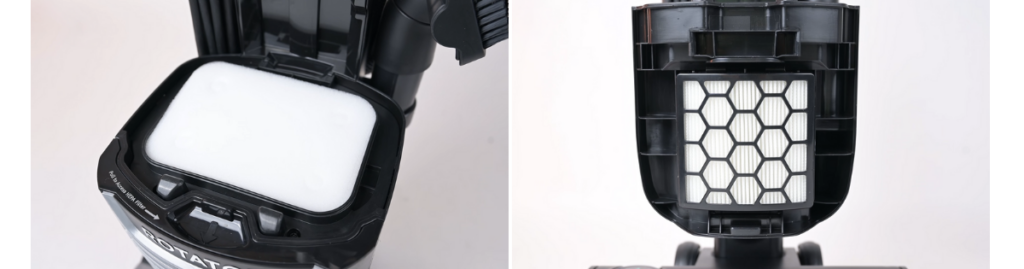
Filters trap dust and allergens, but they clog up over time. Check your vacuum’s manual to find where the filters are located. Take them out and clean them with water if washable, or replace them if they’re disposable.
A dirty filter can block airflow, reducing suction power drastically. Have you ever noticed your vacuum working fine right after a filter change? That’s how powerful this simple fix can be.
Emptying And Inspecting The Dustbin
A full dustbin or bag chokes your vacuum’s suction. Empty the dustbin regularly and make sure there are no blockages inside. Even a small clog in the dustbin inlet can cause major suction loss.
Look carefully for stuck debris or hair that might be tangled. Clearing these out can restore suction immediately, letting your vacuum work as it should.
Checking And Cleaning The Brush Roll
The brush roll picks up dirt but also traps hair and strings. Remove the brush roll and clean off any wrapped debris. If the brush roll doesn’t spin freely, suction will suffer.
Sometimes, a worn brush roll needs replacing to maintain proper cleaning. Does your vacuum leave a trail of dirt? The brush roll might be the culprit.
Sealing Air Leaks
Air leaks in the hose or connections reduce suction power. Inspect hoses for cracks or holes and check that all connections fit tightly. Even small leaks let air escape and weaken suction.
You can test for leaks by running the vacuum and feeling for escaping air. Sealing leaks with tape or replacing damaged parts often fixes suction issues.
Testing The Motor Function
The motor powers suction, so if it’s weak or failing, your vacuum won’t work well. Listen for unusual noises or a burning smell, which can signal motor problems. If the motor doesn’t start or runs inconsistently, it may need professional repair.
Have you ever noticed your vacuum slowing down over time? The motor’s health is critical, and catching issues early can prevent total failure.
Maintenance Tips To Prevent Suction Loss
Maintaining your vacuum cleaner is key to keeping its suction power strong. Suction loss often happens because small issues build up over time. Staying on top of simple upkeep tasks can save you from frustrating cleaning sessions and expensive repairs.
Regular Filter Cleaning Schedule
Your vacuum’s filter traps dust and dirt, but it can get clogged quickly. Check your filter every two weeks if you vacuum daily, or monthly if you vacuum less often. Clean or replace it according to the manufacturer’s instructions to keep airflow smooth and suction steady.
Proper Dustbin Handling
Empty the dustbin before it gets full. A packed dustbin blocks air from moving properly and reduces suction. Make it a habit to remove debris after every use, and wash the bin occasionally to prevent buildup that can stick and cause blockages.
Routine Brush Roll Care
The brush roll picks up dirt but also collects hair and threads that wrap tightly around it. This slows down the brush and lowers suction efficiency. Regularly check the brush roll and carefully cut away any tangled debris to keep it spinning freely.
Inspecting Hoses And Seals
Hoses can develop cracks or clogs that you might not notice right away. Run a quick visual check for holes or blockages every month. Tight seals where hoses connect to the vacuum ensure no air escapes, so make sure these are snug and intact.
Motor Care And Troubleshooting
Your vacuum’s motor is the heart of its suction power. If it sounds different or weaker than usual, it might need attention. Avoid overheating by not running the vacuum for too long at a stretch, and listen for unusual noises that could signal motor issues needing professional help.
Credit: vacuumwars.com
When To Seek Professional Help
Knowing when to seek professional help can save time and prevent further damage. Vacuum issues might seem simple but can hide serious problems. Some signs mean it’s best to call an expert. Don’t wait too long to get help. Early intervention often leads to better results and lower costs.
Signs Of Major Motor Damage
- Vacuum makes loud or unusual noises
- Motor smells burnt during use
- Vacuum stops suddenly and won’t restart
- Power drops significantly despite clean filters
These signals often indicate motor problems. Professionals can diagnose and fix motor damage safely.
Persistent Suction Problems
Suction issues that do not improve after cleaning filters and checking hoses need expert attention. Persistent problems may relate to internal blockages or electrical faults. A technician can identify hidden issues causing weak suction.
Replacement Parts And Warranty Info
Check your vacuum’s warranty before attempting repairs. Some parts may be covered or require authorized service. Professionals have access to genuine replacement parts. Using correct parts ensures proper vacuum function and avoids voiding warranties.

Credit: www.angi.com
Frequently Asked Questions
Why Is My Vacuum Cleaner Losing Suction Power?
Loss of suction often happens due to a clogged filter or hose. Check and clean these parts regularly to maintain strong suction.
How Can A Blocked Vacuum Hose Affect Suction?
A blocked hose restricts airflow, causing weak suction. Remove any debris inside the hose to restore proper vacuum performance.
Does A Full Vacuum Bag Cause Poor Suction?
Yes, a full bag reduces airflow and suction. Replace or empty the vacuum bag frequently to keep suction strong.
Can A Dirty Vacuum Filter Reduce Suction Efficiency?
Absolutely. Dirty filters trap less dust and restrict airflow. Clean or replace filters as recommended for optimal suction.
Conclusion
A vacuum not sucking can be frustrating. Check for blockages in the hose or filter. Dirty filters often cause weak suction. Make sure the bag or canister is not full. Also, inspect the brush roll for tangled hair or debris.
Regular cleaning helps your vacuum work better. Small fixes can save you from buying a new one. Keep your vacuum in good shape for cleaner floors. Simple care makes a big difference in performance. Don’t ignore these signs to keep your home tidy.