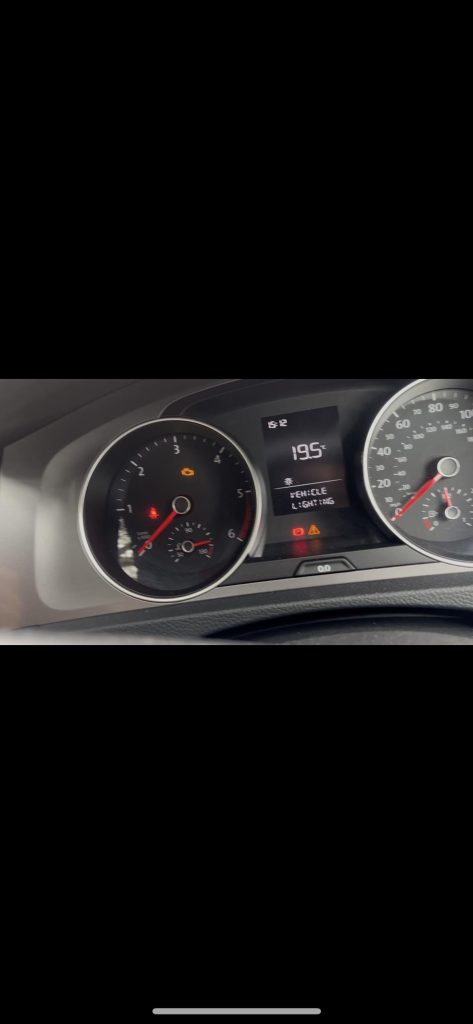
Is your Volkswagen’s temperature gauge climbing too high? You might be wondering, “Why is my Volkswagen overheating?” This problem can be frustrating and even dangerous if left unchecked.
Overheating can cause serious damage to your engine and leave you stranded when you least expect it. But don’t worry—understanding the common reasons behind this issue can help you spot the warning signs early and take action. Keep reading to discover what might be causing your Volkswagen to overheat and what you can do to protect your car and your peace of mind.
Common Causes Of Overheating
Overheating in a Volkswagen can cause serious engine damage. Understanding common causes helps prevent costly repairs. Several parts work together to keep your engine cool. When any part fails, overheating can occur quickly. Identifying these issues early saves time and money.
Coolant Leaks And Low Levels
Coolant moves heat away from the engine. Leaks lower coolant levels, reducing cooling ability. Common leak spots include hoses, radiator, and water pump. Low coolant causes the engine temperature to rise fast.
Faulty Thermostat
The thermostat controls coolant flow through the engine. A stuck thermostat blocks coolant circulation. This traps heat inside, causing the engine to overheat. Replacing a faulty thermostat restores proper cooling.
Radiator Issues
The radiator cools the hot coolant from the engine. Blocked or damaged radiators reduce cooling efficiency. Dirt, debris, and corrosion can clog radiator fins. A leaking radiator also lowers coolant and causes overheating.
Water Pump Failures
The water pump moves coolant through the engine and radiator. A broken pump stops coolant flow. This leads to rapid overheating and engine damage. Signs include coolant leaks near the pump and strange noises.
Clogged Coolant Passages
Coolant passages carry fluid inside the engine block. Deposits and rust can clog these small channels. Reduced coolant flow causes hot spots in the engine. Flushing the cooling system can clear blockages.
Broken Cooling Fans
Cooling fans pull air through the radiator to reduce heat. Electric fan motors or fan blades can fail. Without fans, the radiator cannot cool the coolant well. Overheating often happens in stop-and-go traffic without fan action.
Head Gasket Problems
The head gasket seals the engine cylinders and coolant passages. A blown head gasket leaks coolant into the engine or oil. This causes overheating and white smoke from the exhaust. Repair requires gasket replacement by a mechanic.
Credit: www.myturbodiesel.com
Signs Your Volkswagen Is Overheating
Driving a Volkswagen is usually smooth and enjoyable. But overheating issues can disrupt the experience. Recognizing early signs of overheating helps prevent serious damage. Here are key indicators to watch for.
Temperature Gauge Fluctuations
The temperature gauge is your first warning. It should stay in the middle. If it rises rapidly, take action. A fluctuating gauge indicates a problem. Check it often while driving.
Steam From The Engine
Steam signals overheating. It often comes from under the hood. Pull over safely if you see steam. Let the engine cool before checking it.
Unusual Engine Smells
Weird smells mean trouble. A sweet smell suggests leaking coolant. A burning odor might indicate overheating. Pay attention to any strange scents while driving.
Loss Of Power
Overheating affects performance. You may notice reduced power. The engine might hesitate or stall. This can happen suddenly.
Coolant Warning Lights
Modern Volkswagens have warning lights. A coolant light means overheating. Do not ignore it. Check your coolant level immediately.
Quick Fixes To Try
Overheating in your Volkswagen can cause serious damage if not handled quickly. Some quick fixes can help cool down the engine and prevent further issues. These simple steps save time and money before seeing a mechanic.
Check And Refill Coolant
Coolant keeps your engine temperature balanced. Check the coolant level in the reservoir when the engine is cold. If it is low, refill with the recommended type. Use a funnel to avoid spills. Never open the radiator cap when the engine is hot. This can cause burns.
Inspect Radiator And Hoses
Look for leaks or cracks in the radiator and hoses. Damaged parts cause coolant loss and overheating. Feel for soft spots or bulges in hoses. Tighten any loose clamps. Replace worn hoses to keep the system sealed and working well.
Replace A Faulty Thermostat
The thermostat controls coolant flow. A stuck thermostat blocks coolant circulation. This causes the engine to overheat quickly. Replacing it restores normal flow. It is a small part but important for engine health.
Clean Or Replace Cooling Fans
Cooling fans help lower engine temperature. Check if fans turn on when the engine gets hot. Remove debris that blocks fan blades. Replace fans that fail to start. Proper fan operation cools the radiator effectively.
Avoid Driving When Hot
Driving with an overheating engine worsens damage. Stop the car safely and turn off the engine. Let it cool down before continuing. This prevents burns and engine failure. Use roadside assistance if needed for safety.
Preventive Maintenance Tips
Keeping your Volkswagen from overheating isn’t just about fixing problems after they happen; it’s about staying ahead with smart maintenance. Preventive care helps you avoid costly repairs and keeps your engine running smoothly. Let’s look at some practical tips you can apply to protect your car’s cooling system.
Regular Coolant Flush
Coolant breaks down over time and loses its ability to absorb heat effectively. Flushing your coolant every 30,000 miles or as recommended in your owner’s manual ensures your engine stays cool. I once skipped this and faced an overheating engine on a hot day—don’t let that be you.
Routine Radiator Inspections
Your radiator is the heart of the cooling system. Check for leaks, corrosion, or blockages regularly. A simple visual inspection can reveal cracks or debris buildup that might cause overheating if ignored.
Monitor Temperature Gauge
Keep an eye on your dashboard’s temperature gauge every time you drive. If it starts creeping into the red zone, pull over and investigate. Catching a rise early can save your engine from severe damage.
Scheduled Water Pump Checks
The water pump moves coolant through your engine. If it fails, your Volkswagen will overheat quickly. Listen for unusual noises or look for coolant leaks near the pump during routine service visits.
Timely Head Gasket Repairs
A blown head gasket can cause overheating and major engine trouble. If you notice white smoke from the exhaust or milky oil, get your gasket checked immediately. Early repairs prevent a small issue from turning into an expensive nightmare.
When To See A Mechanic
Knowing when to see a mechanic is vital if your Volkswagen is overheating. This can prevent serious damage and save you money. Some signs mean it is time to get professional help. Watch for these clear signals that your car needs attention.
Persistent Overheating Issues
Overheating that happens again and again is a serious problem. It shows that something is wrong with the cooling system or engine. Do not keep driving if the temperature gauge stays high. A mechanic can find the cause and fix it before it worsens.
Visible Coolant Leaks
Coolant leaks appear as puddles under the car or wet spots near the engine. Coolant is essential to keep the engine cool and working well. Leaks mean the system cannot keep the right temperature. A mechanic should check and repair the leak quickly to avoid overheating.
Engine Warning Lights
The engine warning light on your dashboard can signal overheating. This light means the car’s computer detects a problem. Never ignore this warning. A mechanic will run a diagnostic to find the exact issue and stop damage to the engine.
Strange Noises Or Smells
Odd sounds like hissing or knocking may come with overheating. Strange smells, such as burning or sweet syrup scents, also warn of trouble. These signs point to cooling system or engine problems. A mechanic will inspect your car and fix any faults causing these symptoms.
Credit: www.vwvortex.com

Credit: www.youtube.com
Frequently Asked Questions
Why Is My Volkswagen Engine Overheating?
Your Volkswagen engine may overheat due to low coolant levels, a faulty thermostat, or a broken water pump. Poor radiator function or blocked hoses can also cause overheating. Regular maintenance helps prevent these issues and keeps your engine running cool.
How Can I Prevent Volkswagen Overheating?
Prevent overheating by checking coolant levels regularly and ensuring the radiator is clean. Replace worn hoses and faulty thermostats promptly. Avoid heavy traffic or hot weather driving without breaks. Regular servicing helps detect problems early and maintain optimal engine temperature.
What Are Symptoms Of An Overheating Volkswagen?
Common symptoms include a rising temperature gauge, steam from the engine, and a burning smell. You might notice reduced engine power or strange noises. Immediate attention is necessary to avoid severe engine damage.
Can A Faulty Thermostat Cause Overheating?
Yes, a faulty thermostat can cause your Volkswagen to overheat. It may get stuck closed, blocking coolant flow. This prevents the engine from cooling properly, leading to overheating. Replacing the thermostat usually resolves this issue quickly.
Conclusion
Volkswagen overheating can cause serious engine damage. Check the coolant level and radiator first. A broken thermostat or water pump may cause the problem. Keep an eye on warning signs like steam or high temperature. Regular car maintenance helps avoid overheating issues.
Fix small problems quickly to save money. Drive safely and keep your Volkswagen running cool. Don’t ignore overheating—it affects your car’s life. Stay alert and act fast to protect your vehicle.