
Are you wondering if upgrading your exhaust system can actually boost your car’s horsepower? You’re not alone.
Many car enthusiasts ask this question because a more powerful engine means better performance and a more thrilling drive. But does swapping out your exhaust really deliver the extra power you crave? You’ll discover the truth about exhaust systems and horsepower, what to expect, and how to make the best choice for your ride.
Keep reading—your car’s full potential might be closer than you think.
How Exhaust Systems Affect Engine Power
The exhaust system plays a key role in engine power. It helps remove gases made during combustion.
Good exhaust flow can improve engine efficiency and increase horsepower.
Role Of Exhaust In Engine Performance
The exhaust system removes burned gases from the engine cylinders. This clears space for fresh air and fuel.
If exhaust gases leave quickly, the engine breathes better. This helps the engine make more power.
Types Of Exhaust Systems
There are different exhaust types. Each affects power and sound in its own way.
- Single Exhaust: One pipe removes gases. Common in small engines.
- Dual Exhaust: Two pipes improve gas flow. Found in bigger engines.
- Headers: Pipes designed to reduce resistance. Help increase horsepower.
- Cat-Back Systems: From catalytic converter to tailpipe. Often used to boost power.
Exhaust Flow And Backpressure
Exhaust flow means how fast gases leave the engine. Good flow reduces backpressure.
Backpressure is resistance that slows gas exit. Too much backpressure lowers power.
- Low Backpressure: Helps the engine breathe and gain power.
- High Backpressure: Forces the engine to work harder, reducing power.
- Balanced Backpressure: Needed for some engines to run well.

Credit: www.spelabautoparts.com
Benefits Of Upgrading Your Exhaust
Upgrading your exhaust system can improve your vehicle’s performance. It helps your engine work better and can make driving more fun.
A better exhaust system lets gases flow out faster. This can lead to several benefits for your car or truck.
Improved Horsepower And Torque
A new exhaust system reduces backpressure. This means the engine can push out exhaust gases easier.
With less resistance, your engine can produce more horsepower and torque. This makes your vehicle faster and stronger.
- Frees up engine power
- Improves throttle response
- Supports better acceleration
Enhanced Fuel Efficiency
A good exhaust system helps your engine breathe well. This means it uses fuel more efficiently.
When fuel burns better, your car can travel farther on the same amount of gas. This saves money on fuel.
- Reduces fuel waste
- Improves combustion
- Helps lower emissions
Better Engine Sound
An upgraded exhaust can change your vehicle’s sound. It often makes the engine sound deeper and richer.
This sound can make driving more enjoyable. It also gives your car a sportier feel.
- Produces a more aggressive tone
- Reduces unwanted noise
- Improves overall driving experience
Choosing The Right Exhaust System
An exhaust system can help increase your vehicle’s horsepower. Picking the right system is key for good results.
Different types of exhaust systems affect power and sound. Knowing your options helps you choose better.
Cat-back Vs. Header-back Systems
Cat-back systems replace pipes from the catalytic converter to the exhaust tip. They improve flow and sound.
Header-back systems replace the exhaust from the headers all the way back. They often give more power gains.
- Cat-back: Easier to install, less expensive
- Header-back: More power, more work to install
- Both improve exhaust flow and horsepower
Material Choices: Stainless Steel Vs. Aluminum
Stainless steel is strong and resists rust. It lasts longer under tough conditions.
Aluminum is lighter and cheaper. It may not last as long as stainless steel.
- Stainless steel: Durable, rust-resistant, heavier
- Aluminum: Lightweight, cost-effective, less durable
- Choose based on budget and how long you want it to last
Compatibility With Your Vehicle
Not all exhaust systems fit every vehicle. Check your car’s make and model before buying.
Some cars need custom systems for the best fit and performance. Factory specs help guide your choice.
- Match system size to your engine and car model
- Consider custom options for unique vehicles
- Proper fit ensures better horsepower gains and sound
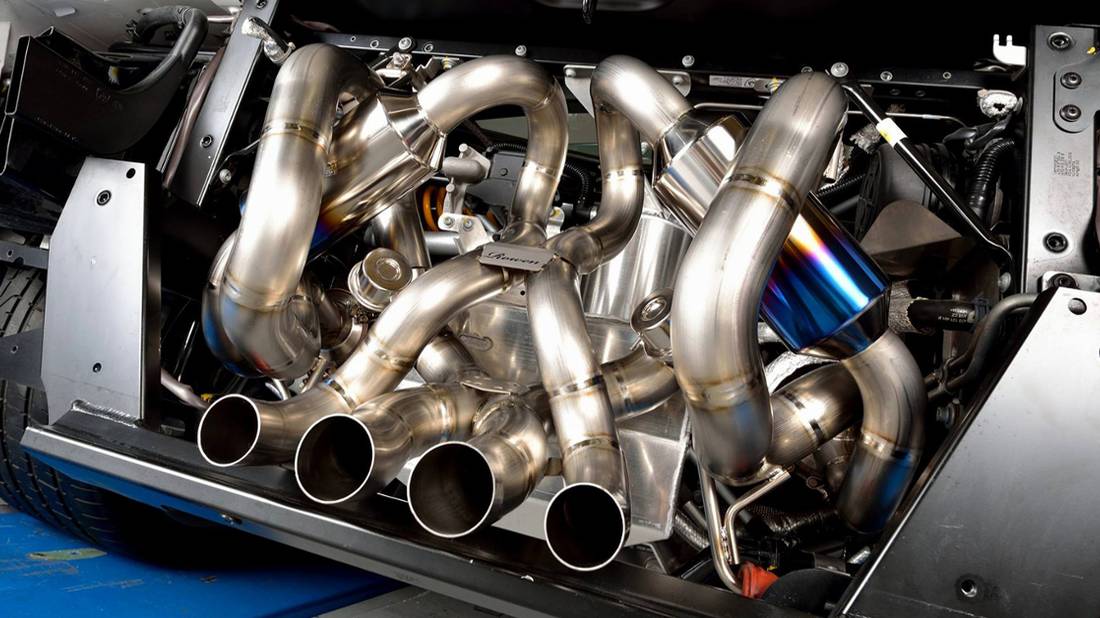
Credit: www.hotcars.com
Installation And Tuning Considerations
Upgrading your exhaust system can help increase horsepower. The process needs care during installation and tuning. Proper steps ensure you get the best power gains.
Choosing the right approach can save time and protect your vehicle. This guide explains key points about installation and tuning.
Professional Installation Vs. Diy
Professional installation offers skill and the right tools. Experts fit the exhaust correctly and avoid leaks or damage. This helps the system work as planned.
DIY installation can save money but needs care. Mistakes like loose bolts or wrong parts can reduce power or cause problems. You must understand your car’s setup well.
- Professionals ensure proper fit and seal
- DIY requires good mechanical knowledge
- Poor installation may cause exhaust leaks
- Proper tools are essential for both methods
Ecu Tuning For Maximum Gains
The engine control unit (ECU) controls air and fuel flow. After installing a new exhaust, the ECU may need tuning. This helps the engine run better with the new setup.
Tuning adjusts fuel maps and timing to match the exhaust. This can increase horsepower and improve throttle response. Without tuning, gains might be small or none.
- ECU tuning optimizes air-fuel ratio
- Improves engine efficiency and power
- Custom tunes fit your specific exhaust
- Can be done with a handheld tuner or software
Potential Risks And Maintenance
Changing your exhaust system comes with risks. Poor installation or bad tuning can hurt engine health. Regular checks help catch issues early.
Maintenance keeps your exhaust working well. Rust, cracks, and loose parts reduce performance. A well-maintained system lasts longer and keeps power steady.
- Check for leaks and loose parts often
- Watch for unusual engine noises or smells
- Keep the exhaust clean and rust-free
- Use proper tuning tools to avoid engine damage
Real-world Performance Gains
Upgrading an exhaust system can affect your car’s horsepower. Many drivers want to know if these changes really help in everyday driving.
This article looks at how much horsepower you can expect to gain. It also shares real user experiences and compares stock and upgraded exhaust systems.
Expected Horsepower Increases
Most upgraded exhaust systems add between 5 and 15 horsepower. The exact gain depends on the car and the system used.
Systems that reduce backpressure and improve airflow usually provide the best results. Some high-performance setups may offer more power but cost more too.
- Basic cat-back systems: 5-10 horsepower increase
- High-flow catalytic converters: 7-12 horsepower increase
- Headers and full exhaust setups: 10-15 horsepower increase
User Experiences And Testimonials
Many drivers report feeling quicker acceleration after installing a new exhaust. Some notice better engine sounds and smoother power delivery.
Not all experiences are the same. Factors like tuning, car condition, and type of exhaust system affect results.
- “My car feels more responsive on the road.”
- “I gained a few extra horsepower and better exhaust tone.”
- “Performance improved, but I also tuned the engine.”
- “No big difference without other upgrades.”
Comparing Stock Vs. Upgraded Systems
Stock exhaust systems are built for noise limits and emissions. They often restrict airflow to meet these rules.
Upgraded systems focus on better airflow and less restriction. This helps the engine breathe better and produce more power.
| Feature | Stock Exhaust | Upgraded Exhaust |
|---|---|---|
| Airflow | Restricted to meet regulations | Improved for better engine breathing |
| Horsepower Gain | None to minimal | 5-15 horsepower increase |
| Sound | Quieter, muffled | Deeper, louder exhaust note |
| Cost | Included with car purchase | Varies, can be costly |
| Maintenance | Designed for long life | May need tuning and upkeep |

Credit: flasharkracing.com
Frequently Asked Questions
Does An Exhaust System Boost Horsepower?
Yes, upgrading the exhaust system can boost horsepower. Improved exhaust flow reduces back pressure, enhancing engine efficiency. This leads to better combustion, increasing power output. However, the actual gain depends on the vehicle and exhaust type.
How Much Horsepower Gain From Exhaust Upgrade?
The horsepower gain from an exhaust upgrade varies. Typically, you can expect an increase of 5 to 10 percent. The exact boost depends on the exhaust design, engine type, and other modifications. A performance exhaust paired with other upgrades can maximize the power increase.
Will Exhaust Modification Affect Fuel Efficiency?
Yes, exhaust modifications can affect fuel efficiency. By improving airflow, they often enhance engine efficiency, potentially increasing fuel economy. However, aggressive driving with newfound power may offset these gains. It’s important to balance performance with fuel savings when upgrading.
Is Aftermarket Exhaust Legal?
Aftermarket exhaust legality varies by location and local laws. Some regions have strict noise and emissions regulations. It’s crucial to check local laws before installation. Choosing a legal, compliant exhaust ensures no issues with inspections or penalties.
Conclusion
Upgrading your exhaust system can boost your car’s horsepower. It helps the engine breathe better and work more efficiently. But the increase depends on your car type and exhaust design. Not all exhaust systems give the same power gain. Choose one that fits your vehicle and driving style.
Remember, small changes add up over time. A good exhaust system improves sound and performance together. Think of it as a simple step toward a stronger, smoother ride.