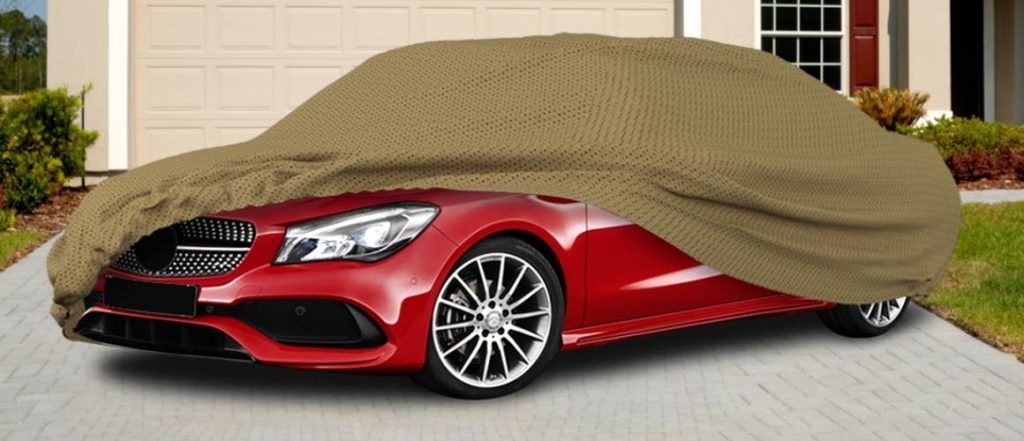
Are you worried that using a car cover might damage your vehicle’s paint? You’re not alone.
Many car owners wonder if covering their car could lead to scratches or swirl marks. After all, protecting your investment is important, but what if the very thing meant to shield your car ends up causing harm? You’ll discover the truth about car covers and paint damage.
By the end, you’ll know how to keep your car safe without risking scratches. Keep reading to protect your car the right way.
How Car Covers Can Affect Paint
Car covers protect vehicles from weather and dirt. They can also impact the paint’s condition.
Choosing the right cover and using it correctly helps keep paint safe. Wrong covers may cause scratches or damage.
Types Of Car Cover Materials
Car covers come in many materials. Some are soft and gentle, while others can be rough.
- Polyester: Lightweight but may trap dust.
- Fleece-lined: Soft and safe for paint.
- Plastic: Can cause scratching if dirt gets trapped.
- Canvas: Durable but sometimes coarse.
Common Causes Of Scratches
Scratches on car paint often come from simple sources. Understanding these helps prevent damage.
| Cause | Description |
| Dirt under cover | Small particles rub against paint |
| Improper cover fit | Cover moves and scratches paint |
| Rough materials | Harsh fabrics scrape the surface |
| Pets or birds | Claws or droppings cause marks |
Impact Of Dust And Debris
Dust and debris can harm paint under a cover. They act like sandpaper when rubbed.
Tips to reduce dust damage:
- Clean car before covering
- Use covers with dust-resistant fabric
- Avoid windy areas where debris blows
- Remove cover carefully to avoid rubbing dust

Credit: finance.yahoo.com
Choosing The Right Car Cover
Car covers protect your vehicle from dirt, dust, and weather. Choosing the right cover helps avoid paint scratches.
Different covers have different materials and fits. Picking the right one keeps your car safe and scratch-free.
Breathable Vs Non-breathable Covers
Breathable covers let air pass through. This stops moisture from building under the cover.
Non-breathable covers block air and moisture. They may trap water that can damage paint.
- Breathable covers reduce mold and mildew
- Non-breathable covers protect better from rain
- Breathable covers are softer on paint
- Non-breathable covers may cause condensation
Fitting And Size Considerations
A tight-fitting cover stays in place and prevents rubbing. A loose cover can flap and scratch paint.
Choose a cover size that matches your car model. Covers too big or small cause damage from movement.
- Measure your car’s length, width, and height
- Pick covers made for your car type
- Check if the cover has elastic hems or straps
- Secure covers reduce wind damage
Weather-specific Covers
Different covers suit different weather conditions. Using the right cover protects your paint better.
Some covers block UV rays, others protect from snow or rain. Choose based on where you park your car.
- UV-resistant covers stop sun damage
- Waterproof covers keep rain away
- Snow covers have extra padding
- Indoor covers focus on dust and scratches
Proper Use Of Car Covers
Car covers protect your vehicle from dust, dirt, and weather. Using them correctly keeps your paint safe.
Improper use of covers can cause scratches or damage. Learn how to use them the right way.
Preparing Your Car Before Covering
Clean your car thoroughly before covering it. Dirt and dust can scratch the paint under the cover.
Make sure the car is dry to avoid moisture damage. Check for any sharp parts that might tear the cover.
- Wash the car to remove dirt and grime
- Dry the car completely with a soft cloth
- Remove or cover sharp items like antennas
- Check for loose parts that might rub the paint
Techniques For Safe Covering And Removal
Place the cover gently over the car to avoid scratches. Do not drag the cover across the paint.
When removing the cover, lift it straight up. Avoid sliding it to prevent rubbing dirt on the paint.
- Start covering from the top of the car
- Pull the cover down slowly and evenly
- Lift the cover straight up when removing
- Keep the cover clean to reduce scratching risk
Avoiding Trapped Moisture
Moisture trapped under the cover can harm your paint. It can cause stains and promote rust.
Use breathable covers to let moisture escape. Avoid covering a wet car to reduce trapped moisture.
- Use covers made of breathable materials
- Make sure the car is dry before covering
- Lift the cover occasionally to air out the car
- Store the cover in a dry place when not in use

Credit: www.reddit.com
Maintenance Tips For Car Covers
Car covers protect your vehicle from dust, dirt, and weather. Keeping your cover clean and stored well helps it last longer.
Knowing when to replace the cover ensures your car stays safe and scratch-free.
Cleaning Your Car Cover
Regular cleaning removes dirt and grime that can scratch your car’s paint. Use mild soap and cold water to wash your cover gently.
- Shake off loose dirt before washing
- Hand wash or use a gentle machine cycle
- Do not use bleach or harsh chemicals
- Air dry the cover completely before use
Storage Best Practices
Proper storage keeps your car cover clean and ready. Store it in a dry, cool place away from direct sunlight.
| Storage Tip | Reason |
| Fold cover neatly | Prevents wrinkles and damage |
| Use a storage bag | Keeps dust and pests out |
| Keep away from moisture | Stops mold and mildew growth |
When To Replace Your Cover
Replace your car cover if it shows signs of wear. Rips, thinning fabric, or stains can reduce protection.
- Check for tears that expose your car
- Look for fabric that no longer repels water
- Replace if dirt or stains won’t wash out
Alternative Paint Protection Methods
Car paint can get scratched easily. Using the right protection helps keep your car looking new. There are several ways to protect your paint besides car covers.
Each method has its own benefits and fits different needs. You can choose what works best for you and your vehicle.
Paint Protection Films
Paint protection films are thin, clear layers applied to your car’s surface. They act as a shield against scratches, chips, and dirt. These films are almost invisible and keep your paint safe from damage.
- Protects from rock chips and minor scratches
- Self-healing properties in some films
- Long-lasting protection for several years
- Can be removed without damaging paint
Ceramic Coatings
Ceramic coatings create a hard layer over your car’s paint. This layer repels water and dirt. It also adds shine and makes cleaning easier.
| Feature | Benefit |
| Hydrophobic Surface | Water and dirt slide off easily |
| UV Protection | Prevents paint fading |
| Scratch Resistance | Reduces minor scratches |
| Long Durability | Lasts up to several years |
Regular Waxing Benefits
Waxing your car regularly helps keep the paint smooth and shiny. It adds a protective layer that guards against dirt and small scratches. Wax is easy to apply at home.
- Improves paint shine and depth
- Protects against water spots and bird droppings
- Fills small scratches temporarily
- Affordable and widely available
- Needs frequent reapplication for best results
Expert Advice And Common Myths
Many people wonder if car covers can scratch their paint. Some believe covers cause damage. Others think covers protect perfectly. Let’s explore facts and expert tips.
Understanding myths helps you protect your car better. Expert advice guides you on using covers safely.
Debunking Scratch Myths
Some say car covers always scratch paint. This is not true if you use the right cover. Dirt and dust trapped under covers can cause scratches.
Other myths say covers are useless. In fact, covers protect paint from sun, rain, and bird droppings. Using a clean cover is important.
- Dirty covers can scratch paint
- Use covers made for your car size
- Soft inner lining helps prevent damage
- Covering a clean car reduces risk
Expert Recommendations
Experts say wash your car before covering it. Dry the car fully to stop moisture buildup. Use covers with soft, non-abrasive lining.
Check the cover for dirt before use. Avoid covering the car if the cover is wet or dirty. Secure the cover well to avoid flapping in wind.
- Wash and dry car before covering
- Choose covers with soft lining
- Keep the cover clean and dry
- Secure cover to prevent movement
- Remove cover regularly to check paint
Signs Your Paint Needs Attention
Look for small scratches or swirl marks on your car paint. Dull or faded paint can mean damage. Feel the surface for rough spots.
If you see chips or peeling, your paint needs care. Address issues early to avoid rust. Regular cleaning and polishing keep paint healthy.
- Visible scratches or swirl marks
- Dull or faded paint color
- Rough or uneven surface
- Chips or peeling paint
- Signs of rust or corrosion

Credit: www.amazon.ca
Frequently Asked Questions
Can Car Covers Damage My Car’s Paint?
Car covers can scratch paint if dirt or debris is trapped underneath. Using a clean, soft, and breathable cover reduces this risk. Regularly cleaning both the car and cover helps prevent scratches and paint damage effectively.
What Types Of Car Covers Prevent Paint Scratches?
Soft, microfiber, and cotton covers are gentle on paint surfaces. Waterproof and breathable covers avoid moisture build-up, reducing paint damage risk. Choosing a high-quality, well-fitted cover ensures better protection against scratches.
How To Avoid Scratches When Using Car Covers?
Always wash your car before covering it. Use a clean, dust-free cover and avoid dragging it across the paint. Secure the cover properly to prevent movement and friction that cause scratches.
Do Cheap Car Covers Scratch Paint More Often?
Cheap car covers often use rough materials that can trap dirt and cause scratches. Investing in a quality cover with soft lining ensures better paint protection and durability, minimizing scratch risks.
Conclusion
Car covers protect paint from elements, but choose the right one. Soft, breathable materials prevent scratches. Avoid cheap, abrasive fabrics. Clean the car before covering it. Dust and dirt can scratch paint. A well-fitted cover reduces movement that causes friction.
Regular checks help maintain the cover’s condition. Good care ensures paint remains unscathed. Invest in quality to safeguard your car’s finish. Peace of mind comes with knowing your paint is safe. Select wisely for the best protection.