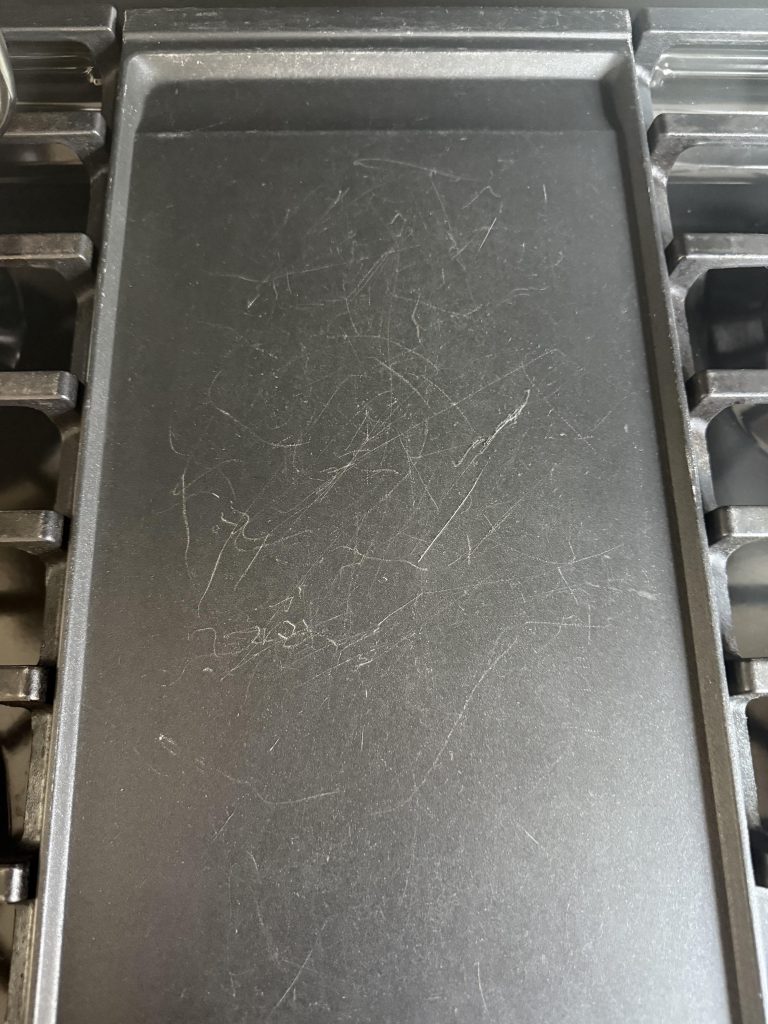
Imagine this: you’ve just invested in a sleek, modern induction cooktop, and you’re excited to start cooking up a storm. But then, a question lingers in your mind – “Will my trusty cast iron skillet scratch this beautiful new surface?”
It’s a common concern for many home cooks like you who love the durability and heat retention of cast iron but are wary about damaging their new appliance. You’ll discover the truth about using cast iron on your induction cooktop.
We’ll explore the potential risks, how you can prevent scratches, and the best practices to ensure your cookware and cooktop coexist harmoniously. Keep reading to protect your kitchen investment and continue enjoying the culinary delights only cast iron can provide. Your peace of mind and the longevity of your cooking tools depend on it!
How Induction Cooktops Work
Understanding how induction cooktops work can help you better care for your cookware and avoid damage. Unlike traditional stoves, induction cooktops use magnetic fields to heat your pots and pans directly. This means the surface stays cooler and cooking is often faster.
How Magnetic Fields Generate Heat
Induction cooktops create an alternating magnetic field using a coil beneath the glass surface. When you place a magnetic cookware like cast iron on the cooktop, this field induces electric currents in the metal. These currents generate heat inside the cookware itself, cooking your food efficiently.
Because heat comes from the pan, the cooktop glass doesn’t get as hot as other stove types. This feature reduces the risk of burns and makes cleaning spills easier. Have you noticed how quickly water boils on an induction stove compared to gas?
Why Cookware Material Matters
For induction to work, your cookware must be magnetic. Cast iron, steel, and some stainless steel pans fit the bill perfectly. However, aluminum, copper, and glass won’t heat up since they aren’t magnetic.
This is why cast iron is popular for induction cooking. It responds well to the magnetic field and retains heat evenly. But have you ever wondered if cast iron can scratch the glass surface of your induction cooktop?
Contact Between Cookware And Cooktop Surface
The glass surface on induction cooktops is tough but not immune to scratches. Since cast iron is heavy and rough at the bottom, dragging it carelessly can leave marks. Lifting your pans instead of sliding them can protect the surface over time.
Consider using a silicone mat or coaster under your cast iron if you worry about scratches. Small efforts like these preserve the look and function of your cooktop while letting you enjoy the benefits of induction cooking.
Cast Iron Characteristics
Cast iron is a popular cooking material known for its durability and heat retention. It has a rough texture and a heavy weight. These features affect how it interacts with an induction cooktop surface.
Understanding the characteristics of cast iron helps explain whether it can scratch an induction cooktop or not.
Surface Texture And Finish
Cast iron has a naturally coarse and uneven surface. This texture can be rough against smooth glass or ceramic cooktop tops. Some cast iron pans have a smoother enameled coating. These are less likely to cause scratches. Bare cast iron, however, may leave marks or scratches if dragged across the cooktop.
Weight And Hardness
Cast iron is very heavy compared to other cookware materials. This weight puts more pressure on the cooktop surface. A heavy pan sliding or bumping on the cooktop can cause damage. Cast iron’s hardness also means it is less likely to get scratched itself. This combination increases the risk of scratching the induction surface.
Heat Retention And Distribution
Cast iron heats slowly but retains heat for a long time. This helps cook food evenly. The pan stays hot after turning off the burner. This does not affect scratches directly but is a key reason many prefer cast iron on induction cooktops.
Seasoning Layer
Cast iron pans are often seasoned with oil to create a non-stick surface. This seasoning forms a thin, smooth layer. It can reduce friction between the pan and cooktop. A well-seasoned pan may lower the chance of scratches compared to unseasoned cast iron.
Potential For Scratching
Using cast iron cookware on an induction cooktop raises a common concern: will the heavy, rough surface of the pan scratch the smooth glass? Understanding the potential for scratching helps you protect your cooktop while enjoying the benefits of cast iron. Let’s break down what really affects the surface and how to minimize any damage.
Surface Hardness Comparison
Induction cooktops usually have a smooth ceramic glass surface, which is quite hard but also delicate. Cast iron pans have a rougher, harder bottom surface, often with some texture from seasoning or manufacturing marks.
When cast iron slides or drags across the cooktop, it can cause scratches, especially if dirt or food debris is trapped underneath. The ceramic glass rates around 5-6 on the Mohs hardness scale, while cast iron is about 4-5, but its roughness can create friction that feels much harsher.
Think about how a piece of sandpaper feels rougher than a smooth stone despite similar hardness. This roughness, combined with the weight of cast iron, increases the risk of scratching if you’re not careful.
Common Causes Of Scratches
- Dragging Cookware:Sliding the heavy cast iron pan across the glass surface can leave marks or scratches.
- Debris or Dirt Particles:Small crumbs or grit caught between the pan and cooktop act like sandpaper.
- Rough or Uneven Pan Bottoms:Some cast iron pans have rough manufacturing marks or seasoning build-up that can abrade the surface.
- Improper Cleaning Tools:Using abrasive scrubbing pads directly on the cooktop after cooking can worsen scratches.
Have you ever noticed how your cooktop looks after you’ve hurriedly slid a pan off? Taking a second to lift instead of slide, and ensuring the bottom of your pan is clean and smooth, can prevent those annoying scratches.
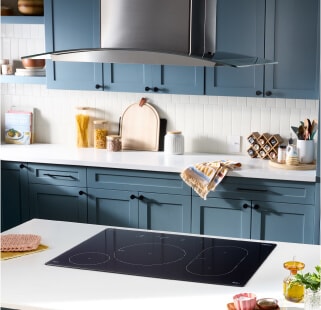
Credit: www.whirlpool.com
Preventing Scratches On Cooktops
Protecting your induction cooktop from scratches is essential, especially when using heavy cookware like cast iron. These pans are durable but can be rough on smooth glass surfaces if not handled carefully. Taking simple precautions can keep your cooktop looking new and functioning perfectly for years.
Proper Handling Of Cast Iron
Always lift your cast iron pans instead of sliding them across the cooktop. Sliding creates friction that can leave scratches or marks on the glass surface.
Place the pan gently and ensure the bottom is clean before setting it down. Dirt or food particles trapped underneath act like sandpaper and can damage the cooktop.
Think about the weight of your cast iron. Heavy pans can cause cracks if dropped or slammed. Handle them with both hands to maintain control and avoid accidents.
Cleaning And Maintenance Tips
Clean your cooktop regularly using a soft cloth and a cleaner designed for glass surfaces. Avoid abrasive pads or harsh chemicals that can worsen scratches.
If you notice minor scratches, use a cooktop polishing cream to reduce their visibility. These products can restore the smooth surface without expensive repairs.
Keep your cast iron well-seasoned and rust-free. Rough, rusty bottoms increase the risk of scratching your cooktop. A smooth pan base slides easier and is gentler on the surface.
Alternatives To Cast Iron
Cast iron pans are heavy and can scratch induction cooktop surfaces. Choosing the right cookware protects your stove and keeps it looking new. Many alternatives work well on induction cooktops without causing damage. These options offer great heat distribution and durability.
Stainless Steel Cookware
Stainless steel pans are strong and resistant to scratching. They heat evenly and are safe for induction tops. Their smooth base minimizes the risk of marks on the cooktop surface.
Hard-anodized Aluminum
Hard-anodized aluminum pans have a tough, non-stick coating. They are lightweight and scratch-resistant. These pans work efficiently on induction stoves and are easy to clean.
Ceramic Cookware
Ceramic pans have a smooth, glass-like surface. They are gentle on induction cooktops and avoid scratches. Ceramic heats evenly and offers a non-stick cooking experience.
Carbon Steel Pans
Carbon steel pans are lighter than cast iron but very strong. They develop a natural non-stick coating with use. These pans work well on induction and cause less scratching risk.
Enamel-coated Cookware
Enamel-coated pots and pans have a smooth outer layer. This coating protects the induction surface from scratches. These pans combine durability with easy maintenance.
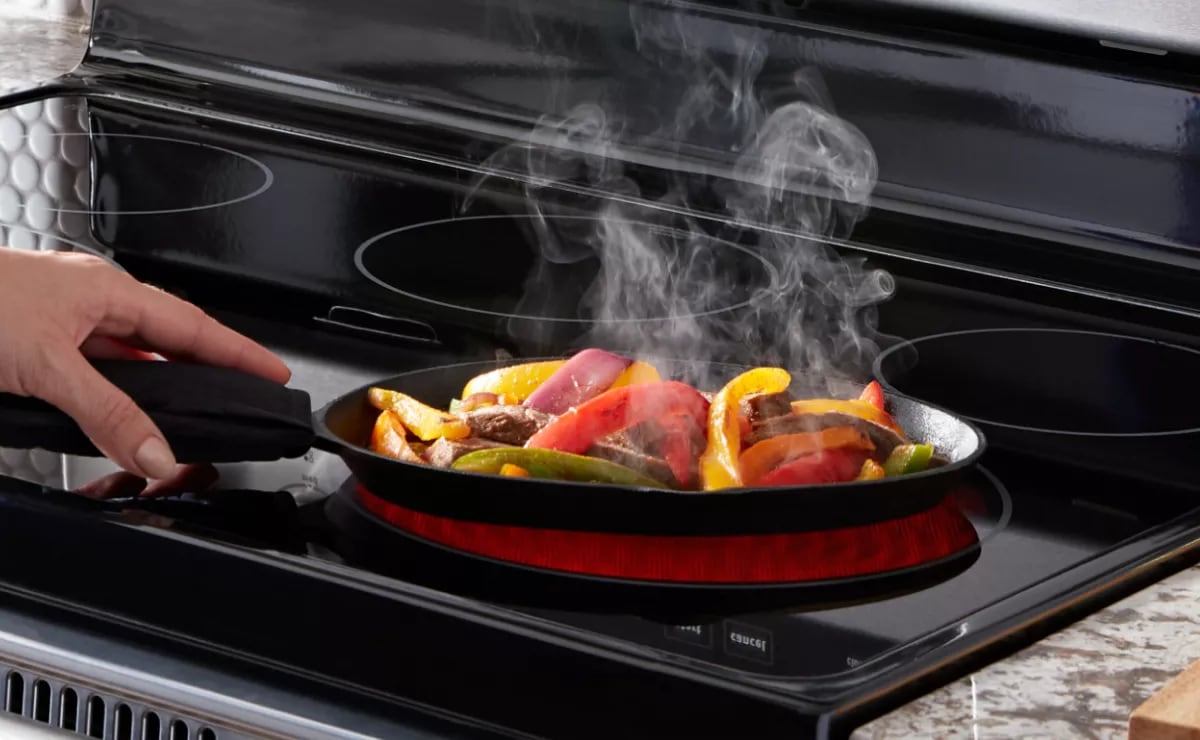
Credit: www.maytag.com
User Experiences And Reviews
Users often share their real-life experiences about cast iron on induction cooktops. These stories help others understand possible issues and benefits. Many reviews focus on whether cast iron scratches the glass surface. Some users express concern about the weight and rough texture of cast iron cookware.
Others report no damage after careful use. Their feedback highlights how gentle handling can prevent scratches. Many mention using protective pads or cleaning the cooktop regularly to avoid marks. The consensus is that cast iron can scratch if dragged across the surface.
Placing cookware down gently reduces risks. Some users praise the even heat distribution of cast iron on induction stoves. They say it works well for slow cooking and searing. Negative reviews often point to marks on the cooktop but not deep scratches.
User Feedback On Cooktop Scratches
- Most scratches happen when cookware is slid, not lifted.
- Some users notice tiny marks that wipe off easily.
- Heavy cast iron may cause stress but not always visible scratches.
- Cleaning the cooktop after each use helps maintain its surface.
Cast Iron Benefits Noted By Users
- Excellent heat retention for even cooking.
- Works well for frying, searing, and slow cooking.
- Induction cooktops respond quickly to cast iron pans.
- Durable cookware that lasts for years with care.
Precautions Taken By Users To Avoid Damage
- Always lift cookware instead of sliding it across the cooktop.
- Use a soft cloth or mat under the pan when cooking.
- Regularly clean the surface to remove any particles.
- Inspect the bottom of cast iron pans for rough spots.
Credit: www.whirlpool.com
Frequently Asked Questions
Can Cast Iron Scratch An Induction Cooktop Surface?
Cast iron can scratch an induction cooktop if dragged roughly. Always lift the cookware to prevent scratches. Avoid sliding cast iron pans to protect the cooktop’s smooth surface. Proper handling ensures your induction cooktop stays scratch-free and durable.
How To Prevent Cast Iron From Scratching Induction Cooktop?
Lift the cast iron cookware instead of sliding it on the cooktop. Use a soft cloth or silicone mat when placing pans down. Regularly clean the cooktop surface to avoid trapped debris causing scratches. These steps help maintain a pristine induction cooktop.
Is Cast Iron Safe For Induction Cooktops?
Yes, cast iron is safe and works efficiently on induction cooktops. Its magnetic properties make it compatible with induction heating. However, careful handling is necessary to avoid scratching or damaging the cooktop surface.
Does Seasoning Cast Iron Reduce Cooktop Scratches?
Seasoning cast iron creates a smoother surface that may reduce minor scratches. It does not eliminate the risk entirely. Proper care and handling remain essential to protect the induction cooktop from damage.
Conclusion
Cast iron can scratch an induction cooktop if not handled carefully. Always lift the pan instead of sliding it across the surface. Use smooth, clean cookware bottoms to reduce scratches. Regular cleaning helps keep the cooktop smooth and shiny. Take simple steps to protect your induction stove from damage.
This way, you can enjoy cooking with cast iron safely and easily.