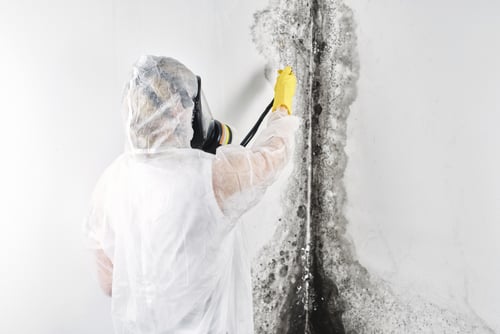
Have you ever discovered mold lurking in your home and wondered if freezing temperatures could be your secret weapon against it? You’re not alone.
Mold can be a sneaky and persistent problem, leading to health concerns and damage to your property. But what if the solution was as simple as letting the cold weather do the work for you? Before you toss that moldy item into the freezer, there’s a lot to consider.
Could freezing temperatures really put an end to your mold woes, or is this just a chilling myth? We’ll uncover the truth behind freezing temperatures and their effect on mold. Stay with us to find out if the cold can be your ally in the battle against mold.

Credit: primehomeservices.ca
Mold Growth And Temperature
Understanding how temperature affects mold growth can change the way you handle mold problems in your home. Mold doesn’t just appear randomly; it reacts to environmental conditions around it. Recognizing the role of temperature helps you control or prevent mold effectively.
How Mold Thrives
Mold needs specific conditions to grow, and temperature is one of the most important. It thrives in warm, damp places where moisture and organic material are available. If you’ve ever noticed mold growing faster in a warm bathroom or kitchen, that’s temperature at work.
Cold temperatures slow down mold’s growth but don’t necessarily kill it. Mold can survive freezing conditions by going dormant, waiting for warmer weather to return. Have you ever seen mold reappear on food after thawing? That’s mold waking back up.
Temperature Ranges For Mold
| Temperature Range | Mold Activity | What It Means for You |
|---|---|---|
| Below 32°F (0°C) | Mold is dormant but alive | Freezing won’t kill mold; it pauses growth |
| 32°F to 68°F (0°C to 20°C) | Slow growth | Mold grows slowly; moisture control is key |
| 68°F to 86°F (20°C to 30°C) | Optimal growth | Mold grows rapidly; watch for signs |
| Above 86°F (30°C) | Growth may slow if too hot | High heat can limit growth but is rarely enough to kill mold |
So, freezing temperatures might stop mold from growing temporarily, but they don’t solve the problem. You need to control moisture and clean mold properly to keep your space mold-free. How often do you check hidden spots where mold could be lurking quietly?
Effects Of Freezing On Mold
Freezing temperatures affect mold in unique ways. Cold does not always kill mold outright. Mold spores can remain dormant and survive extreme cold. Understanding how freezing impacts mold helps in managing mold problems effectively.
Impact Of Cold On Mold Cells
Cold temperatures slow down mold cell activity. Water inside mold cells can freeze and form ice crystals. These crystals can damage cell walls and membranes. Some mold cells get injured by freezing. Yet, not all cells die from the cold. Many mold cells enter a state of dormancy. In this state, mold stops growing but stays alive.
Survival Mechanisms In Freezing Conditions
Mold uses several ways to survive freezing weather:
- Producing antifreeze-like substances to protect cells.
- Forming thick cell walls to resist ice damage.
- Going dormant until temperatures rise.
- Releasing spores that are more resistant to cold.
These strategies allow mold to survive and regrow once conditions improve. Freezing may reduce mold growth but usually does not eliminate it completely.
Freezing Vs. Killing Mold
Freezing temperatures affect mold differently than many expect. Cold weather can stop mold from growing, but it rarely kills it. Understanding the difference between freezing mold and killing mold helps manage mold problems effectively.
Difference Between Dormancy And Death
Mold can enter dormancy when exposed to freezing temperatures. Dormancy means mold stops growing but remains alive. It hides in a resting state until conditions improve. Death means mold cells are destroyed and cannot regrow.
Freezing usually causes dormancy, not death. Mold spores survive freezing by slowing their metabolism. Once warmed, they can become active again. Killing mold requires methods that destroy its cells completely.
Can Freezing Eliminate Mold Completely?
Freezing cannot eliminate mold completely. Cold temperatures damage some mold cells but do not reach all spores. Mold spores are resistant and can survive harsh conditions.
Freezing might reduce mold spread temporarily. But mold returns when the environment becomes warm and moist. Safe mold removal needs cleaning and disinfecting with proper products.
- Freezing halts mold growth but does not kill spores.
- Mold survives freezing in dormant form.
- Effective mold removal requires physical cleaning.
- Disinfectants kill mold cells and spores.

Credit: www.puroclean.com
Practical Implications For Mold Removal
Understanding how freezing temperatures affect mold is crucial when planning your mold removal strategy. While cold can slow mold growth, it doesn’t necessarily kill mold spores outright. This distinction shapes how you should approach mold control in your home or workspace.
Using Cold As A Mold Control Method
Freezing temperatures can temporarily halt mold growth by putting spores in a dormant state. This can be useful in controlling mold spread during transport or storage of mold-prone items like books or fabrics.
For example, museums sometimes freeze artifacts to stop mold from developing until they can treat them properly. You can apply this idea by freezing small, moldy objects if immediate cleaning isn’t possible.
However, freezing alone does not eliminate mold. Spores often survive and can reactivate once conditions warm up. So, think of freezing as a pause button rather than a full stop.
Limitations Of Freezing For Mold Remediation
Relying solely on freezing to remove mold in your home isn’t practical. Mold embedded in walls, floors, or insulation won’t die from cold temperatures alone.
Freezing doesn’t remove the mycotoxins or the visible mold growth that can cause health issues. You still need to clean and remove affected materials thoroughly.
Have you ever noticed mold reappearing after a cold snap? That’s because freezing just delays the problem instead of fixing it.
To truly get rid of mold, focus on drying out the area and using proper cleaning agents designed to kill mold spores. Addressing moisture sources is your best defense against mold returning.
Alternative Mold Treatment Options
Freezing temperatures alone do not guarantee mold elimination. Mold spores can survive cold conditions and reactivate once temperatures rise. Alternative treatments offer effective ways to control and remove mold from your environment. These options include heat and chemical treatments, as well as preventive measures to stop mold growth indoors.
Heat And Chemical Treatments
Heat kills mold by destroying its structure. Using steam cleaners or heat guns can target mold in small areas. Temperatures above 140°F (60°C) are usually effective. Chemical treatments involve applying mold-killing solutions. Common chemicals include bleach, hydrogen peroxide, and vinegar. Each chemical has pros and cons. Bleach kills mold on non-porous surfaces but may damage some materials. Vinegar is safe and natural but may need repeated use. Proper safety gear is necessary during chemical use. Both heat and chemicals work best combined with thorough cleaning.
Preventing Mold Growth Indoors
Stopping mold before it starts is vital. Control moisture levels by fixing leaks and using dehumidifiers. Keep indoor humidity below 60%. Ventilate kitchens and bathrooms well. Clean and dry wet areas quickly. Use mold-resistant paints and materials in damp spaces. Regular cleaning reduces dust and mold spores. Monitor areas prone to mold, such as basements and crawl spaces. Prevention saves time and money on mold removal.
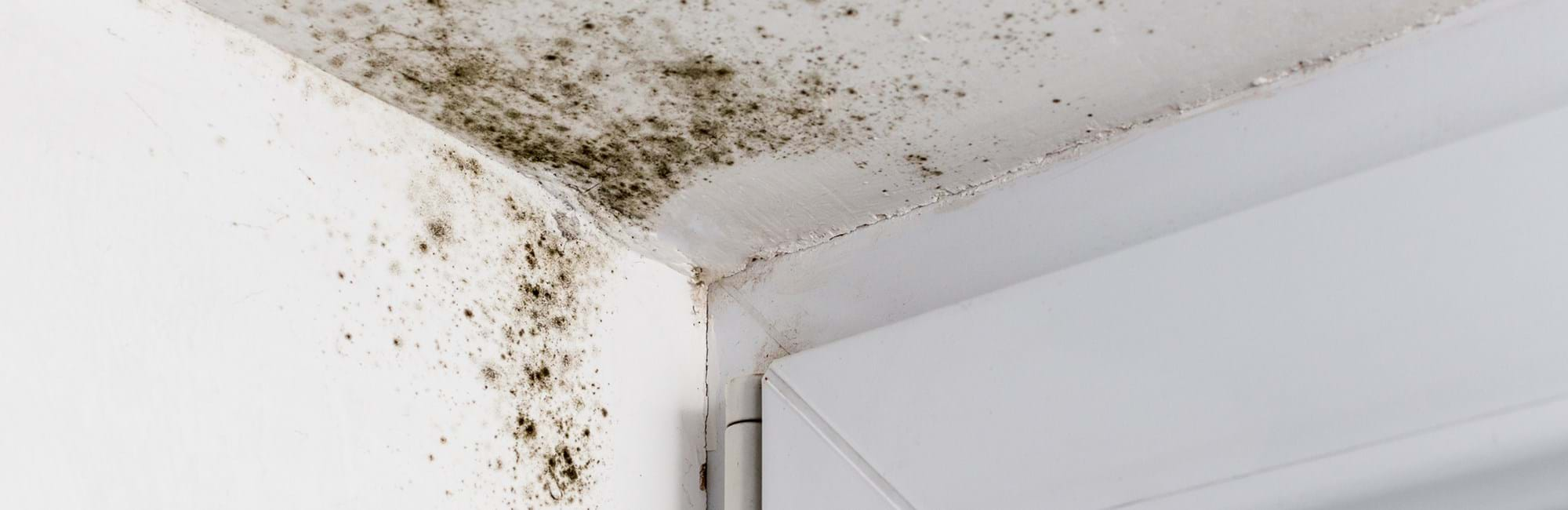
Credit: australianmutual.bank
Frequently Asked Questions
Does Freezing Temperature Kill Mold Completely?
Freezing temperatures do not kill mold completely. They only stop mold growth temporarily. Once temperatures rise, mold can reactivate and spread again.
How Does Cold Affect Mold Growth?
Cold temperatures slow down mold growth but do not eliminate it. Mold spores survive freezing and resume growing when conditions improve.
Can Freezing Prevent Mold On Food?
Freezing can prevent mold growth on food by halting mold activity. However, mold spores remain viable and may grow after thawing.
Is Mold Damage Reversible After Freezing?
Mold damage is not reversible by freezing. Freezing stops growth but does not remove existing mold or its effects on materials.
Conclusion
Freezing temperatures may slow mold growth but do not kill it completely. Mold can survive cold and return when conditions improve. Proper cleaning and drying remain essential to control mold. Ignoring mold can cause health and property issues. Act quickly to remove mold safely and prevent future growth.
Stay aware and keep your home dry to avoid mold problems.