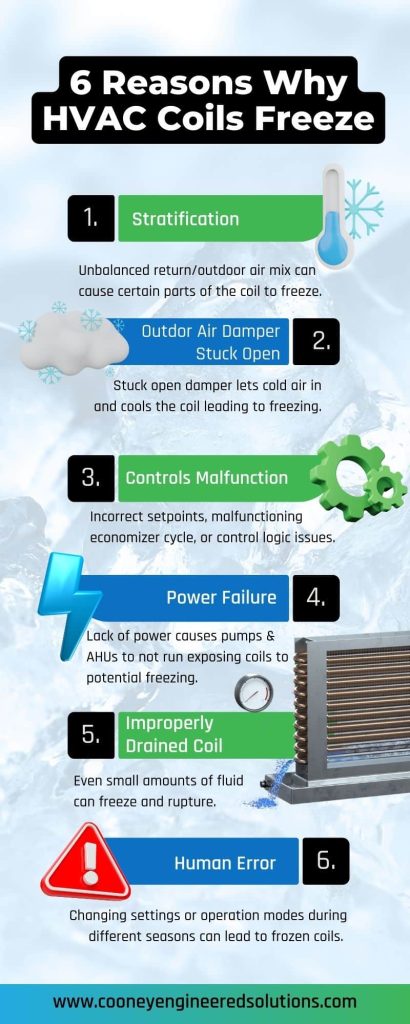
Have you ever wondered if glycol, a common ingredient in many industrial and automotive applications, can actually freeze? You might be surprised by the answer.
Understanding whether glycol will freeze can be crucial, especially if you rely on it for your car’s antifreeze or your home’s heating system. But what happens when temperatures drop? Can you count on glycol to keep your systems running smoothly, or should you be preparing for a chilly surprise?
We’ll dive into the science behind glycol, demystifying its freezing point and showing you how to ensure your systems stay protected in cold weather. By the end, you’ll have the knowledge to prevent costly mistakes and keep everything running efficiently. Curious to know more? Let’s unravel the mystery together.

Credit: bansheeboilers.ie
What Is Glycol
Glycol is a simple chemical compound that plays a big role in everyday life and industry. It’s a type of alcohol with two hydroxyl groups, making it a versatile liquid with unique properties. Understanding what glycol is can help you grasp why it’s so widely used and whether it freezes under certain conditions.
Types Of Glycol
There are mainly two types of glycol you’ll hear about: ethylene glycol and propylene glycol. Ethylene glycol is commonly used in antifreeze and coolants because it lowers the freezing point of water effectively. Propylene glycol, on the other hand, is safer for food and medical applications due to its lower toxicity.
- Ethylene Glycol:Primarily for automotive antifreeze and industrial use.
- Propylene Glycol:Used in food products, cosmetics, and pharmaceuticals.
Both types share similar chemical structures but serve very different roles based on their safety and toxicity levels.
Common Uses
Have you ever wondered why your car’s radiator fluid doesn’t freeze even in harsh winters? That’s glycol at work. It’s used mainly to prevent freezing and overheating in engines, making sure your vehicle runs smoothly in extreme temperatures.
Besides automotive uses, glycol shows up in:
- Air conditioning and refrigeration systems to regulate temperature.
- Hydraulic fluids and brake fluids to maintain performance.
- Food and beverage as a moisture-preserving agent (mainly propylene glycol).
- Cosmetics and personal care products to retain moisture.
Knowing these uses can help you understand the importance of glycol in daily products and industrial processes. What other products in your home might contain glycol without you realizing it?
Freezing Points Of Glycol
Glycol is a common chemical used in antifreeze and cooling systems. Its ability to resist freezing depends on the type and concentration. Understanding freezing points helps prevent damage in cold conditions. Let’s explore the freezing points of two common glycols and the factors affecting them.
Ethylene Glycol Freezing Point
Ethylene glycol freezes at about -12.9°C (8.8°F) in its pure form. Mixing it with water lowers this freezing point significantly. For example, a 60% ethylene glycol solution freezes near -45°C (-49°F). This makes it very useful for automotive antifreeze and industrial cooling.
Propylene Glycol Freezing Point
Pure propylene glycol freezes at around -59°C (-74°F). Similar to ethylene glycol, mixing it with water changes this value. A common 60% propylene glycol mixture freezes near -50°C (-58°F). It is safer for food and medical uses due to lower toxicity.
Factors Affecting Freezing
- Concentration:Higher glycol content lowers the freezing point.
- Water Quality:Impurities in water can raise or lower freezing points.
- Temperature:Ambient temperature influences how glycol behaves.
- Pressure:Changes in pressure can slightly alter freezing points.
How Glycol Prevents Freezing
Understanding how glycol prevents freezing is key to protecting your pipes, engines, or cooling systems during cold weather. Glycol works by lowering the freezing point of liquids, making it harder for ice crystals to form. But the process involves more than just mixing glycol with water; the chemistry and ratios play a critical role in its effectiveness.
Antifreeze Mechanism
Glycol molecules interfere with the formation of ice crystals by disrupting the hydrogen bonds in water. This means water needs to reach a much lower temperature before it can freeze.
Think of it this way: glycol changes the environment inside the liquid, making it hostile for ice to form. This is why you often see glycol used in car antifreeze and HVAC systems.
Have you noticed how your car’s radiator stays fluid even on freezing mornings? That’s glycol at work, preventing damage from ice expansion.
Mixing Ratios And Effects
The percentage of glycol mixed with water directly affects the freezing point. Higher glycol concentrations lower the freezing point more but can increase viscosity, which might strain pumps or engines.
| Glycol Concentration (%) | Approximate Freezing Point (°F) | Notes |
|---|---|---|
| 20% | About 15°F (-9°C) | Good for mild climates |
| 40% | About -25°F (-32°C) | Commonly used for colder conditions |
| 60% | About -60°F (-51°C) | Extreme cold, but thicker fluid |
Choosing the right ratio depends on your local climate and system requirements. Too little glycol won’t protect against freezing, and too much can cause other operational issues.
Are you considering adjusting your glycol mix this winter? Testing your solution with a refractometer can help you hit the sweet spot between freeze protection and system efficiency.
Signs Glycol Is Freezing
Glycol plays a key role in many cooling and heating systems. It prevents freezing and protects pipes. Yet, under extreme cold, glycol itself can start to freeze. Recognizing the signs of freezing glycol helps avoid system damage and costly repairs.
Physical Indicators
- Cloudy or opaque fluid appearance instead of clear
- Formation of ice crystals or slushy consistency
- Increased fluid thickness or sluggish flow
- Visible frost or ice buildup on pipes or containers
- Strange odors due to chemical changes
Performance Issues
- Drop in system efficiency or cooling capacity
- Slow or uneven heat transfer in the system
- Unusual noises like gurgling or knocking
- Pressure changes or irregular pump operation
- Frequent system shutdowns or alarms
Risks Of Frozen Glycol
Frozen glycol poses serious risks that many overlook until it’s too late. Understanding these risks is essential to protect your equipment and ensure safety. Let’s break down what happens when glycol freezes and why it’s a problem you want to avoid.
Damage To Systems
When glycol freezes, it expands. This expansion can crack pipes, damage seals, and burst heat exchangers in your system. You might not notice the damage immediately, but leaks and system failures will follow.
Think about your own heating or cooling system. Even a small crack caused by frozen glycol can lead to costly repairs or complete system replacement. Have you checked if your glycol mix protects against freezing effectively?
Safety Concerns
Frozen glycol isn’t just a mechanical issue—it can create hazardous conditions too. A burst pipe can lead to water leaks, causing slippery floors or even electrical hazards if water reaches wiring.
Additionally, if glycol freezes inside vehicle engine coolants or industrial systems, it can lead to overheating once the system restarts. This overheating might cause fires or equipment breakdowns, putting people at risk.
Are you confident that your current glycol solution and maintenance routine minimize these safety risks? Regular checks and proper glycol concentration are vital to keep you and your system safe.
Tips To Avoid Glycol Freezing
Glycol freezing can cause costly damage to your system and interrupt your workflow. Avoiding this issue requires a mix of smart storage, constant vigilance, and selecting the right type of glycol for your needs. Let’s break down how you can keep glycol flowing smoothly without freezing up.
Proper Storage
Storing glycol correctly is your first line of defense. Keep containers sealed tightly to prevent moisture from diluting the solution, which can lower its freezing point. Store glycol in a cool, dry place away from direct sunlight and extreme temperature swings to maintain its stability.
I once saw a facility lose an entire batch because the glycol was left near a window where temperatures dipped below freezing overnight. Don’t let this happen to you—simple storage habits make a big difference.
Temperature Monitoring
Regularly checking the temperature of your glycol system can help you catch issues before freezing occurs. Use reliable thermometers or digital sensors to track temperatures, especially in colder seasons or climates.
Set alarms for critical thresholds so you get notified early. Have you ever considered how quickly a small temperature drop can lead to freezing? Staying proactive with monitoring saves time and money.
Choosing The Right Glycol
Not all glycols freeze at the same temperature. Ethylene glycol and propylene glycol have different freezing points, so select the one that best fits your environment and application.
Consider the concentration too—higher glycol concentration lowers freezing points but might affect viscosity and heat transfer. Ask yourself: is your current glycol mixture optimized for the coldest conditions you face? Adjusting this can prevent freezing without overdoing it.
Testing Glycol For Freeze Protection
Testing glycol for freeze protection is vital to avoid system damage during cold weather. Glycol’s freeze point tells you the lowest temperature before it turns solid. Regular testing ensures the glycol mix has enough antifreeze to protect pipes and equipment.
Proper freeze point testing prevents costly repairs and downtime. It also helps maintain system efficiency and safety. Understanding the test methods and results is key to keeping your system safe from freezing.
Freeze Point Testing Methods
- Use a refractometer to measure the glycol concentration quickly.
- Use a hydrometer to check the specific gravity of the solution.
- Use a digital freeze point tester for precise temperature readings.
- Collect a sample from the system for laboratory analysis if needed.
- Ensure samples are taken at the correct temperature for accurate results.
Interpreting Test Results
Compare the freeze point reading to your system’s minimum operating temperature. The freeze point should be lower than the coldest expected temperature. A higher freeze point means more risk of freezing and damage.
Check the glycol concentration percentage from the test. Typical safe ranges are between 25% and 50%, but this depends on the type of glycol used. Adjust the glycol mix by adding antifreeze or water to reach the correct freeze point.
Document all test results and actions taken. Regular testing helps track changes in glycol quality over time. This practice ensures ongoing freeze protection and system reliability.
Credit: cooneyengineeredsolutions.com

Credit: www.youtube.com
Frequently Asked Questions
Does Glycol Freeze In Cold Temperatures?
Glycol can freeze, but at much lower temperatures than water. Its freezing point depends on concentration and type. For example, propylene glycol freezes around -59°F (-50°C). This makes it ideal for antifreeze and cooling systems in freezing conditions.
What Affects Glycol’s Freezing Point?
The freezing point of glycol depends on its concentration and mixture with water. Higher glycol concentration lowers the freezing point. Temperature and glycol type (ethylene or propylene) also influence when it freezes. Proper ratios prevent freezing in cold climates.
Can Glycol Protect Pipes From Freezing?
Yes, glycol acts as an antifreeze agent in pipes and systems. It lowers the freezing point of water, preventing ice formation. This protects pipes from bursting in cold weather. Proper glycol levels ensure effective freeze protection.
Is Propylene Glycol Safer For Freezing Prevention?
Propylene glycol is safer and less toxic than ethylene glycol. It is often used in food and pharmaceutical applications. Both types prevent freezing, but propylene glycol is preferred where human or animal exposure is possible.
Conclusion
Glycol freezes at much lower temperatures than water. This makes it useful in cold weather systems. It helps protect pipes and engines from damage. Knowing glycol’s freeze point avoids costly problems. Always check the type and concentration before use. Proper use keeps your equipment safe and working well.
Simple steps prevent freezing and save money. Understanding glycol freeze behavior is smart and practical. Stay prepared for cold conditions with the right knowledge.