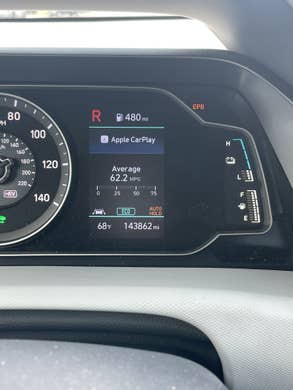
Have you ever wondered what the term “EPB” means on your Hyundai? If you’ve seen it on your dashboard or heard it mentioned, understanding this feature can make a big difference in how you handle your car every day.
EPB stands for Electronic Parking Brake, and it’s designed to make parking easier and safer for you. Keep reading to discover how this smart system works and why it matters for your driving experience. You’ll learn tips that could save you time and keep your vehicle secure, so don’t miss out!
Credit: www.ebay.com
Electronic Parking Brake Basics
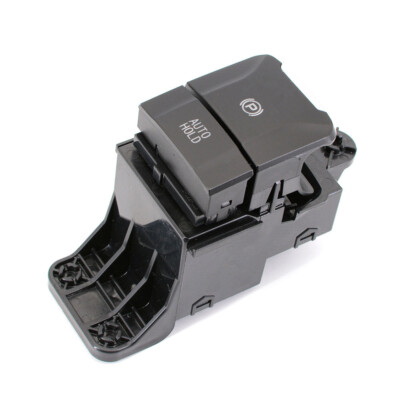
The Electronic Parking Brake (EPB) on Hyundai vehicles replaces the traditional handbrake lever with a simple switch. It offers a modern way to secure your car when parked. EPB improves convenience and safety by automating the parking brake process.
This system activates the parking brake electronically, requiring less effort from the driver. It also works well on slopes, preventing the car from rolling. Understanding the basics of EPB helps drivers feel confident using it.
How Epb Works
The EPB uses an electric motor to apply the brake pads. Pressing a button or switch sends a signal to this motor. The motor then pushes the brake pads against the wheels.
This holds the vehicle firmly in place. The system can also release the brake automatically when you start driving. Sensors detect when to activate or release the brake for smooth operation.
Components Of Epb System
- Electronic Control Unit (ECU):Acts as the system’s brain, managing brake commands.
- Electric Motor:Applies and releases the brake pads on the rear wheels.
- Brake Pads and Discs:Create the friction needed to stop the vehicle.
- Switch or Button:The driver uses this to activate or deactivate the EPB.
- Sensors:Monitor vehicle speed and brake status for safe operation.
Credit: picclick.co.uk
Epb Features In Hyundai Models
Hyundai’s Electronic Parking Brake (EPB) is more than just a button to hold your car in place. It combines convenience with advanced technology, making parking and stopping your vehicle safer and easier. Let’s take a closer look at the key features of EPB in Hyundai models that enhance your driving experience.
Activation Methods
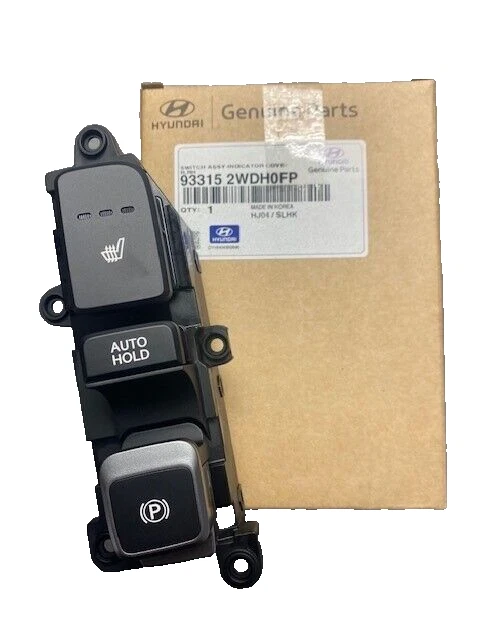
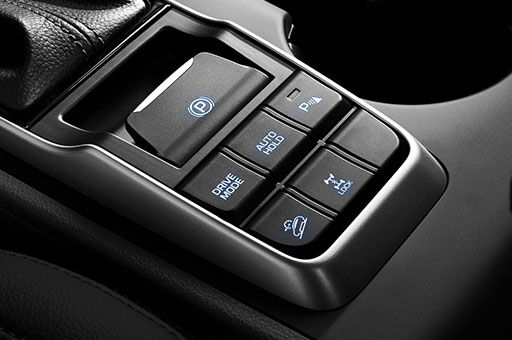
The EPB in Hyundai cars is designed for quick and simple activation. Instead of a traditional handbrake lever, you’ll find a small switch or button usually located near the gear shift.
- Pressing the button engages the brake automatically, saving effort and space inside the cabin.
- Some models offer an automatic mode where the parking brake activates when you put the car in park and releases when you start driving.
- This feature can feel surprisingly intuitive; you don’t have to think twice about applying the brake when stopping on a hill or tight spot.
Have you noticed how much easier it is to park in tight city spaces with just a button press? That’s the EPB at work.
Safety Enhancements
EPB systems in Hyundai vehicles go beyond convenience by adding layers of safety. One standout feature is the Auto Hold function.
- Auto Hold keeps your car stationary even if you take your foot off the brake pedal temporarily, such as at traffic lights.
- The system automatically releases the brake as you accelerate, preventing rollback on slopes.
- It also integrates with the vehicle’s stability control and anti-lock braking systems to ensure secure stopping in emergencies.
Imagine how much safer you feel when the car won’t roll backward on a steep hill. It’s like having an extra pair of hands watching out for you. Does your current parking brake give you that peace of mind?
Benefits Of Epb Over Traditional Brakes
The Electronic Parking Brake (EPB) on Hyundai offers several advantages over traditional brake systems. It enhances the driving experience by making parking and braking simpler and safer. This modern brake system replaces the old handbrake lever with a small switch, offering multiple practical benefits for drivers.
Convenience And Ease Of Use
EPB activates with a simple push of a button. No need to pull a lever or press a pedal hard. It is easier for drivers of all ages and abilities. The system automatically applies and releases the brake in certain situations. Parking on hills becomes less stressful. It also works well in stop-and-go traffic.
Space Saving Design
Without the bulky handbrake lever, the center console looks cleaner. More room is available for storage or other controls. Car interiors feel more modern and open. Designers have more freedom to create comfortable seating and dashboard layouts. This small change improves the overall cabin experience.
Improved Vehicle Safety
EPB helps prevent accidents caused by brake misuse. It applies the parking brake evenly on all wheels, increasing stability. The system can engage automatically if the driver forgets. Some models include hill-hold assist to stop the car from rolling backward. Sensors monitor brake status to alert the driver of issues. This makes parking safer on slopes and uneven ground.
Credit: www.hyundai.com
Common Epb Issues And Solutions
Understanding common issues with the Electronic Parking Brake (EPB) on your Hyundai can save you time and frustration. These problems often trigger warning lights or system errors that may seem intimidating but are usually straightforward to diagnose and fix. Knowing what to look for and how to respond helps keep your vehicle safe and functioning smoothly.
Warning Lights And Error Messages
Your Hyundai’s dashboard will alert you if the EPB encounters a problem. Common warning lights include the parking brake symbol or messages like “EPB Fault” or “Brake System Malfunction.”
These warnings often mean the system detected an electrical issue, low battery voltage, or mechanical failure. Ignoring these signals can lead to more severe brake problems, so it’s important to address them promptly.
System Malfunctions
Sometimes the EPB won’t engage or release properly. This can happen due to worn brake pads, stuck calipers, or faulty sensors.
If the brake feels unusually tight or loose, or if the car doesn’t hold when parked on a slope, you might have an EPB malfunction. Regular maintenance and brake inspections can prevent many of these issues.
Resetting The Epb
Resetting the EPB often clears minor faults and restores normal function. This can usually be done using the EPB switch combined with the ignition key or through your Hyundai’s onboard diagnostics system.
Before resetting, make sure the parking brake mechanism is physically sound. If you’ve replaced brake components recently, a reset recalibrates the system to recognize the new parts.
Maintenance Tips For Epb
Maintaining the Electronic Parking Brake (EPB) on your Hyundai is essential for safety and performance. Proper care keeps the system reliable and extends its lifespan. Simple steps can prevent costly repairs and ensure smooth operation every time you park.
Routine Checks
- Listen for unusual sounds when engaging the EPB.
- Check the EPB warning light on the dashboard regularly.
- Inspect the brake pads and discs for wear.
- Keep the system clean from dirt and debris.
- Test the EPB on a flat surface to ensure it holds firmly.
When To Visit A Mechanic
- The EPB warning light stays on or flashes continuously.
- The brake does not engage or release properly.
- You hear grinding or unusual noises when using the EPB.
- The car rolls even when the EPB is set.
- Any signs of brake fluid leaks near the wheels.
Driving Tips With Epb
Driving with the Electronic Parking Brake (EPB) on a Hyundai adds safety and ease. Understanding how to use it correctly helps prevent accidents. It also protects your car’s braking system. Follow these simple tips to handle the EPB smoothly during your drive.
Engaging And Releasing The Brake
To engage the EPB, pull the switch up firmly. You will hear a sound confirming the brake is set. Check the dashboard light to be sure the brake is active.
To release the EPB, press the brake pedal first. Then push the switch down gently. The brake light on the dashboard will turn off. Avoid releasing the EPB suddenly while the car is moving fast.
Using Epb On Slopes
On slopes, use the EPB to hold your car steady. Engage the brake fully before taking your foot off the main brake. This prevents the car from rolling backward or forward.
When starting on a hill, release the EPB slowly while pressing the accelerator. This action helps avoid sudden movement or rolling. The EPB works well as a hill-hold assist in these situations.
Frequently Asked Questions
What Does Epb Stand For In Hyundai Cars?
EPB stands for Electronic Parking Brake. It’s a feature in Hyundai vehicles. This system replaces the traditional handbrake lever. It offers improved safety and convenience. With a push of a button, you can engage or disengage the brake.
How Does The Epb Work In Hyundai?
The EPB in Hyundai uses electronic controls. When activated, it engages the brake pads. This prevents wheel movement. It functions similarly to a traditional handbrake. However, it offers more precision and ease of use.
Is Epb Standard On All Hyundai Models?
EPB is not standard on all Hyundai models. It is available on many newer models. Check the specific model’s specifications. It is often included in higher trims. Always verify with the dealership.
What Are The Benefits Of Hyundai’s Epb?
Hyundai’s EPB offers several benefits. It provides more cabin space without a handbrake lever. It enhances safety with automatic engagement. It is easy to use with a simple button press. It also integrates with other vehicle systems.
Conclusion
EPB on Hyundai means Electric Parking Brake. It helps hold your car safely on hills and slopes. You just push a button to activate the brake. This system replaces the old hand brake lever. It makes parking easier and safer.
EPB also adds a modern touch to your car. Understanding EPB helps you use it correctly. Remember to check your car manual for details. This small feature improves your driving experience. Keep your Hyundai’s EPB in good condition. It’s simple but important for safe parking.