How often should you change your car tires? It’s a question many drivers overlook until a problem arises.
But knowing the right time to replace your tires can save you money, keep you safe, and improve your car’s performance. If you’re unsure when to swap out those worn treads, this guide will clear up the confusion. Keep reading to discover simple signs and expert tips that help you know exactly when it’s time for new tires—so you never have to guess again.
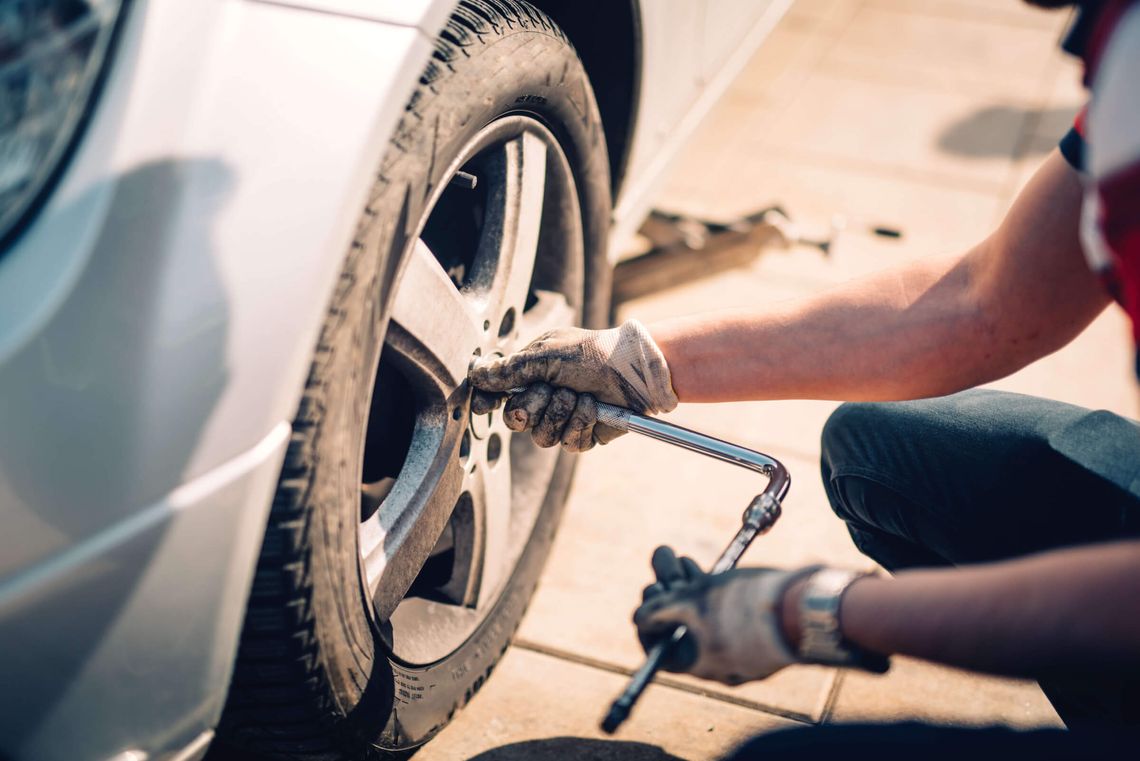
Credit: www.blackcircles.ca
When To Replace Tires
Car tires wear out over time and need replacing for safety. Knowing when to change tires helps avoid accidents.
Check tires regularly to spot signs of wear or damage. This keeps your car running smoothly.
Tread Depth And Wear Indicators
Tread depth shows how much life your tire has left. Tires with shallow tread have less grip on the road.
Most tires have wear indicators inside the grooves. These indicators become visible when tread is low.
- Check tread depth with a gauge or a coin
- Replace tires if tread is 2/32 inch or less
- Visible wear bars mean it’s time to change tires
Age Of Tires
Tires also age even if they look fine. Rubber breaks down over time and loses strength.
Most tire makers suggest replacing tires after six years. Check the manufacture date on the tire sidewall.
- Look for the DOT code on the tire sidewall
- The last four digits show the week and year made
- Replace tires after six years, even if tread looks good
Visible Damage Signs
Look for cracks, cuts, or bulges on the tire surface. These damages can cause tire failure.
Any visible damage means the tire should be inspected and likely replaced. Do not drive on damaged tires.
- Check for sidewall bulges or bubbles
- Look for deep cuts or punctures
- Inspect for cracks in the rubber
- Replace tires with any visible damage
Factors Affecting Tire Lifespan
Car tires do not last forever. Various factors affect how long they stay safe and effective. Knowing these can help you decide when to change your tires.
Understanding these factors can save money and keep you safe on the road. Let’s explore the key influences on tire lifespan.
Driving Habits
Your driving style greatly impacts tire wear. Aggressive driving, like rapid acceleration or hard braking, wears out tires quickly.
- Avoid rapid starts and stops
- Maintain steady speeds
- Rotate tires regularly
Road Conditions
The type of roads you drive on affects tire life. Smooth, paved roads are kinder to tires than rough, gravel roads.
| Road Type | Tire Wear Rate |
| Smooth Asphalt | Low |
| Gravel | High |
| Concrete | Moderate |
Climate Impact
Weather conditions influence tire durability. Hot climates can cause tires to expand, leading to faster wear.
Safety Risks Of Old Tires
Old tires can create serious safety problems while driving. It is important to know how they affect your car’s performance.
Worn-out tires increase dangers on the road. Drivers should be aware of these risks to stay safe.
Reduced Traction
Tires lose their grip as they age and wear down. This reduces traction on wet or slippery roads.
- Less grip means higher chances of slipping.
- Old tires do not clear water well, causing hydroplaning.
- Traction loss affects handling and control.
Increased Blowout Risk
Old tires become weak and more likely to burst. Blowouts can cause sudden loss of control.
| Cause | Effect |
| Cracks and dry rot | Weaken tire structure |
| Worn tread | Less protection from road hazards |
| High tire pressure | Increased risk of blowout |
Longer Stopping Distances
Old tires increase the distance your car needs to stop. This can cause accidents in emergencies.
Here are factors that lengthen stopping distances with old tires:
- Reduced tread depth lowers road grip.
- Harder rubber from aging lessens friction.
- Uneven wear causes instability when braking.
Tips To Extend Tire Life
Car tires wear out over time and need changing. You can make them last longer with good care.
Using simple tips helps keep your tires safe and saves money on replacements.
Regular Rotation
Rotate your tires every 5,000 to 8,000 miles. This helps even out the wear on all tires.
- Move front tires to the back and back tires to the front.
- Follow the pattern recommended by your car’s manual.
- Regular rotation prevents uneven tread wear.
Proper Inflation
Keep your tires inflated to the right pressure. Check it at least once a month.
| Pressure Level | Effect on Tires |
| Too Low | More wear on edges, poor fuel economy |
| Too High | Wear in center tread, rough ride |
| Correct | Even wear, better safety |
Wheel Alignment
Check wheel alignment yearly or if the car pulls to one side. Poor alignment causes fast tire wear.
Signs you need alignment:
- Steering wheel is off-center
- Tires wear unevenly
- Car pulls left or right
Cost Benefits Of Timely Replacement
Changing car tires at the right time saves money in many ways. It helps avoid high fuel costs and costly repairs. This guide explains key benefits of timely tire replacement.
Knowing when to replace tires can protect your budget and improve your car’s value. Read on to learn about fuel efficiency, repairs, and resale value.
Fuel Efficiency
Worn tires increase rolling resistance. This makes your engine work harder and use more fuel. New tires reduce this resistance and help you save on gas.
- New tires improve grip and reduce fuel use.
- Proper tire pressure keeps fuel costs low.
- Replacing tires on time prevents extra fuel waste.
Avoiding Repairs
Old tires can cause damage to other car parts. For example, bad tires may affect suspension and brakes. Timely tire changes reduce the risk of expensive repairs.
| Repair Type | Cause | Cost Range |
| Suspension Damage | Uneven tire wear | $300 – $1,000 |
| Brake Wear | Poor tire grip | $150 – $500 |
| Wheel Alignment | Old or damaged tires | $75 – $200 |
Resale Value
Well-maintained tires increase your car’s resale value. Buyers prefer cars with new tires as they promise safety and fewer future costs. This can lead to higher offers.
Tips to keep your resale value high:
- Replace tires before they become too worn.
- Keep records of tire changes and maintenance.
- Choose tires that match the car’s original specifications.
Credit: www.thenewstribune.com
Seasonal Tire Changes
Changing car tires according to the season improves safety and performance. Different tires work better in cold or warm weather. This guide helps you decide when to switch your tires.
Many drivers ask how often they should change tires. Seasonal changes play a big role in this decision. Let’s explore the differences between winter and summer tires and what to know about all-season tires.
Winter Vs Summer Tires
Winter tires have soft rubber that stays flexible in cold weather. They provide better grip on snow and ice. Summer tires use harder rubber for better control in warm, dry conditions.
- Winter tires improve traction on ice and snow.
- Summer tires perform well on dry and wet roads in warm weather.
- Using the wrong tires for the season reduces safety and tire life.
- Change tires when the temperature consistently drops below 45°F (7°C) for winter tires.
- Switch back to summer tires when temperatures rise above 45°F (7°C).
All-season Tire Considerations
All-season tires offer a mix of features from both winter and summer tires. They are designed to work in many weather conditions but do not excel in extreme cold or heat.
| Type | Best Use | Limitations |
| Winter Tires | Cold, snowy, icy roads | Wear quickly in warm weather |
| Summer Tires | Warm, dry, and wet roads | Poor grip in cold or snowy conditions |
| All-Season Tires | Mild weather with light snow | Less effective in extreme heat or cold |
Professional Inspection And Maintenance
Car tires need regular checks to keep you safe on the road. Professional inspection helps find problems early.
Maintenance by experts ensures tires last longer and work well. It is important to follow their advice.
Choosing A Tire Specialist
Select a tire specialist with experience and good reviews. They know how to inspect and maintain tires properly.
Look for a specialist who uses the right tools and offers clear advice on tire care. This saves you money and time.
Frequency Of Checkups
Check your tires at least every six months. Frequent checks catch wear and damage early.
Inspect tires before long trips or in bad weather. Regular maintenance helps keep your car safe.
- Check tire pressure monthly
- Look for cracks or uneven wear
- Rotate tires every 5,000 to 8,000 miles
- Replace tires after 6 years or if damaged

Credit: www.youtube.com
Frequently Asked Questions
How Often Should I Change Car Tires?
Car tires should be changed every 6 years or after 40,000 to 60,000 miles. Regularly inspect for wear and damage to ensure safety.
What Signs Indicate Tire Replacement Is Needed?
Look for tread wear below 2/32 inch, cracks, bulges, or uneven wear patterns. These signs mean it’s time to replace tires immediately.
Can Worn Tires Affect Vehicle Performance?
Yes, worn tires reduce traction and increase stopping distance. They also affect handling, fuel efficiency, and overall safety on the road.
How Does Tire Age Impact Safety?
Tires degrade over time even without use. Old tires lose flexibility and grip, increasing the risk of blowouts and accidents.
Conclusion
Changing car tires regularly keeps you safe on the road. Tires wear down from use and weather. Check your tires often for signs of damage or low tread. Most experts suggest changing tires every 3 to 6 years. Driving habits and road conditions also affect tire life.
Good tires help your car stop better and drive smoothly. Don’t wait until tires are too worn. Stay alert, check tires, and replace them as needed. Safe driving starts with good tires.