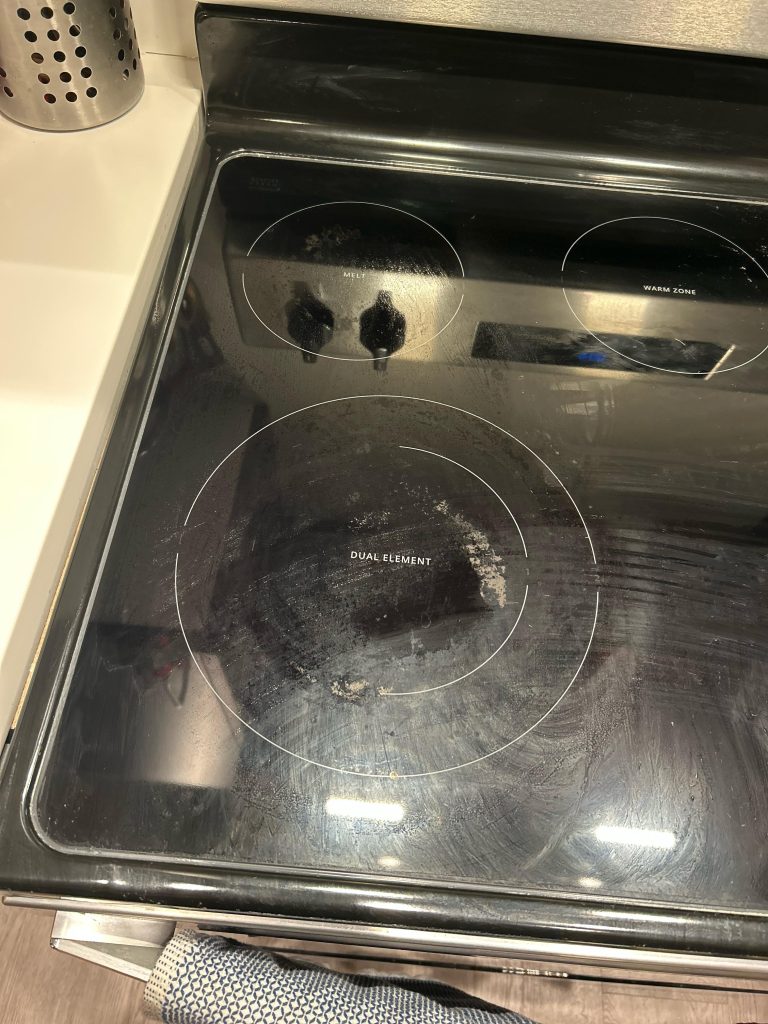
Have you ever faced the frustration of dealing with a burnt induction cooktop? It’s a common kitchen mishap that can leave you feeling helpless and worried about permanent damage.
But don’t worry; you’re not alone, and more importantly, there’s an easy solution. Imagine the satisfaction of seeing your cooktop sparkling clean again, just like new. In this guide, you’ll discover the simple steps to effectively clean your burnt induction cooktop, saving you time and hassle.
So, if you’re ready to transform that stubborn mess into a spotless surface, keep reading to find out how. Your kitchen deserves it!

Credit: www.reddit.com
Tools Needed
Cleaning a burnt induction cooktop requires the right tools to avoid damage. Using proper items helps remove tough stains easily. Gather all needed tools before starting for smooth cleaning.
Cleaning Solutions
- Mild dish soap to cut grease gently
- White vinegar for dissolving burnt residue
- Baking soda paste to lift stubborn stains
- Special glass cooktop cleaner for safe polishing
Soft Cloths And Sponges
- Microfiber cloths for scratch-free wiping
- Soft sponges with non-abrasive sides
- Lint-free towels to dry and buff surface
Scrapers And Brushes
- Plastic scraper to gently lift burnt bits
- Soft-bristle brush for detailed cleaning
- Old toothbrush to reach small crevices

Credit: www.reddit.com
Safety Precautions
Cleaning a burnt induction cooktop requires care to prevent damage or injury. Following safety steps protects both you and your appliance. These precautions help avoid accidents and keep your cooktop working well.
Power Off And Cool Down
Always turn off the cooktop before cleaning. Make sure the surface is completely cool. Hot surfaces can cause burns or cracks. Waiting prevents accidents and damage to the cooktop glass.
Avoiding Abrasive Materials
Use soft cloths or sponges for cleaning. Avoid steel wool or harsh scrubbers. Abrasive materials can scratch the cooktop surface. Gentle cleaning protects the glass and keeps it shiny.
Initial Cleaning
Starting with the initial cleaning of your burnt induction cooktop is crucial to avoid scratching the surface or making the stain worse. This phase focuses on gently removing loose debris and softening burnt-on residues before moving to deeper cleaning. Patience here will save you time and effort later.
Wiping Loose Debris
Begin by letting the cooktop cool completely to prevent burns or cracks. Use a soft, damp cloth or sponge to wipe away crumbs, grease spots, and any loose burnt bits.
Avoid harsh scrubbing at this stage; your goal is to clear the surface without pushing debris into scratches. If you notice stubborn particles, try lifting them gently with a plastic scraper designed for induction surfaces.
Applying Cleaning Solution
Once the loose debris is removed, apply a suitable cleaning solution to tackle the burnt stains. You can use a mixture of warm water and a few drops of mild dish soap or a cleaner made specifically for glass cooktops.
Spray or apply the solution evenly over the stained area and let it sit for 5–10 minutes. This soak time helps break down the burnt residue, making it easier to wipe off without damage.
After the soak, use a soft cloth or non-abrasive sponge to gently clean the area. Have you noticed how letting the cleaner sit can reduce the effort needed? It’s a small step that makes a big difference in restoring your cooktop’s shine.

Credit: www.reddit.com
Removing Burnt Residue
Removing burnt residue from your induction cooktop is essential to keep it functioning efficiently and looking pristine. Burnt-on stains can be stubborn, but with the right approach, you can restore your cooktop without scratching or damaging the surface. Let’s dive into practical ways to tackle those tough spots.
Using A Scraper Safely
Using a scraper is one of the most effective ways to remove burnt residue, but it requires caution. Always choose a scraper designed specifically for glass or ceramic surfaces to avoid scratches.
Hold the scraper at a 45-degree angle and gently scrape the burnt areas. Avoid applying too much pressure; patience is key here. If you feel resistance, stop and try softening the residue first instead of forcing it off.
Have you ever damaged a cooktop by being too aggressive? Learning to be gentle with the scraper saves you from costly repairs.
Soaking For Stubborn Stains
When burnt residue refuses to budge, soaking the cooktop can loosen it effectively. Place a damp cloth soaked in warm water mixed with a little dish soap over the affected area.
Leave it for 15 to 20 minutes to soften the burnt particles. The moisture helps break down the residue, making it easier to wipe away without scraping.
If you don’t soak, you might end up scrubbing endlessly and risking damage. Why not give the residue time to soften and make your cleaning easier?
Deep Cleaning Techniques
Deep cleaning a burnt induction cooktop can feel like a tough task, but with the right techniques, you can restore its sleek surface quickly. The key is to use effective cleaning agents that break down burnt residue without damaging the glass surface. Let’s dive into some practical approaches you can try at home or with store-bought cleaners that actually work.
Homemade Cleaning Remedies
Using ingredients from your kitchen cupboard can be surprisingly effective. Baking soda and white vinegar form a gentle but powerful duo to lift burnt stains.
- Sprinkle baking soda evenly over the burnt areas.
- Spray or pour a small amount of white vinegar on top, creating a fizzing reaction.
- Let it sit for 10-15 minutes to loosen the grime.
- Use a soft cloth or non-abrasive sponge to wipe away the residue gently.
I once used this method after accidentally burning sugar on my cooktop. The fizzing reaction helped soften the sticky mess, making it easy to clean without scratching the surface.
Another simple remedy is to make a paste from lemon juice and baking soda. This combination cuts through grease and lifts stains while leaving a fresh scent behind.
Commercial Cleaners
If you prefer ready-made solutions, there are several commercial cleaners designed specifically for induction cooktops. These products often contain ingredients that safely dissolve burnt-on food without scratching the glass.
- Look for cleaners labeled as non-abrasive and suitable for glass or ceramic cooktops.
- Apply a small amount of cleaner to the burnt area.
- Use a soft cloth or a specialized cooktop scraper to gently remove the residue.
- Wipe clean with a damp cloth and dry thoroughly.
One tip I found useful is testing the cleaner on a small, hidden area first. This ensures it won’t cause any dullness or damage to your cooktop’s surface.
Have you ever wondered which cleaning method saves you the most time without risking damage? Trying both homemade and commercial options might help you find your personal favorite for keeping your induction cooktop spotless.
Final Touches
The final touches on your induction cooktop ensure it looks spotless and lasts longer. These steps help restore the glass surface’s shine and prevent streaks or water spots. A clean, polished cooktop improves your kitchen’s look and makes cooking more enjoyable.
Buffing For Shine
Use a soft, dry cloth to buff the cooktop after cleaning. Circular motions help remove any leftover streaks or smudges. This step brightens the surface and brings back its natural shine. Avoid abrasive materials that could scratch the glass.
Drying Properly
Dry the cooktop thoroughly with a clean microfiber cloth. Water droplets left behind can cause spots or damage. Make sure no moisture remains in corners or edges. Proper drying keeps the cooktop safe and ready for the next use.
Maintenance Tips
Maintaining a clean induction cooktop keeps it working well for years. It also helps avoid tough burnt stains that are hard to remove. Simple care habits protect the surface and save time on deep cleaning later.
Regular Cleaning Routine
Wipe the cooktop after each use to remove spills and crumbs. Use a soft cloth and mild cleaner made for glass surfaces. Avoid abrasive pads that can scratch the surface. For sticky spots, apply cleaner and let it sit for a few minutes. Then, gently wipe with a soft cloth. Regular cleaning stops dirt from baking onto the cooktop.
Preventing Future Burnt Spots
Use the right cookware with flat, smooth bottoms. Cookware that fits well prevents heat damage to the surface. Avoid dragging pots or pans across the cooktop to stop scratches. Clean spills quickly before they burn onto the surface. Lower heat settings can reduce the risk of burning food onto the cooktop. Keep the cooktop dry to prevent marks and stains from forming.
Frequently Asked Questions
How Do I Remove Burnt Stains From Induction Cooktop?
Use a soft cloth, warm water, and mild detergent. For tough stains, apply a paste of baking soda and water. Gently scrub in circular motions. Avoid abrasive materials to prevent scratches. Rinse and dry thoroughly.
Can Vinegar Help Clean Burnt Induction Cooktops?
Yes, vinegar is effective. Mix equal parts vinegar and water. Apply to the burnt area and let sit for 10 minutes. Wipe with a soft cloth to remove residue. Vinegar helps dissolve burnt-on food and grease safely.
What Is The Safest Cleaner For Induction Cooktops?
Use a non-abrasive cleaner designed for glass or ceramic surfaces. Avoid harsh chemicals and scrubbing pads. Mild dish soap, baking soda paste, or commercial cooktop cleaners work best. Always follow the manufacturer’s instructions for best results.
How Often Should I Clean My Induction Cooktop?
Clean your cooktop after each use to prevent burnt residue buildup. Regular cleaning keeps the surface shiny and functional. Wipe spills immediately with a damp cloth. Deep clean weekly for optimal maintenance.
Conclusion
Cleaning a burnt induction cooktop is simple with the right steps. Use gentle cleaners and soft cloths to avoid scratches. Regular cleaning keeps your cooktop looking new and working well. Act quickly to remove spills before they burn. Small efforts save time and money later.
A clean cooktop makes cooking safer and more enjoyable. Try these tips today and see the difference yourself. Your kitchen will thank you for the care.