
Are you worried about your Diesel Exhaust Fluid (DEF) freezing during those harsh winter months? As temperatures drop, you might find yourself questioning the reliability of your vehicle’s DEF system.
Will it freeze, and if so, what can you do about it? Understanding how DEF behaves in cold weather is crucial for maintaining your vehicle’s efficiency and performance. You’ll uncover the truth about DEF fluid and freezing temperatures, gaining insights that could save you time, money, and frustration.
Stick around to find out everything you need to know, ensuring that you and your vehicle are well-prepared for the chill ahead.
What Is Def Fluid?
Understanding what DEF fluid is will help you grasp why its freezing point matters. DEF, or Diesel Exhaust Fluid, is a key component in reducing harmful emissions from diesel engines. It plays a crucial role in keeping your vehicle compliant with environmental regulations.
What Is Def Fluid Made Of?
DEF fluid is a simple mixture of 32.5% high-purity urea and 67.5% deionized water. This combination is carefully balanced to ensure optimal performance in Selective Catalytic Reduction (SCR) systems. The purity of the ingredients is vital because impurities can damage the engine’s emission control system.
How Does Def Fluid Work?
When injected into the exhaust stream, DEF fluid breaks down into ammonia and carbon dioxide. The ammonia reacts with nitrogen oxides (NOx) in the exhaust to produce harmless nitrogen and water vapor. This chemical reaction significantly reduces the amount of toxic emissions released into the atmosphere.
Why Is Def Fluid Important For Your Vehicle?
Without DEF, your diesel engine would emit much higher levels of NOx, which are harmful pollutants. Many modern diesel vehicles depend on DEF to meet strict emission standards. Running out of DEF can cause your engine to enter a limp mode or even refuse to start, protecting the environment and your vehicle.
Where Is Def Fluid Stored In A Vehicle?
DEF fluid is stored in a separate tank, usually located near the diesel fuel tank. This tank is often blue-capped for easy identification. It’s essential to keep this tank filled with the correct DEF fluid to avoid any performance issues.
Credit: www.ebay.com
Freezing Point Of Def
Understanding the freezing point of Diesel Exhaust Fluid (DEF) is crucial, especially if you live in colder regions or operate vehicles during winter. DEF is a solution made primarily of urea and water, and like any liquid, it can freeze under low temperatures. But how low does it have to get before DEF freezes, and what does that mean for your vehicle?
What Temperature Does Def Freeze At?
DEF typically freezes at around -11°C (12°F). This temperature is much higher than the freezing point of pure water because of the urea content. Knowing this helps you anticipate when DEF might become a problem during cold weather.
How Does Freezing Affect Def Performance?
When DEF freezes, it expands and turns into a solid block. However, this doesn’t damage its chemical properties. Once thawed, DEF works just as effectively as before, but you need to ensure your vehicle’s DEF system can handle frozen fluid without causing issues.
How Can You Protect Your Def From Freezing?
- Store DEF indoors or in heated areas when temperatures drop below freezing.
- Many modern vehicles include DEF heaters that warm the fluid automatically during cold starts.
- Regularly check your DEF tank and keep it topped up to avoid condensation and freezing inside the tank.
Have you ever had your vehicle’s DEF freeze unexpectedly? How did it affect your trip or work? Being prepared for DEF’s freezing point can save you time and frustration on cold days.
How Freezing Affects Def Performance
Freezing can change how Diesel Exhaust Fluid (DEF) works in your vehicle. DEF is a mix of urea and water. It helps reduce harmful emissions from diesel engines. When DEF freezes, it turns solid and expands. This can affect how well it performs in your engine system.
Understanding the impact of freezing on DEF can help keep your vehicle running smoothly. It also prevents damage to the DEF system and ensures emissions stay low.
Physical Changes In Def Due To Freezing
DEF freezes at about 12°F (-11°C). When frozen, it forms crystals and becomes solid. This expansion can put pressure on the storage tank. It might cause cracks or leaks if the tank is weak.
Once DEF thaws, it returns to liquid form. The chemical makeup stays the same. No permanent damage happens to the fluid itself.
Impact On Def Injection System
Frozen DEF cannot be pumped or sprayed properly. The injection system relies on liquid DEF to work. Ice crystals may block the lines and nozzles. This stops DEF from reaching the exhaust.
Blocked injection means the engine emits more pollutants. The system may also show error codes or warnings. It can cause the vehicle to lose power or stop running.
How Freezing Affects Emission Control
DEF helps break down nitrogen oxides in exhaust gas. Without liquid DEF, this process slows down. More nitrogen oxides are released into the air. This can cause the vehicle to fail emissions tests.
Frozen DEF reduces the efficiency of the emission control system. The engine may run less clean until the DEF thaws and flows again.
Preventing Def Freezing Problems
- Store DEF in a warm place above freezing point.
- Use engine block heaters to keep DEF warm.
- Keep the DEF tank insulated in cold climates.
- Check DEF levels regularly during winter months.
Signs Of Frozen Def Fluid
Knowing the signs of frozen DEF fluid can save you from unexpected engine trouble, especially in colder climates. DEF (Diesel Exhaust Fluid) is sensitive to freezing temperatures, and recognizing the symptoms early helps you act fast. Let’s look at what to watch for so you can keep your vehicle running smoothly.
Physical Appearance Changes In Def Fluid
Frozen DEF fluid looks cloudy or milky instead of clear. You might notice ice crystals or solid chunks inside the DEF tank or container. If you open the DEF reservoir and see any solid mass, it’s a clear sign the fluid has frozen.
Dashboard Warning Lights And Alerts
Your vehicle’s dashboard often gives the first hint of frozen DEF. Warning lights related to the emission system or DEF fluid may turn on. If you see a message about DEF fluid temperature or quality, don’t ignore it—this usually means the fluid is frozen or close to freezing.
Engine Performance Issues Linked To Frozen Def
Frozen DEF can cause your engine to run poorly or even go into limp mode. You may experience reduced power, rough idling, or difficulty starting the engine. This happens because the vehicle’s emission control system relies on DEF to reduce harmful gases, and frozen fluid stops that process.
Unusual Noises Or Smells Near The Def System
Have you ever heard strange sounds like gurgling or hissing near the DEF tank? These noises can mean the fluid is freezing and expanding. Also, a strong ammonia-like smell might indicate DEF leakage caused by ice damage inside the system.
Reduced Def Consumption Or Flow Problems
If your DEF consumption suddenly drops, it might be frozen inside the lines or pump. You might notice that the DEF pump runs but no fluid is delivered. This stoppage can cause error codes and prevent the system from working correctly.
Preventing Def Fluid Freezing
Preventing DEF fluid from freezing is essential to keep your vehicle running smoothly in cold weather. Freezing can cause blockages and damage to the system, leading to costly repairs. Knowing how to handle and maintain DEF properly protects your investment and avoids unexpected breakdowns.
Store Def Properly
Always keep DEF in a cool, dry place away from extreme temperatures. Avoid leaving containers outside or in unheated garages during winter. Using insulated storage or heated cabinets can help maintain the fluid’s quality and prevent freezing.
Have you checked your DEF storage conditions lately? Small changes in where you keep it can make a big difference.
Use High-quality Def
Not all DEF fluids are created equal. Choose products that meet ISO 22241 standards to ensure proper freezing point and purity. Low-quality DEF may contain impurities that freeze at higher temperatures, causing problems sooner.
Think about the last time you bought DEF—did you check the label or just grab the cheapest option? That choice affects freezing risk more than you might expect.
Maintain Vehicle Temperature
Keeping your vehicle warm during cold spells helps prevent DEF from freezing inside the tank and lines. Parking in a garage or using engine block heaters can maintain the necessary temperature. Some trucks have DEF tank heaters built-in; make sure they are working properly.
Have you ever noticed your vehicle struggling after a cold night? It could be due to frozen DEF fluid affecting performance.
Regularly Check Def Levels
Low DEF levels can increase the chance of freezing because the fluid in the system becomes stagnant. Check the DEF gauge frequently, especially before cold weather hits. Top off the tank regularly to keep the fluid fresh and moving.
When was the last time you checked your DEF level? Staying on top of this simple task can save you from unexpected downtime.

Credit: azurechemical.com
Thawing Frozen Def Safely
Thawing frozen Diesel Exhaust Fluid (DEF) requires care to keep it effective. DEF freezes at 12°F (-11°C) and expands when frozen. Proper thawing stops damage to its chemical balance. Follow safe steps to restore DEF without harm.
Use Room Temperature Environment
Move the frozen DEF container indoors. Let it sit in a warm room. Avoid direct heat or sunlight. Natural thawing prevents rapid temperature changes. This keeps the fluid stable and ready to use.
Avoid Heat Sources
Do not use heaters or open flames. High heat can break down DEF’s urea content. Avoid microwaves and stoves. Rapid warming may cause chemical changes. Gentle warming is the safest way.
Check Container Integrity
Inspect the container for cracks or leaks after thawing. Expansion during freezing can damage the bottle. Damaged containers may leak or contaminate DEF. Replace any compromised containers immediately.
Gently Mix Def After Thawing
Shake the container softly to mix the fluid. This redistributes the urea evenly. Avoid vigorous shaking that can create bubbles. Smooth mixing ensures consistent DEF quality.
Store Def Properly Post-thaw
Keep DEF in a cool, dry place below 86°F (30°C). Use original containers with airtight seals. Avoid exposure to sunlight or heat. Proper storage extends DEF’s shelf life and effectiveness.
Impact Of Climate On Def Freezing
Climate plays a major role in how Diesel Exhaust Fluid (DEF) behaves, especially when it comes to freezing. If you live in or travel through cold regions, understanding how temperature impacts DEF can help you avoid engine issues and downtime. Let’s look closer at how different climates affect DEF freezing and what you can do about it.
How Temperature Variations Affect Def Freezing
DEF freezes at around 12°F (-11°C). In areas with harsh winters, this means your DEF can easily turn solid during cold snaps. Even if you don’t drive often, DEF in the tank can freeze overnight or during long stops.
On the other hand, regions with milder winters rarely see DEF freeze. But sudden drops in temperature can still surprise drivers who aren’t prepared. Do you know the average winter lows where you drive? This knowledge helps you plan better.
Impact Of Humidity And Altitude On Def
Humidity itself doesn’t freeze DEF, but it can affect how quickly temperatures drop and how frost forms on your vehicle. High-altitude areas often have lower temperatures and thinner air, which can accelerate freezing.
If you drive in mountainous regions, DEF freezing might happen faster and last longer than expected. Have you noticed how your vehicle performs differently at high altitudes during winter?
Preventive Measures For Different Climates
- Cold Climates:Use engine block heaters or DEF tank heaters to keep the fluid from freezing.
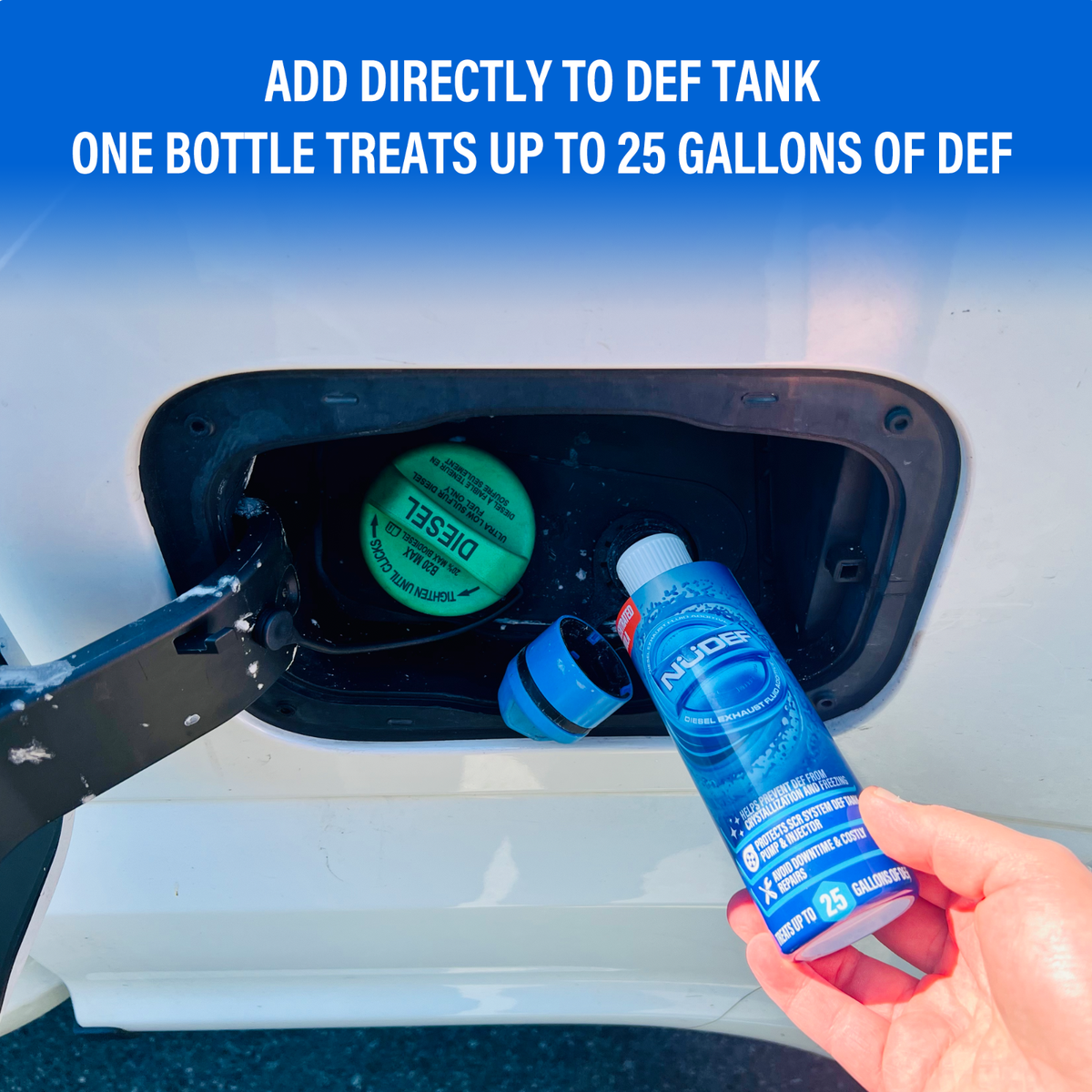
- Mild Climates:Keep an eye on weather forecasts and add antifreeze additives if recommended.
- Variable Climates:Always monitor DEF levels and consider insulated DEF tanks to manage temperature swings.
Knowing your local climate’s impact on DEF helps you avoid costly repairs. What steps have you taken to protect your DEF in extreme weather?

Credit: totalrevestimentos.com.br
Myths About Def Freezing
There are many stories floating around about whether Diesel Exhaust Fluid (DEF) freezes and what that means for your vehicle. Some of these tales can cause unnecessary worry, while others might lead you to take the wrong precautions. Let’s separate fact from fiction and clarify what actually happens when DEF gets cold.
Does Def Freeze Like Water?
Many people assume DEF freezes just like water because it contains a large amount of water. However, DEF is a mixture of 32.5% urea and 67.5% deionized water, which lowers its freezing point significantly. This means DEF freezes at around 12°F (-11°C), much colder than regular water.
So, if you live in a cold area, your DEF might freeze, but it won’t behave exactly like ice. Have you ever checked your DEF during winter and noticed it looked slushy rather than solid? That’s because of its unique composition.
Can Frozen Def Damage Your Vehicle?
A common myth is that frozen DEF can harm your truck’s engine or emissions system. In reality, DEF tanks and lines are designed to handle freezing and thawing without damage. The system will warm up DEF as the engine runs, turning it back into liquid form.
Think about your own experience—have you ever started a diesel vehicle on a freezing morning and noticed warning lights about DEF? Usually, the system just needs time to warm up, and the issue clears without damage.
Is It Necessary To Keep Def Heated All The Time?
Some believe DEF must always be kept warm to prevent freezing. While heating can help in extreme cold, modern DEF tanks often come with built-in heaters or insulation. This means you don’t have to worry about manually heating your DEF in most cases.
Consider if you’ve added DEF on a cold day without warming it first—your vehicle likely handled it fine. Do you really need extra equipment, or can your truck’s design manage the cold better than you think?
Does Freezing Def Affect Its Quality?
Another myth is that once DEF freezes, it loses its effectiveness. Freezing does not degrade DEF or reduce its ability to reduce emissions. After thawing, DEF retains its original properties as long as it’s stored properly.
Have you ever left DEF outside overnight in freezing temperatures and then used it without problems? That’s because freezing doesn’t break down the chemical makeup of DEF.
Can You Use Frozen Def In Your Vehicle?
Some suggest you should never use frozen DEF. Actually, you should never add solid ice to the DEF tank, but slushy or partially frozen DEF can be used once it melts. The vehicle’s system is designed to handle this transition safely.
Ask yourself: have you ever added DEF that was cold or partially frozen? Chances are your engine responded normally, proving the system’s resilience.
Frequently Asked Questions
Does Def Fluid Freeze In Cold Weather?
Yes, DEF fluid freezes at around 12°F (-11°C). It is designed to thaw quickly once the engine warms up, ensuring proper function.
How Long Does Frozen Def Take To Thaw?
Frozen DEF typically takes 2 to 4 hours to thaw at room temperature. Warmer conditions speed up the thawing process.
Can Frozen Def Damage My Vehicle?
No, frozen DEF does not damage your vehicle. The system is built to handle frozen fluid without causing harm.
What Happens If Def Freezes While Driving?
If DEF freezes during driving, the system temporarily stops dosing. Once thawed, it resumes normal operation without issues.
Conclusion
Def fluid can freeze in very cold weather, but it happens rarely. Keeping it at the right temperature helps avoid problems. Use proper storage and check the fluid often. Frozen DEF fluid can cause engine issues and reduce performance. Protect your vehicle by understanding how DEF fluid reacts to cold.
Staying informed keeps your engine running smoothly. Always take simple steps to prevent freezing and save time later. Clear knowledge helps you maintain your diesel engine better.