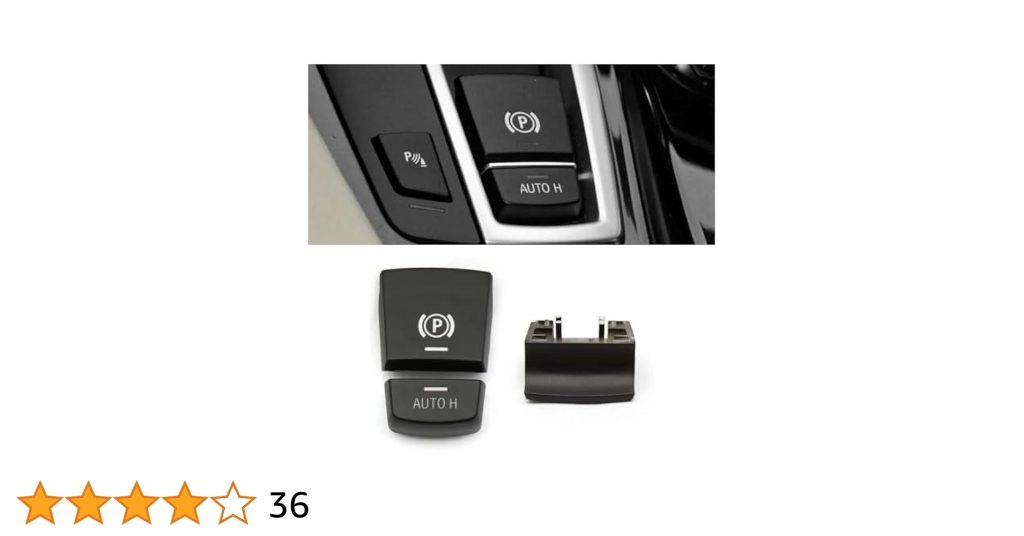
If you drive a BMW, you might have noticed a button or setting labeled “Auto H” and wondered what it does. Understanding this feature can make your driving experience smoother and safer, especially in stop-and-go traffic or on hills.
You’ll discover exactly what Auto H is, how it works, and why it could be a game-changer for your daily drives. Keep reading to unlock the full potential of your BMW and take control with confidence.

Credit: www.reddit.com
Auto Hold Basics
Understanding the basics of Auto Hold helps drivers appreciate its value. This feature adds comfort during stops and prevents unwanted movement. It keeps the car stationary without the need to keep the brake pressed. Auto Hold is especially helpful in city traffic and on hills.
Purpose Of Auto Hold
Auto Hold’s main goal is to maintain the car’s position after stopping. It prevents the car from rolling backward or forward. This reduces driver fatigue by removing the constant need to press the brake pedal. It also adds safety in stop-and-go traffic or on slopes. The feature supports smoother driving in busy or hilly areas.
How Auto Hold Works
When activated, Auto Hold automatically applies the brakes after the car stops. The system keeps the brakes engaged even if the driver removes their foot from the pedal. The brakes release once the driver presses the accelerator. Sensors monitor the car’s speed and brake pressure constantly. This ensures the car stays still until the driver moves forward.
Activating Auto Hold In Bmw
Activating Auto Hold in your BMW makes driving easier, especially in stop-and-go traffic. This feature keeps the brakes applied without pressing the pedal continuously. It helps reduce fatigue and improves safety during brief stops.
Step-by-step Activation
- Start your BMW and ensure it is in Drive (D) mode.
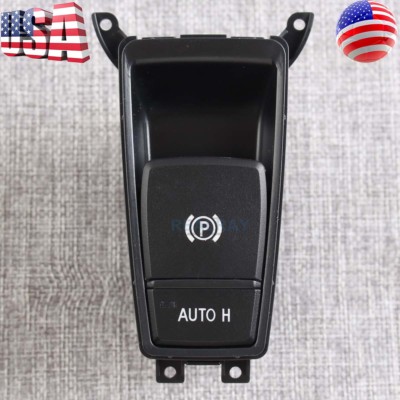
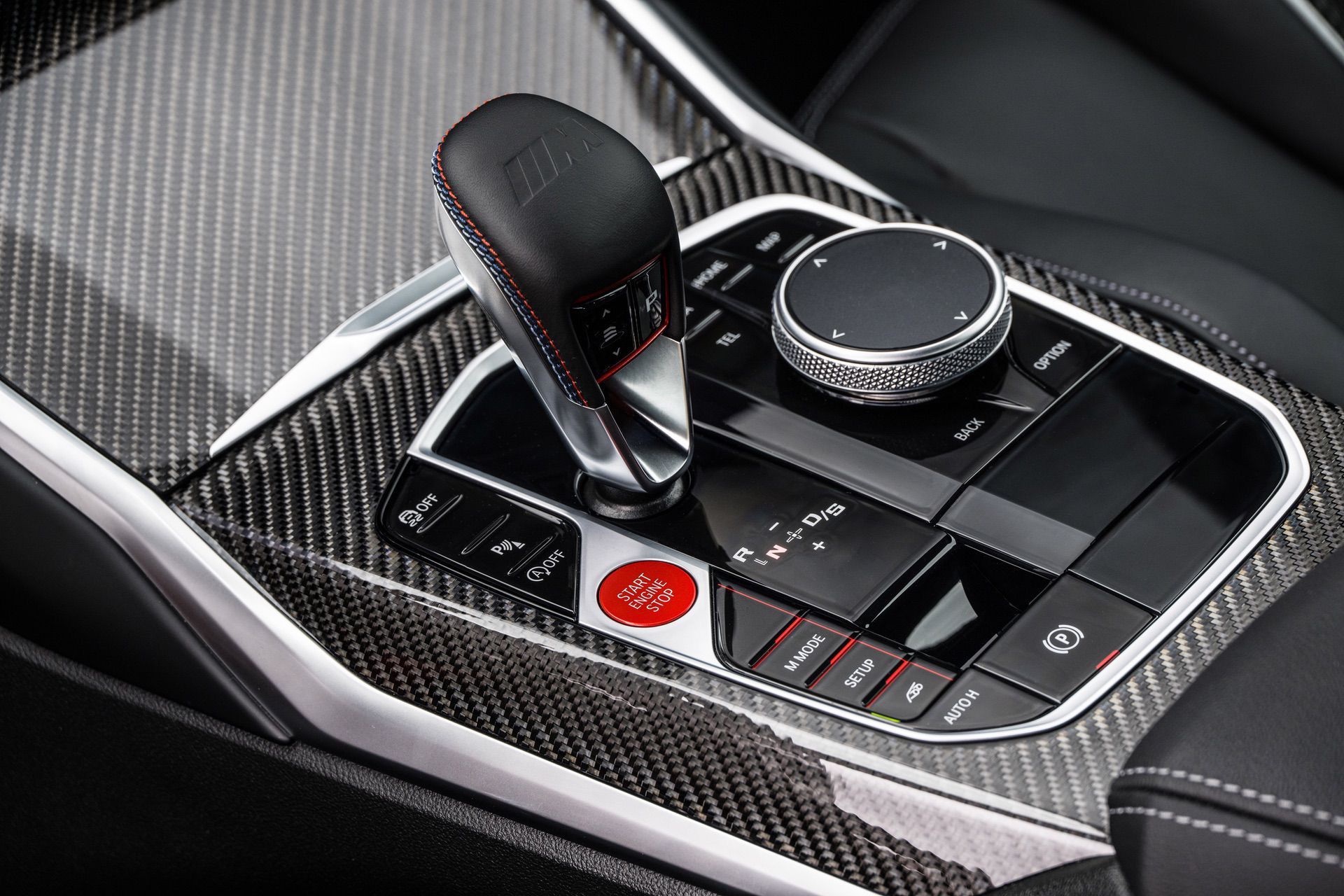
- Locate the Auto Hold button near the gear shifter or center console.
- Press the Auto Hold button once to activate the system.
- The system will hold the brakes when you come to a complete stop.
- Press the accelerator pedal to release the brakes and continue driving.
Dashboard Indicators
The dashboard shows a clear symbol when Auto Hold is active. Look for a small “A” inside a circle or a brake icon. This indicator confirms the system is ready to hold the vehicle at stops.
If the indicator flashes or turns off, the system may be inactive or needs attention. Always check the owner’s manual for specific dashboard signals related to Auto Hold.
Benefits Of Auto Hold
The Auto Hold feature in BMW is designed to make your driving experience smoother and safer. It offers several key benefits that directly impact your comfort and control behind the wheel. Understanding these advantages can help you appreciate why Auto Hold is more than just a convenience—it’s a smart driving aid.
Enhanced Safety
Auto Hold prevents your car from rolling backward or forward when stopped on an incline. This reduces the risk of accidents caused by unintended vehicle movement.
Imagine waiting at a red light on a steep hill—Auto Hold keeps your BMW securely in place without needing to keep your foot on the brake constantly. This stability can protect both you and those around you.
Convenience In Traffic
Stop-and-go traffic can be tiring, especially when you have to constantly press and release the brake pedal. Auto Hold takes over that task, holding the car steady when you pause.
This allows you to relax your foot and focus more on the road and your surroundings. Have you noticed how much easier it feels not having to manage the brake pedal during long traffic jams?
Reduced Driver Fatigue
Holding the brake for extended periods can cause leg strain, especially during rush hour. Auto Hold eases this pressure by maintaining brake pressure automatically.
By reducing the physical effort required, your driving becomes less tiring, helping you stay alert and comfortable on longer drives. How much more relaxed would you feel on your daily commute with this feature working for you?
Credit: www.ebay.com
When To Use Auto Hold
Auto Hold is a helpful feature in BMW cars. It keeps the vehicle still without pressing the brake pedal. Knowing when to use Auto Hold improves driving comfort and safety.
Stop-and-go Traffic
Auto Hold works well in stop-and-go traffic. It stops the car automatically when traffic slows. Drivers do not need to keep their foot on the brake. This reduces fatigue during long traffic jams.
Hill Starts
Use Auto Hold on hills to avoid rolling back. It holds the car steady when moving from a stop. This helps prevent accidents on steep roads. Drivers feel more confident starting on slopes.
Traffic Lights And Stops
Auto Hold is useful at traffic lights and stop signs. It keeps the car still without constant brake pressure. Drivers can relax their foot during long waits. This makes stopping easier and safer.
Common Issues And Troubleshooting
Auto Hold in your BMW is designed to make driving easier, but like any technology, it can sometimes act up. Knowing the common issues and how to troubleshoot them can save you time and frustration. Here’s what you need to watch for and how to handle these hiccups effectively.
Auto Hold Not Engaging
Have you ever pressed the brake and expected Auto Hold to kick in, only to find it silent? This often happens when the system detects that the vehicle is not fully stopped or when the driver’s seatbelt isn’t fastened.
Check if your car is completely at a standstill and your foot is firmly on the brake pedal. Also, Auto Hold may not engage if the parking brake is manually activated or if the vehicle’s battery is low.
Sometimes, a quick restart of the engine can reset the system and restore normal function. If it still doesn’t engage, it might be time to consult your BMW dealer for a system check.
Warning Lights
Seeing warning lights related to Auto Hold can be unsettling. These lights typically indicate a fault in the system or related components like the brake sensors or electronic control unit.
Don’t ignore these warnings. A persistent warning light often means the system has been disabled to avoid unsafe conditions. You can try turning the ignition off and on to reset the warning, but if it returns, professional diagnostics are necessary.
Remember, warning lights are your car’s way of communicating. Understanding what each symbol means can prevent bigger issues down the road.
System Limitations
Auto Hold is a helpful tool, but it has its limits. It won’t work properly on steep inclines or slippery surfaces where the sensors can’t accurately detect vehicle movement.
You might also notice it doesn’t activate if you quickly release and press the brake pedal—it’s designed for a steady hold, not rapid stops. This is something to keep in mind during stop-and-go traffic.
Have you considered how these limitations affect your daily driving? Being aware can help you avoid relying too much on the system and staying safer behind the wheel.
Comparison With Traditional Parking Brake
Comparing Auto H on BMW with a traditional parking brake reveals clear differences in how each system works and the benefits they offer. While both aim to keep your car stationary, their operation and convenience levels vary significantly. Understanding these differences can help you appreciate why Auto H is becoming a preferred feature among drivers.
Differences In Operation
The traditional parking brake usually involves a hand lever or foot pedal that you manually engage and disengage. You have to pull or push it firmly to lock your car in place, which can sometimes be a hassle, especially on steep hills.
Auto H, on the other hand, uses electronic controls to automatically hold the brakes when your car is stopped, like at traffic lights or on slopes. You don’t have to do anything extra—once you press the brake pedal, the system activates and keeps the car from rolling. It releases the brake automatically when you press the accelerator, making it much smoother and less stressful.
Advantages Over Manual Brake
- Ease of use:Auto H removes the need for you to manually engage the parking brake, which can be especially helpful in stop-and-go traffic.
- Safety:It reduces the risk of forgetting to set the parking brake, which can prevent accidental rollaways.
- Comfort:Auto H offers smoother transitions on hills, eliminating the common struggle of balancing the brake and accelerator pedals.
- Space-saving:Without a bulky lever or pedal, your car’s interior can be designed with more space and cleaner aesthetics.
Have you ever found yourself fumbling with the parking brake while waiting at a hilltop traffic light? Auto H could save you from that awkward moment. It’s an upgrade that blends technology with practicality, changing how you interact with your car daily.
Tips For Safe Use
Using Auto H on your BMW can make stop-and-go driving much easier, but safety should always come first. Knowing how to handle this feature correctly helps prevent unexpected vehicle movements and keeps you in control. Here are some practical tips to ensure you use Auto Hold safely every time you drive.
When To Release Auto Hold
Auto Hold keeps your car stationary after you come to a complete stop, so you don’t have to keep your foot on the brake. However, it’s important to know when to release it to avoid confusion.
You should release Auto Hold before accelerating or when parking on an incline. Holding it too long can cause unnecessary strain on the brake system or confuse other drivers at intersections. Ask yourself: Are you ready to move forward? If yes, then press the accelerator gently to deactivate Auto Hold smoothly.
Remember, Auto Hold is not a substitute for the parking brake when you leave your vehicle. Always engage the parking brake to secure your car fully.
Maintaining Brake System
Your BMW’s brake system works closely with Auto Hold, so keeping it in top shape is essential. Regular inspections and maintenance ensure this feature functions reliably and safely.
- Check brake pads and discs regularly for wear and tear.
- Keep brake fluid levels within the recommended range.
- Have your brake system inspected by a professional if you notice unusual noises or reduced braking efficiency.
Neglecting brake maintenance can lead to Auto Hold malfunctioning, which might catch you off guard in traffic. Think about how often you check your brakes—could adding this to your routine save you from unexpected trouble?
Credit: www.bmwblog.com
Frequently Asked Questions
What Does Auto H Mean On A Bmw?
Auto H stands for Automatic Hold. It is a feature in BMW vehicles that keeps the car stationary without needing to hold the brake pedal. This is especially useful in stop-and-go traffic or on hills, providing convenience and reducing driver fatigue.
How Do You Activate Auto H In Bmw?
To activate Auto H in your BMW, press the Auto H button located near the gear shift. Once activated, the system automatically applies the brakes when the car stops. This keeps the vehicle stationary until you press the accelerator again.
Is Auto H Available In All Bmw Models?
Auto H is not available in all BMW models. It is typically found in newer models and those with advanced driving assistance packages. Always check your specific BMW model’s manual or consult a dealership to confirm its availability.
Can Auto H Be Used On Hills?
Yes, Auto H is particularly useful on hills. It prevents the car from rolling back when stopped, offering added safety and convenience. This feature ensures a smooth driving experience, especially in hilly terrains or during stop-and-go traffic situations.
Conclusion
Auto H on BMW helps keep your car still without pressing the brake. It works well in traffic or on hills. This feature makes driving easier and safer. You just stop, and the car holds itself. Understanding Auto H can improve your driving experience.
Try it carefully to see how it works. Remember, it’s a helpful tool, not a replacement for brakes. Use Auto H wisely to enjoy smooth rides every day.