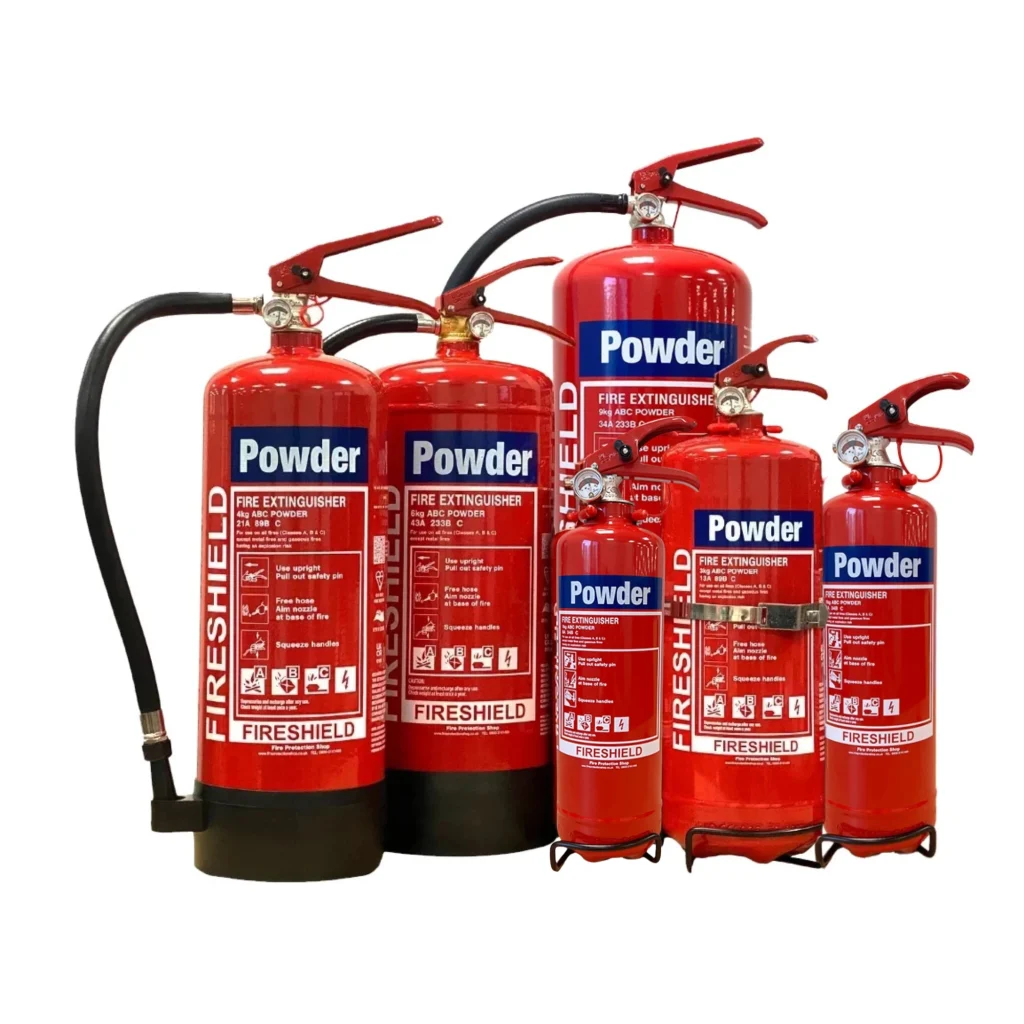
Have you ever wondered if your fire extinguisher can freeze? It’s a question many people don’t think about until it’s too late.
Imagine needing to put out a fire, but your extinguisher is frozen solid and won’t work. That could be dangerous for you and your loved ones. You’ll discover the truth about fire extinguishers and freezing temperatures. Knowing this could save your life or protect your home when it matters most.
Keep reading to find out how to keep your extinguisher ready, no matter the weather.
How Fire Extinguishers Work
Understanding how fire extinguishers work can help you respond quickly and effectively in an emergency. These devices are designed to stop fires by removing one or more elements of the fire triangle: heat, fuel, or oxygen. Knowing the basics behind their operation also sheds light on whether environmental factors, like freezing temperatures, affect their performance.
Types Of Fire Extinguishers
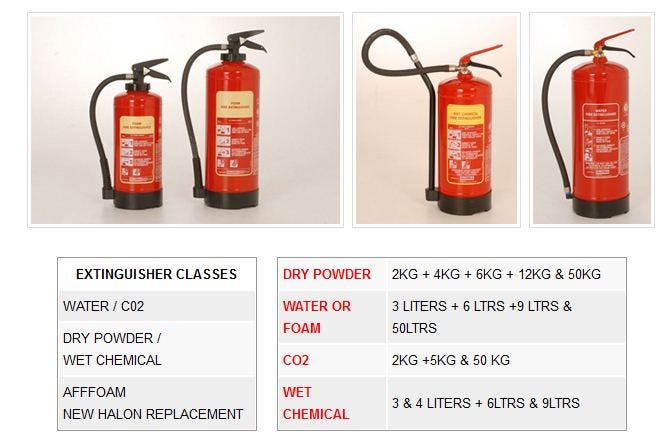
Fire extinguishers come in various types, each tailored to specific kinds of fires. You’ll find:
- Water extinguishersfor ordinary combustibles like wood and paper.
- Foam extinguisherseffective on flammable liquids such as gasoline.
- Dry chemical extinguishersthat can tackle multiple fire classes, including electrical fires.
- CO2 extinguisherswhich work by displacing oxygen and are great for electrical fires.
Choosing the right type for your environment is crucial. Have you checked if your extinguisher matches the fire risks around you?
Pressure And Contents
Fire extinguishers rely on pressure to release their contents quickly and forcefully. Inside, you’ll typically find a propellant gas that pushes the extinguishing agent out when activated.
The contents vary depending on the extinguisher type—some use water, others dry chemicals, foam, or carbon dioxide. Each substance behaves differently under temperature changes.
This explains why some extinguishers, especially those containing water or foam, are more prone to freezing in cold conditions. Do you know where your extinguisher is stored and if it’s protected from freezing temperatures?

Credit: www.indiamart.com
Freezing Points Of Extinguisher Contents
Understanding the freezing points of fire extinguisher contents is crucial, especially if you live in a region where temperatures drop below freezing. The effectiveness of your extinguisher depends on whether its contents remain stable in cold conditions. Different types of extinguishers use various substances, each with its own freezing characteristics that could impact performance.
Water-based Extinguishers
Water-based extinguishers are among the most common types. However, plain water freezes at 32°F (0°C), which means these extinguishers can freeze in cold weather.
To prevent this, some water extinguishers include antifreeze additives. But if your extinguisher lacks these additives and is exposed to freezing temperatures, the water inside can expand and damage the container or nozzle.
Have you checked if your water extinguisher is rated for low temperatures? Keeping it in a heated area during winter can save you from a costly replacement.
Foam And Chemical Agents
Foam extinguishers contain a mixture of water and foam concentrate, which lowers the freezing point compared to plain water. This makes them more resistant to freezing but not entirely freeze-proof.
Chemical agents in dry powder extinguishers generally don’t freeze since they are solid powders stored in a pressurized container. However, some chemical solutions used in wet chemical extinguishers can freeze if temperatures drop too low.
Knowing your extinguisher’s chemical composition helps you anticipate its behavior in cold climates. Have you ever had to use an extinguisher in freezing weather? How did it perform?
Co2 Extinguishers
CO2 extinguishers use carbon dioxide gas stored under high pressure. Since CO2 is a gas, it doesn’t freeze under normal cold weather conditions, making these extinguishers reliable even in freezing temperatures.
However, the discharge horn can become extremely cold during use, sometimes causing frostbite if handled improperly. So, while the contents don’t freeze, you should still handle CO2 extinguishers with care in cold environments.
Are you prepared to use your CO2 extinguisher safely in winter? Understanding these details can keep you and others safe during emergencies.
Effects Of Freezing On Performance
Freezing can reduce a fire extinguisher’s pressure, making it harder to spray. Ice may block the nozzle, limiting its use in emergencies. Regular checks help ensure it works well in cold weather.
The freezing of a fire extinguisher affects its performance in multiple ways. Understanding these effects helps ensure safety and preparedness. When a fire extinguisher freezes, its internal components and functionality may be compromised. This section explores the key areas affected by freezing.Pressure Changes
Freezing temperatures can alter the pressure inside a fire extinguisher. Cold reduces pressure, affecting the extinguisher’s ability to discharge effectively. A decrease in pressure might leave you with insufficient force to combat fires. This can delay response time during emergencies.Discharge Issues
A frozen extinguisher might face discharge problems. The nozzle or hose could become blocked by ice. This blockage prevents the agent from releasing properly. In urgent situations, a blocked extinguisher fails to perform its critical role.Potential Damage
Freezing can cause structural damage to a fire extinguisher. Ice expansion may crack the cylinder or damage seals. This damage compromises the integrity of the extinguisher. Regular inspections can help identify and prevent such issues.Preventing Freezing In Fire Extinguishers
Fire extinguishers must stay in good condition to work well in emergencies. Freezing can damage them and make them unsafe. Preventing freezing helps keep extinguishers ready to use, especially in cold places. Understanding how to store and protect them can avoid costly repairs and safety risks.
Storage Best Practices
Store fire extinguishers in dry, sheltered places away from cold winds. Avoid placing them directly on cold floors or near windows. Use insulated cabinets or boxes if possible. Keep extinguishers off the ground using wall mounts or shelves. Check storage areas regularly to ensure no moisture or drafts affect the extinguisher.
Temperature Considerations
Most fire extinguishers work best between 40°F and 120°F (4°C and 49°C). Temperatures below freezing can cause the contents to freeze and stop working. Avoid placing extinguishers outside during winter without protection. Monitor temperatures in storage spaces, especially in unheated garages or basements. Use heaters or heat lamps safely to keep the area warm if needed.
Specialized Extinguishers For Cold Climates
Some extinguishers are designed to resist freezing. These models use antifreeze agents or special chemicals. Look for extinguishers labeled for use in freezing temperatures. They work well in cold warehouses, outdoor sites, and vehicles in winter. Using specialized extinguishers reduces the risk of damage and ensures safety year-round.
Signs Of A Frozen Or Damaged Extinguisher
Recognizing the signs of a frozen or damaged fire extinguisher is crucial for safety. A frozen extinguisher may not work properly during emergencies. Damage can also reduce its effectiveness. Checking for clear signs helps ensure the extinguisher is ready to use.
Physical Indicators
- Visible ice or frost on the extinguisher body
- Cracks, dents, or corrosion on the cylinder
- Bulging or swelling of the container
- Leaks or wet spots around the valve or nozzle
- Discoloration or rust on metal parts
- Broken or missing safety pins and seals
Performance Tests
Testing the extinguisher confirms its condition. A frozen extinguisher may release powder slowly or not at all.
- Check pressure gauge for correct reading in the green zone
- Perform a short test spray in a safe area
- Observe flow rate and spray pattern consistency
- Listen for unusual sounds during discharge
- Ensure the extinguisher empties smoothly without interruptions
Credit: medium.com
Maintaining Fire Extinguishers In Winter
Cold weather can affect fire extinguishers in many ways. Freezing temperatures may cause damage to some types. Maintaining them during winter keeps them reliable and ready to use.
Proper care prevents freezing and ensures safety. Check the extinguisher’s type and storage location. Keep it where temperature stays above freezing point.
Routine Inspections
Check extinguishers regularly in winter months. Look for dents, cracks, or corrosion on the body. Confirm pressure gauge stays in the green zone. Inspect the nozzle for blockages or ice. Make sure the safety pin is intact and easy to pull.
Proper Handling
Store extinguishers indoors or in heated areas. Avoid placing them on cold floors or outside walls. Use insulated covers if needed for extra protection. Handle extinguishers gently to avoid damage in cold weather. Never shake an extinguisher hard, especially if frozen.
When To Replace
Replace extinguishers if frozen or damaged. Old extinguishers may lose pressure or effectiveness. Follow manufacturer’s guidelines for lifespan and replacement. Consider replacing if inspection reveals corrosion or leaks. Always ensure your extinguisher meets safety standards.

Credit: www.mobiakfire.com
Frequently Asked Questions
Can A Fire Extinguisher Freeze In Cold Weather?
Yes, some fire extinguishers can freeze if exposed to extreme cold. Freezing may damage the extinguisher and reduce effectiveness. Water-based extinguishers are most vulnerable to freezing temperatures below 32°F (0°C). Store them in temperature-controlled areas to avoid freezing and ensure proper function.
How Does Freezing Affect Fire Extinguisher Performance?
Freezing can cause internal components to crack or malfunction. It may block the extinguisher’s nozzle or valve, preventing discharge. Frozen extinguishers may fail during emergencies, risking safety. Regular checks and proper storage prevent freezing and maintain optimal performance.
Which Fire Extinguishers Resist Freezing Best?
Dry chemical and CO2 extinguishers resist freezing well. They contain no water, so they perform reliably in cold climates. These types are ideal for outdoor or unheated storage areas. Choose extinguishers based on your environment to avoid freezing issues.
Can Freezing Damage Fire Extinguisher Seals Or Valves?
Yes, freezing can cause seals and valves to crack or warp. Damaged seals lead to leaks, reducing pressure and effectiveness. Valves may become stuck, preventing discharge. Inspect extinguishers regularly, especially after cold spells, to ensure seals and valves are intact.
Conclusion
Fire extinguishers can freeze in very cold places. Freezing may stop them from working well. Keep extinguishers in warm spots during winter. Check them often to make sure they work. Use special types made for cold weather if needed. Taking simple steps helps keep safety strong.
Stay prepared and protect your home or workplace. Safety is always worth the effort.