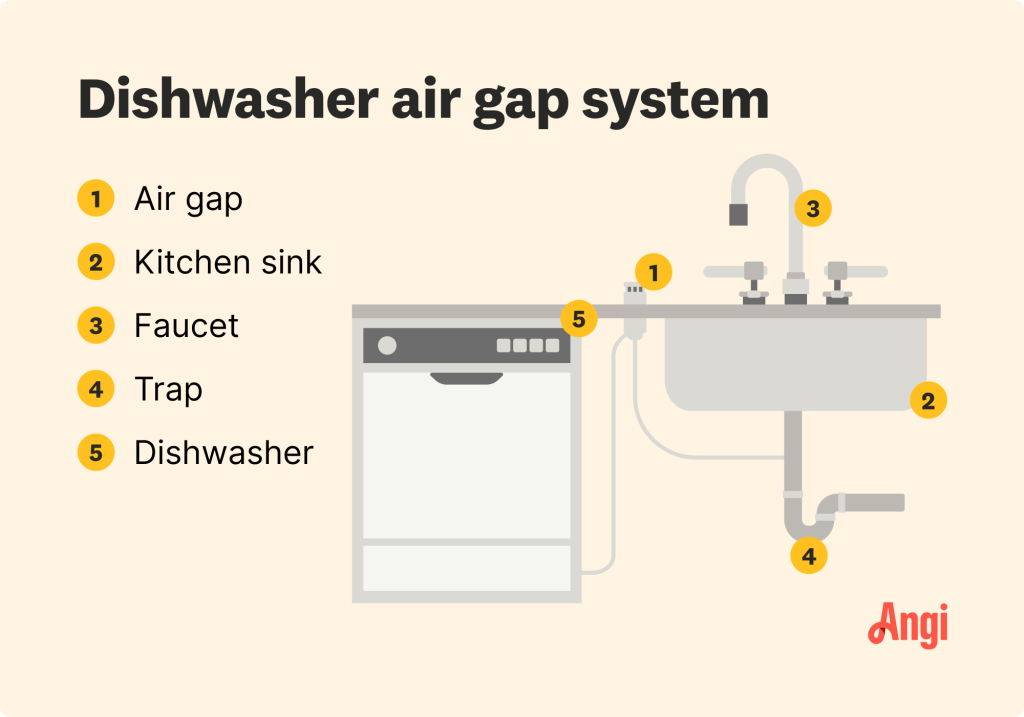
Have you ever glanced at your kitchen sink and wondered about the small metal cap sitting next to your faucet? You might not know it, but that little device, known as an air gap, plays a crucial role in your dishwasher’s efficiency and safety.
Many homeowners overlook this tiny component, yet its presence can significantly impact your dishwasher’s performance and the cleanliness of your kitchen. Are you curious about whether your dishwasher needs an air gap? Understanding its purpose could not only enhance your appliance’s lifespan but also prevent potential plumbing disasters.
Dive into this article to discover why an air gap might be the unsung hero of your kitchen setup. Let’s unravel the mystery and ensure your home remains both functional and hygienic.
Purpose Of An Air Gap
An air gap is a small but vital component for dishwashers. It acts as a physical barrier between the dishwasher and the home’s water supply. The main purpose of an air gap is to keep the water clean and safe. It stops dirty water from flowing back into the clean water system. This protects both the dishwasher and the household plumbing from contamination.
Preventing Backflow
The air gap prevents backflow, which means dirty water cannot flow backward. Without it, wastewater might return to the dishwasher or water supply. This can cause contamination and health risks. The air gap creates a space where water can safely drain without mixing back. It ensures the water flows in only one direction—out of the dishwasher.
Ensuring Water Safety
Water safety is essential for every home appliance. The air gap helps maintain this safety by separating dirty water from clean water. It stops harmful bacteria and debris from entering the water system. This simple device protects your family’s health. It also keeps the dishwasher working properly by preventing clogs and damage.
When An Air Gap Is Required
An air gap is a small device that stops dirty water from flowing back into your dishwasher. It is important to know when an air gap is required. This helps keep your water clean and safe. Certain rules and installation types determine if you need an air gap.
Local Plumbing Codes
Local plumbing codes often require an air gap for dishwashers. These rules vary by city and state. Some places demand an air gap to prevent contamination of drinking water. Inspectors check for this during home inspections. Without meeting code, your dishwasher may not pass inspection. Always check local codes before installation. This saves time and avoids fines.
Types Of Dishwasher Installations
The need for an air gap depends on how the dishwasher is installed. If the dishwasher drains directly into the garbage disposal, an air gap may be required. For installations with a high loop in the drain hose, an air gap might not be necessary. Some setups use a built-in air gap in the faucet instead. Understanding your installation helps decide if you need an air gap device. Proper installation stops water from flowing backward into the dishwasher.
Alternatives To Air Gaps
Alternatives to air gaps provide ways to protect your dishwasher from dirty water backflow. These options help maintain hygiene and prevent contamination without the need for an air gap device. They can be easier to install and fit in tighter spaces.
High Loop Method
The high loop method raises the dishwasher drain hose above the sink’s flood level. This creates a natural barrier that stops wastewater from flowing back into the dishwasher. The hose is looped up under the countertop before it connects to the drain. This simple setup uses gravity to keep water moving in the right direction.
This method is common in many homes and meets local codes in some areas. It is less expensive and easier to install than an air gap. However, it may not be allowed in all places, so checking local rules is important.
Other Anti-backflow Devices
Devices like check valves and vacuum breakers can also prevent backflow in dishwasher drains. Check valves allow water to flow only one way, stopping dirty water from returning. Vacuum breakers stop pressure changes that can cause backflow.
These devices are usually installed inside the plumbing or drain lines. They provide reliable protection and take up less space than air gaps. Some require professional installation to ensure proper function.
Installation Basics
Installing an air gap for your dishwasher helps keep your water safe and clean. It stops dirty water from flowing back into the dishwasher. Understanding the basics of installation makes the process easier and ensures proper function. Below are key points to consider during installation.
Positioning The Air Gap
Place the air gap near the sink, usually on the countertop or sink deck. It should be visible and easy to reach for cleaning. Keep it higher than the dishwasher and drain lines to prevent backflow. Avoid placing it under the sink or inside cabinets where water might collect.
Connecting To Drain Lines
Connect the dishwasher drain hose to the air gap’s inlet. Use a secure clamp to avoid leaks. Attach another hose from the air gap outlet to the sink drain or garbage disposal. Make sure all connections are tight and free from kinks. This setup guides wastewater safely away from the dishwasher.
Common Issues Without An Air Gap
Not having an air gap in your dishwasher setup can lead to several problems. These issues often affect the appliance’s performance and your kitchen’s hygiene. Understanding these common problems can help you decide if an air gap is necessary for your dishwasher.
Drainage Problems
Without an air gap, water may not drain properly. This can cause water to back up into the dishwasher. Standing water inside the dishwasher can leave dishes dirty or wet. Drain clogs and slow drainage are common symptoms. These issues often require frequent cleaning or repairs.
Contamination Risks
An air gap prevents dirty water from flowing back into the dishwasher. Without it, contaminated water can enter the clean dishwasher. This backflow can carry harmful bacteria and food waste. It increases the risk of spreading germs in your kitchen. Using an air gap helps keep your dishwasher safe and sanitary.
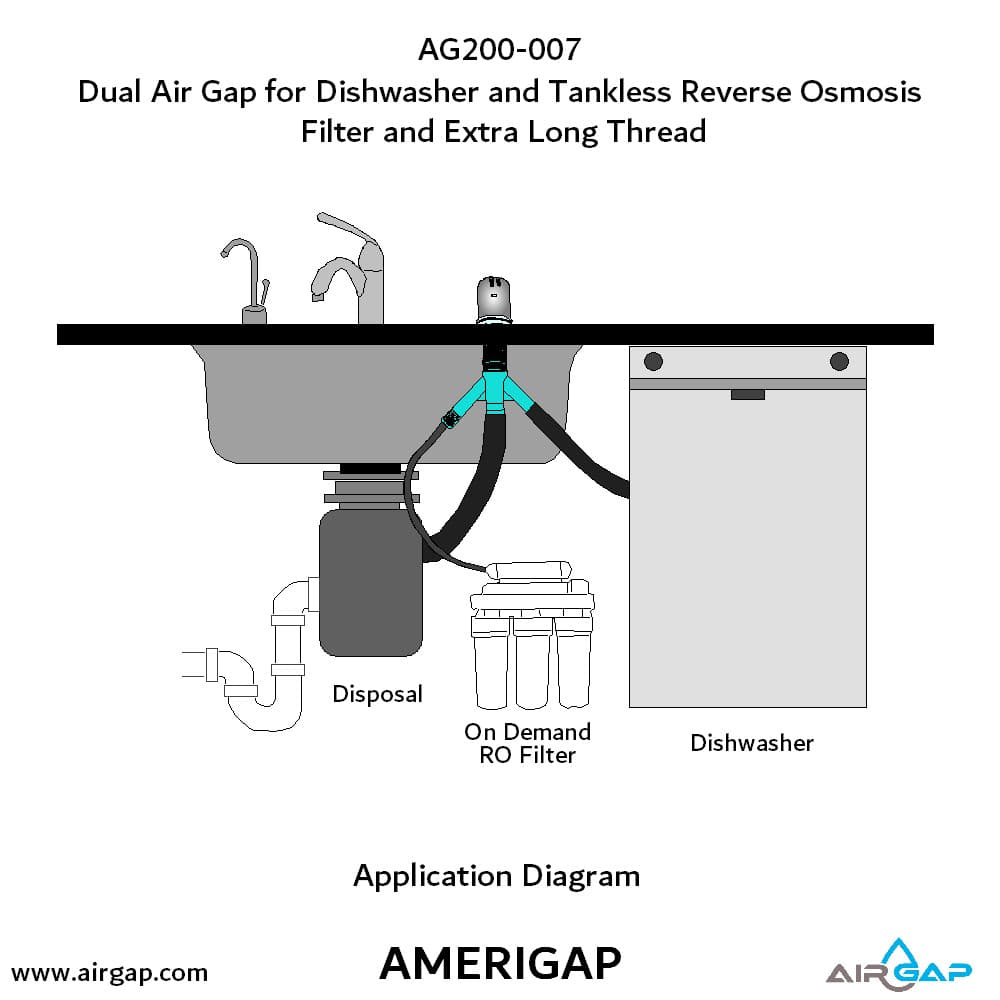
Credit: airgap.com
Maintenance Tips
Keeping your dishwasher’s air gap in good shape is key to preventing unpleasant smells and water backups. Regular maintenance helps your appliance run smoothly and avoids costly repairs. Here are some practical tips to keep that air gap clean and clear.
Cleaning The Air Gap
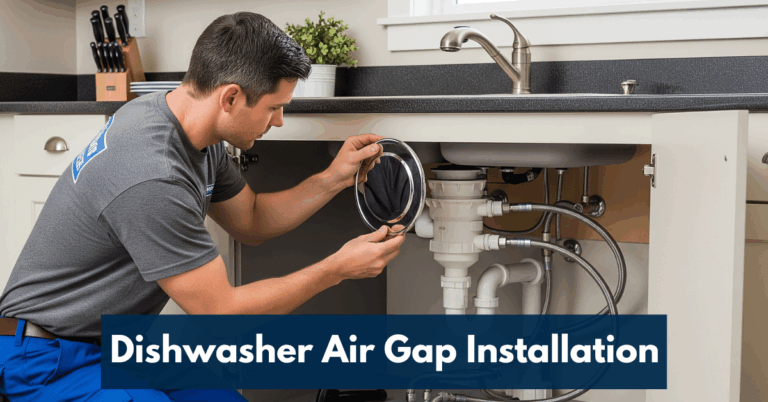
Start by removing the decorative cover on top of the air gap. It usually just pulls off or unscrews easily. Once exposed, you can see if any debris or buildup is blocking the opening.
Use a small brush or a toothpick to gently clear out any dirt or food particles. Running water through the air gap while you clean helps flush out loosened debris. You might be surprised how much grime can accumulate over time without you noticing.
After cleaning, replace the cover securely. Try to make this a monthly habit—keeping the air gap clean can prevent backups before they start. Have you checked your air gap recently?
Troubleshooting Blockages
If you notice your dishwasher isn’t draining properly or water is pooling in the sink, the air gap might be clogged. Start by inspecting the hoses connected to the air gap for kinks or blockages.
Sometimes food scraps or soap scum get stuck in the hose or inside the air gap itself. Detach the hoses carefully and flush them with water to clear any blockages. Don’t forget to check the hose leading to your garbage disposal or sink drain as well.
If water still won’t drain, a deeper clog might be in your plumbing system. At this point, calling a professional plumber can save you time and frustration. Have you ever had to troubleshoot a stubborn air gap clog? What worked best for you?
Cost And Diy Considerations
Understanding the cost and DIY considerations for installing an air gap on your dishwasher can save you time and money. This small device helps prevent dirty water from flowing back into your clean dishes, but deciding whether to install it yourself or hire a professional depends on several factors. Let’s break down what you need to know about installation expenses and when it might be best to call in an expert.
Installation Expenses
The cost of adding an air gap varies depending on the type and quality of the device you choose. Basic air gaps typically cost between $20 and $50, while more decorative or higher-end models can reach up to $100.
Beyond the device itself, you may need additional plumbing parts like hoses or fittings, which can add another $10 to $30to your total. If you already have the necessary tools and plumbing experience, you can keep expenses low by doing it yourself.
However, if your sink or dishwasher setup requires modifications, expect the cost to increase due to extra parts or complexity. Have you checked if your local plumbing codes require an air gap? This might influence the type you need and the installation cost.
When To Hire A Professional
Installing an air gap might seem straightforward, but not all dishwasher setups are the same. If you’re unfamiliar with plumbing or your dishwasher’s drain lines are hard to access, professional help can prevent costly mistakes.
Calling a plumber can cost between $100 and $300depending on your location and the job’s complexity. This fee covers labor, ensuring the air gap is installed safely and up to code.
If you notice leaks, unusual odors, or your dishwasher isn’t draining properly after installation, these are signs a professional should check your work. Would you rather spend a few extra dollars now or risk damaging your kitchen down the line?

Credit: www.youtube.com
Credit: callwhitney.com
Frequently Asked Questions
What Is The Purpose Of A Dishwasher Air Gap?
A dishwasher air gap prevents dirty water from flowing back into the dishwasher. It creates a physical barrier to stop contamination. This helps keep your dishes clean and your plumbing safe from backflow issues.
Is An Air Gap Mandatory For Dishwashers?
Air gap requirements vary by local plumbing codes. Some areas mandate air gaps to prevent contamination. Check your local regulations to see if an air gap is required for your dishwasher installation.
Can A Dishwasher Work Without An Air Gap?
Yes, a dishwasher can work without an air gap. However, without it, there’s a risk of dirty water backflow. This may lead to contamination and plumbing problems over time.
How Do I Install A Dishwasher Air Gap?
Install the air gap on the sink or countertop near the dishwasher. Connect one hose from the dishwasher to the air gap and another to the drain. Follow manufacturer instructions and local plumbing codes for proper installation.
Conclusion
A dishwasher air gap helps keep dirty water from flowing back. It protects your clean dishes and your home’s plumbing. Many local rules require installing an air gap. Without it, you risk clogs and contamination. Installing one is simple and affordable.
It adds safety and peace of mind to your kitchen. Think about your dishwasher’s setup and local codes. An air gap could be the small part that makes a big difference. Keep your dishwasher working well and your home safe.