
Have you ever stood in front of your pantry, almond butter in hand, wondering if it belongs in the fridge? You’re not alone.
This creamy, nutty spread has become a staple in many kitchens, but its storage can leave you scratching your head. You might be concerned about keeping it fresh, maintaining its delicious flavor, or even preventing that pesky oil separation. Understanding whether almond butter needs to be refrigerated can save you from potential kitchen mishaps and ensure you enjoy every scoop.
Stick around to uncover the truth and find out exactly how to keep your almond butter at its best.
Almond Butter Types
Understanding the different types of almond butter helps you decide if refrigeration is necessary. Almond butter comes in various forms, each with unique characteristics that affect storage and taste. Let’s look closely at the main types so you can choose what fits your lifestyle and kitchen habits.
Natural Vs. Processed
Natural almond butter contains just almonds, sometimes with a pinch of salt. It separates naturally, with oil rising to the top, so you need to stir it before use. Because it lacks preservatives, natural almond butter often benefits from refrigeration to keep it fresh longer.
Processed almond butter usually has added ingredients like sugar, oils, and stabilizers. These extras prevent oil separation and extend shelf life at room temperature. If you prefer convenience and a smoother texture without stirring, processed almond butter might be your go-to.
Crunchy Vs. Smooth
Crunchy almond butter includes small pieces of almonds for a textured bite. This type can sometimes spoil faster due to more surface area exposed to air. Storing crunchy almond butter in the fridge can help maintain its crispness and prevent it from going rancid.
Smooth almond butter is ground until creamy and consistent. Its uniform texture often makes it less prone to quick spoilage. However, if it’s natural and oil separates, refrigeration still helps preserve its flavor and quality.

Credit: asmitaorganicfarm.com
Shelf Stability Factors
Almond butter’s shelf life depends on several key factors. These influence how long it stays fresh and whether refrigeration is necessary. Understanding these elements helps store almond butter properly. This keeps the flavor and texture intact for longer periods.
Oil Separation
Oil naturally separates from almond butter over time. This is normal and does not mean spoilage. The oil rises to the top and can be stirred back in. Separation affects texture but not safety. Proper stirring and storage slow down separation.
Preservatives Impact
Some almond butters contain preservatives to extend shelf life. These additives slow down spoilage and prevent mold growth. Natural almond butter often lacks preservatives, making it less shelf stable. Check labels to see if preservatives are included.
Packaging Influence
Packaging plays a big role in shelf stability. Airtight containers reduce exposure to air and moisture. Dark jars protect almond butter from light damage. Resealable packaging helps maintain freshness after opening. Proper packaging lowers the risk of spoilage.
Refrigeration Benefits
Refrigerating almond butter offers clear benefits that help keep it fresh and tasty. Storing it in a cool place slows down changes that can spoil its quality. The fridge protects the almond butter from heat, light, and air. These factors can cause the oil in almond butter to go bad faster. Keeping almond butter in the refrigerator helps maintain its best flavor and texture for longer periods.
Extending Freshness
Refrigeration slows the natural spoilage process. It keeps the almond butter fresh beyond its typical shelf life. Cooler temperatures reduce the growth of bacteria and mold. This means the almond butter stays safe to eat for months. You get to enjoy its nutty flavor longer without waste.
Preventing Rancidity
Almond butter contains natural oils that can turn rancid over time. Rancidity causes an unpleasant smell and taste. The cold environment of a fridge helps prevent these oils from breaking down. This stops the almond butter from developing a sour or bitter flavor. Refrigeration keeps the product tasting fresh and clean.
Maintaining Texture
Temperature changes affect almond butter’s texture. Warm conditions cause oil separation and make it runny. Refrigeration keeps the oils solid and mixed well. The almond butter remains thick and creamy. This makes it easier to spread on toast or mix into recipes.
When Refrigeration Is Unnecessary
Almond butter does not always need refrigeration. Understanding when it can stay at room temperature helps keep it fresh and tasty. Certain types and storage habits make refrigeration unnecessary.
Commercial Almond Butter
Most commercial almond butters have added oils and preservatives. These ingredients help prevent spoilage without cold storage. Factory sealing also blocks air, keeping the almond butter fresh. Such products can safely stay in the pantry for weeks.
Short-term Storage
For short periods, almond butter stays fine outside the fridge. If you plan to use it within a month, room temperature is okay. Make sure the jar is sealed tightly. Keep it in a cool, dark place away from heat sources.
Usage Frequency
Daily users often keep almond butter unrefrigerated for convenience. Frequent opening means the butter is used quickly, reducing spoilage risk. If you eat it fast, refrigeration may not be needed. Just watch for changes in smell or texture as a sign to refrigerate.
Proper Storage Practices
Proper storage practices are key to keeping almond butter fresh and tasty. Storing it right helps prevent spoilage and maintains its creamy texture. Simple steps make a big difference in preserving quality and flavor.
Sealing And Containers
Always keep almond butter in a tightly sealed container. Air exposure causes it to dry out and go rancid faster. Use the original jar or transfer it to an airtight glass container. Avoid containers that let air or moisture in.
Avoiding Moisture
Moisture invites mold and spoils the butter quickly. Use a dry spoon when scooping almond butter. Never dip wet utensils inside the jar. Store the jar in a dry place to keep moisture away.
Temperature Recommendations
Almond butter stays fresh longer when kept cool. Store unopened jars in a pantry or cupboard at room temperature. After opening, refrigeration slows oil separation and spoilage. If you prefer softer butter, keep it at room temperature but use it within a few weeks.

Credit: thesimplerkitchen.com
Signs Of Spoiled Almond Butter
Knowing the signs of spoiled almond butter can save you from an unpleasant taste and potential health risks. Almond butter doesn’t spoil instantly, but it does change over time, especially if not stored correctly. Being able to spot these changes early helps you decide if it’s still safe to eat.
Smell Changes
Fresh almond butter has a mild, nutty aroma that’s inviting and natural. If you notice a sour, rancid, or off-putting smell, it’s a clear sign the almond butter has gone bad. Trust your nose—if it smells strange or unpleasant, don’t risk tasting it.
Texture Differences
Almond butter should be smooth or slightly grainy, depending on the brand and type. When it spoils, the texture can become excessively oily, dry, or even gritty in an unusual way. If you see mold or notice separation that doesn’t mix back smoothly after stirring, it’s best to discard it.
Taste Alterations
Taking a small taste can confirm spoilage if the almond butter has a bitter, sour, or otherwise off flavor. Fresh almond butter tastes rich and creamy with a natural nutty sweetness. If the taste makes you hesitate, it’s safer to throw it out and get a fresh jar.
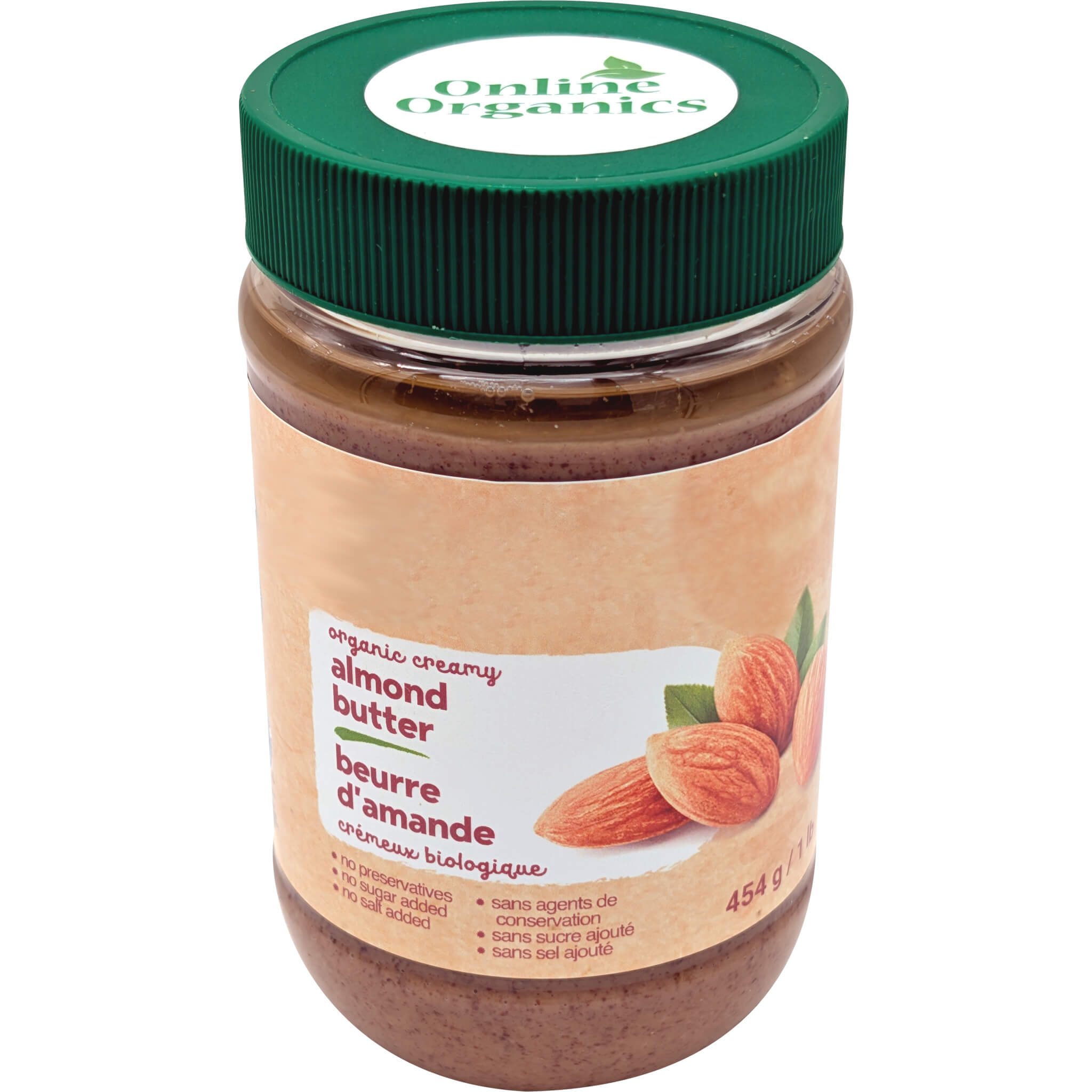
Credit: onlineorganics.ca
Frequently Asked Questions
Does Almond Butter Need Refrigeration After Opening?
Yes, refrigerating almond butter after opening helps maintain freshness. It prevents oil separation and slows down spoilage from heat and air exposure.
Can Almond Butter Be Stored At Room Temperature?
Unopened almond butter can be stored at room temperature. Once opened, refrigeration is recommended to preserve flavor and prevent rancidity.
How Long Does Almond Butter Last Without Refrigeration?
Without refrigeration, opened almond butter lasts about 1-2 weeks. Heat and air cause faster spoilage, so refrigeration extends its shelf life.
Will Almond Butter Harden In The Fridge?
Yes, almond butter may thicken and harden when refrigerated. Let it sit at room temperature briefly to soften before use.
Conclusion
Almond butter lasts longer when kept in the fridge. It stays fresh and tastes better. Room temperature storage is okay for short time. Watch for oil separation or bad smell. Stir well before use if oil separates. Refrigeration slows down spoilage and keeps nutrients.
Choose storage based on how fast you finish it. Simple care helps enjoy almond butter safely. Keep it cool for the best flavor and quality.