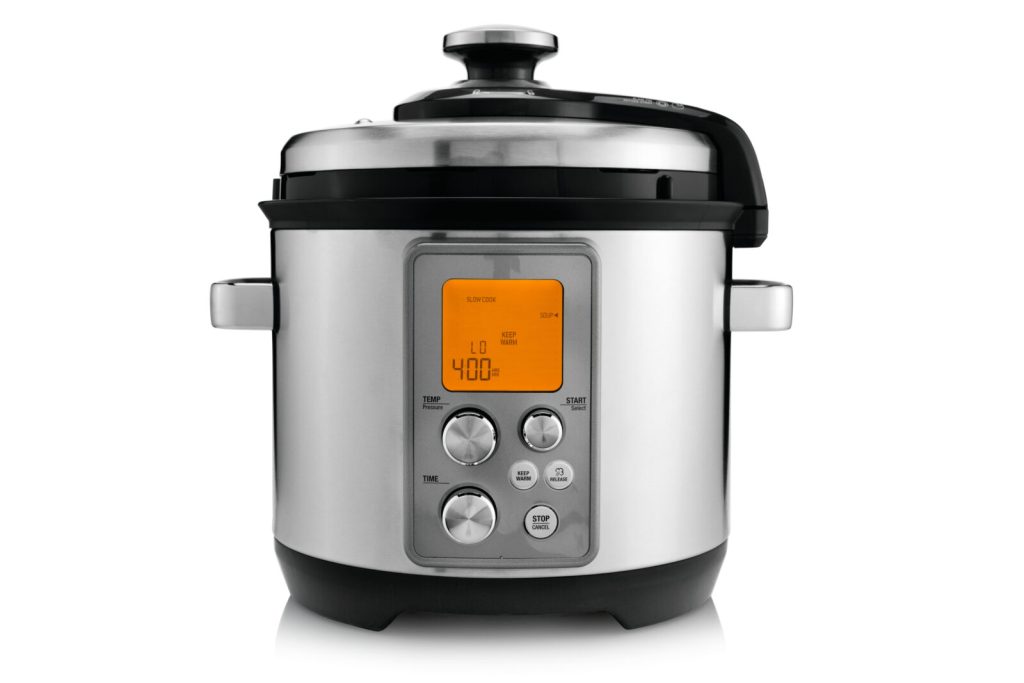
A pressure cooker uses pressure to cook your food faster and lock in flavors like never before. Imagine saving time in the kitchen while making meals that taste rich and delicious.
You might wonder how this simple device can do so much. By understanding how a pressure cooker works, you can transform your cooking routine and enjoy tasty dishes with less effort. Keep reading to discover the magic behind pressure cooking and how it can benefit your everyday meals.
How Pressure Cooking Works
A pressure cooker uses steam and pressure to cook food faster than regular methods. It traps steam inside a sealed pot, raising the pressure.
This higher pressure increases the boiling point of water, making food cook quickly and evenly.
Role Of Steam And Pressure
Steam builds up inside the cooker as water heats up. This trapped steam creates pressure, which pushes down on the food.
- Steam heats food from all sides
- Pressure raises boiling temperature above 100°C (212°F)
- Higher temperature cooks food faster
- Sealed environment keeps moisture inside
Temperature And Cooking Speed
Under pressure, water boils at a higher temperature than normal. This means food cooks faster than boiling or steaming alone.
| Pressure Level | Boiling Point of Water | Effect on Cooking |
| 1 atmosphere (normal) | 100°C (212°F) | Standard boiling and cooking times |
| 15 psi above atmospheric | 121°C (250°F) | Reduces cooking time by up to 70% |

Credit: m.youtube.com
Benefits Of Using A Pressure Cooker
A pressure cooker uses high pressure to cook food quickly. It traps steam inside, raising the boiling point of water.
This method saves time and energy while keeping food tasty and nutritious.
Time Efficiency
Pressure cookers reduce cooking time by up to 70%. They cook food faster than traditional methods.
This speed helps prepare meals quickly on busy days.
Energy Savings
Pressure cooking uses less energy because it cooks food faster. It keeps heat and steam inside.
| Cooking Method | Energy Used (kWh) | Cooking Time (minutes) |
|---|---|---|
| Pressure Cooker | 0.3 | 15 |
| Stovetop Boiling | 0.6 | 40 |
| Oven Cooking | 1.2 | 60 |
Nutrient Retention
Pressure cookers keep more vitamins and minerals in food. Less water and shorter cook time reduce nutrient loss.
- Vitamins like C and B stay intact
- Minerals remain in the food
- Better for vegetables and beans
Enhanced Flavor
Pressure cooking locks in flavors and aromas. The steam pressure helps ingredients blend well.
Try using a pressure cooker for soups, stews, and meats to enjoy richer taste in less time.
Safety Features In Modern Pressure Cookers
Modern pressure cookers have many safety features. These features stop accidents and keep users safe.
Understanding these safety parts helps you use your cooker with confidence and care.
Pressure Release Valves
Pressure release valves let out steam when pressure gets too high. This stops the cooker from exploding.
- They open automatically at set pressure levels.
- They help keep the cooking pressure steady.
- They also let you release pressure safely after cooking.
Locking Mechanisms
Locking mechanisms stop the lid from opening while inside pressure is high. This prevents burns and spills.
| Type of Lock | Function |
| Mechanical Lock | Lid locks firmly until pressure lowers |
| Pressure Lock | Prevents lid from opening under pressure |
| Safety Lock Indicator | Shows when it is safe to open the cooker |
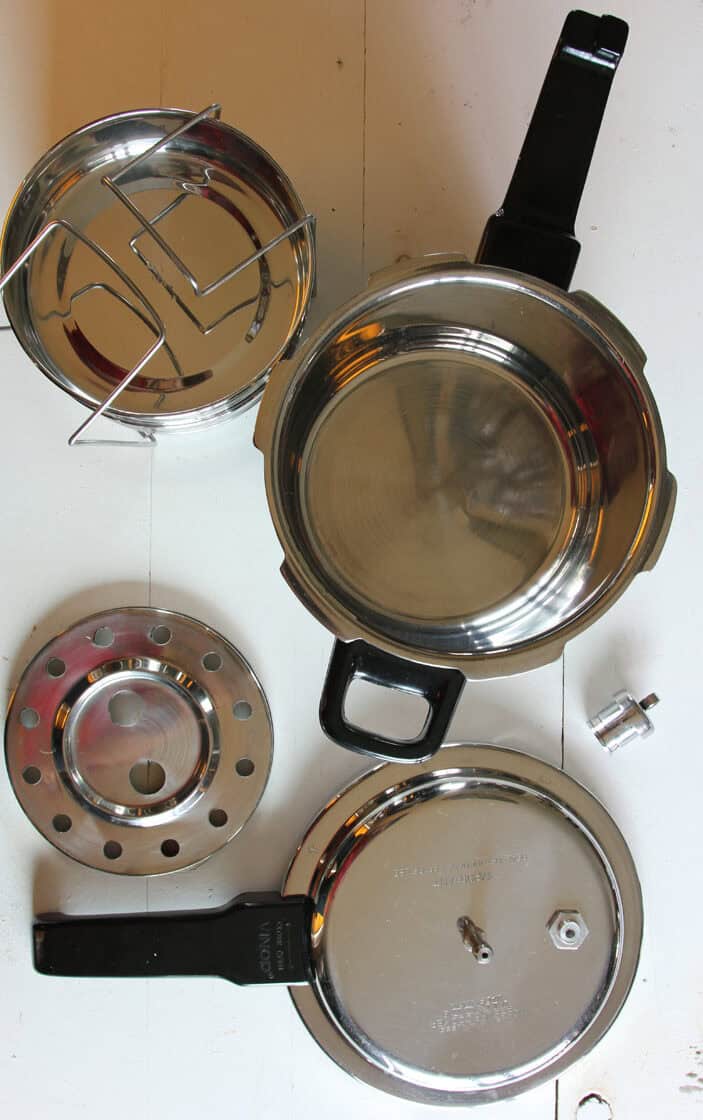
Overpressure Protection
Overpressure protection stops pressure from going beyond safe levels. It acts as a backup if valves fail.
Common overpressure features include:
- Secondary safety valves
- Pressure sensitive plugs that release steam
- Automatic shutdown in electric models
Credit: www.butteredveg.com
Types Of Pressure Cookers
A pressure cooker uses pressure to cook food faster. It traps steam inside, raising the temperature.
There are two main types of pressure cookers. Each type has its own features and uses.
Stovetop Models
Stovetop pressure cookers sit on the stove. They use the stove’s heat to build pressure inside.
These models heat quickly and reach higher pressures. They cook food faster than electric ones.
- Made of metal, usually stainless steel or aluminum
- Require manual heat control
- Pressure released by a valve or quick release
- Durable and often less expensive
Electric Pressure Cookers
Electric pressure cookers plug into a power outlet. They have built-in heating elements to cook food.
These cookers have digital controls for temperature and time. They can keep food warm after cooking.
- Easy to use with preset cooking programs
- Automatic pressure and temperature control
- Often include slow cooking and other functions
- Safer for beginners due to built-in safety features
Tips For Safe And Effective Pressure Cooking
Pressure cooking uses steam pressure to cook food quickly. It saves time and energy while keeping flavors and nutrients.
Knowing how to use a pressure cooker safely helps avoid accidents and get the best results every time.
Choosing The Right Cooker
Pick a pressure cooker that fits your needs. Size and material matter for safety and cooking quality.
- Choose stainless steel for durability and easy cleaning
- Pick the right size based on your family or meal portions
- Look for safety features like locking lids and pressure indicators
- Check if the cooker suits your stove type, such as gas or induction
Proper Sealing And Maintenance
Good sealing keeps the pressure inside the cooker. Inspect and clean parts often to avoid leaks.
| Part | Maintenance Tip |
| Rubber Gasket | Check for cracks and replace yearly |
| Pressure Valve | Clean regularly to remove food bits |
| Lid | Wipe clean and ensure it locks tightly |
| Body | Wash and dry after each use |
Cooking Time Guidelines
Follow recommended cooking times to avoid undercooked or overcooked meals. Adjust for altitude and food type.
- Fill the cooker with enough liquid for steam
- Set the pressure level as per recipe instructions
- Start timing when the cooker reaches full pressure
- Release pressure safely using the method suggested
- Open the lid only after all pressure is released

Credit: instantpot.co.nz
Common Myths About Pressure Cooking
Pressure cooking is a popular method for fast meal preparation. Still, some myths make people avoid using pressure cookers.
These myths are not always true. Let’s look at some common ones and see the facts.
Pressure Cookers Are Dangerous
Many think pressure cookers can explode and cause harm. Modern models have safety features that prevent accidents. Users should follow instructions carefully.
- Pressure cookers have locking lids to avoid opening under pressure.
- They include safety valves that release extra steam safely.
- Materials used are strong and tested for pressure resistance.
- Proper maintenance keeps them safe for long-term use.
Food Loses Nutrients
Some believe pressure cooking removes vitamins and minerals. Actually, it can help keep nutrients better than other methods. Cooking faster means less nutrient loss.
| Cooking Method | Time | Nutrient Loss |
| Boiling | 20-30 minutes | High |
| Steaming | 10-15 minutes | Medium |
| Pressure Cooking | 5-10 minutes | Low |
Only For Certain Recipes
People say pressure cookers work only for soups or stews. Actually, you can cook many foods with them. From grains to vegetables, they handle a wide range.
- Beans and legumes cook quickly.
- Rice and grains become fluffy fast.
- Vegetables keep their color and texture.
- Meats turn tender in less time.
- Even desserts like puddings can be made.
Frequently Asked Questions
How Does A Pressure Cooker Work?
A pressure cooker works by trapping steam inside a sealed pot. This increases the pressure and raises the boiling point of water. As a result, food cooks faster and more evenly. The higher pressure also helps to retain nutrients and flavors, making meals both healthy and delicious.
What Are The Benefits Of Using A Pressure Cooker?
Using a pressure cooker saves time and energy. It cooks food up to 70% faster than conventional methods. This method retains more vitamins and minerals, enhancing nutritional value. The sealed environment also locks in flavors, making dishes more savory and satisfying.
Is Pressure Cooking Safe?
Yes, modern pressure cookers are designed with safety features. These include locking lids and pressure-release valves. They prevent accidents by ensuring the pressure is controlled. Always follow the manufacturer’s instructions for added safety. Regular maintenance checks also help in keeping the cooker safe to use.
Can A Pressure Cooker Be Used For All Foods?
A pressure cooker is versatile and can cook a variety of foods. It’s ideal for beans, stews, soups, and meats. However, delicate foods like pasta and certain vegetables may not fare well. They can overcook quickly, so it’s best to adjust cooking times accordingly.
Conclusion
A pressure cooker uses pressure to cook food faster and save energy. It traps steam inside, raising the temperature and softening food quickly. This method keeps flavors and nutrients locked in. It also reduces cooking time, helping you prepare meals faster.
Using a pressure cooker makes cooking easier and more efficient. It’s a handy tool for busy kitchens. Understanding how it works helps you use it safely and effectively. Try it to enjoy hot, tasty meals with less effort. Simple, fast, and practical.