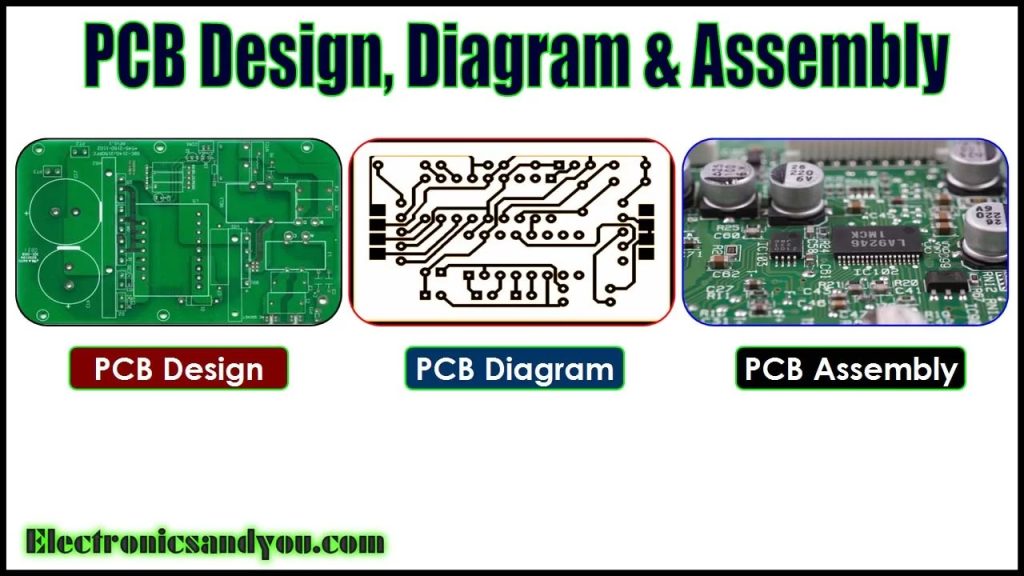
Are you working on a project that needs a perfectly cut PCB circuit board? Knowing how to cut your PCB correctly can save you time, money, and frustration.
Whether you’re a hobbyist or a professional, getting clean, precise cuts is essential for your board’s performance and appearance. In this guide, you’ll learn simple, effective methods to cut your PCB safely and accurately. Keep reading, and you’ll discover tips that will make your next PCB cutting task easier than ever.
Tools Needed
Cutting a PCB circuit board requires the right tools. The right tools help you make clean and accurate cuts.
Using the correct safety gear protects you from injuries. Let’s look at the tools and safety equipment needed.
Essential Cutting Tools
You need tools that can cut through the board without cracking it. Here are the most common tools used.
- PCB Cutter or Shears: Special scissors made for cutting circuit boards.
- Rotary Tool: A small power tool with a cutting wheel for precise cuts.
- Hacksaw: A fine-toothed saw for thicker or larger boards.
- Glass Cutter: Sometimes used for scoring and snapping thin boards.
- Cutting Mat: A surface to protect your workbench and keep the board steady.
Safety Equipment
Safety gear keeps you safe from sharp edges and flying debris. Always wear protection when cutting PCB boards.
- Safety Glasses: Protect your eyes from small chips and dust.
- Gloves: Prevent cuts from sharp board edges.
- Dust Mask: Stops you from breathing in fine particles.
- Long Sleeves: Protect your arms from scratches.
- Proper Lighting: Helps you see the cutting line clearly.
Credit: topfastpcba.com
Preparing The Pcb
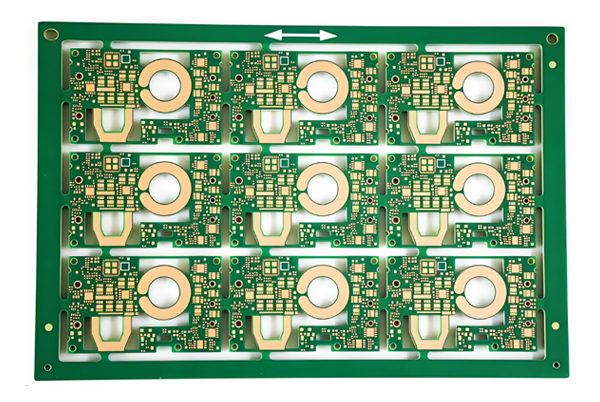
Preparing a PCB before cutting is important to get a clean and accurate result. Careful preparation helps avoid damage to the circuit board.
This guide covers marking the cut line and cleaning the board. Follow these steps for a smooth cutting process.
Marking The Cut Line
Mark the exact place where you want to cut the PCB. Use a fine-tip permanent marker or a scribe tool for precise lines.
- Find the measurement points on the PCB.
- Draw a straight line along the cut area.
- Check the line twice to avoid mistakes.
- Use a ruler to keep the line straight.
- Mark both sides of the board if needed.
Cleaning The Board
Cleaning the PCB removes dirt and grease. This helps the cutting tool work better and prevents slipping.
| Cleaning Material | Purpose |
| Isopropyl Alcohol | Removes grease and oils |
| Lint-Free Cloth | Prevents scratches |
| Soft Brush | Clears dust from surface |
| Compressed Air | Blows away loose particles |
Cutting Techniques
Cutting a PCB circuit board is a key step in making custom electronic projects. Proper cutting helps keep the board clean and functional.
Different tools and methods work for cutting PCBs. Each method has its own use and level of precision.
Using A Pcb Cutter
A PCB cutter is a hand tool designed to cut circuit boards easily. It looks like strong scissors but made for hard materials.
Hold the PCB firmly and place the cutter at the edge. Press the handles to make a clean cut across the board.
- Use steady pressure to avoid breaking the board
- Cut slowly for a straight line
- Wear safety glasses to protect your eyes
Scoring And Breaking Method
This method uses a sharp blade to score a line on the PCB surface. Scoring weakens the board along the line.
After scoring, place the PCB on a flat edge and press down to break it cleanly along the scored line.
- Use a ruler to guide the blade for a straight score
- Score the board several times for a deep line
- Break the board gently to avoid cracks
Using A Rotary Tool
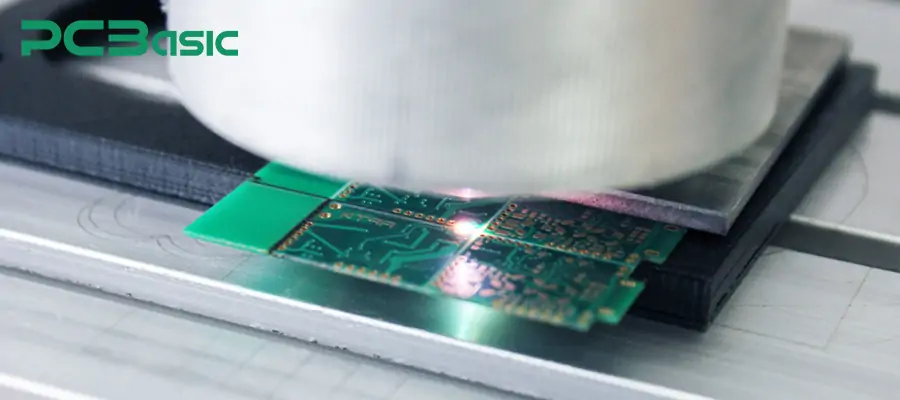
A rotary tool with a cutting disc can cut PCBs with precision. It works like a small saw that spins fast.
Mark the cut line, then carefully guide the rotary tool along the mark. Keep the tool steady for a clean edge.
- Wear a mask to avoid dust inhalation
- Use slow to medium speed settings
- Keep hands steady and move slowly
Smoothing The Edges
Cutting a PCB circuit board often leaves rough edges. These edges can cause short circuits or damage.
Smoothing the edges improves safety and makes the board fit better in its case or holder.
Sanding Tips
Sanding removes sharp edges and smooths rough surfaces on the PCB. Use fine-grit sandpaper for best results.
Move the sandpaper gently along the board edges. Avoid sanding too hard to prevent damage.
- Use 220 to 400 grit sandpaper for light smoothing
- Sand in one direction to keep edges even
- Clean the board after sanding to remove dust
- Wear a mask to avoid inhaling dust particles
Deburring Methods
Deburring removes small burrs and rough spots after cutting. It makes the edges safer and cleaner.
Use tools like a deburring blade or a small file to carefully remove burrs along the cut lines.
- Use a deburring tool for curved or angled edges
- Files work well for straight edges and corners
- Check edges frequently during deburring to avoid overworking
- Wear safety glasses to protect your eyes from small chips
Testing The Cut Board
After cutting a PCB circuit board, testing it is essential. This ensures the board works properly and has no hidden damage. Testing helps catch problems before assembly.
Two main checks are needed: inspecting for physical damage and verifying electrical continuity. Both steps protect your circuit’s function and reliability.
Inspecting For Damage
Look closely at the edges and surface of the cut PCB. Cutting tools can cause cracks, scratches, or broken traces that stop the board from working.
- Check the cut edges for roughness or chips.
- Inspect the copper traces near the cut for breaks.
- Look for any lifted pads or components.
- Use a magnifying glass for detailed inspection.
- Note any discoloration or burn marks from cutting.
Verifying Electrical Continuity
Use a multimeter to test if the electrical paths on the board are intact. This confirms that signals can pass through the circuits without interruption.
| Test Point A | Test Point B | Expected Result | Pass/Fail |
|---|---|---|---|
| Pin 1 | Pin 2 | Continuity (Low Resistance) | |
| Ground | Power | No Continuity (High Resistance) | |
| Pad 3 | Pad 4 | Continuity (Low Resistance) |
Common Mistakes To Avoid
Cutting a PCB circuit board can be tricky. Many beginners make errors that damage the board.
Knowing what to avoid helps keep your circuit safe and working well.
Overcutting
Cutting too deep or wide can break the PCB tracks or cause short circuits. It is important to control the blade and cut only where needed.
- Use a sharp cutting tool for clean edges
- Mark the cutting line clearly before starting
- Cut slowly and steadily to avoid mistakes
- Check the board after each cut for damage
- Use a ruler or guide to keep cuts straight
Ignoring Safety Precautions
Not wearing safety gear or working in a poor environment can cause injuries or damage the PCB.
| Safety Precaution | Reason |
| Wear safety glasses | Protect eyes from flying debris |
| Use gloves | Prevent cuts and burns |
| Work in a well-lit area | See lines clearly and avoid mistakes |
| Keep workspace clean | Avoid slipping or losing small parts |
| Turn off power | Prevent electric shocks when cutting |
Maintaining Your Tools
Keeping your PCB cutting tools in good shape helps you work better. Proper care keeps blades sharp and tools safe to use.
Simple maintenance steps can extend the life of your tools and improve your cutting results.
Cleaning After Use
After cutting your PCB circuit board, clean your tools to remove dust and debris. This stops rust and damage.
- Wipe blades with a dry cloth
- Use a brush to clear small particles
- Apply a light oil coat to metal parts
- Store tools in a dry, safe place
Sharpening Blades
Dull blades make cutting harder and can ruin your PCB boards. Sharpen blades often to keep them precise.
| Sharpening Method | Tools Needed | Frequency |
| Manual sharpening | Whetstone or sharpening file | Every 5-10 uses |
| Electric sharpening | Electric sharpener | Every 10-15 uses |
| Professional service | Specialized sharpening | Once a year or as needed |

Credit: www.wellpcb.com
Credit: www.pcbasic.com
Frequently Asked Questions
How Do You Safely Cut A Pcb Board?
To safely cut a PCB board, use a sharp utility knife or a PCB cutter. Always wear safety goggles and gloves. Score the board along the cutting line, then snap it carefully. Ensure your workspace is clean to avoid damage.
Follow manufacturer guidelines for specific materials.
What Tools Are Needed To Cut Pcb?
To cut a PCB, you’ll need a utility knife, PCB cutter, or a dremel tool. Safety gear like goggles and gloves are essential. A ruler and marker can help mark cutting lines. For precision, consider using a bench vise to stabilize the board.
Can A Dremel Cut A Pcb?
Yes, a dremel can cut a PCB efficiently. Use a cutting wheel attachment for best results. Ensure to wear protective gear like goggles and gloves. Mark the cutting lines before starting. A steady hand and controlled speed will yield a clean cut.
How To Avoid Damaging Pcb During Cutting?
To avoid damage, ensure accurate measurements and use sharp tools. Stabilize the board with a bench vise. Cut slowly and steadily along marked lines. Avoid applying excessive pressure. Cleaning the workspace prevents debris from causing scratches or damage.
Conclusion
Cutting a PCB circuit board requires care and the right tools. Always measure twice before making any cuts. Use a sharp blade or a proper cutting tool for clean edges. Take your time to avoid damaging the board or components.
Keep safety in mind by wearing gloves and eye protection. Practice on scrap boards if you are new. With patience and simple steps, you can cut PCBs effectively and safely. This skill helps create better electronic projects at home or work.