Have you ever wondered how your air conditioner cools the room on a hot day? The secret lies in a crucial part called the evaporator.
Understanding what an evaporator is and how it works can help you appreciate your AC’s magic and even spot problems before they get serious. You’ll discover exactly what an evaporator does, why it matters for your comfort, and how it keeps the air in your home fresh and cool.
Keep reading, and you’ll never look at your air conditioner the same way again!
Credit: www.logan-inc.com
Role Of The Evaporator
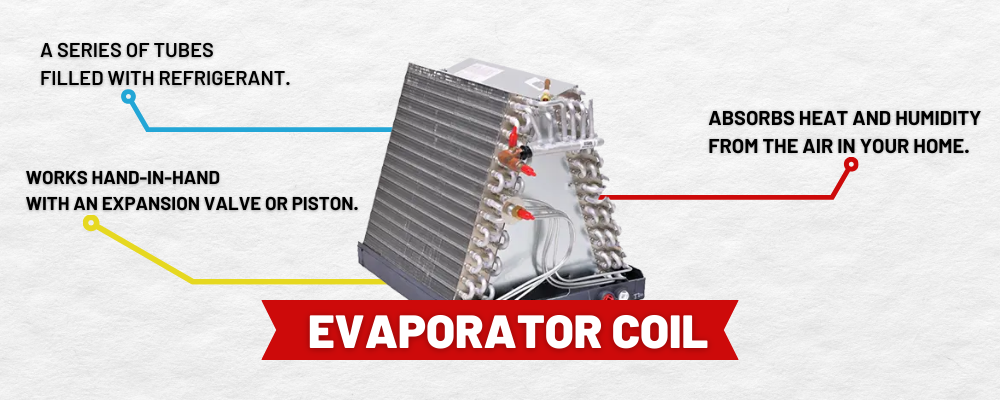
The evaporatoris a key part of an air conditioner. It cools the air by absorbing heatfrom inside the room. The evaporator is inside the indoor unit.
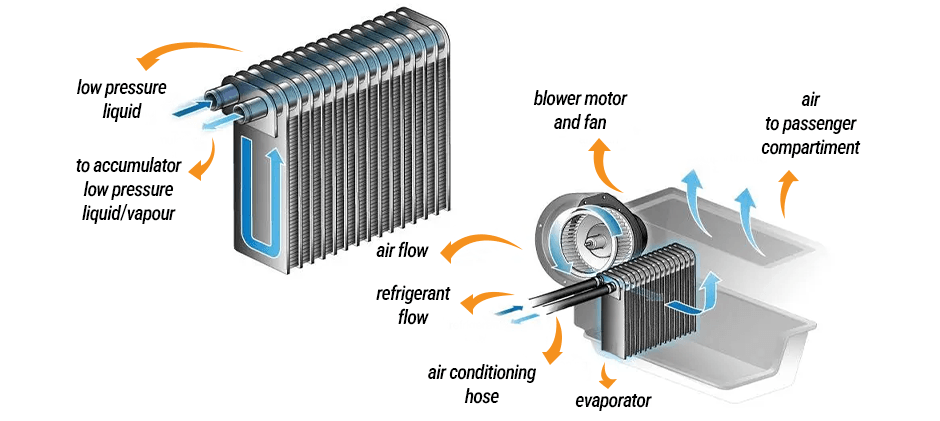
Cool liquid refrigerant flows through the evaporator coils. As warm air from the room passes over these coils, the refrigerant absorbs the heat. This process turns the liquid refrigerant into a gas.
The air loses heat and becomes cooler. The cooled airthen circulates back into the room, making it more comfortable.
The heat absorbed by the refrigerant moves outside. This keeps the room fresh and cool.

Credit: medium.com
Evaporator Components
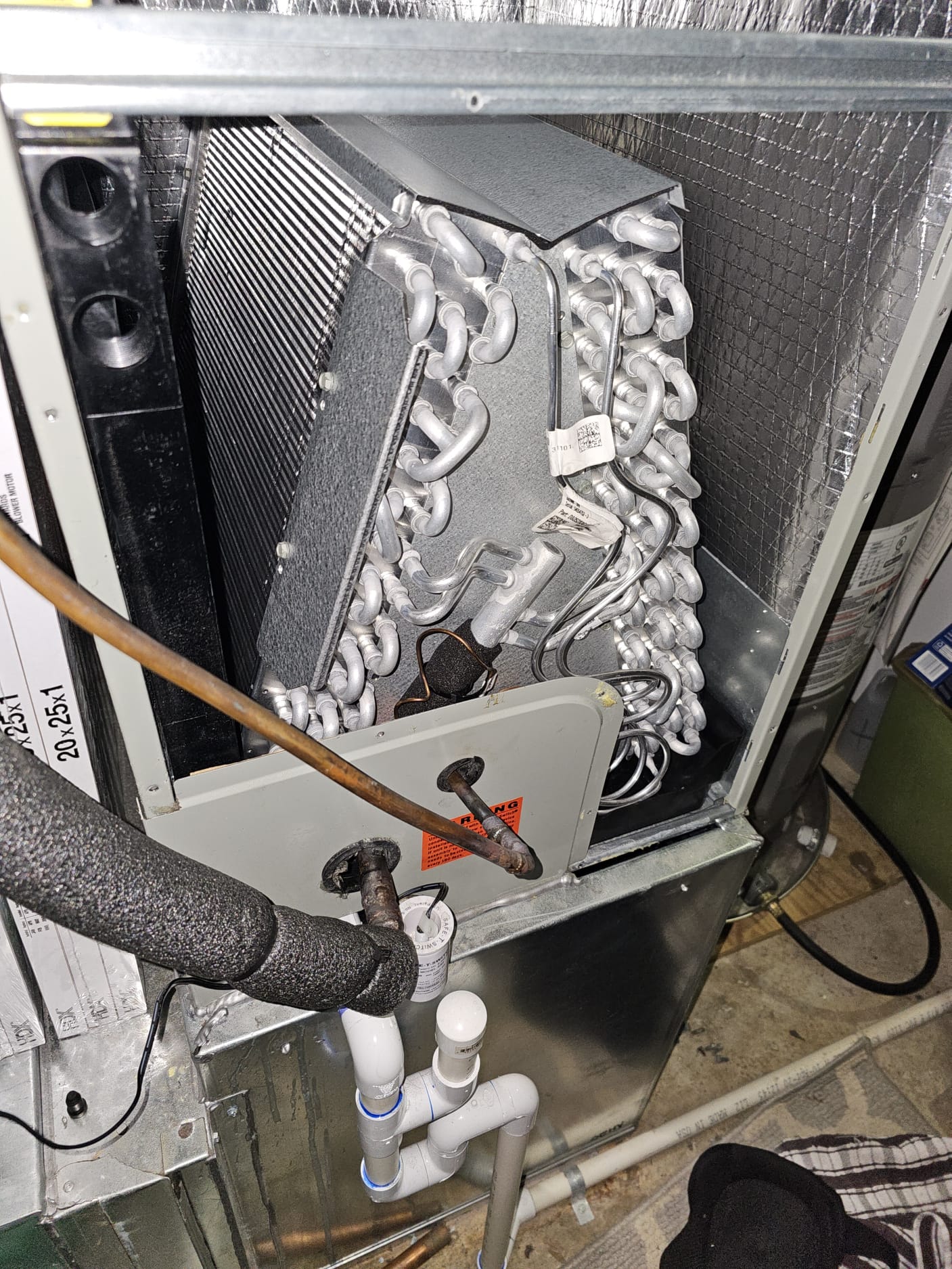
The coilsin the evaporator are thin tubes that hold cold refrigerant. They absorb heat from the air inside the room. The finsare metal plates attached to the coils. These fins help spread the cold air faster and better. Together, coils and fins make the air cooler and more comfortable.
The expansion valve connectionlinks the evaporator to the rest of the air conditioner system. It controls how much refrigerant flows into the evaporator. This helps keep the temperature just right. Too much or too little refrigerant can cause problems. The valve keeps the system working smoothly and efficiently.
How The Evaporator Works
The refrigerantflows through the evaporator coil as a cold liquid. It absorbs heat from the warm air passing over the coil. This heat makes the refrigerant evaporate into a gas.
The evaporator cools the air by removing its heat and moisture. This process helps to lower the room temperature and reduce humidity.
- Warm air is pulled into the air conditioner by a fan.
- The air passes over the cold evaporator coil.
- Heat from the air transfers to the refrigerant.
- The cooled air is blown back into the room.
Types Of Evaporators
Plate evaporatorshave flat plates that help cool the air. They are compact and easy to clean. The plates allow good heat transfer, which makes cooling faster. These evaporators are often used in small to medium air conditioners. They save space and work quietly.
Coil evaporatorsuse long coils made of copper or aluminum. The coils carry refrigerant that absorbs heat from the air. This type is common in most air conditioners. It cools air efficiently and is easy to maintain. Coil evaporators can come in different shapes, like spiral or serpentine, to fit various units.
Common Issues With Evaporators
Frost build-uphappens when the evaporator coil gets too cold. This frost stops the coil from working well. It can cause the air conditioner to cool less. Frost may also block airflow inside the unit. This leads to higher energy use and poor cooling.
Leaks and corrosiondamage the evaporator coil. Leaks let refrigerant escape, so the cooling power drops. Corrosion weakens the coil metal and causes holes. This can lead to big repair costs or the need for a new coil. Regular checks help find leaks and corrosion early.
Maintenance Tips
Regular cleaningkeeps the evaporator free from dust and dirt. Clean the coils gently with a soft brush or cloth. Avoid using harsh chemicals that might damage the surface. Cleaning helps maintain cooling efficiencyand prevents bad odors. Check the drain pan and clear any blockages to avoid water leaks.
Professional inspectionsensure the evaporator is in good condition. Experts check for refrigerant leaks and mechanical issues. Regular inspections help catch problems early, saving money on repairs. Schedule these checks at least once a year to keep the system running smoothly.
Evaporator’s Impact On Efficiency
The evaporatorplays a key role in an air conditioner’s energy consumption. It absorbs heat from the indoor air, which helps cool the room. A clean and well-maintained evaporator coil uses less energy. Dirt or damage makes the system work harder and consume more power.
System performance depends on the evaporator’s ability to transfer heat efficiently. A good evaporator keeps the air conditioner running smoothly. It helps maintain the right temperatureand humidityinside the room. Poor performance can cause uneven cooling and higher electricity bills.
Credit: www.fridayparts.com
Frequently Asked Questions
What Is The Function Of An Evaporator In Ac?
The evaporator absorbs heat from indoor air. It allows the refrigerant to evaporate and cool the air. This process cools and dehumidifies the room efficiently.
How Does An Evaporator Work In An Air Conditioner?
The evaporator evaporates refrigerant by absorbing heat from air. Warm air passes over the evaporator coil, cooling the air. The cooled air is then circulated inside the room.
Why Is The Evaporator Important In Air Conditioning?
The evaporator is vital for heat absorption and cooling. Without it, the AC cannot remove heat from the room. It ensures effective temperature and humidity control.
Where Is The Evaporator Located In An Air Conditioner?
The evaporator is inside the indoor unit of the AC. It is usually behind the air filter and blower fan. This location allows it to cool the indoor air directly.
Conclusion
The evaporator plays a key role in cooling your air conditioner. It helps turn hot air into cool air inside your home. Without the evaporator, the air conditioner cannot work well. Knowing how it works can help you take better care of your AC.
Clean and maintain the evaporator for best performance. A well-maintained evaporator keeps your home comfortable and fresh. Understanding this part makes using your air conditioner easier. Simple steps can improve your AC’s life and efficiency.