Planning an event for 200 guests? One of the biggest questions you’ll face is: how big should your tent be?
Choosing the right tent size is more than just picking a number—it affects your guests’ comfort, the flow of the event, and even your budget. If your tent is too small, people will feel cramped and uneasy. Too big, and the space might feel empty and cold.
You’ll discover exactly how to find the perfect tent size for your 200 guests, ensuring your event feels just right from start to finish. Keep reading to make your planning stress-free and your celebration unforgettable.
Guest Space Requirements
Choosing the right tent size for 200 guests depends on how they will be arranged. Space needs change if guests sit, stand, or mix both.
Understanding the space each guest requires helps plan a comfortable event. This guide covers common seating types and the space needed.
Seated Guests
Seated guests need enough room for chairs and tables. Plan for at least 10 square feet per person for comfort.
| Seating Type | Space per Guest (sq ft) | Total Space for 200 Guests (sq ft) |
| Banquet Style (round tables) | 10 | 2,000 |
| Classroom Style (rows with tables) | 8 | 1,600 |
| Theater Style (chairs only) | 6 | 1,200 |
Standing Guests
Standing guests require less space than seated ones. Around 6 square feet per person is enough to move and mingle.
- Allows for easy movement
- Good for cocktail parties and receptions
- Requires less tent space overall
- Consider extra space for food and drink stations
Mixed Seating Options
When mixing seating and standing, calculate space based on guest activity. Allocate more space for seated guests.
| Guest Type | Space per Guest (sq ft) | Number of Guests | Total Space Needed (sq ft) |
|---|---|---|---|
| Seated | 10 | 120 | 1,200 |
| Standing | 6 | 80 | 480 |
| Total | – | 200 | 1,680 |
Tent Size Calculations
Planning an event for 200 guests requires careful tent size calculations. You need to ensure everyone has enough space to be comfortable. Let’s explore how to determine the right tent size.
Consider the number of guests, the type of event, and additional space for activities. These factors will help you decide on the tent size needed.
Square Footage Per Person
Each guest needs a certain amount of space. This ensures they can move around easily. For a seated dinner, allocate about 10-12 square feet per person. If it’s a standing event, 6-8 square feet per person is enough.
- Seated dinner: 10-12 sq ft per person
- Standing event: 6-8 sq ft per person
Adding Space For Tables And Chairs
Tables and chairs take up additional space. Round tables need more room than rectangular ones. Ensure there is enough space for guests to sit and servers to move around.
A standard 60-inch round table seats 8 people and requires about 100 square feet. A rectangular table seating 8 needs less, around 80 square feet.
Dance Floor And Stage Areas
If your event includes dancing, allocate space for a dance floor. A 15×15 foot dance floor suits about 50 guests. For a stage, consider the size of the band or speakers.
| Dance Floor Size | 15×15 feet for 50 guests |
| Stage Size | Depends on performers |
Common Tent Dimensions
Choosing the right tent size is key for your event. It ensures guests have enough space to move and sit comfortably.
We look at three common tent sizes that can fit about 200 guests. Each size works for different setups and needs.
20×40 Feet Tents
A 20×40 feet tent covers 800 square feet. It fits 200 guests only if guests stand or sit tightly. This size is good for casual gatherings with few tables.
30×50 Feet Tents
A 30×50 feet tent gives 1500 square feet of space. It fits 200 guests with tables and chairs if arranged well. This size allows room for aisles and a small dance floor.
- Seating for 200 guests with round tables
- Space for buffet or food stations
- Room for a small stage or DJ booth
- Walking space for guests
40×60 Feet Tents
A 40×60 feet tent covers 2400 square feet. It fits 200 guests comfortably with extra space. This size works well for formal events with dance floors and buffet areas.
| Feature | 20×40 Tent | 30×50 Tent | 40×60 Tent |
|---|---|---|---|
| Square Feet | 800 | 1500 | 2400 |
| Seating Style | Standing or tight seating | Tables and chairs | Tables, chairs, dance floor |
| Extra Space | Minimal | Moderate | Spacious |
| Best Use | Casual, small setup | Medium events | Formal, large events |

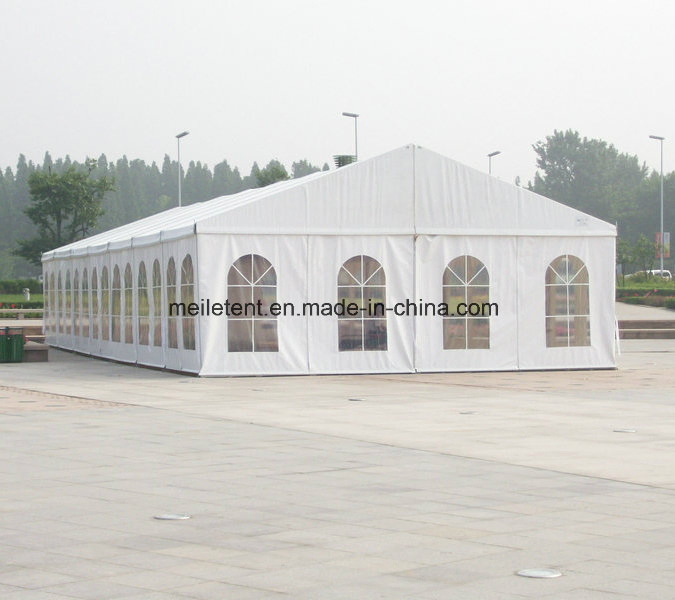
Credit: meiletent.en.made-in-china.com
Tent Layout Tips
Choosing the right tent size is important for a party with 200 guests. The layout affects comfort and movement inside the tent.
Good planning helps guests enjoy the event without feeling crowded or lost.
Optimizing Guest Flow
Plan the inside space so guests can move freely. Avoid tight spots that cause traffic jams.
Keep walkways wide and clear. Make sure tables and chairs don’t block paths.
- Leave at least 4 feet for main walkways
- Space tables evenly to avoid crowding
- Create open areas for mingling and dancing
Placement Of Entrances And Exits
Entrances and exits should be easy to find and wide enough for many guests. This helps with smooth arrival and leaving.
Place doors on opposite sides if possible. This allows better air flow and less crowding at doors.
- Use at least two entrances for 200 guests
- Keep entrances clear of obstacles and decorations
- Mark exits clearly for safety reasons
Considerations For Catering And Bars
Set up catering and bars so guests can reach them easily. Avoid placing them too close to entrances.
Keep service areas separate from guest seating. This avoids long lines blocking walkways.
- Place catering tables near kitchen or service points
- Set bars in corners or side areas to reduce crowding
- Allow space for servers to move behind the bars
Additional Space Factors
Planning a tent for 200 guests means more than just space for seating. You must consider extra areas that affect comfort and convenience.
These factors include weather protection, storage needs, and accessibility. Each plays a role in how much space the tent requires.
Weather And Ventilation Needs
The tent should protect guests from rain, wind, or strong sun. Good airflow prevents heat build-up and keeps the air fresh.
- Include sidewalls that can be opened or closed
- Plan for fans or heaters depending on the season
- Allow space for air to circulate freely inside
Storage And Equipment Areas
Extra space is needed to store supplies, food, and equipment. This keeps the main area clear and organized.
| Storage Type | Recommended Space |
| Food and Beverage | 150–200 sq ft |
| Event Equipment | 100–150 sq ft |
| Cleaning Supplies | 50–75 sq ft |
Accessibility Requirements
Make sure the tent is easy to enter and move around for everyone. This includes guests with mobility aids.
- Wide entrances without steps
- Clear paths between tables and exits
- Accessible restroom nearby
- Proper lighting for safe movement

Credit: guyuntent.en.made-in-china.com
Budget And Tent Rental Options
Planning a tent for 200 guests needs good budgeting. You must think about size, materials, and rental choices.
This guide helps you understand costs and options for tent rentals and purchases.
Cost Estimates Based On Size
The size of the tent is key to cost. Larger tents cost more because they need more material and labor.
A tent for 200 guests usually needs 3,000 to 4,000 square feet of space. This size fits tables, chairs, and walking areas.
- 20×150 feet (3,000 sq ft) costs around $1,500 to $3,000 to rent
- 40×100 feet (4,000 sq ft) costs about $2,000 to $4,000 to rent
- Additional features like floors or lighting add to the price
Choosing Tent Materials
Tent materials affect price and durability. Common options include vinyl, canvas, and polyester.
Vinyl tents are strong and water-resistant but cost more. Canvas tents look nice but need more care.
- Vinyl tents: durable and good for bad weather
- Canvas tents: classic look but can absorb water
- Polyester tents: affordable and lightweight
Rental Vs Purchase Considerations
Renting a tent is cheaper if you need it once or twice. Buying makes sense if you plan many events.
Rentals include setup and takedown help. Buying means you handle storage and maintenance.
- Renting saves money and effort for one-time use
- Buying costs more upfront but is good for frequent use
- Rentals often include extra services like delivery

Credit: liri-tents.en.made-in-china.com
Frequently Asked Questions
How Much Space Does A 200-guest Tent Need?
A tent for 200 guests typically requires 3,000 to 4,000 square feet. This allows enough room for seating, tables, and movement. The size depends on the event style—banquet or cocktail. Always consult your tent provider for precise measurements.
What Tent Shape Suits 200 Guests Best?
Rectangular or clear-span tents are ideal for 200 guests. They offer flexible layouts and unobstructed views. Pole tents may reduce usable space due to poles. Choose based on venue, budget, and event type.
How Many Tables Fit In A 200-guest Tent?
A 200-guest tent can fit about 20 round tables seating 10 each. Allow space for aisles and additional furniture. Table size and arrangement impact capacity. Plan layout carefully for comfort and flow.
Do I Need Permits For A Large 200-guest Tent?
Yes, most locations require permits for large tents. Check local regulations early. Permits ensure safety standards and legal compliance. Your tent rental company can often assist with the process.
Conclusion
Choosing the right tent size for 200 guests is key to a smooth event. A tent about 4,000 to 5,000 square feet usually fits well. It gives enough space for seating, tables, and movement. Think about extra space for food, dance floors, or stages too.
Planning ahead helps avoid crowding and keeps guests comfortable. Remember, a good tent size makes your event enjoyable and stress-free. Take your time to measure and plan carefully. Your guests will thank you for it.