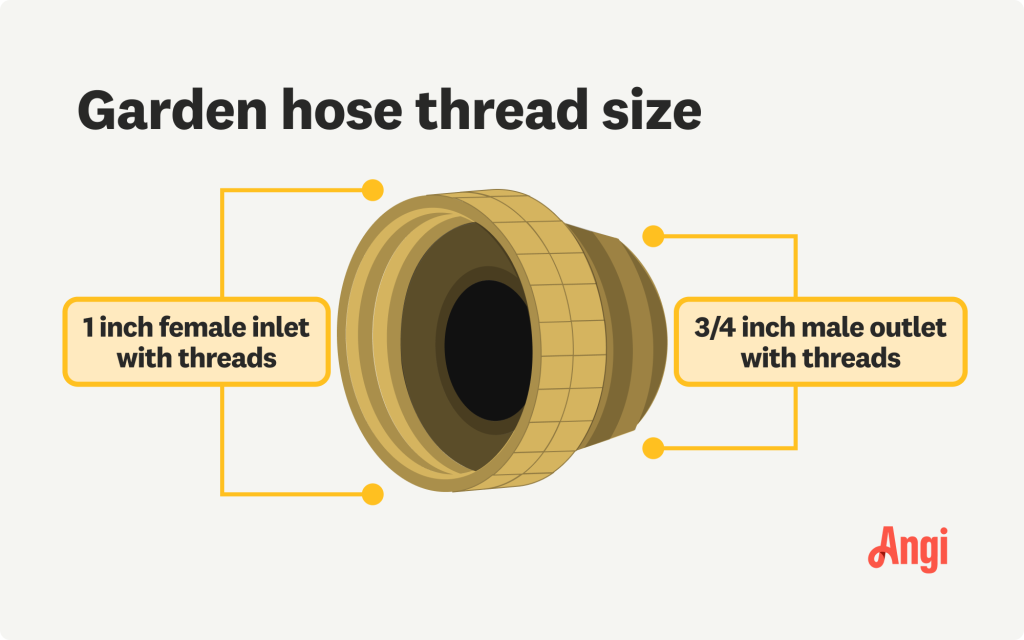
Have you ever tried to connect a garden hose only to find it doesn’t fit? Understanding what type of thread your garden hose uses can save you time and frustration.
Knowing this simple detail helps you pick the right connectors and accessories, making your gardening tasks easier and more efficient. You’ll discover exactly what thread types are common in garden hoses and how to choose the right one for your needs.
Keep reading to make sure your hose works perfectly every time you turn on the water.
Garden Hose Thread Basics
Garden hoses use threads to connect to faucets and accessories. These threads help create a tight seal. Knowing the thread type helps you pick the right hose and fittings.
There are different thread types and sizes for garden hoses. Understanding these helps avoid leaks and connection problems.
Common Thread Types
The most common thread type on garden hoses is the Garden Hose Thread (GHT). GHT is a standard thread used in the US and Canada. It has a straight profile, not tapered like pipe threads.
Another type is National Pipe Thread (NPT). NPT is tapered and mainly used for plumbing. Garden hoses rarely use NPT, but some fittings may have it.
- Garden Hose Thread (GHT): Straight thread, used for hoses
- National Pipe Thread (NPT): Tapered, used in plumbing
- British Standard Pipe (BSP): Common outside the US
Thread Size And Pitch
Garden Hose Thread size is usually 3/4 inch in diameter. The pitch means how many threads are in one inch. For GHT, the pitch is 11.5 threads per inch.
Thread size and pitch must match between hose and fitting. If they do not match, the connection will leak or fail.
| Thread Type | Size | Pitch (Threads per Inch) |
|---|---|---|
| Garden Hose Thread (GHT) | 3/4 inch | 11.5 |
| National Pipe Thread (NPT) | Varies | Varies |
| British Standard Pipe (BSP) | Varies | Varies |
Materials Used In Threads
Threads on garden hoses can be made from different materials. Common materials include brass, plastic, and aluminum. Brass is strong and resists corrosion.
Plastic threads are lightweight but can wear out faster. Aluminum is light and durable but less common. Choosing the right material depends on use and budget.
- Brass: Durable and corrosion-resistant
- Plastic: Lightweight but less durable
- Aluminum: Light and strong, less common
Standard Garden Hose Threads
Garden hoses use specific thread types for connecting to faucets and accessories. These threads must match to avoid leaks and ensure a tight fit.
This article explains the common thread types used in garden hoses. It focuses on Garden Hose Thread (GHT) and National Hose Thread (NHT).
Garden Hose Thread (ght)
Garden Hose Thread, or GHT, is the standard thread used on most garden hoses in the United States. It has a 3/4 inch diameter and 11.5 threads per inch.
GHT threads are tapered. This means the threads get slightly narrower near the end. This taper helps create a tight seal when connected.
National Hose Thread (nht)
National Hose Thread, known as NHT, is similar but mainly used for industrial hoses. It also measures 3/4 inch in diameter but has 14 threads per inch.
Unlike GHT, NHT threads are straight, not tapered. Straight threads require a gasket or washer to seal properly.
Differences Between Ght And Nht
| Feature | Garden Hose Thread (GHT) | National Hose Thread (NHT) |
| Diameter | 3/4 inch | 3/4 inch |
| Threads Per Inch | 11.5 | 14 |
| Thread Type | Tapered | Straight |
| Common Use | Garden hoses | Industrial hoses |
| Sealing Method | Thread taper | Gasket or washer |
Matching Hose Threads With Fittings
Garden hoses come with different thread types. Matching these threads with the right fittings is important. It ensures a tight seal and prevents leaks.
This guide explains how to identify hose threads, use adapters, and avoid common problems like cross-threading.
Identifying Thread Types
Most garden hoses use one of two thread types: National Hose (NH) or Garden Hose Thread (GHT). Knowing the thread size helps pick the correct fitting.
| Thread Type | Diameter | Description |
| NH (National Hose) | 1 inch | Standard thread for garden hoses in the US |
| GHT (Garden Hose Thread) | 3/4 inch | Common thread for garden hose fittings |
| BSP (British Standard Pipe) | Varies | Used in some international hoses |
Adapters And Connectors
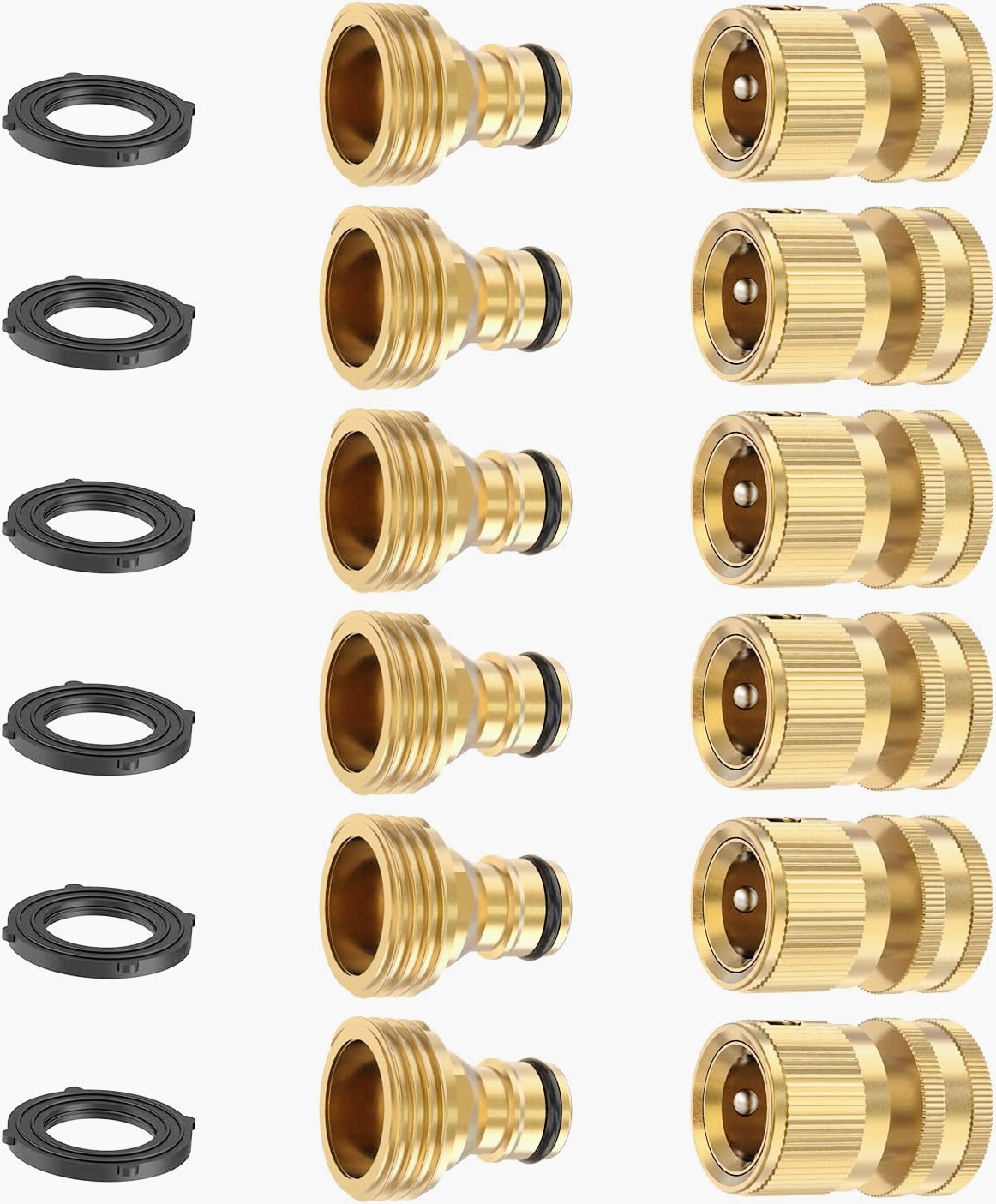
Adapters help connect hoses with different thread types. They make sure hoses and fittings fit tightly without leaks.
- Use a GHT to NH adapter for US garden hoses.
- Choose connectors that match the thread diameter and pitch.
- Brass and plastic are common materials for adapters.
- Check for rubber washers inside fittings to improve sealing.
Avoiding Cross-threading
Cross-threading damages hose threads and causes leaks. Follow these tips to avoid it.
- Align hose and fitting threads carefully before turning.
- Start threading by hand, do not force it.
- If you feel resistance, stop and realign.
- Tighten fittings with a wrench only after hand-tightening.
- Inspect threads for dirt or damage before connecting.
Credit: www.walmart.com
International Thread Standards
Garden hoses use different thread types depending on the country. These threads connect hoses to faucets, sprinklers, and other tools. Knowing the thread standards helps you find the right fit and avoid leaks.
Many countries follow international standards for hose threads. These standards control the thread shape, size, and pitch. The most common types are British Standard Pipe (BSP) and Metric threads.
British Standard Pipe (bsp)
BSP is a common thread type used in the UK, Australia, and many other countries. It has two main forms: BSPP (parallel) and BSPT (tapered). Most garden hoses use BSPP threads for a tight seal.
BSP threads have a 55-degree thread angle. They come in sizes like 1/2 inch and 3/4 inch, which match common hose fittings. BSP threads do not fit well with American National Pipe threads.
- BSPP: Parallel threads, seal with a washer
- BSPT: Tapered threads, seal by thread tightness
- Used in UK, Australia, New Zealand, and parts of Asia
Metric Threads
Metric threads are common in Europe and many parts of Asia. They use the metric system for thread size and pitch. These threads are easy to identify by their millimeter measurements.
Metric threads have a 60-degree thread angle. Sizes like M22 x 1.5 are standard for garden hoses. Metric threads may not fit BSP or American threads without adapters.
- Sizes measured in millimeters (e.g., M22 x 1.5)
- Used widely in Europe and Asia
- Requires matching connectors for proper fit
Compatibility Issues
Different thread types often do not fit together. Mixing BSP, metric, and American threads can cause leaks or damage. Always check thread type before buying hose fittings.
Adapters can solve compatibility problems. They connect mismatched threads safely. Using the wrong thread can cause cross-threading or poor seals.
- BSP and American threads have different angles and pitches
- Metric and BSP threads use different measurements
- Adapters help connect different thread types
Specialty Garden Hose Threads
Garden hoses use different types of threads to connect to faucets and accessories. Some threads are special and fit unique connectors. Knowing these thread types helps you choose the right hose and fittings.
Specialty threads are made for quick and easy connections. They also prevent leaks and make changing tools faster. Below are some common types of specialty garden hose threads.
Quick Connect Fittings
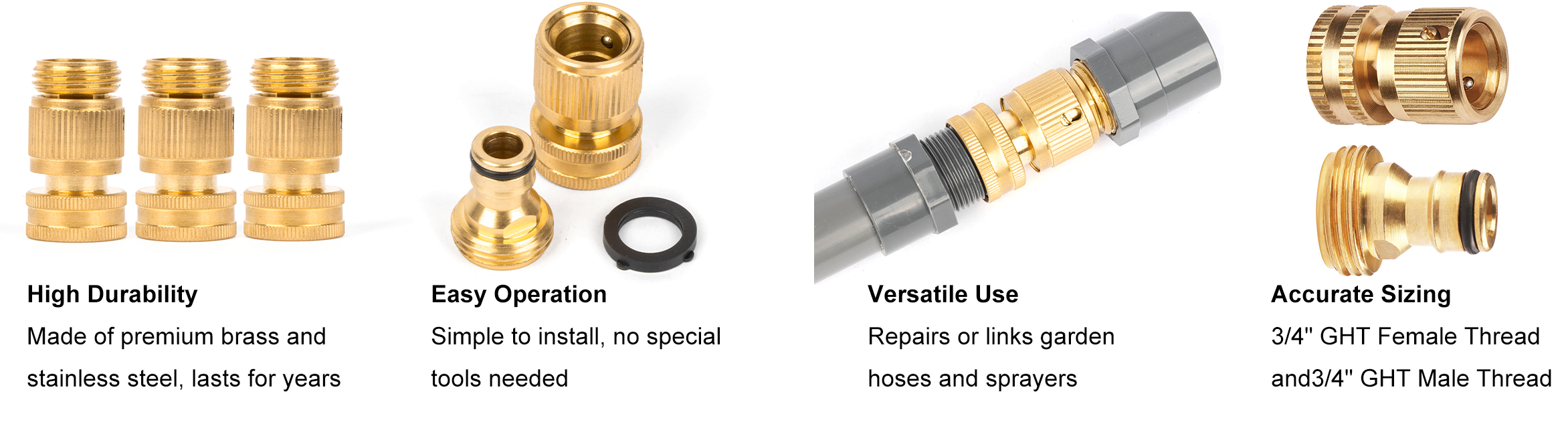
Quick connect fittings let you join hoses and tools fast without twisting. They use special threads or no threads at all. You just push the parts together and they lock in place.
These fittings save time and make switching tools easier. They are common for sprinklers and watering guns.
- Push-to-connect design
- No need for tools to attach
- Secure and leak-proof connection
Compression Fittings
Compression fittings use threaded nuts to tighten a ring around the hose. This ring makes a strong seal. These fittings need twisting to connect and disconnect.
They work well for metal or plastic hoses. Compression fittings are good for high-pressure water flow.
- Threaded nuts tighten the fitting
- Good for strong, leak-free seals
- Used with metal and plastic hoses
Threadless Connectors
Threadless connectors join hoses without any screw threads. They use clamps or push fittings to hold parts together. This type avoids cross-threading problems.
Threadless connectors are easy to use and reduce damage to hose ends. They are common in lightweight or flexible garden hoses.
- No screw threads needed
- Use clamps or push fittings
- Prevent cross-thread damage
Credit: ussolid.com
Maintaining And Repairing Hose Threads
Garden hoses are essential tools for watering plants and cleaning outdoor areas. Keeping hose threads in good condition ensures a proper connection.
In this guide, learn how to clean, repair, and replace hose threads effectively.
Cleaning And Lubrication
Dirty threads can cause leaks and poor connections. Regular cleaning helps maintain a tight seal.
- Rinse threads with water to remove debris.
- Use a soft brush to scrub away dirt.
- Apply a silicone-based lubricant for smooth operation.
Repair Kits
Repair kits are handy for fixing minor thread issues. They include necessary tools for quick repairs.
| Item | Purpose |
| Thread Tape | Seals connections |
| Replacement Washer | Prevents leaks |
| Coupling | Joins hose segments |
Replacing Damaged Threads
When threads are too damaged to repair, replacement is necessary. This ensures a secure and leak-free connection.

Credit: www.spraysmarter.com
Frequently Asked Questions
What Type Of Thread Is Used On Garden Hoses?
Garden hoses commonly use GHT (Garden Hose Thread), a standard thread type in the US. It features a 3/4-inch diameter with 11. 5 threads per inch, ensuring compatibility with most garden hose fittings and accessories.
How Do Garden Hose Threads Differ From Plumbing Threads?
Garden hose threads (GHT) are coarse and tapered for outdoor use. Plumbing threads (NPT) are finer and tapered to seal pipes. GHT is designed for water hoses, while NPT suits indoor plumbing applications.
Can I Use Different Thread Types With Garden Hoses?
Using mismatched threads can cause leaks or damage. It’s best to use adapters if thread types differ. Always match thread size and type for a secure, leak-free connection.
Why Is Garden Hose Thread Size Important?
Correct thread size ensures a tight, leak-proof fit. It also guarantees compatibility with hose connectors, sprinklers, and other accessories. Using the wrong size can cause water leaks and reduce hose lifespan.
Conclusion
Knowing the type of thread on your garden hose helps avoid leaks. Most hoses use standard threads called GHT (Garden Hose Thread). These threads fit common hose fittings and accessories easily. Choosing the right thread keeps your watering setup tight and secure.
It saves time and prevents water waste. Always check thread size before buying connectors or tools. A simple step that makes gardening smoother and more fun. Now you can connect hoses with confidence and enjoy hassle-free watering.