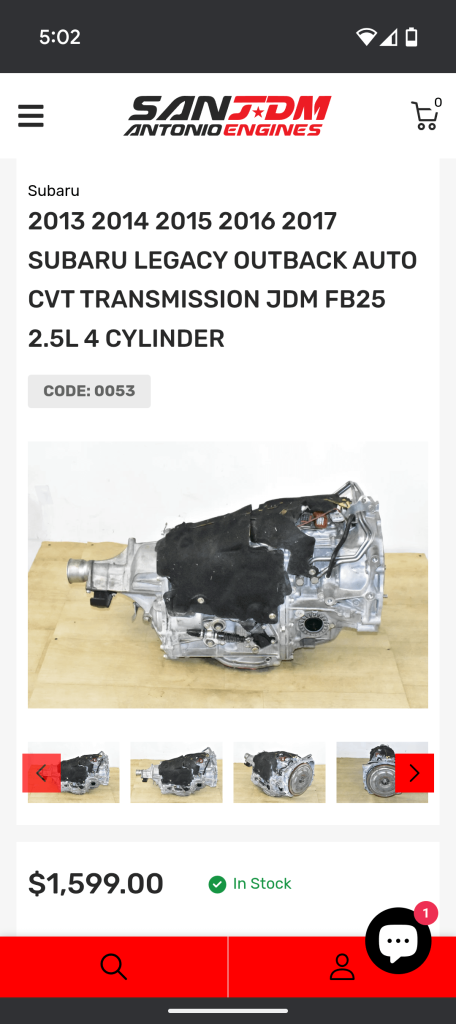
If you drive a Subaru or are thinking about buying one, you probably wonder how long your transmission will last. Your car’s transmission is a key part that keeps everything running smoothly.
Knowing its lifespan helps you plan maintenance and avoid costly repairs. You’ll discover the real answer to how long Subaru transmissions last and what you can do to make yours last even longer. Keep reading to protect your investment and enjoy worry-free driving.
Subaru Transmission Types
Understanding the types of transmissions Subaru uses can help you predict how long your vehicle might last and how much maintenance it might need. Subaru offers a few different transmission systems, each designed for specific driving needs and experiences. Knowing these can guide you in making better decisions about your car’s care and longevity.
Manual Transmissions
Subaru’s manual transmissions give drivers full control over gear changes. They are known for their simplicity and durability. If you enjoy a hands-on driving experience, a manual transmission can often last a long time with proper clutch care.
However, your driving habits impact lifespan significantly. Aggressive shifting or riding the clutch can wear it out faster. Have you noticed how smoothly your gears shift? That’s a good sign your transmission is healthy.
Cvt Transmissions
Continuously Variable Transmissions (CVTs) are common in newer Subaru models. They don’t have fixed gears but instead use a belt and pulley system for seamless acceleration. This design helps improve fuel efficiency and provides a smoother ride.
CVTs require regular maintenance, especially fluid changes, to prevent early wear. Some drivers worry about their longevity, but with care, they can last over 150,000 miles. Are you keeping up with your CVT fluid schedule? It’s one of the best ways to extend its life.
Automatic Transmissions
Traditional automatic transmissions in Subaru vehicles use a set number of gears and hydraulic controls to shift smoothly. They balance ease of use with reliable performance. These transmissions tend to be robust but can suffer if fluid changes are neglected.
Many Subaru owners report their automatic transmissions lasting well beyond 200,000 miles. This often depends on consistent maintenance and avoiding heavy towing or harsh driving conditions. How often do you check your transmission fluid? It might be the key to avoiding costly repairs.
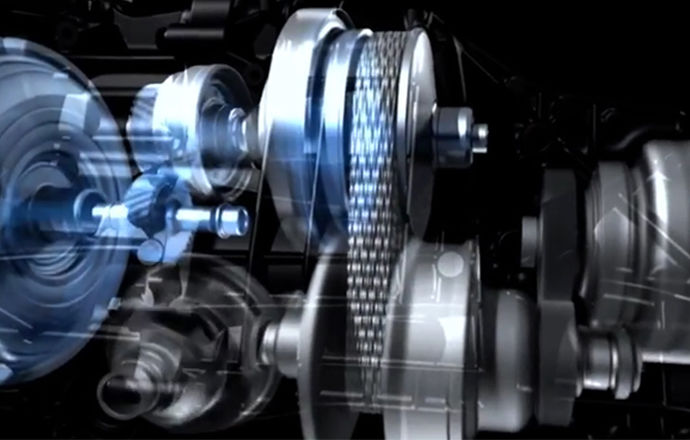
Credit: www.subarurepentigny.com
Average Lifespan Estimates
Understanding the average lifespan of Subaru transmissions helps you plan maintenance and anticipate repairs. This knowledge can save you money and keep your vehicle running smoothly. Let’s look closely at how mileage and time impact the durability of these transmissions.
Mileage Expectations
Subaru transmissions often last between 150,000 to 200,000 miles, depending on the model and driving habits. Drivers who maintain consistent oil changes and avoid aggressive driving usually reach the higher end of this range.
Some Subaru owners have reported their transmissions lasting well beyond 200,000 miles with careful care. Have you tracked your transmission’s mileage and noticed any changes in performance as it climbs higher?
Time-based Durability
Even if your Subaru doesn’t hit high mileage quickly, the transmission can still wear out over time. Typically, transmissions last around 8 to 10 yearsunder normal use.
Environmental factors like extreme temperatures and frequent stop-and-go traffic can shorten this lifespan. Think about the driving conditions your Subaru faces daily—could they be affecting your transmission’s longevity?
Factors Affecting Transmission Life
The lifespan of a Subaru transmission depends on several key factors. These factors influence how long the transmission performs well before needing repair or replacement. Understanding them helps Subaru owners take better care of their vehicles. It also helps set realistic expectations for transmission durability.
Driving Habits
Driving style greatly affects transmission life. Smooth acceleration and gentle braking reduce stress on transmission parts. Frequent hard stops and rapid starts increase wear. Avoiding excessive towing or hauling heavy loads also helps. Consistent high speeds or rough terrain can strain the transmission. Careful driving leads to a longer-lasting transmission.
Maintenance Practices
Regular maintenance is vital for transmission health. Changing transmission fluid as recommended keeps parts lubricated and cool. Using the correct fluid type prevents damage. Checking for leaks or unusual noises early avoids major problems. Skipping maintenance causes dirt buildup and overheating. Proper care extends the transmission’s lifespan significantly.
Environmental Conditions
Climate and road conditions impact transmission durability. Hot weather can cause fluid to break down faster. Cold weather may thicken fluid and reduce efficiency. Driving on dusty or muddy roads increases contamination risk. Salt used on icy roads can lead to corrosion. Protecting the vehicle from extreme environments preserves transmission life.
Signs Of Transmission Wear
Signs of transmission wear can show up subtly at first. Noticing these early signs helps prevent costly repairs. Transmissions are complex parts that wear out over time. Pay attention to changes in how your Subaru drives or sounds. Acting early keeps your car running smoothly and safely.
Common Symptoms
- Delayed or rough shifting between gears
- Unusual noises like whining or clunking
- Transmission slipping or losing power
- Burning smell coming from the transmission
- Fluid leaks under the vehicle
- Warning lights on the dashboard
- Car jerking or shaking during acceleration
Diagnostic Tips
- Check transmission fluid level and color regularly
- Look for reddish or dark, burnt-smelling fluid
- Listen carefully for any unusual noises when shifting
- Note any delays or harsh shifts during driving
- Use an OBD-II scanner to read transmission codes
- Consult a mechanic for a professional transmission check
Maintenance Tips For Longevity
Keeping your Subaru transmission running smoothly for years requires more than just occasional attention. Regular maintenance is key to avoiding costly repairs and extending the life of your vehicle’s transmission. Let’s look at some practical tips that you can apply to help your Subaru’s transmission last longer.
Fluid Checks And Changes
Transmission fluid is the lifeblood of your Subaru’s transmission system. Over time, this fluid breaks down and loses its ability to lubricate and cool the transmission components effectively.
Check your transmission fluid regularly—at least every 30,000 miles or as recommended in your owner’s manual. Look for fluid that is clear and red; dark or burnt-smelling fluid signals it’s time for a change.
Changing the fluid on schedule can prevent build-up of debris and reduce wear. I once delayed a fluid change and noticed the transmission shifting roughly; after the service, it ran like new again.
Timely Repairs
Ignoring small transmission issues can lead to bigger, more expensive problems. If you hear unusual noises, feel slipping gears, or notice delayed shifts, don’t wait to get it checked.
Addressing these symptoms early can save your transmission from permanent damage. Have a trusted mechanic diagnose and fix issues promptly to keep your Subaru in top shape.
Professional Inspections
Even if everything seems fine, scheduling professional transmission inspections can catch hidden problems. Mechanics can spot wear or leaks that might not be obvious to you.
These inspections often include checking fluid levels, seals, and the overall condition of transmission parts. Regular professional check-ups help you stay ahead of trouble and maintain your Subaru’s performance.
Subaru Transmission Recalls And Issues
Subaru transmissions have generally earned a reputation for durability. Still, some models faced issues leading to recalls. Understanding these recalls and common problems helps owners stay informed. It also guides them on maintenance and repairs.
Known Problems
Several Subaru transmission problems have been reported over the years. Some of the most frequent issues include:
- Harsh or delayed shifting
- Transmission slipping or jerking
- Complete transmission failure in rare cases
- Fluid leaks causing damage
These problems often appear in older models or those with high mileage. Early signs include unusual noises and shifting difficulties. Ignoring these symptoms can cause more severe damage.
Manufacturer Responses
Subaru has responded to transmission issues with recalls and service campaigns. The company often offers free repairs or replacements for affected vehicles. These actions aim to fix defects and improve reliability.
- Extended warranties on certain transmission parts
- Software updates to improve shifting performance
- Replacement of faulty components in some models
Owners should check if their vehicle is part of a recall. Subaru’s customer service and official website provide recall information. Staying proactive can prevent costly repairs later.
Repair Vs Replacement Costs
Deciding between repairing or replacing your Subaru transmission is more than just a mechanical choice—it’s a financial one too. Understanding the costs involved can save you from unexpected expenses and help you make a smart decision that fits your budget and vehicle’s condition.
Typical Repair Expenses
Minor transmission repairs like fixing leaks, replacing seals, or swapping out a solenoid often cost between $150 and $500. However, if your transmission needs more extensive work such as clutch replacement or a rebuild, prices can climb to $1,000 to $3,000.
Keep in mind, labor charges vary by location and mechanic expertise, which can impact your final bill. Have you ever been surprised by a repair estimate? Getting a detailed breakdown helps avoid sticker shock and lets you compare options clearly.
Replacement Options
Replacing a Subaru transmission can mean choosing between a new, rebuilt, or used unit. A brand-new transmission might cost anywhere from $3,000 to $5,000including installation.
Rebuilt transmissions are a middle ground, typically priced between $1,500 and $3,500. Used transmissions are the cheapest option, often under $1,500, but they come with higher risks and shorter warranties.
Which option feels right for your car’s age and mileage? Don’t forget to factor in warranty coverage when comparing these choices.
Cost-benefit Analysis
Repairing your transmission can be cost-effective if the damage is minor and your Subaru is relatively new. But if repairs start adding up close to the replacement cost, investing in a rebuilt or new transmission might be smarter.
Think about how long you plan to keep your car. Spending thousands on a new transmission makes more sense if you want to drive your Subaru for many more years. If you’re considering selling soon, a less expensive repair might preserve value without breaking the bank.
What’s more important to you: upfront savings or long-term reliability? Balancing these factors will guide you toward the best financial and mechanical choice for your Subaru.
Credit: www.clubcrosstrek.com
Improving Transmission Lifespan
Extending the life of a Subaru transmission requires care and attention. Simple actions can help avoid costly repairs. Regular maintenance and smart driving habits play a big role. Small upgrades may also improve durability and performance.
Driving Tips
- Avoid sudden starts and stops to reduce stress on the transmission.
- Shift gears smoothly without forcing the gear lever.
- Do not overload the vehicle beyond its recommended capacity.
- Use the correct gear for the speed and road conditions.
- Allow the car to warm up before driving, especially in cold weather.
- Keep an eye on the transmission fluid level and quality.
Upgrades And Modifications
- Install a high-quality transmission cooler to prevent overheating.
- Use synthetic transmission fluid for better lubrication and protection.
- Upgrade to stronger clutch plates for manual transmissions.
- Consider aftermarket transmission mounts to reduce vibration.
- Regularly update software in newer Subaru models with electronic transmissions.

Credit: www.reddit.com
Frequently Asked Questions
How Long Do Subaru Transmissions Typically Last?
Subaru transmissions often last between 150,000 to 200,000 miles with regular maintenance. Proper care, like timely fluid changes, can extend their lifespan. Driving habits and conditions also play a significant role in longevity. Regular check-ups and addressing issues promptly can help maintain optimal performance.
What Are Signs Of A Failing Subaru Transmission?
Signs include unusual noises, delayed shifting, and slipping gears. Transmission fluid leaks and a burning smell are also indicators. If you notice any of these symptoms, it’s crucial to consult a professional. Early diagnosis can prevent further damage and costly repairs.
How Can I Extend My Subaru Transmission’s Life?
Regular maintenance, including timely fluid changes, is essential. Avoid aggressive driving and excessive towing. Be mindful of unusual noises or performance issues. Address problems promptly to prevent further damage. Regular check-ups with a trusted mechanic can also extend the lifespan of your transmission.
Are Subaru Cvt Transmissions Reliable?
Subaru’s CVT transmissions are generally reliable with proper care. They offer smooth shifting and improved fuel efficiency. Regular maintenance and fluid changes are essential for longevity. Addressing any issues early can prevent major problems. Many Subaru owners report satisfaction with their CVT transmissions.
Conclusion
Subaru transmissions can last many years with proper care. Regular oil changes help keep them working well. Avoid harsh driving to reduce wear and tear. Watch for strange noises or shifting problems early. Fix small issues quickly to prevent bigger damage.
Most Subaru owners get over 150,000 miles from their transmissions. Good habits make a big difference in transmission life. Keep an eye on your car’s performance. That way, your Subaru stays reliable for a long time.