If you’re serious about climbing, you know that the right shoes can make all the difference. But how are climbing shoes supposed to fit?
Getting the fit right isn’t just about comfort—it can boost your performance and keep your feet safe on tough climbs. You’ll discover exactly what to look for, why fit matters, and how to choose shoes that feel like a second skin.
Keep reading, and you’ll never settle for the wrong fit again.

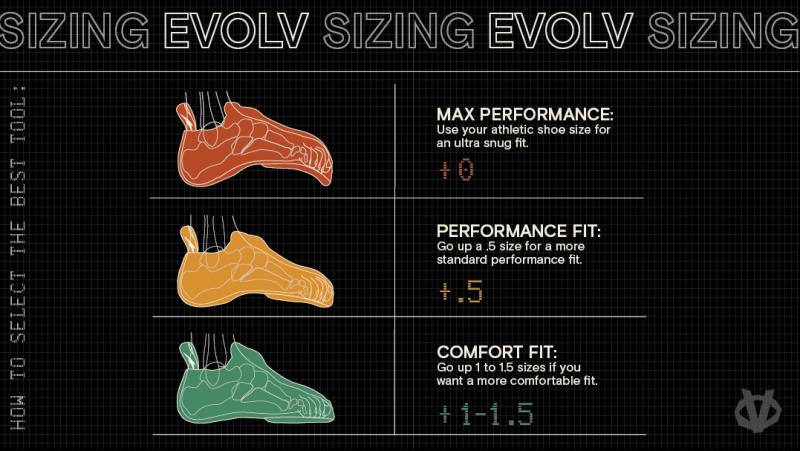
Credit: www.evolvsports.com
Choosing The Right Size
Climbing shoes should fit snugly but not cause pain. The right size helps you climb better and stay safe.
Picking the right size can be tricky. Knowing how to measure and compare sizes is important.
Measuring Your Foot Accurately
Measure your foot length and width to find the right shoe size. Use a ruler or tape for accuracy.
Measure your foot at the end of the day when it is largest. Stand on a piece of paper and trace your foot.
- Place your heel against a wall
- Mark the longest toe on the paper
- Measure from the wall to the mark
- Measure the widest part of your foot
Comparing Brand Sizing Differences
Each brand may size their shoes differently. One brand’s size 8 might feel like another’s size 7.5.
Check the sizing chart for each brand before buying. Read reviews to see if shoes run large or small.
- Use brand-specific size charts
- Look for customer feedback on fit
- Try shoes in store if possible
- Order multiple sizes to test at home
Considering Foot Shape Variations
Feet come in many shapes: wide, narrow, high arch, or flat. Shoe shape should match your foot shape.
Some climbing shoes suit wide feet better. Others fit narrow or low-volume feet. Know your foot shape before choosing.
- Wide feet need shoes with more volume
- Narrow feet fit better in slim shoes
- High arches may need more room on top
- Flat feet benefit from supportive shapes
Types Of Climbing Shoes
Climbing shoes come in different shapes and fits. Each type suits various climbing styles and foot shapes.
Choosing the right fit helps with comfort and performance on the rock.
Neutral Fit Shoes
Neutral fit shoes are the most comfortable. They have a relaxed shape and a flat sole. These shoes are good for beginners or long climbs.
They allow your toes to lie flat and have more padding. You can wear them for hours without pain.
Moderate Fit Shoes
Moderate fit shoes have a slight curve. They fit tighter than neutral shoes but are still comfortable for most climbers.
- Good for all-around climbing
- Offer better precision than neutral shoes
- Fit snugly but do not pinch the toes
- Work well on both indoor and outdoor routes
Aggressive Fit Shoes
Aggressive fit shoes have a strong downward curve. They put your toes in a powerful position to hold small edges.
| Feature | Details |
|---|---|
| Shape | Downturned, pointed toe |
| Fit | Very tight, close to skin |
| Best For | Sport climbing, bouldering |
| Comfort Level | Low for long wear |
Signs Of Proper Fit
Climbing shoes are essential for safety and performance. A proper fit ensures comfort and efficiency.
Understanding the signs of a well-fitted climbing shoe can make a significant difference in your climbing experience.
Toe Position And Comfort
Toes should be slightly curled but not cramped. This helps with grip and balance.
- Ensure toes touch the front but are not painfully squished.
- There should be no empty space in the toe box.
- Test by standing on your toes; discomfort means a poor fit.
Heel Fit And Security
The heel should feel snug and secure. This prevents slipping during climbs.
Test the heel fit by doing a simple move:
- Stand on tiptoes and see if the heel stays in place.
- If the heel slips, try a different size or model.
Arch Support And Contact
Good arch support is critical for long climbs. It reduces foot fatigue.
| Arch Type | Recommended Support |
| High Arch | Firm support |
| Medium Arch | Moderate support |
| Low Arch | Flexible support |
Check that the shoe’s arch matches your foot’s natural arch for best results.
Common Fit Issues
Climbing shoes must fit just right to perform well and stay comfortable. A poor fit can cause pain or affect your climbing.
Here are some common fit problems to watch for and how they affect your feet during climbs.
Too Tight Or Painful
Shoes that are too tight can cause pain and numbness. They may squeeze your toes too much or press on sensitive areas.
- Toes may curl or overlap uncomfortably.
- Sharp pain can happen at the toes or sides of the foot.
- Numbness or tingling is a sign of poor blood flow.
- Long-term tightness can lead to blisters or bruised nails.
Too Loose Or Slipping
Shoes that are too loose will slip when you climb. This reduces control and can cause injuries.
| Problem | Effect | Cause |
|---|---|---|
| Heel slipping | Less power on heel hooks | Shoe too large or stretched out |
| Loose toes | Reduced precision on small holds | Incorrect size or shape |
| Shoe moves during climbs | Discomfort and blisters | Poor fit or worn-out materials |
Pressure Points And Hotspots
Pressure points happen when the shoe presses too hard on one part of your foot. Hotspots are areas that get sore or develop blisters.
- Check if straps or seams dig into your skin.
- Look for tight spots around the arch or toes.
- Try different shoe models to find one with even pressure.
- Wear thin socks or use tape to protect sensitive areas.
Breaking In Climbing Shoes
Climbing shoes need to fit snugly for the best performance. New shoes often feel stiff and tight at first. Breaking them in helps the shoes mold to your feet.
Proper break-in improves comfort and grip on climbs. It takes time and care to avoid damage.
Techniques For Softening Materials
Most climbing shoes use leather or synthetic materials. These materials can be softened to fit better. Wearing them around the house helps soften the shoes.
Using gentle heat or moisture can also help soften leather shoes. Avoid harsh methods that damage the shoes.
- Wear shoes for short periods indoors
- Use a damp cloth to lightly moisten leather
- Keep shoes away from direct heat sources
- Flex the shoes gently with your hands
When To Expect Stretching
Leather climbing shoes stretch more than synthetic ones. Expect some stretching after several wears. Stretching usually happens in the width and length.
Synthetic shoes stretch less but still conform slightly to your foot shape. Stretching may take a few days to a few weeks.
- Leather shoes can stretch about half a size
- Synthetic shoes stretch less, mainly in pressure points
- Stretching depends on shoe brand and model
- Check fit often during break-in period
Avoiding Damage During Break-in
Breaking in shoes too fast can cause damage. Avoid forcing shoes on or using extreme heat. This can ruin the fit and materials.
Clean and dry your shoes after each use. Store them in a cool, dry place. Proper care helps shoes last longer.
- Wear shoes gradually, increasing time each day
- Do not soak shoes in water or use dryers
- Avoid stretching shoes with tools or chemicals
- Check for signs of wear or damage regularly
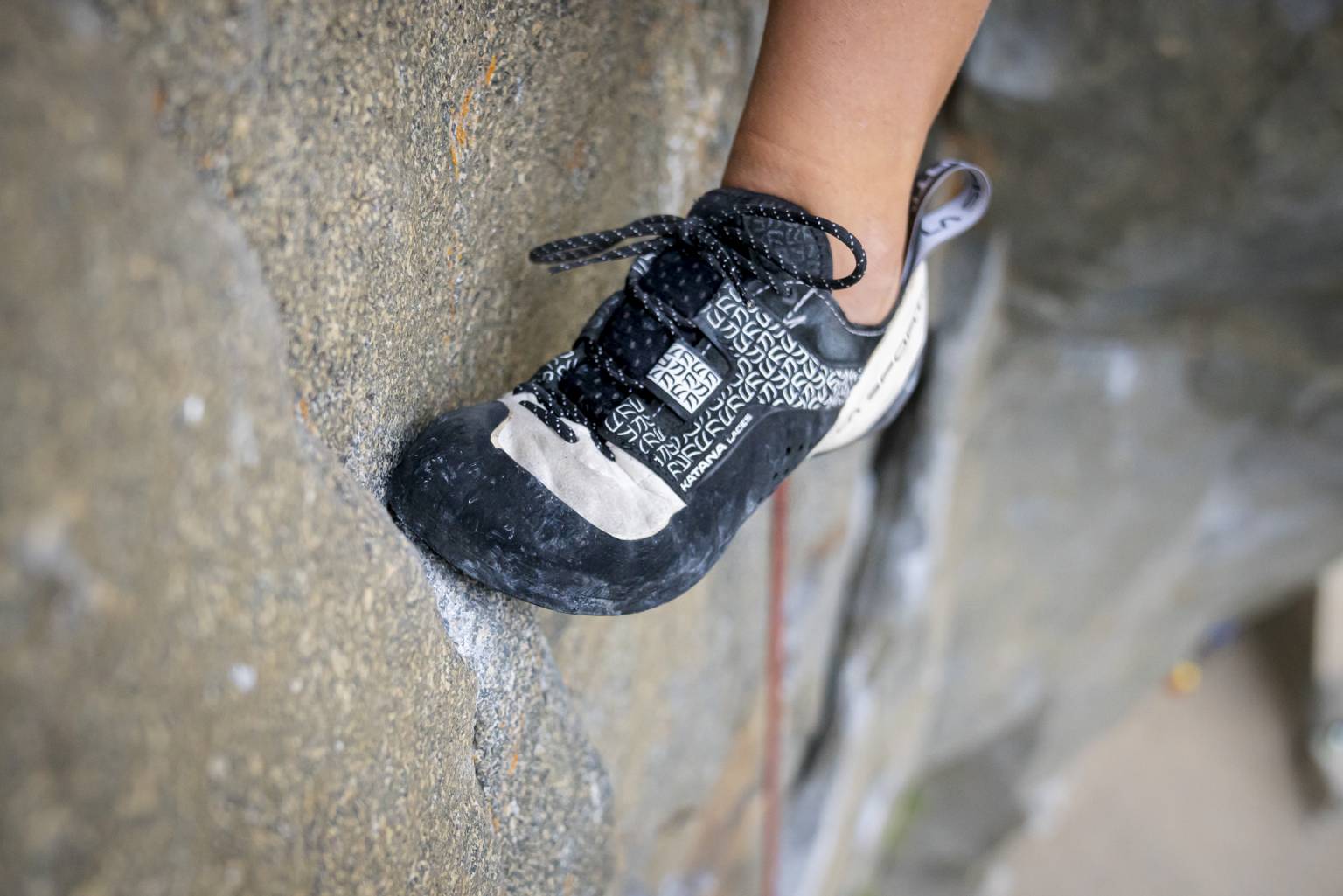
Credit: gearjunkie.com
Tips For All-day Comfort
Climbing shoes need to fit well for comfort during long climbs. A good fit helps prevent pain and keeps your feet safe.
Here are some tips to keep your climbing shoes comfortable all day long.
Using Socks Or Going Barefoot
Wearing socks can add comfort and reduce sweat inside climbing shoes. Thin socks are best to avoid extra tightness. Some climbers prefer going barefoot for a better feel and tighter fit.
- Try thin, breathable socks to keep feet dry
- Test shoes with and without socks to find your preference
- Change socks often during long climbs
- Going barefoot may improve grip but can increase sweat
Adjusting Lacing And Closure Systems
Proper lacing keeps shoes snug without cutting off circulation. Different closure types need different adjustments to balance comfort and fit.
| Closure Type | Adjustment Tips |
|---|---|
| Laces | Tighten evenly from toes to ankle. Avoid over-tightening at the top. |
| Velcro Straps | Secure firmly but leave some room for foot swelling. |
| Slip-on | Choose correct size, as no adjustments are possible. |
Rotating Multiple Pairs
Using more than one pair of climbing shoes can improve comfort. Rotating shoes lets each pair dry and regain shape between uses.
- Buy two pairs of climbing shoes for rotation
- Use one pair while the other dries completely
- Rotate shoes based on climbing type and difficulty
- Replace shoes when they lose shape or support
Testing Fit Before Purchase
Climbing shoes must fit well for comfort and performance. Testing the fit before buying helps avoid problems.
Try shoes in different ways to check how they feel during climbing. This helps find the right size and shape.
Trying Shoes On With Climbing Movements
Wear the shoes and move your feet like you would on a climb. Squat, stand on your toes, and flex your feet.
- Squat down to check if toes curl naturally.
- Stand on tiptoes to feel support and grip.
- Try heel hooks to test heel fit and security.
- Walk a few steps to sense overall comfort.
Checking Fit After Warm-up
Shoes may feel different after your feet warm up. Wear them for 10 to 15 minutes to see if they stay comfortable.
| Condition | What to Check |
| Cold feet | Shoes might feel tight but less painful. |
| Warm feet | Check for any pressure points or soreness. |
| After movement | Shoes should hold feet firmly without pain. |
Consulting Experienced Climbers
Ask skilled climbers for advice on fit and shoe types. They can share tips that helped them find the right fit.
- How tight should climbing shoes feel?
- Which brands fit better for different foot shapes?
- What signs show shoes are too loose or too tight?
- How long do shoes usually take to break in?

Credit: www.reddit.com
Frequently Asked Questions
How Tight Should Climbing Shoes Fit?
Climbing shoes should fit snugly without causing pain. They must hold your foot firmly to enhance precision and control. Avoid shoes that cause numbness or intense pressure. A tight fit improves performance, but comfort is key for longer climbs.
Why Are Climbing Shoes Smaller Than Regular Shoes?
Climbing shoes are smaller to reduce foot movement inside the shoe. This tight fit improves grip and sensitivity on holds. The smaller size helps your foot engage better with the climbing surface, offering better control and stability.
Should Climbing Shoes Cause Pain?
No, climbing shoes should never cause sharp pain. Mild discomfort is normal due to their tight fit. Persistent pain can lead to injury and reduce performance. Choose shoes that balance tightness with comfort for safe climbing.
How To Know If Climbing Shoes Fit Correctly?
Proper fit means your toes are slightly curled but not crammed. Your heel should stay snug without slipping. The shoe should feel tight but not unbearable. Test by walking or edging to ensure stability and comfort.
Conclusion
Choosing the right climbing shoe fit is key for comfort and performance. Shoes should feel snug but not painful. Your toes might be slightly curled, yet without sharp pressure. Keep in mind, shoes stretch a bit with use. Trying different brands and sizes helps find the best match.
Remember, a good fit supports your feet and improves climbing skills. Take your time to pick shoes that feel right from the start. This simple step makes climbing safer and more fun.