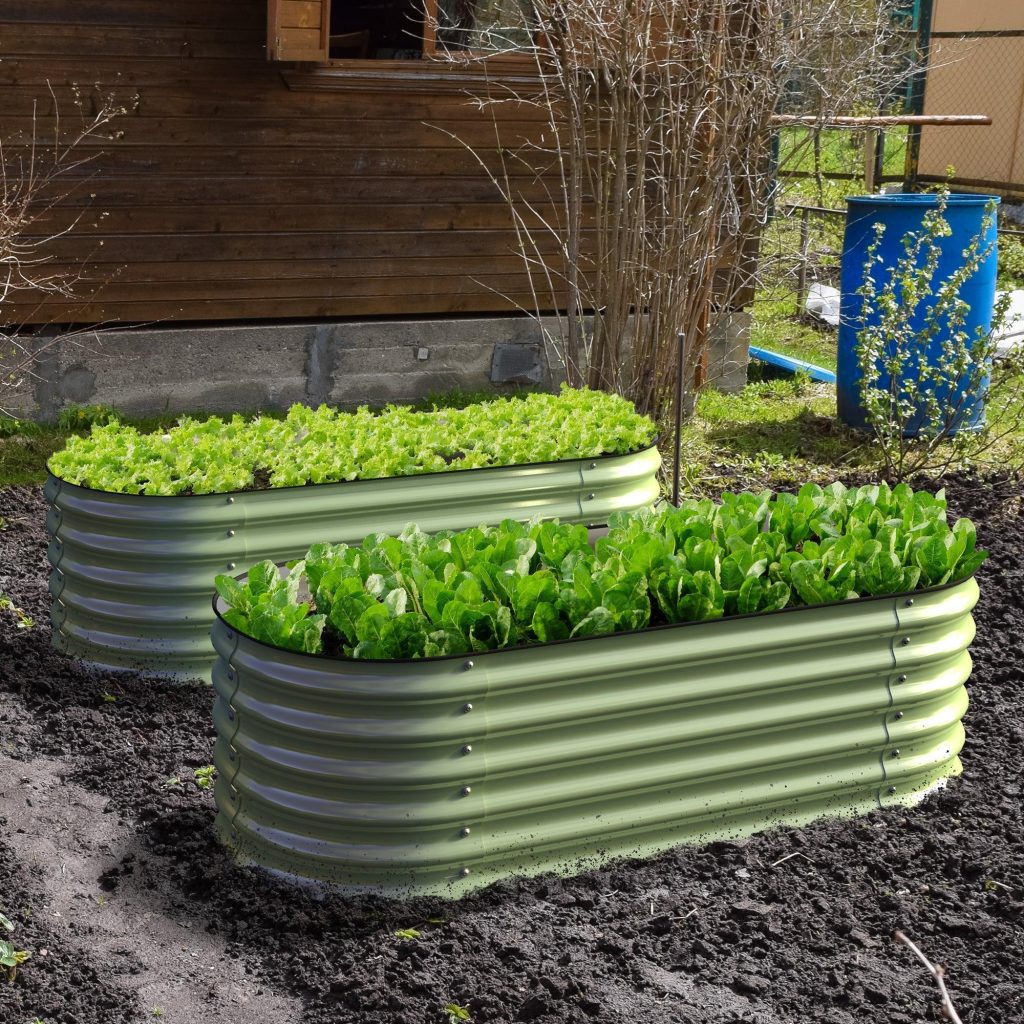
Are you thinking about building a raised garden bed and wondering if metal is a safe choice? You’re not alone.
Many gardeners ask this question because your plants’ health and your family’s safety matter most. Metal raised garden beds look sleek and last long, but you might worry about chemicals, rust, or heat affecting your soil and veggies. You’ll discover the truth about metal raised garden beds—what’s safe, what to watch out for, and how to make the best choice for your garden.
Keep reading to protect your plants and enjoy a thriving garden all season long.
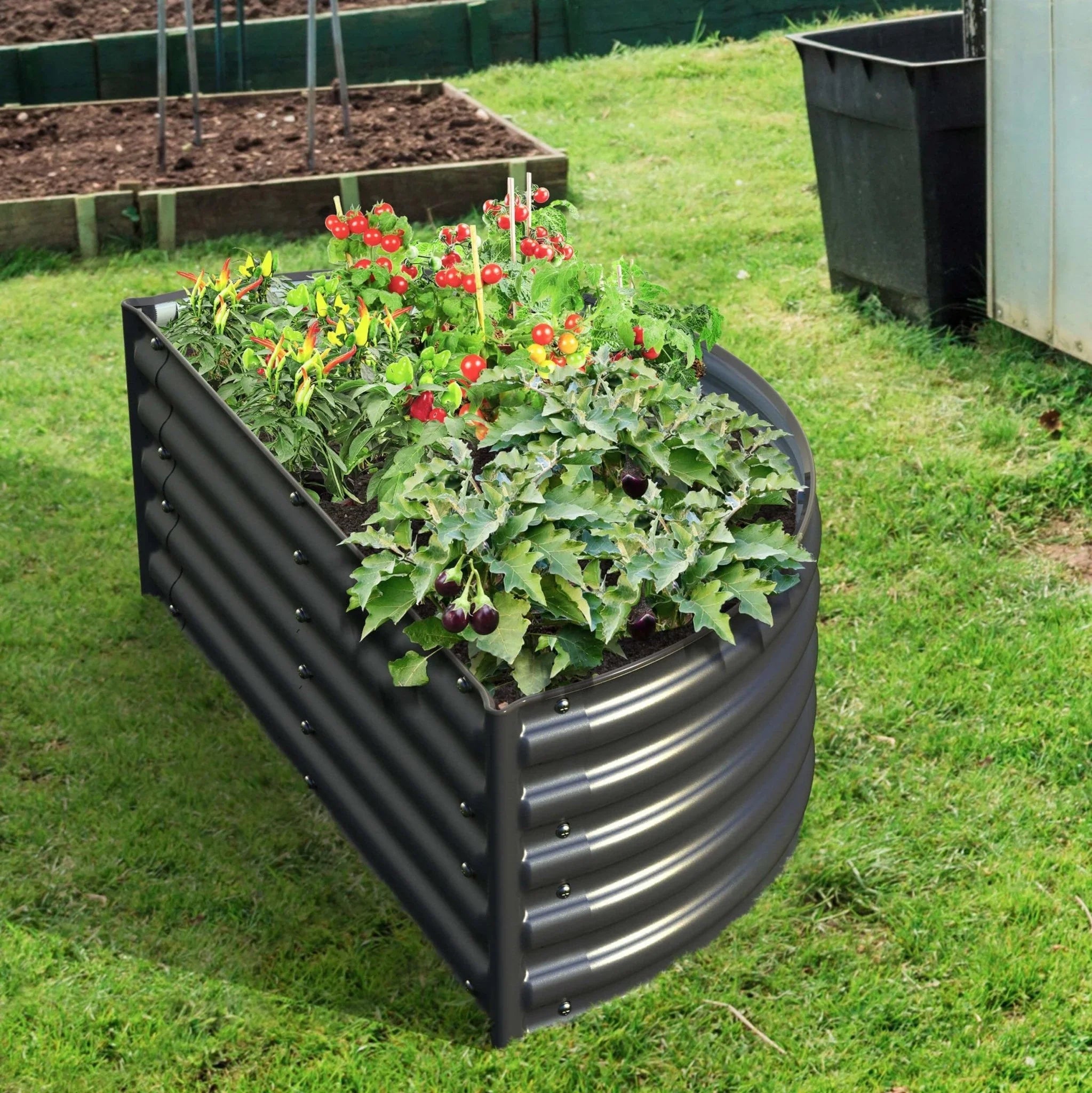
Credit: www.ollegardens.com
Benefits Of Metal Raised Beds
Metal raised garden beds offer many advantages for home gardeners. They provide a sturdy and reliable option for growing plants.
These beds help improve soil conditions and make gardening easier and more efficient.
Durability And Longevity
Metal raised beds last longer than wood or plastic beds. They resist rot, cracks, and warping from weather changes. This means you spend less time fixing or replacing them.
Many metal beds are coated to prevent rust, which extends their life even more. They stay strong through rain, sun, and snow.
Pest And Weed Resistance
Metal beds create a barrier that pests find hard to cross. This helps protect your plants from insects and small animals. Metal also stops weeds from creeping in as easily as with soil at ground level.
- Blocks burrowing pests like moles and gophers
- Reduces weed growth along the bed edges
- Prevents wood decay that attracts insects
Aesthetic Appeal
| Feature | Benefit |
|---|---|
| Modern Look | Fits well in contemporary garden designs |
| Variety of Finishes | Choose from colors and textures to match style |
| Clean Edges | Creates neat and organized garden beds |

Credit: www.amazon.com
Common Safety Concerns
Metal raised garden beds are popular for their durability and style. Yet, safety concerns can arise for gardeners.
It is important to consider metal toxicity, heat retention, and physical hazards. Each of these can affect your gardening experience.
Metal Toxicity Risks
Some metals can leach into the soil and harm plants. This is a concern for gardeners using metal beds.
- Check for metals like zinc and copper.
- Use liners to separate soil from metal.
- Choose food-safe metal options.
Heat Retention Issues
Metal can absorb heat from the sun. This might affect the temperature of the soil inside.
| Material | Heat Retention |
| Metal | High |
| Wood | Low |
| Plastic | Medium |
Sharp Edges And Physical Hazards
Metal beds may have sharp edges that pose a risk. It is important to handle with care.
Types Of Metals Used
Metal raised garden beds offer strong and lasting support for plants. Different metals have unique features that affect safety and durability. Choosing the right metal helps keep your garden safe and healthy.
This guide explains three common metals used in garden beds. You will learn about galvanized steel, corten steel, and aluminum. Each metal has benefits and some things to watch out for.
Galvanized Steel
Galvanized steel is steel coated with a layer of zinc. This layer stops rust and corrosion. It is popular because it lasts a long time outdoors. The zinc coating also prevents harmful metals from reaching the soil.
- Strong and durable
- Resists rust and corrosion
- Safe for most plants
- May develop a dull finish over time
Corten Steel
Corten steel forms a protective rust layer on its surface. This layer stops deeper rust and keeps the metal strong. It looks natural and blends well in gardens. Corten steel does not need painting or coating.
| Feature | Details |
|---|---|
| Rust Protection | Protective outer rust layer |
| Appearance | Reddish-brown natural finish |
| Safety | Safe when soil pH is neutral |
| Maintenance | No paint or coating needed |
Aluminum And Others
Aluminum is light and does not rust. It is easy to move but less strong than steel. Some other metals like copper or zinc are used too. They are less common and cost more. These metals usually do not harm plants.
Here are common pros and cons of aluminum and other metals:
- Aluminum:Lightweight, rust-proof, less strong
- Copper:Natural anti-fungal, expensive
- Zinc:Corrosion-resistant, may affect soil pH

Credit: www.reddit.com
Soil And Plant Safety
Metal raised garden beds are popular for their durability and appearance. Many gardeners wonder if these beds are safe for their soil and plants.
This article looks at metal leaching, soil effects, and growing edible plants in metal beds.
Potential Metal Leaching
Metal raised beds may release tiny metal particles into the soil. This process is called leaching. It depends on the type of metal and the soil’s acidity.
- Galvanized steel beds can leach zinc and small amounts of lead.
- Corten steel rusts and forms a protective layer but may release iron.
- Aluminum beds usually leach very little metal.
- Uncoated steel can rust and release iron quickly.
Impact On Soil Quality
Metal leaching may change soil chemistry. It can affect soil pH and nutrient balance. Some metals can harm helpful soil microbes.
| Metal Type | Effect on Soil | Risk Level |
| Zinc | May build up in soil, can be toxic in high amounts | Medium |
| Iron | Usually safe, helps plant growth but excess can cause imbalance | Low |
| Lead | Toxic to plants and microbes even in small amounts | High |
| Aluminum | Minimal leaching, usually safe | Low |
Suitability For Edible Plants
Growing vegetables and fruits in metal beds is common. Safety depends on the metal and bed lining.
- Use beds made from safe metals like aluminum or coated steel.
- Line beds with plastic or landscape fabric to reduce leaching.
- Avoid using old or recycled metals that may contain harmful substances.
- Test soil regularly for metal content if you grow edible plants.
Expert Recommendations
Metal raised garden beds are popular for their durability and style. Many gardeners ask if they are safe for growing food.
Experts share tips on choosing materials, installing properly, and maintaining these beds to keep your garden safe.
Choosing Safe Materials
Select metal beds made from rust-resistant materials like galvanized steel or aluminum. These types resist corrosion and last longer.
Avoid metals with lead or other harmful chemicals. Check product labels or ask the seller about safety certifications.
- Use galvanized steel or aluminum for safety
- Check for non-toxic coatings or finishes
- Avoid metals with lead or cadmium
- Look for products with food-safe certifications
Proper Installation Tips
Place metal beds on flat ground to avoid tipping or bending. Secure corners tightly to keep the structure stable.
Line the inside with a protective barrier like landscape fabric. This prevents soil contact with metal and reduces rust risk.
- Install on level, firm soil or a solid base
- Tighten all screws and bolts securely
- Use landscape fabric inside to separate soil and metal
- Ensure good drainage to avoid water buildup
Maintenance Practices
Check metal beds regularly for rust, dents, or loose parts. Clean them with mild soap and water to keep surfaces safe.
Apply a non-toxic sealant if you see any wear. Remove damaged parts quickly to avoid soil contamination.
- Inspect beds monthly for damage or rust
- Clean with gentle soap and water as needed
- Use food-safe sealants to protect metal
- Replace or repair damaged sections promptly
Alternatives To Metal Beds
Metal raised garden beds are popular but may not suit everyone. Some people worry about safety and heat issues.
There are other materials you can use for raised beds. These options can be safer and work well in gardens.
Wooden Raised Beds
Wood is a common choice for raised beds. It looks natural and blends well with garden plants.
Choose untreated or naturally rot-resistant wood like cedar or redwood. These woods last longer without chemicals.
- Easy to build and customize
- Good insulation for plant roots
- Needs maintenance to avoid rot
Composite Materials
Composite materials mix wood fibers and plastic. They resist rot, insects, and weather damage.
These beds last longer than wood. They need less care and do not leach harmful chemicals.
- Low maintenance and durable
- Do not require painting or sealing
- More expensive than wood
Stone And Brick Options
Stone and brick raised beds are strong and long-lasting. They add a classic look to gardens.
These materials do not affect soil safety or temperature. They require more effort to build but need little care.
- Very durable and stable
- Do not rust or rot
- Can be expensive and hard to install
Frequently Asked Questions
Are Metal Raised Garden Beds Safe For Growing Vegetables?
Yes, metal raised beds are safe for vegetables if made from food-grade materials. Avoid beds with harmful coatings or rust. Proper lining can also prevent metal contact with soil, ensuring safe and healthy plant growth.
Do Metal Beds Affect Soil Temperature In Gardens?
Metal beds can warm soil faster due to heat conduction. This benefits early planting but may require shading in hot climates. Proper soil management helps maintain optimal temperatures for plant health.
Can Metal Raised Beds Rust And Harm Plants?
Metal beds can rust if not properly coated or maintained. Rust may affect soil quality over time. Using galvanized or powder-coated metal beds reduces rust risks and protects both plants and soil.
Are Metal Garden Beds Better Than Wood Or Plastic?
Metal beds are durable, long-lasting, and resistant to pests. They require less maintenance than wood but can heat soil more than plastic. Choosing the right material depends on climate, budget, and gardening needs.
Conclusion
Metal raised garden beds are generally safe for growing plants. They last long and resist weather well. Some metals may rust over time, but coatings help prevent this. Soil and plants stay healthy if you use safe materials. Choose beds made from non-toxic metals for best results.
Regular care keeps your garden bed in good shape. Metal beds can be a good choice for many gardeners. Think about your needs and conditions before buying one. Safe, sturdy, and easy to maintain—metal beds work well.