Have you ever wondered what makes heat pumps work so efficiently, especially when it comes to heating and cooling your home? One key element might surprise you: refrigerant.
Understanding whether heat pumps use refrigerant can change how you view your home’s energy system and help you make smarter choices about comfort and savings. Keep reading to uncover the role refrigerant plays in heat pumps and how this knowledge can benefit you directly.

Credit: hub.utahcleanenergy.org
Heat Pumps And Refrigerants
Heat pumps rely on a special substance called refrigerant to move heat efficiently. This refrigerant plays a key role in the heating and cooling process. Understanding how refrigerants work helps us see why they are vital to heat pump operation.
Role Of Refrigerants In Heat Pumps
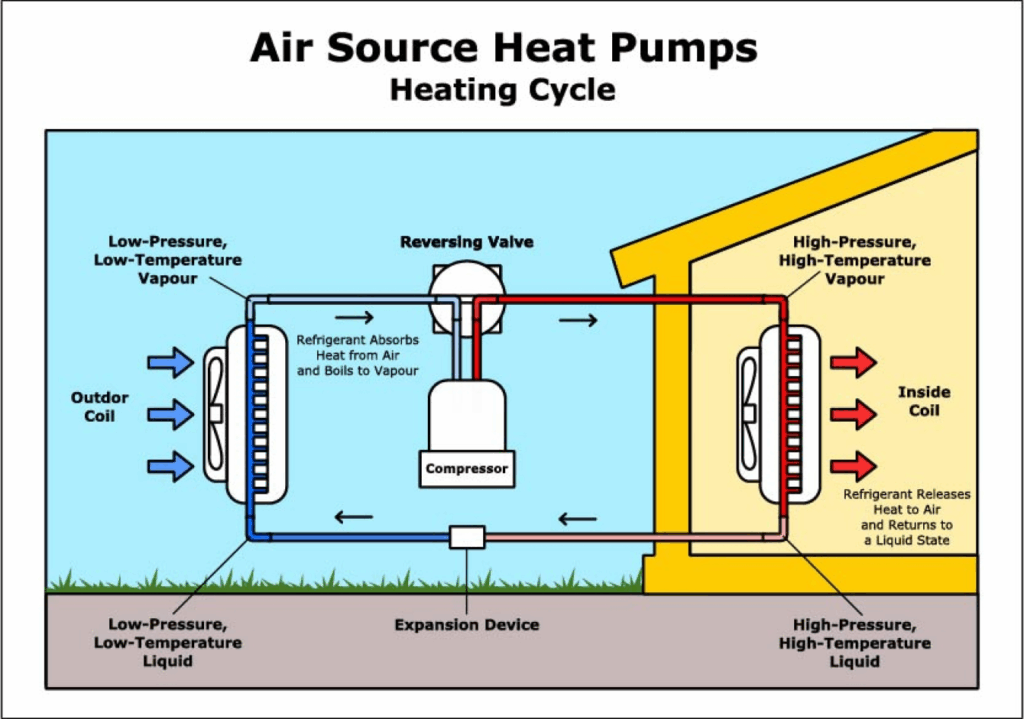
Refrigerants absorb heat from the outside air or ground. They change from liquid to gas and back to liquid during this process. This change allows heat transfer inside the heat pump system. The refrigerant carries heat through the coils and helps warm or cool the indoor space. Without refrigerants, heat pumps cannot transfer heat effectively.
Types Of Refrigerants Used
Several types of refrigerants work in heat pumps. Each has different properties and environmental impacts.
- R-410A: Common in modern heat pumps, efficient and widely used.
- R-32: More eco-friendly with lower global warming potential.
- R-22: Older type, being phased out due to ozone damage.
- Natural refrigerants: Such as propane or CO2, used in specialized systems.
Choosing the right refrigerant affects performance and environmental safety. Newer refrigerants focus on reducing harm to the ozone layer and climate.
Credit: www.davisheat.com
How Refrigerants Work
Refrigerants play a vital role in heat pumps. They help move heat from one place to another. Understanding how refrigerants work reveals the secret behind efficient heating and cooling.
Heat Transfer Process
Refrigerants absorb heat at low temperatures. They carry this heat through pipes in the heat pump. The refrigerant then releases the heat at a different location. This process helps warm or cool your home. It works both ways, providing heat in winter and cooling in summer.
The key is the refrigerant’s ability to change from liquid to gas and back. This change allows it to pick up and drop off heat easily. Heat transfer happens quietly and efficiently inside the system.
Refrigerant Cycle Explained
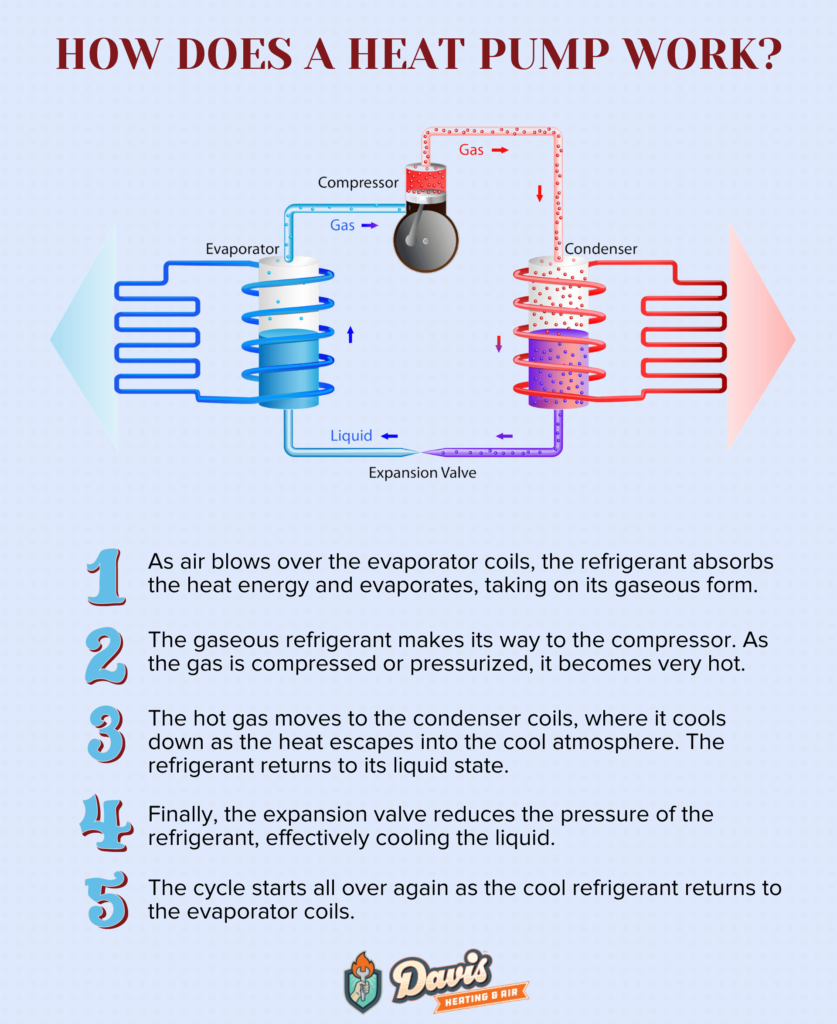
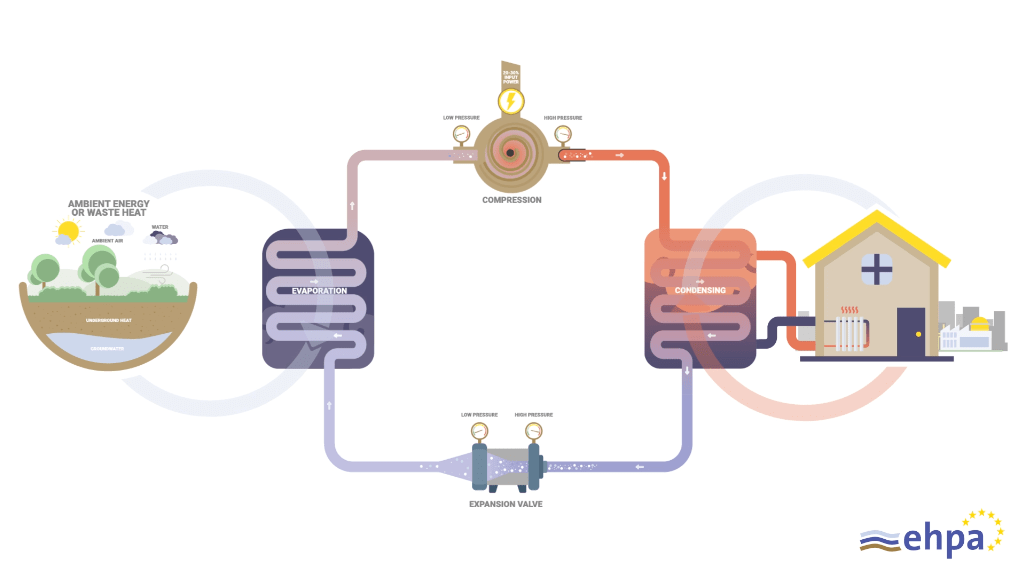
The refrigerant cycle has four main steps:
- Evaporation:Refrigerant absorbs heat and turns into gas.
- Compression:The gas is squeezed, raising its temperature.
- Condensation:Hot gas releases heat and becomes liquid.
- Expansion:Liquid cools down and pressure drops.
This cycle repeats continuously. It moves heat from outside air into your home or the other way around. The refrigerant never leaves the sealed system. This makes heat pumps energy-efficient and reliable.
Common Refrigerants In Heat Pumps
Heat pumps rely on refrigerants to transfer heat efficiently between the indoors and outdoors. These refrigerants are critical for the system’s performance and environmental impact. Knowing which refrigerants are common can help you understand how your heat pump works and what options you might have for eco-friendly choices.
R-410a And Its Benefits
R-410A is one of the most widely used refrigerants in modern heat pumps. It works efficiently under high pressure, which helps the heat pump deliver consistent heating and cooling. You might be surprised to learn that R-410A doesn’t harm the ozone layer, making it a safer choice compared to older refrigerants.
Besides environmental safety, R-410A offers better energy efficiency. This means your heat pump can save you money on electricity bills while keeping your home comfortable. If you’ve noticed quieter and more reliable heat pumps in your neighborhood, there’s a good chance they use R-410A.
Alternatives To Traditional Refrigerants
As environmental concerns grow, manufacturers are exploring alternatives to traditional refrigerants like R-410A. One popular option is R-32, which has a lower global warming potential (GWP). This means it contributes less to climate change while maintaining strong performance.
Other alternatives include natural refrigerants like propane (R-290) and CO2 (R-744). These options are gaining traction for their minimal environmental footprint. Have you thought about how switching refrigerants in your heat pump could reduce your home’s carbon footprint? It’s a practical way to make your heating and cooling greener without sacrificing comfort.
Environmental Impact
Heat pumps rely on refrigerants to transfer heat efficiently. These substances impact the environment in important ways. Understanding their effects helps us choose better options and reduce harm.
Global Warming Potential Of Refrigerants
Refrigerants have different levels of global warming potential (GWP). GWP measures how much heat a gas traps in the atmosphere. Some refrigerants trap heat thousands of times more than carbon dioxide.
Common refrigerants like HFCs (hydrofluorocarbons) have high GWP values. This means leaks can cause significant climate damage. Newer refrigerants with low GWP reduce this risk. They help lower the carbon footprint of heat pumps.
Regulations And Future Trends
Governments worldwide set rules to limit harmful refrigerants. These laws push manufacturers to use eco-friendlier options. Phase-out schedules are in place for high-GWP refrigerants.
Future trends show a shift to natural refrigerants like propane and CO2. These have low GWP and are less toxic. Innovations in heat pump design aim to improve efficiency while using safer refrigerants.
Choosing heat pumps with approved refrigerants supports a cleaner environment. It also aligns with global efforts to fight climate change.
Maintenance And Safety
Maintaining a heat pump is vital for its efficiency and safety. Proper care ensures the refrigerant works correctly. It also prevents leaks and potential hazards. Understanding maintenance and safety helps protect your home and the environment.
Handling Refrigerants Safely
Refrigerants are chemicals that absorb and release heat. They must be handled with care to avoid harm. Only trained professionals should manage refrigerants. They use special tools and follow safety rules. Improper handling can cause leaks, health risks, and environmental damage.
- Wear protective gloves and goggles.
- Work in well-ventilated areas.
- Use proper recovery and recycling equipment.
- Never release refrigerants into the air.
- Store refrigerants in approved containers.
Signs Of Refrigerant Issues
Detecting refrigerant problems early protects your heat pump. Watch for these signs:
- Reduced heating or cooling performance.
- Unusual noises from the unit.
- Ice buildup on coils or pipes.
- Higher energy bills without increased use.
- Hissing sounds indicating a leak.
Spotting these signs means calling a technician. Quick action prevents bigger damage and costly repairs.
Credit: www.ehpa.org
Frequently Asked Questions
Do Heat Pumps Require Refrigerant To Operate?
Yes, heat pumps use refrigerant to transfer heat efficiently. The refrigerant absorbs and releases heat during the cycle, enabling heating and cooling in your home.
What Type Of Refrigerant Do Heat Pumps Use?
Most modern heat pumps use environmentally friendly refrigerants like R-410A or R-32. These refrigerants have low ozone depletion and high energy efficiency.
Can Heat Pumps Leak Refrigerant?
Yes, refrigerant leaks can occur due to wear or damage. Regular maintenance helps detect leaks early to maintain system efficiency and prevent environmental harm.
How Often Should Refrigerant Be Checked In Heat Pumps?
Refrigerant levels should be checked annually during routine maintenance. Proper refrigerant charge ensures optimal heat pump performance and energy efficiency.
Conclusion
Heat pumps do use refrigerant for heating and cooling. This key component transfers heat effectively. It moves heat from one place to another, making homes comfortable. Understanding this helps in making informed decisions. Proper maintenance is essential for efficiency. Regular checks ensure the refrigerant works optimally.
Always consult professionals for repairs or replacements. This ensures safety and longevity. Heat pumps are eco-friendly and cost-effective. They reduce energy bills and environmental impact. A smart choice for modern homes. Stay informed and enjoy the benefits. Make the right decision for your home and family.