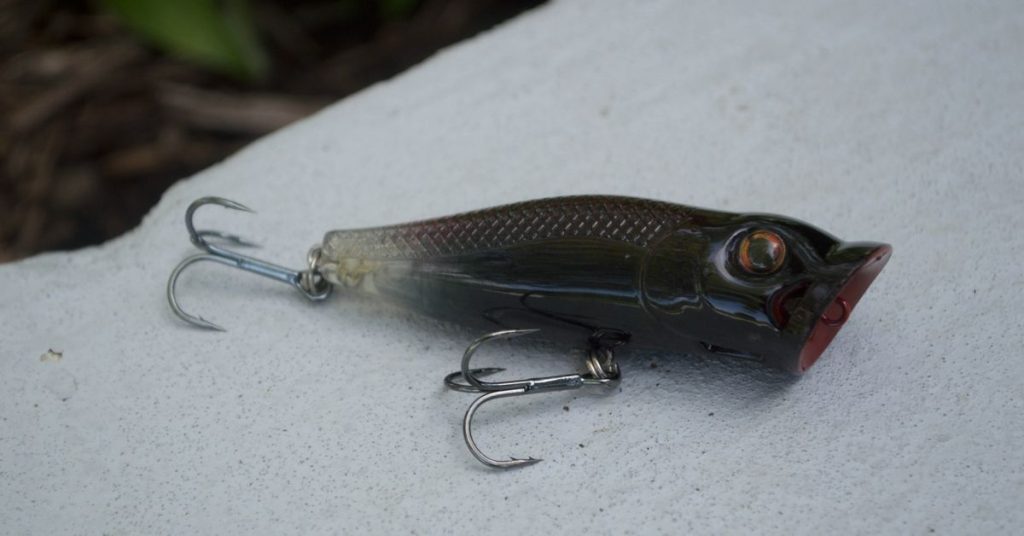
Have you ever wondered if fish can actually see your lure when the sun goes down? If you’re fishing at night, this question can make a big difference in your success.
Understanding how fish perceive light and movement in the dark could change the way you choose and use your lures. Keep reading, because what you learn here might just turn your next night fishing trip into a catch-filled adventure.
Fish Vision In Low Light
Fish live in water where light changes a lot. At night, light is very low. This makes it hard to see clearly.
Many anglers wonder if fish can see lures in the dark. Understanding fish vision helps answer this question.
How Fish Eyes Work
Fish eyes are different from human eyes. They have a round lens that moves to focus on objects. This helps them see clearly underwater.
The retina in fish eyes has special cells called rods and cones. Rods help see in low light. Cones help see colors in bright light.
- Lens moves to focus on things
- Rods detect shapes in dark
- Cones detect colors in light
Nighttime Visual Capabilities
At night, fish rely mostly on rods. Rods are very sensitive to light but do not see colors well. This helps fish see shapes and movement.
Fish can see some light from the moon or stars. They also see reflections or flashes from lures if the lure shines or moves.
- Rods detect low light but no color
- Fish see movement at night
- Reflective lures can catch fish attention
Species Differences In Vision
Different fish species have different eyes. Some fish see better in the dark. Others need more light to see well.
Deep water fish often have large eyes with many rods. Shallow water fish may have more cones for color vision.
| Fish Type | Eye Feature | Vision Strength |
| Deep water fish | Large eyes, many rods | Good night vision |
| Shallow water fish | More cones, fewer rods | Better color vision |
| Nocturnal fish | Very sensitive rods | Excellent in darkness |

Credit: www.lurenet.com
Lure Visibility At Night
Fishing at night can be exciting. It’s important for anglers to know if fish can see lures in the dark. Lure visibility at night depends on various factors.
Understanding these factors can help anglers choose the right lure. This increases the chances of catching fish even when it is dark.
Factors Affecting Lure Visibility
Lure visibility changes with different conditions. Light levels, moon phase, and water depth play a role. Fish have adapted to see in low light, but they rely on movement and contrast.
Bright lures can be more visible. Movement also helps attract attention. Anglers should consider these factors when selecting lures for night fishing.
Role Of Color And Reflectivity
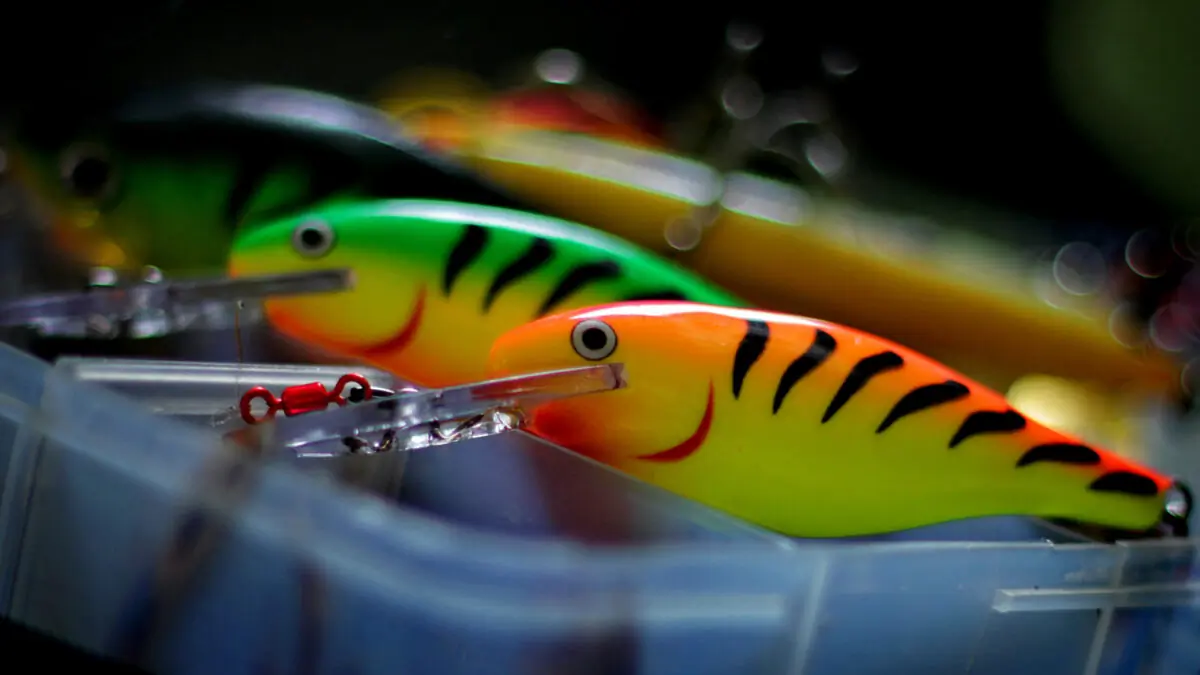
Color and reflectivity impact how lures are seen at night. Bright and reflective lures stand out more in the dark. Silver and white are good choices.
Lures with built-in lights can also be effective. These lures are easier for fish to spot. Choosing the right color and reflective material is key.
- Bright colors like white and silver are effective
- Reflective surfaces catch ambient light
- Lures with lights attract fish’s attention
Impact Of Water Clarity
Water clarity affects lure visibility. Clear water allows light to penetrate deeper. This makes it easier for fish to see lures.
Muddy or murky water decreases visibility. In such conditions, using vibrant lures can help. Anglers should match lure choice to water clarity for best results.
Fish Sensory Adaptations
Fish have special senses that help them find food and avoid danger. These senses work well even in dark water or at night.
Understanding how fish sense their world can explain if they see lures at night. Their eyes are not the only way they detect prey.
Use Of Lateral Line System
The lateral line system is a row of tiny sensors along a fish’s body. It helps fish sense movement in the water.
- Detects water pressure changes
- Finds nearby prey or predators
- Works well in low light or darkness
- Helps fish swim in groups without bumping
Detecting Vibrations And Movement
Fish sense vibrations through their body. This helps them detect moving lures even at night.
| Type of Sensory Input | Purpose |
| Vibrations | Sense struggling prey or nearby movement |
| Water currents | Detect movement direction |
| Pressure changes | Identify objects close by |
Chemical Cues In Darkness
Fish use smell and taste to find food in dark water. Chemicals from lures can attract them even without light.
Chemical senses include:
- Smelling dissolved substances in water
- Tasting particles near the mouth
- Detecting blood or bait scents
- Following scent trails to find prey
Credit: gearjunkie.com
Best Lures For Night Fishing
Fishing at night can be different from fishing during the day. Fish rely more on sight and movement in low light. Choosing the right lure helps catch fish better in the dark.
Night fishing lures must be easy for fish to see and attract attention. This article looks at the best types of lures to use at night.
Glow-in-the-dark Lures
Glow-in-the-dark lures absorb light during the day and glow at night. This glow helps fish see the lure in dark water. They work well in clear or slightly murky water.
These lures come in different shapes and colors. The glowing effect makes fish curious and more likely to bite.
- Charge the lure under a bright light before fishing
- Use glow colors like green, blue, or white
- Works best in low-light or no-light conditions
Lures With Built-in Lights
Some lures have small lights inside them. These lights turn on to attract fish. They create bright spots that can catch fish attention easily.
Built-in light lures are good in very dark water or deep fishing spots. They can be stronger than glow-in-the-dark lures because they shine constantly.
- Choose lures with waterproof light units
- Use different light colors like red, green, or white
- Check battery life before fishing
Choosing Lure Size And Shape
Lure size and shape affect how fish see and react to it. Bigger lures can be easier to spot at night. Small lures may work better for shy fish.
Shapes that move with light vibrations attract fish well. Try lures that mimic small baitfish or insects.
- Use medium to large sizes for better visibility
- Pick shapes that move naturally in water
- Match lure style to the fish you want to catch
Techniques To Improve Night Fishing
Fishing at night can be tricky because fish see less. Lures look different in low light. You need special techniques to catch fish after dark.
Using the right methods helps fish find your lure in the dark. These tips improve your chances and make night fishing more fun.
Proper Retrieval Speed
Fish rely on movement to find lures at night. Moving your lure too fast can scare them away. Too slow, and fish might miss it.
Keep a steady and slow retrieval speed. This lets fish notice your lure without spooking them. Adjust speed based on fish reactions.
- Start slow and watch for bites
- Use slow, steady pulls
- Pause sometimes to mimic injured prey
Using Sound And Vibration
Fish sense vibrations better than sight at night. Lures that make noise or vibrate attract fish. These signals help fish find lures in dark water.
Choose lures with built-in rattles or blades. You can also tap the rod lightly to create vibrations. This draws fish closer to your bait.
- Use rattling lures for noise
- Pick lures with vibrating blades
- Tap your rod to add extra vibration
Fishing Near Structures And Cover
Fish hide near structures like rocks, logs, and weeds at night. These places give them safety and food. Casting near cover increases your chance of catching fish.
Look for spots with shadows or cover. Cast your lure close to these areas and retrieve slowly. Fish will often strike near their hiding spots.
- Target rocks, docks, and fallen trees
- Fish near weed beds or grass patches
- Cast into dark or shadowed areas

Credit: mysterytacklebox.com
Common Myths About Night Fishing
Night fishing is popular, but many myths confuse anglers. Some ideas about fish and lures at night are not true.
This article clears up three common myths. Knowing the facts helps you fish better after dark.
Fish Are Blind At Night
Many believe fish cannot see in the dark. This is false. Fish have adapted eyes to see low light. They use shapes and movement to find prey.
Some fish see better than humans in dim light. Darkness does not make fish blind, but it changes how they detect things.
Only Glow Lures Work
Glow lures are popular for night fishing. They can attract fish, but they are not the only effective option.
- Reflective lures catch moonlight or artificial light.
- Dark-colored lures create a silhouette against the night sky.
- Movement and vibration often attract fish more than light.
Using a mix of lures can increase your chance of a catch. Glow is helpful but not a must.
Fish Don’t Feed In Darkness
Some think fish stop feeding at night. This is not true. Many fish feed more actively after sunset.
| Fish Species | Feeding Time |
| Catfish | Mostly at night |
| Walleye | Active at dusk and night |
| Bass | Feed day and night |
Darkness often helps fish hunt unseen. Night fishing can be very rewarding.
Frequently Asked Questions
Can Fish See Lures In Low Light Conditions?
Yes, fish can detect lures at night using their enhanced vision. Many fish have adapted to see in dim light, relying on contrast and movement.
Do Fish Rely On Senses Other Than Sight At Night?
Fish use senses like smell and vibration to detect lures when visibility is low. These senses help compensate for limited light during night fishing.
What Lure Colors Work Best For Night Fishing?
Bright or glow-in-the-dark lures attract more attention at night. Colors like white, chartreuse, and fluorescent shades improve lure visibility in dark water.
How Does Water Clarity Affect Lure Visibility At Night?
Clear water improves lure visibility even in low light, while murky water reduces it. Using lures that create vibration or glow can help in turbid conditions.
Conclusion
Fish can see lures at night, but their vision depends on light. Many fish use other senses like smell and movement too. Choosing the right lure color and size helps catch more fish. Fishing at night needs patience and some trial.
Bright or glowing lures often attract fish better in the dark. Remember, fishing is about understanding fish behavior and nature. Keep trying different techniques to find what works best for you. Night fishing can be fun and rewarding with the right approach.